


The Ultimate Guide to Choosing the Best Heavy Duty Poly Tarps for Your Application
Heavy duty poly tarps are often chosen when buyers need waterproof coverage, lightweight handling, broad size options and a practical cost structure. The right choice depends on the PE structure, outdoor exposure, reinforcement design and how the tarp will actually be used.
DERFLEX supplies polyethylene tarpaulin and custom poly tarp solutions for distributors, contractors, agriculture, construction, transport and outdoor storage programs. For applications that need longer service life or repeated abrasion resistance, DERFLEX can also help compare PE poly tarps with PVC coated polyester tarps.
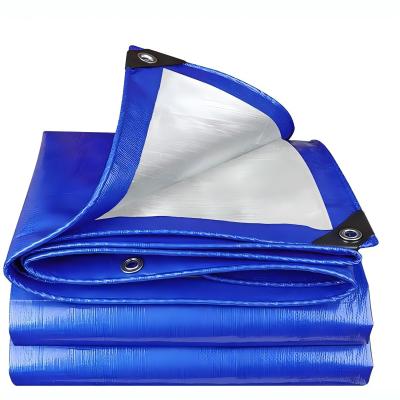
Product image: DERFLEX polyethylene tarpaulin / heavy duty poly tarp display. Image is shown at full width with natural height to avoid cropping.
What Makes a Poly Tarp “Heavy Duty”?
A heavy duty poly tarp is not defined by one label. Buyers should check the woven PE base, coating or lamination quality, finished thickness, UV package, edge reinforcement, grommet spacing, seam construction and installation stress.
Stronger PE Structure
The base is usually woven polyethylene, laminated or coated with PE film. A tighter weave, stable film bonding and consistent thickness improve practical handling strength.
Outdoor Weather Package
Waterproof coverage is only one part of performance. For outdoor use, UV treatment, anti-mildew direction and cold-flex handling may be important depending on climate.
Reinforced Finished Tarp
Many tarp failures begin at the edge, corner or grommet. Reinforced hems, rope edges, corner patches and suitable grommet spacing help reduce stress points.
Choose by Use Condition, Not by Color or Price Alone
Blue, silver, green or black tarps can all be useful, but color alone does not confirm grade. For B2B procurement, the safer path is to define application, exposure time, wind load, tie-down method, frequency of handling and replacement budget before confirming the specification.
Heavy Duty Poly Tarp Specification Checklist
Use this table when requesting samples, comparing suppliers or preparing a bulk order. It helps convert a general tarp inquiry into a clearer factory quotation.
| Selection Point | What to Check | DERFLEX Procurement Advice |
|---|---|---|
| Material Structure | HDPE woven base, PE laminated or coated surface, weave density and film bonding. | Ask for material structure, not only finished weight. A stable laminated surface helps waterproof coverage and handling durability. |
| Thickness / Mil | Common heavy duty consumer references are often around 14–20 mil, while stronger options may go higher. | Do not select by mil alone. Match thickness with mesh count, finished weight, edge design and expected service life. |
| Weight / GSM | Higher GSM normally improves feel and strength, but also increases packing volume and freight cost. | Build economy, standard and heavy duty grades when selling into distributor or hardware channels. |
| UV Resistance | UV additives or stabilizer package for tarps used under direct sun. | For farms, yards, construction sites and open storage, confirm outdoor exposure requirements before production. |
| Waterproof Performance | PE film surface, seam areas, hem construction and installation slope. | Waterproof fabric still needs correct installation. Avoid water pooling when possible and reduce sharp stress points. |
| Reinforcement | Double hems, rope-reinforced edges, corner patches, webbing and grommet spacing. | For wind exposure, choose stronger edge construction and tighter grommet layout rather than only increasing tarp thickness. |
| Finished Size | Cut size, finished size, shrinkage tolerance, seam allowance and packaging size. | Provide the required finished size and tolerance. This is especially important for fitted covers and private-label products. |
| OEM Packaging | Label, insert card, carton, barcode, pallet packing and mixed size loading plan. | DERFLEX can discuss bulk packing and private-label supply for importers, distributors and brand owners. |
Where Heavy Duty Poly Tarps Work Well
Polyethylene tarps are practical when buyers need easy handling, waterproof coverage and cost-sensitive protection across many environments.
Construction & Temporary Roofing
Cover building materials, scaffold zones, unfinished structures, roof repairs, job-site tools and temporary work areas from rain and dust.
Agriculture & Farm Storage
Protect hay, feed, soil, crops, machinery and seasonal materials. UV options and reinforced edges are important for open farm use.
Outdoor Equipment Covers
Use for pallets, machines, patio furniture, boats, firewood, warehouse overflow and semi-open storage where fast coverage is needed.
Truck & Utility Trailer Covers
Useful for short-term cargo protection and light transport covers. For repeated fleet use, compare with PVC truck tarpaulin options.
Emergency Weather Protection
Suitable for storm response stock, temporary shelters, roof leak coverage and fast-deploy waterproof protection programs.
Retail & Distributor Programs
Poly tarps are ideal for multi-size product lines with economy, standard and heavy duty grades, custom colors and private-label packaging.
Poly Tarp, PVC Tarp, Canvas or Mesh?
The best-fit tarp depends on the use condition. Poly tarps are efficient for lightweight waterproof protection. PVC tarps are stronger for long-term industrial use. Canvas is selected when breathability is more important. Mesh is used when airflow and shade matter.
Procurement tip: If the cover will face repeated abrasion, long-distance truck use, welding requirements or demanding industrial tie-downs, ask DERFLEX to compare PE poly tarps with PVC coated polyester tarps before confirming the order.
From Single Tarp Purchase to Repeatable Supply Program
Many retail tarp pages focus on stock sizes and checkout filters. DERFLEX focuses on B2B procurement: sample confirmation, material grade, color system, reinforcement layout, packaging and repeat-order consistency.
What DERFLEX Can Customize
- Finished size, roll width, roll length and tolerance discussion
- PE grade, GSM range, color, UV direction and surface finish
- Double hems, rope edges, corner patches, webbing and eyelets
- Grommet spacing, logo printing, labels and private-label packaging
- Bulk packing, carton design, pallet plan and export documentation support
Who This Page Is Built For
- Importers building a heavy duty poly tarp product line
- Distributors comparing PE tarpaulin grades for local markets
- Contractors and farms buying waterproof covers in quantity
- OEM brands requiring labels, cartons and stable repeat supply
- Project buyers deciding between PE tarp and PVC tarpaulin materials
Questions to Ask Before Buying Heavy Duty Poly Tarps in Bulk
Clear specification questions reduce quality risk and help both buyer and factory quote the same product standard.
1. What is the real application?
Define whether the tarp will cover equipment, cargo, hay, roof areas, pallets, vehicles or seasonal retail use. Application decides material grade.
2. How long is outdoor exposure?
A tarp used for weeks is different from one used for months under sun, rain and wind. Outdoor time affects UV and reinforcement requirements.
3. How will it be tied down?
Rope, bungee, hook, webbing or strap systems create different stress points. Grommet spacing and edge reinforcement should match installation method.
4. What size matrix is needed?
For wholesale programs, confirm best-selling sizes, carton quantity, barcode logic and container loading plan before production.
5. Is there abrasion or sharp edge contact?
Poly tarps are practical, but repeated rubbing can shorten service life. For abrasive conditions, request reinforced zones or compare PVC alternatives.
6. What sample should be approved?
Approve color, hand feel, thickness, weight, edge construction, grommet quality and packaging before scaling into a larger order.
Continue Comparing Tarp Materials and Applications
These internal links help buyers move from general poly tarp selection to the correct material, application and factory sourcing page.
Need Custom Heavy Duty Poly Tarps for Bulk Supply?
Send DERFLEX your required size, quantity, color, PE grade, expected outdoor exposure, grommet spacing, edge reinforcement, packaging and destination. We will help match a practical specification for your market or project.
Heavy Duty Poly Tarps FAQ
Short answers for buyers comparing polyethylene tarps, waterproof tarps and custom tarp supply programs.
What are heavy duty poly tarps made of?
Heavy duty poly tarps are commonly made from woven polyethylene fabric with a PE laminated or coated surface. The woven base gives strength, while the surface layer helps resist water, dust and outdoor exposure.
Are poly tarps waterproof?
Poly tarps are designed for waterproof coverage, especially when the PE surface is properly laminated and the tarp is installed with suitable slope and tie-down support. Real performance also depends on seams, hems, grommets and usage conditions.
What thickness should I choose for a heavy duty poly tarp?
Many heavy duty tarp buying references discuss around 14–20 mil for tougher use, while super heavy duty options may go higher. For bulk purchasing, thickness should be reviewed together with GSM, weave density, edge reinforcement and application.
Is a poly tarp better than a vinyl tarp?
Poly tarps are usually lighter and more economical. Vinyl or PVC tarps are generally stronger for repeated industrial handling, truck covers, welded seams and long-term outdoor abrasion. The better option depends on budget, exposure and service life expectation.
Can DERFLEX produce custom heavy duty poly tarps?
Yes. DERFLEX can discuss custom size, color, PE grade, UV direction, reinforced hems, corner patches, grommet spacing, logo printing, labels, cartons and bulk packaging for OEM and distributor programs.
What information should I provide for a quotation?
Please provide finished size, quantity, color, target weight or grade, application, exposure condition, grommet spacing, reinforcement requirement, logo or packaging needs and destination port or delivery address.