



Vinyl vs Poly Tarps: Which Tarp Material Is Better for Heavy Duty Use?
Vinyl and poly tarps can both protect equipment, cargo, materials and outdoor storage, but they are not designed for the same level of use. DERFLEX helps industrial buyers, distributors, fabricators and OEM brands choose the right tarp material based on durability, waterproof performance, UV resistance, flexibility, cost, lifespan and real application demands.
- Vinyl TarpsPVC coated polyester for long-term, heavy duty and industrial use.
- Poly TarpsLightweight PE covers for temporary, budget and light-duty protection.
- Best for BuyersCompare cost, lifespan, waterproofing, handling and application risk.
- DERFLEX AdvantageFactory-direct PVC vinyl tarp material, custom fabrication and OEM support.
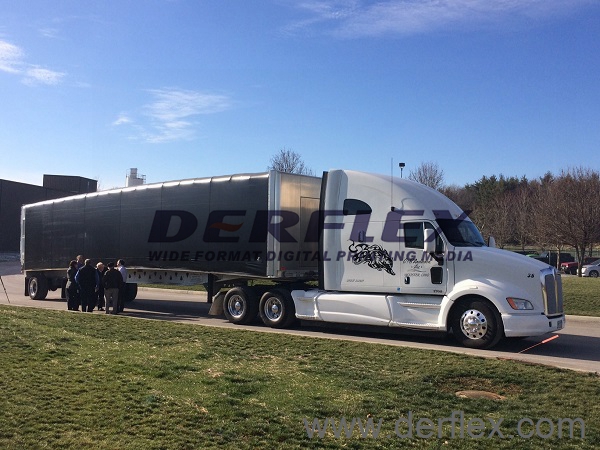
Vinyl Tarps Are Usually Better for Heavy Duty and Long-Term Outdoor Use
Poly tarps are useful when the job is temporary, lightweight and cost-sensitive. Vinyl tarps are the better choice when the cover must handle weather, abrasion, repeated fastening, cargo movement, UV exposure, job-site stress or long service cycles.
What Is the Main Difference?
A vinyl tarp is normally made from polyester base fabric coated or laminated with PVC. This creates a dense, flexible, waterproof and more durable material for demanding outdoor protection. Vinyl tarps are commonly used for truck covers, industrial equipment covers, construction tarps, agricultural storage, marine covers and heavy duty custom tarp systems.
A poly tarp is normally made from woven polyethylene with a polyethylene laminate. It is lightweight, affordable and easy to handle, making it useful for short-term covers, household use, garden protection, temporary roof covering or low-risk outdoor storage.
For B2B buyers, the question is not simply “Which tarp is cheaper?” The better question is: “Which material gives the lowest long-term cost, fewer replacements and better protection for the asset being covered?”
DERFLEX Recommendation
Choose PVC vinyl tarps when the application involves high value cargo, repeated use, exposed outdoor conditions, heavy tie-down points, wind movement, industrial handling, UV exposure or custom fabrication requirements.
- Truck, trailer and flatbed cargo protection
- Construction, scaffolding and machinery covers
- Agricultural storage, hay covers and farm equipment
- Industrial outdoor storage and warehouse covers
- OEM custom tarp programs for distributors and brands
- Applications requiring welded seams, grommets and reinforcement
Vinyl Tarps vs Poly Tarps: Material Construction
Material structure is the foundation of tarp performance. The difference between PVC coated polyester and woven polyethylene directly affects strength, lifespan, flexibility, welding, handling and application suitability.
Vinyl Tarps
Vinyl tarps are typically made from polyester scrim coated with PVC. This construction gives vinyl tarps stronger tear resistance, higher density, better abrasion performance and more reliable weather protection.
- PVC coated polyester structure
- Stronger and heavier than most poly tarps
- Excellent waterproofing and weather resistance
- Better for welding, grommets and reinforced edges
- Suitable for repeated commercial and industrial use
Poly Tarps
Poly tarps are typically made from woven polyethylene with a laminated surface. They are light, affordable and easy to install, but they are usually less durable under prolonged sun, wind, abrasion and repeated fastening.
- Woven polyethylene construction
- Lightweight and budget-friendly
- Good for temporary or light-duty covers
- Can degrade faster under strong UV exposure
- Less suitable for high-abrasion or heavy tie-down use
Vinyl vs Poly Tarps Comparison Table
Use this comparison to decide whether a vinyl tarp or poly tarp is more suitable for your application.
| Factor | Vinyl Tarps | Poly Tarps |
|---|---|---|
| Material | PVC coated polyester fabric, often used for heavy duty and industrial covers. | Woven polyethylene with PE laminate, commonly used for temporary and general-purpose covers. |
| Strength | Higher tensile, tear and abrasion resistance for demanding applications. | Moderate strength; more suitable for lighter loads and temporary protection. |
| Waterproofing | Excellent waterproof performance, especially when seams are welded and edges are reinforced. | Often waterproof when new, but seams and coating may degrade faster under prolonged exposure. |
| UV Resistance | Can be formulated with UV stabilizers for long outdoor service life. | UV-treated grades exist, but standard poly tarps may become brittle faster in strong sunlight. |
| Abrasion Resistance | Better for cargo movement, rough surfaces, job sites, equipment and repeated handling. | Less suitable for high-friction areas, sharp edges or frequent tie-down stress. |
| Weight | Heavier, more stable in wind and better for industrial use. | Lighter, easier to move and install for quick temporary coverage. |
| Customization | Excellent for custom size, color, logo printing, welded seams, grommets, webbing and OEM packaging. | Can be made in different sizes and colors, but advanced heavy-duty fabrication is more limited. |
| Typical Lifespan | Better long-term value when used in tough outdoor, transport or industrial conditions. | Lower upfront cost, but usually requires more frequent replacement in exposed conditions. |
| Best Use | Truck tarps, construction covers, industrial covers, agricultural storage, marine covers and OEM tarp programs. | Temporary roof covers, garden covers, short-term storage, camping, household and low-risk use. |
How to Choose Between Vinyl and Poly Tarps
The right tarp depends on risk level, exposure time, covered asset value and how often the tarp will be handled.
Use Duration
Choose poly when the cover is temporary and replacement is acceptable. Choose vinyl when the tarp must perform for repeated or long-term use.
Covered Asset Value
If the tarp protects cargo, machinery, raw materials or expensive equipment, vinyl provides stronger insurance against weather and handling failure.
Outdoor Exposure
For long exposure to sun, rain, wind, snow and temperature changes, PVC vinyl tarp material is usually the more reliable choice.
Tie-Down Stress
Trucking, construction and industrial covers need reinforced edges, grommets and webbing. Vinyl is better suited for these structures.
Fabrication Method
Vinyl tarp material works well with hot-air welding, HF welding, reinforced hems, custom panels and professional tarp fabrication.
Total Cost
Poly may cost less at first, but vinyl can reduce replacement frequency, downtime and damage risk in demanding applications.
Why DERFLEX Focuses on Heavy Duty PVC Vinyl Tarp Solutions
DERFLEX is not only presenting a material comparison. We help buyers convert the comparison into a practical tarp specification.
PVC Coated Fabric Manufacturing
DERFLEX supplies PVC coated polyester tarp materials for heavy duty vinyl tarps, truck covers, industrial covers, construction tarps and outdoor protection products.
Custom Weight and Structure
Buyers can discuss GSM, thickness, base fabric, coating formula, surface finish, color, width, roll format and finished tarp construction.
Finished Tarp Fabrication Support
DERFLEX can support grommets, reinforced hems, webbing, D-rings, pockets, welded seams, straps and special edge reinforcement.
OEM and Distributor Programs
For importers, wholesalers and brands, DERFLEX supports custom color, logo printing, label design, packaging and repeat-order consistency.
Best Applications for Vinyl Tarps and Poly Tarps
Vinyl and poly tarps both have value, but their best-use scenarios are different.
Truck & Trailer Cargo
Vinyl tarps are recommended for repeated road use, wind stress, cargo edge contact and long-haul weather protection.
Construction Sites
Vinyl is better for scaffolding, materials, machinery and job-site covers exposed to abrasion and rough handling.
Agricultural Storage
Vinyl works well for hay, feed, machinery and long-term outdoor storage; poly may fit temporary crop or garden covers.
Industrial Equipment
PVC vinyl tarp material is suitable for equipment, warehouse stock, factory goods and heavy outdoor protection.
Temporary Roof Cover
Poly tarps are often used for emergency temporary roof protection when low cost and fast installation are priorities.
Garden & Household Use
Poly tarps can be practical for short-term domestic covers, camping, garden use and non-critical storage protection.
Marine & Outdoor
Vinyl tarps offer stronger waterproof and UV-resistant protection for boats, docks, outdoor equipment and covers.
OEM Tarp Products
Vinyl is the better choice for brands and distributors building premium tarp lines with custom size and packaging.
When Should You Choose Vinyl Instead of Poly?
If your application involves cost-sensitive temporary protection, poly can be enough. If your application involves commercial risk, repeated outdoor exposure or customer-facing product quality, vinyl is usually the safer choice.
Choose Vinyl Tarps When:
- You need heavy duty waterproof protection for valuable cargo or equipment.
- The tarp will be exposed to sunlight, rain, wind or outdoor weather for long periods.
- The tarp must be tied down, folded, dragged, cleaned and reused frequently.
- The project needs welded seams, reinforced edges, grommets, D-rings or custom fabrication.
- You are building an OEM tarp product line for distributors, fleets or industrial buyers.
Choose Poly Tarps When:
- The cover is needed for short-term, light-duty or temporary use.
- Low initial cost matters more than long service life.
- The covered item is low-risk and easy to replace or repair.
- The tarp will not face heavy wind, abrasion, frequent handling or long UV exposure.
- You need a fast, lightweight cover for household, garden or emergency temporary protection.
Explore Related Tarp Materials and Product Pages
These internal links help buyers continue from the comparison page to DERFLEX product solutions.
Frequently Asked Questions About Vinyl vs Poly Tarps
Clear answers for buyers comparing vinyl tarp and poly tarp materials.
What is the difference between vinyl tarps and poly tarps?
Vinyl tarps are usually made from PVC coated polyester fabric, making them stronger, heavier and more suitable for long-term heavy duty use. Poly tarps are usually made from woven polyethylene, making them lighter, cheaper and better suited for temporary or light-duty covers.
Are vinyl tarps better than poly tarps?
Vinyl tarps are generally better for heavy duty, long-term and industrial applications because they offer stronger tear resistance, better waterproof performance, better abrasion resistance and better customization options. Poly tarps are better when low cost and temporary use are the main priorities.
Which tarp is more waterproof, vinyl or poly?
Both materials can be waterproof when new, but vinyl tarps usually provide more reliable long-term waterproof protection, especially when made with welded seams, reinforced hems and high-quality PVC coating.
Which tarp is better for truck covers?
Vinyl tarps are normally better for truck covers because they can handle wind, rain, road spray, tie-down stress, repeated folding, cargo friction and long-haul outdoor exposure better than typical poly tarps.
Why are poly tarps cheaper?
Poly tarps use lightweight polyethylene construction and are designed for economical general-purpose protection. They cost less upfront, but may need more frequent replacement under tough outdoor or industrial conditions.
Can DERFLEX customize vinyl tarps?
Yes. DERFLEX can support custom PVC vinyl tarp weight, width, color, surface finish, reinforced edges, grommets, welded seams, webbing, D-rings, logo printing, private-label packaging and OEM supply programs.
Does DERFLEX supply roll goods or finished tarps?
DERFLEX can support PVC coated tarp roll material, cut panels, semi-finished panels and finished custom tarps depending on buyer requirements.
Need Help Choosing Vinyl or Poly Tarp Material?
Send DERFLEX your application, size, outdoor exposure, quantity, required lifespan, color, hardware and packaging needs. Our team will help you match the right tarp material for your project, product line or OEM supply program.