Surface and Resin System
The formulation and finish influence flexibility, surface adhesion, cleaning behavior and resistance to aging. A decorative low-use surface and a high-frequency seating surface should not be specified the same way.



 Polyurethane leather material guide
For regular indoor use, PU leather is often planned around a service-life range of approximately 2–5 years. The actual result can be shorter or longer because “PU leather” is not one fixed construction: coating chemistry, backing, thickness, hydrolysis resistance, abrasion, heat, humidity, cleaning practice and product design all influence durability.
This page gives buyers a realistic method for estimating PU leather lifespan and specifying a material around the final product—not a universal warranty or an absolute performance promise.
PU leather is normally made with a polyurethane-based surface applied to a textile, nonwoven, microfiber or other selected backing. Two rolls can look almost identical on a sample card while performing very differently after cutting, sewing, wrapping, repeated flexing, cleaning and storage.
A dining chair used several times a week does not create the same stress as a hotel lobby sofa, a car-seat insert, a handbag panel or a decorative wall covering. For this reason, the useful question is not only “How long does PU leather last?” but also “Which structure is suitable for my frequency of use, climate, cleaning routine and manufacturing method?”
Typical online guidance commonly places regularly used PU leather in the 2–5 year range. A carefully selected material in a moderate indoor environment may exceed that planning range, while an unsuitable grade can peel, crack, become sticky or lose adhesion much earlier.
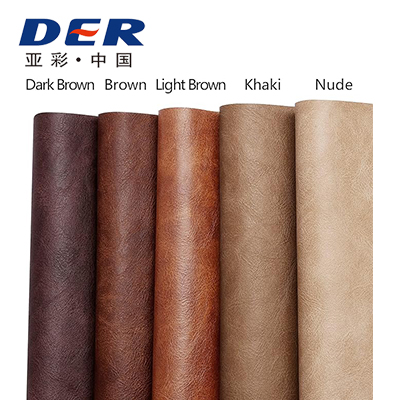
These variables explain why one product remains stable while another begins to peel or crack under similar-looking use.
The formulation and finish influence flexibility, surface adhesion, cleaning behavior and resistance to aging. A decorative low-use surface and a high-frequency seating surface should not be specified the same way.
Knitted, woven, nonwoven and microfiber backings create different body, stretch, tear behavior and dimensional stability. The backing must match sewing, wrapping, quilting or lamination processes.
Heat and moisture can accelerate degradation in unsuitable polyurethane systems. Hot, humid climates, closed warehouses and poorly ventilated interiors require more careful material review and storage control.
Seat edges, armrests, bag corners, folded seams and high-contact panels receive concentrated wear. Service life depends on both surface resistance and the way stress is distributed in the finished product.
Direct sunlight, hot vehicle cabins, radiators and heating vents can dry or age a surface faster. Outdoor or high-heat exposure should be treated as a special application, not as standard indoor upholstery.
Repeated use of strong solvents, bleach, alcohol-rich cleaners or abrasive tools may damage a finish. A mild cleaning method should be confirmed against the specific material and the finished-product requirement.
The ranges below are practical planning references for product development. They are not warranties and should be confirmed through samples, trial production and application testing.
| Application | Typical Planning Range | Main Stress Factors | What Buyers Should Specify |
|---|---|---|---|
| Residential sofas and chairs | About 2–5 years | Body oils, repeated sitting, seam tension, sunlight, household cleaners | Softness, abrasion direction, backing stability, color consistency and suitable cleaning method |
| Office and hospitality seating | About 1–4 years | High daily use, concentrated edge wear, frequent cleaning and replacement cycles | Commercial-use abrasion route, seam design, easy-clean finish and repeat-order consistency |
| Automotive interior trim | Project-dependent | Cabin heat, UV exposure, flexing, cleaners, wrapping and bonding processes | Automotive-specific development, color/heat review, backing behavior and final-component testing |
| Bags and accessories | About 1–5 years | Corner abrasion, folding, scraping, edge paint, hardware contact and storage | Flexible body, fold resistance, edge behavior, grain stability and intended price segment |
| Decorative panels and low-contact surfaces | Often 3–5+ years | Sunlight, adhesive compatibility, indoor climate and occasional cleaning | Color stability, lamination compatibility, low-contact finish and installation method |
| Marine, medical or special surfaces | Specification-dependent | Moisture, disinfectants, mildew risk, temperature and regulatory requirements | Application-specific coating, cleanability route, compliance review and documented testing |
Early failure is usually a combination of material selection, environment, product design and maintenance—not one isolated cause.
The surface layer separates from the backing after repeated flexing, moisture exposure, heat aging or insufficient adhesion for the application. Review the coating system, backing, bonding route and use environment.
Tight folding radii, stiff construction, concentrated seam stress, low-temperature use or repeated movement can create cracks. Product pattern and material flexibility should be evaluated together.
Chemical aging, incompatible cleaners, plasticizer migration from adjacent materials, heat and poor storage may affect the finish. Confirm chemical compatibility and packaging conditions.
Long sunlight exposure, high heat and strong cleaning agents can change gloss, color or hand feel. Discuss UV direction and cleaning requirements when the product will face demanding conditions.
Maintenance cannot correct an unsuitable material, but appropriate handling can reduce avoidable surface damage.
Use a soft, dry cloth first so loose particles are not rubbed across the surface.
Wipe with a lightly damp soft cloth and a mild cleaner only after confirming suitability for the specific finish.
Reduce continuous exposure near windows, heating outlets or hot vehicle environments when the grade is not designed for it.
Excess liquid can enter stitching, foam or backing layers and create a different aging condition from the face surface.
Keep material in a clean, ventilated, moderate environment and follow supplier guidance for roll position, packaging and acclimation.
Even common disinfectants or stain removers can alter gloss, color or touch. Validate before broad application.
Better durability starts with a precise inquiry. DERFLEX supports specification-based development rather than treating all PU leather rolls as interchangeable.
DERFLEX supplies polyurethane leather rolls for furniture upholstery, automotive interiors, bags, hospitality seating, medical furniture, decorative panels and private-label product programs.
Color, grain, embossing, gloss, backing, thickness, softness, width, roll length, label and export packing can be discussed around the project. Performance directions such as easy-clean, abrasion, hydrolysis, UV, anti-mildew, flame-retardant or antibacterial requirements can be reviewed when they are relevant to the final application and supported by agreed testing.
The most useful quotation request includes your final product, sample or color reference, target thickness, backing preference, processing method, quantity, destination market and performance priorities.
Sofas, chairs, headboards, benches and commercial seating.
Seat panels, door trim, armrests, headrests and wrapped parts.
Handbags, cases, backpacks, wallets, belts and accessories.
Medical furniture, hospitality seating, marine cushions and panels.
Six related pages help sourcing teams compare polyurethane leather structures, suppliers and adjacent synthetic leather options.
Send DERFLEX your product type, use frequency, climate, cleaning method, surface reference, backing preference, width and quantity. The team can review a more suitable material direction and prepare a project-based quotation.
Practical answers for furniture brands, automotive suppliers, bag manufacturers, distributors and OEM product teams.
A common planning range is approximately 2–5 years for regularly used products, but actual life can be shorter or longer depending on material construction, use frequency, heat, humidity, sunlight, cleaning, storage and finished-product design.
It can in some moderate-use indoor applications, especially when the material structure is well matched to the product and exposure is controlled. A service-life claim should still be supported by the agreed specification, sample review and relevant testing rather than assumed from the name “PU leather.”
Peeling may result from surface-layer aging, moisture and heat, repeated flexing, incompatible cleaning products, weak adhesion for the application or stress concentration in seams and edges. The exact cause requires inspection of both the material and the finished product.
There is no universal answer. PU leather is often selected for softer touch and refined appearance, while PVC leather may suit projects emphasizing water resistance, easy cleaning or a different durability-cost balance. The better option depends on application, structure and performance priorities.
Confirm the surface system, backing, thickness tolerance, width, roll length, grain, gloss, color control, processing method, cleaning expectation, performance route, documentation, packaging and repeat-order plan. Samples should be evaluated in the intended production process.
DERFLEX can discuss construction and performance directions around the final use, including backing, thickness, surface finish, abrasion, hydrolysis, UV, easy-clean, anti-mildew and other project-specific requirements. Final suitability depends on the agreed specification and validation route.