


PU Leather vs Faux Leather: Which Material Should Your Product Line Choose?
PU leather vs faux leather is a common question for furniture factories, automotive interior suppliers, bag manufacturers, upholstery brands, hospitality projects and OEM buyers. The short answer is: PU leather is one type of faux leather, while faux leather is the broader category that may include PU leather, PVC leather, microfiber leather, silicone leather and other synthetic leather systems.
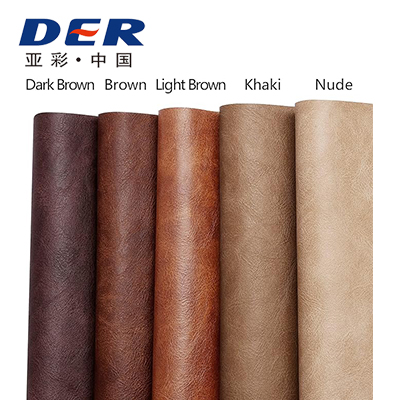
Quick Answer: PU Leather Is a Type of Faux Leather
In commercial sourcing language, faux leather is the umbrella term. PU leather belongs inside that category. When a buyer asks for faux leather, the supplier must clarify whether the project needs PU leather, PVC leather, microfiber PU leather, silicone leather or a customized coated leather-like material.
Why This Difference Matters for B2B Buyers
Many online explanations treat PU leather vs faux leather as a simple consumer comparison. For professional procurement, the real decision is more technical: surface chemistry, backing type, softness, abrasion performance, hydrolysis resistance, cleanability, flame-retardant pathway, UV exposure, color consistency and repeat-order stability.
DERFLEX helps buyers move from a general material name to a practical specification. Instead of asking only “Which is better?”, the stronger question is: “Which synthetic leather construction fits my application, production process, target market and long-term supply plan?”
PU Leather vs Faux Leather Comparison Table
The table below explains the difference in a practical way for manufacturers, distributors and OEM buyers.
| Comparison Point | PU Leather | Faux Leather | DERFLEX Buyer Recommendation |
|---|---|---|---|
| Definition | A leather-like material using a polyurethane surface layer on textile, nonwoven, microfiber or other backing. | A broad category for artificial leather materials that may include PU, PVC, silicone, microfiber or coated leatherette systems. | Do not select by name only. Confirm the coating system, backing, thickness, finish and end-use requirement. |
| Material Scope | More specific material family. | Wider category with multiple performance levels and cost ranges. | Ask the supplier whether the faux leather is PU, PVC, silicone, microfiber or a hybrid construction. |
| Hand Feel | Often chosen for softer touch, flexible surface and refined leather-like appearance. | Varies widely. Some types are soft and premium; others are firmer, more waterproof or more cost-focused. | For bags, furniture and decorative interiors, PU or microfiber PU may be preferred when softness matters. |
| Water Resistance | Usually water-resistant depending on coating quality and backing structure. | PVC faux leather may offer strong practical water resistance; silicone leather may offer advanced cleanability. | For marine, contract seating or easy-clean use, compare actual test direction, not only material name. |
| Durability | Depends heavily on resin quality, coating thickness, backing strength, hydrolysis resistance and finishing. | Can range from entry-level decorative materials to high-performance coated leather alternatives. | Request application-matched samples and clarify abrasion, hydrolysis, color fastness and cleaning requirements. |
| Cost Logic | Often cost-effective compared with genuine leather; premium PU grades cost more than basic synthetic leather. | Cost varies because the term covers many different material systems and quality levels. | Choose by total value: appearance, service life, process yield, repeat supply and market positioning. |
| Customization | Can be customized by color, grain, gloss, backing, thickness, softness and surface finish. | Very flexible category; different systems allow different textures, backing options and performance upgrades. | DERFLEX supports OEM development for color, texture, backing, roll size, packaging and performance direction. |
| Typical Applications | Furniture, bags, automotive interiors, wall panels, footwear, decorative covers and OEM products. | Furniture, automotive, marine, hospitality, bags, medical seating, packaging and commercial interior surfaces. | Match the material route to final use, cleaning frequency, climate, sewing or wrapping process and expected price level. |
Which Is Better: PU Leather or Faux Leather?
There is no single best answer. The better material depends on your product, production method and market requirement.
Choose PU Leather When Softness Matters
PU leather is often a strong direction for bags, furniture, decorative panels and consumer-facing products where soft hand feel, leather-like appearance and flexible color development matter.
Choose PVC Faux Leather for Easy-Clean Durability
PVC leather can be suitable for commercial upholstery, marine seating, contract furniture and applications requiring practical water resistance, easy cleaning and controlled cost.
Choose Silicone or Microfiber for Premium Direction
Silicone leather and microfiber PU leather can support higher-end product lines where touch, stain resistance, surface stability, premium image or advanced material positioning is important.
Custom Faux Leather and PU Leather for Commercial Manufacturing
DERFLEX supplies custom faux leather, PU leather, PVC leather, silicone leather and synthetic leather fabric for buyers who need more than a generic roll material. We help customers select a material structure based on the real application.
Whether your project is furniture upholstery, automotive seats, bags, hotel interiors, marine seating, medical furniture, wall panels or OEM private-label products, DERFLEX can support practical material recommendation, sample development and repeatable bulk supply.
- Custom color matching for product collections and brand programs
- Embossed grain, pebbled texture, smooth finish, matte finish or glossy effect
- Backing options for sewing, wrapping, upholstery, lamination and roll-to-roll processing
- Thickness, width, roll length, packaging and labeling support
- Performance direction such as easy-clean, water resistance, abrasion focus or flame-retardant pathway
- Export-ready communication for distributors, factories, importers and OEM buyers
Typical Specification Points Buyers Should Confirm
Where PU Leather and Faux Leather Are Used
DERFLEX supports synthetic leather development for multiple industries where appearance, process compatibility and repeatable quality are important.
Furniture Upholstery
Sofas, chairs, headboards, wall panels, commercial seating and decorative interior surfaces.
Automotive Interiors
Car seats, door panels, armrests, dashboards, headrests, trims and aftermarket upholstery.
Bags & Accessories
Handbags, luggage, cases, wallets, trims and consumer product surface materials.
Hospitality Projects
Hotel furniture, restaurant seating, commercial interiors and high-traffic decorative surfaces.
Marine Seating
Boat cushions, yacht seating, outdoor leisure furniture and moisture-exposed upholstery projects.
Medical Seating
Medical mattress covers, healthcare seating, easy-clean surfaces and clinic furniture materials.
Wall Panels
Decorative wall covering, acoustic panels, interior wrapping and commercial design surfaces.
OEM Product Lines
Private-label materials, custom colors, roll packing and long-term repeat supply for brand collections.
How to Choose the Right PU or Faux Leather Supplier
For professional buyers, the supplier decision is as important as the material name.
1. Confirm the Material Structure
Ask whether the material is PU, PVC, silicone, microfiber PU or another synthetic leather construction. Confirm the backing, surface layer, finish and thickness tolerance.
2. Match Performance to Application
Upholstery, automotive, bags, marine, hospitality and medical seating all need different priorities. Do not use one generic faux leather grade for every project.
3. Request Real Samples
Review color, hand feel, surface grain, backing strength, sewing behavior, wrapping performance and cleaning response before bulk order.
4. Clarify Testing Direction
Depending on the market, buyers may need abrasion direction, hydrolysis direction, color fastness, UV direction, flame-retardant pathway or easy-clean confirmation.
5. Control Repeat Orders
For furniture collections and branded products, repeatable color, grain, gloss, roll width and packaging are critical for long-term supply.
6. Choose OEM-Capable Supply
DERFLEX supports custom development, sample confirmation, bulk roll production, packing coordination and export documentation for B2B buyers.
DERFLEX Custom Synthetic Leather Workflow
A controlled workflow helps buyers turn a material idea into a repeatable production specification.
Example: Selecting Faux Leather for a Contract Furniture Collection
A commercial furniture buyer needs a leather-like upholstery material for hotel seating. The project requires consistent color, soft hand feel, easy cleaning, suitable abrasion direction and repeatable bulk roll supply across multiple batches.
Instead of choosing only by the phrase “PU leather vs faux leather,” DERFLEX reviews the seating environment, cleaning frequency, target texture, backing requirement and expected price level. A customized synthetic leather solution can then be developed for sample approval and bulk production.
Explore More Synthetic Leather Materials
These six internal links help buyers continue comparing PU leather, faux leather, PVC leather and upholstery material directions.
PU Leather vs Faux Leather FAQ
Common questions from buyers comparing synthetic leather materials for product development and bulk sourcing.
Is PU leather the same as faux leather?
Not exactly. PU leather is one type of faux leather. Faux leather is a broader term that can include PU leather, PVC leather, silicone leather, microfiber leather and other artificial leather-like materials.
Which is better, PU leather or faux leather?
The better choice depends on the exact faux leather type and the application. PU leather is often selected for softer hand feel and leather-like appearance, while other faux leather systems may be better for water resistance, easy cleaning, premium stain resistance or cost control.
Is PU leather real leather?
100% synthetic PU leather is not real leather. However, some PU-coated split leather or bicast leather may contain a leather backing. Buyers should confirm the material composition when animal-free positioning is required.
Does faux leather crack or peel?
Low-quality faux leather may crack, peel or become brittle over time, especially under heat, humidity, friction or incorrect cleaning. Performance depends on coating quality, backing, thickness, finish and application environment.
Can DERFLEX customize PU leather and faux leather?
Yes. DERFLEX supports custom color, texture, embossing, backing, thickness, surface finish, roll width, roll length, packaging and project-based performance direction for OEM and industrial buyers.
What information should I provide for a quotation?
Please provide application, target material type, thickness, color, texture, backing, roll width, roll length, quantity, performance requirement, destination country and whether OEM packaging or testing support is needed.
Need PU Leather or Faux Leather for Your Product Line?
Send DERFLEX your target application, sample reference, preferred texture, color, backing, thickness, roll size, quantity and performance requirements. Our team can recommend a suitable synthetic leather material for your market and production process.