


 Tarp Buying Guide for B2B Buyers
How to Choose a Tarp by Material, Size and Application
A practical selection guide for distributors, fabricators, contractors and OEM buyers who need waterproof tarps, truck covers, trailer tarps, equipment covers or custom tarpaulin programs.
DERFLEX helps buyers match tarp material, finished size, reinforcement, GSM, coating direction and application requirements before sampling or bulk production. The goal is not to choose the thickest tarp blindly, but to choose a cover structure that fits the real job.
The right tarp is a specification decision
Many buyers start with a familiar color, a common stock size or a low unit price. That works for simple short-term covers, but industrial tarps need a more complete decision process. A truck tarp may need high tear strength and welded seams. A canopy cover may need UV resistance, clean appearance and frame tension. A construction tarp may need reinforced fixing points and flame-retardant options.
For procurement teams, a useful tarp selection process answers three questions first: what is being covered, how long it will stay outdoors and how the cover will be fixed. Once these are clear, material type, weight, reinforcement and finished size become easier to confirm.
DERFLEX supplies PVC coated tarpaulin materials, tarp rolls and custom finished tarps for B2B programs. Material weight, color, surface finish, coating formula, width, grommet spacing, edge reinforcement, logo printing and export packaging can be discussed according to the project.
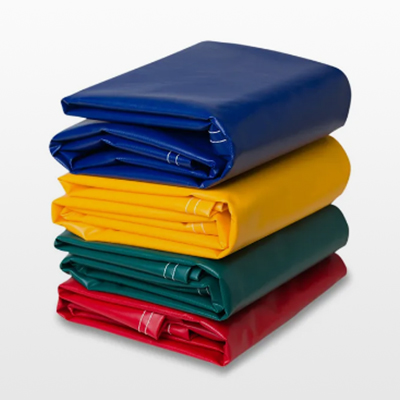
Choose a tarp in three practical checkpoints
Material decides basic performance, size decides coverage and installation, and application decides the final reinforcement details.
Define exposure and handling
Confirm whether the tarp will face rain, sun, wind, snow, abrasion, chemicals, oil, repeated folding or highway movement. Frequent handling usually requires stronger fabric and better edge design.
Confirm finished size
Measure the item or frame, then allow for drop, overlap, hems, fastening direction and slope. For custom tarps, finished size is more important than rough cut size.
Match fixing and fabrication
Decide grommet spacing, webbing, corner patches, rope edge, D-rings, straps, pockets, welding method, labels and packing. These details often determine service performance.
Compare tarp materials by real use
There is no single material for every job. The best choice depends on durability needs, waterproof requirements, breathability, budget, fabrication method and expected service environment.
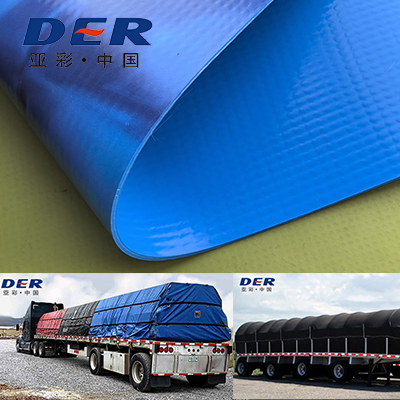
PVC Coated Polyester Tarp
Suitable for heavy-duty waterproof tarps, truck covers, trailer covers, equipment covers, industrial curtains and custom OEM tarps. It offers strong coating, weldability, tear resistance and outdoor durability direction.
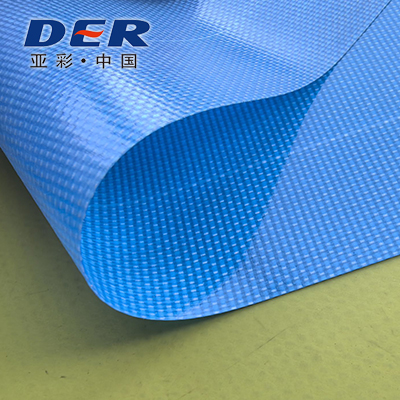
PE Woven Tarp
A practical choice for economical temporary covers, pallet protection, light outdoor storage and emergency use. It is lightweight and cost-sensitive, but not usually preferred for demanding repeated industrial use.
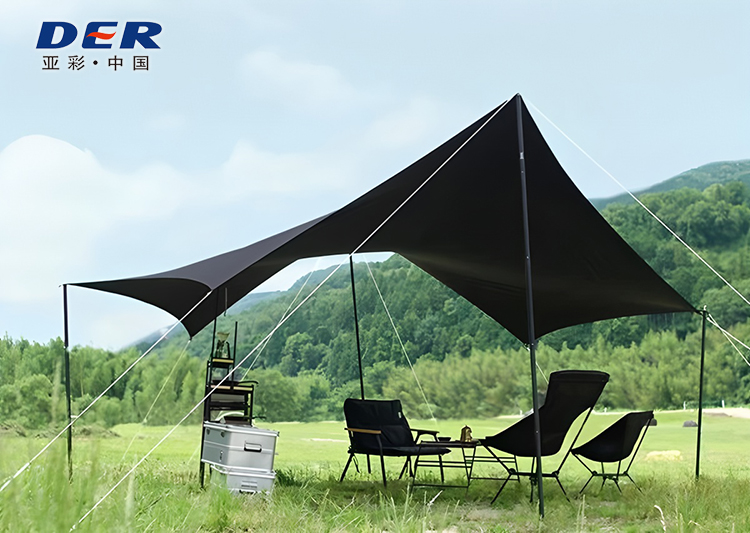
Mesh or Shade Tarp
Used when airflow, shade and wind reduction are more important than full waterproof coverage. Mesh options can support shade structures, privacy screens, debris containment and outdoor working zones.
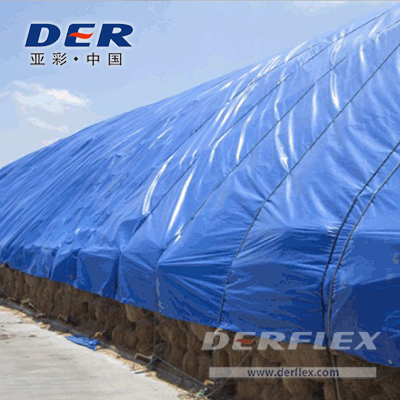
Canvas or Specialty Cover
Canvas is breathable and useful where condensation control matters, while coated specialty fabrics can be selected for flame-retardant, cold-resistant, anti-mildew or application-specific performance.
Which tarp material should you choose?
This table gives buyers a practical starting point before requesting a sample or quotation.
| Application | Suggested Direction | Key Performance Points | DERFLEX Buying Notes |
|---|---|---|---|
| Truck and trailer covers | PVC coated polyester tarp, heavier GSM by load and route | Waterproof surface, tear strength, abrasion resistance, welded seams, edge tension | Confirm vehicle size, tie-down method, grommet spacing, color, logo and packing. |
| Construction and temporary roofing | PVC tarp for long exposure; PE tarp for short-term coverage | Rain protection, wind load, flame-retardant direction, reinforced corners | Installation method can affect performance as much as the fabric weight. |
| Agriculture and outdoor storage | Waterproof PVC or PE tarpaulin according to service time | UV exposure, anti-mildew direction, large-size welding, color coding | Send storage dimensions and expected season length before confirming GSM. |
| Boat and marine covers | PVC coated or marine cover fabric direction | Rain, sunlight, humidity, straps, fitting shape and appearance | Custom pattern, side drop and reinforcement layout are important for fit. |
| Canopy, carport and shelter covers | PVC coated polyester for waterproof frame covers | UV resistance, weldability, frame tension, clean surface, color stability | Provide frame drawing, finished cover size and valance/pocket details. |
| Shade, privacy and debris control | Mesh tarp or coated shade fabric | Airflow, shade rate, wind reduction, edge strength | Choose mesh when airflow is required; choose solid PVC when waterproofing is required. |
How to calculate tarp size before ordering
For flat coverage, measure the length and width of the area, then add the needed overhang. For equipment, pallets, machinery or boats, add the height drop on both sides. For frame covers, measure the actual frame and confirm pockets, hems and tension points.
For custom finished tarps, always separate cut size, finished size and usable coverage. Welding, hemming, folding and reinforcement can change the final dimension.
Finished size = object length/width + side drop + overlap + fastening allowance
Measurement checklist
- Measure the longest length, widest width and maximum height of the object or frame.
- Confirm whether water needs to run off; avoid designs that allow long-term pooling.
- Add enough side drop for wind, rain splash and secure tie-down.
- Confirm if the tarp needs hems, rope edges, webbing, pockets or sleeves.
- Specify grommet spacing and corner reinforcement according to tension direction.
- For repeat orders, approve a sample with finished dimension tolerance before bulk production.
Choose by application and installation method
A tarp used on a moving trailer is different from a tarp used on a canopy frame, a farm pile or an emergency roof. DERFLEX helps buyers connect the material to the working condition.
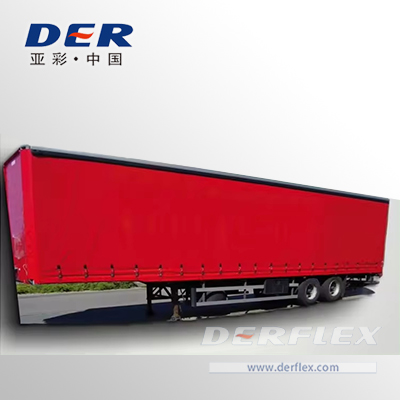
Transportation
Truck tarps and trailer tarps need strength at tie-down points, abrasion resistance, waterproof coating and stable finished size for repeated route use.
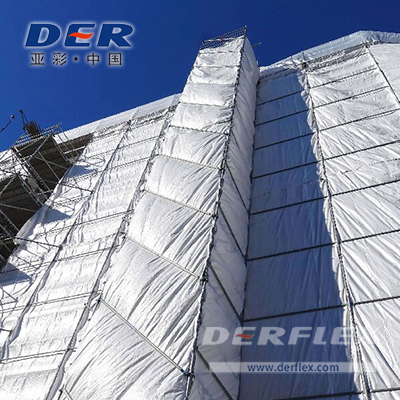
Construction
Jobsite tarps should be matched to scaffolding, temporary roof, equipment protection, debris control and installation exposure.
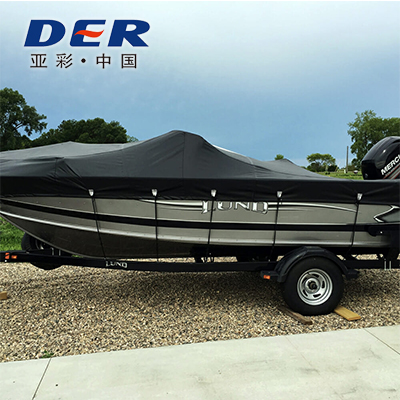
Marine Covers
Boat covers require fit, water runoff, humidity resistance, fastening design and appearance stability in outdoor environments.
DERFLEX manufacturing support for application-specific tarps
DERFLEX can review your application, expected service environment, material direction and finished design before production. Support can include PVC coated polyester, PE woven tarpaulin, mesh options, custom color, special surface finish, UV-resistant direction, flame-retardant direction, welding trials, edge reinforcement and export packing.
- Tarpaulin rolls for local fabricators and cover makers
- Cut panels, semi-finished tarp parts and finished custom tarps
- Private-label packaging for distributors and OEM tarp programs
- Sample review for weight, color, finish, weldability and reinforcement details
Look beyond thickness: check the whole structure
Thickness, GSM and ounce weight are useful, but they are not the only quality indicators. A practical tarp specification also includes base fabric, coating, seam method and reinforcement.
| Specification Item | Why It Matters | Common Buyer Mistake | Recommended Confirmation |
|---|---|---|---|
| Material structure | Base fabric and coating decide tear strength, waterproofing, weldability and outdoor performance. | Choosing only by color or price. | Confirm PVC, PE, mesh, canvas or project-specific coated fabric. |
| Weight / GSM / oz | Higher weight can improve durability, but handling, folding and frame strength must also be considered. | Assuming the heaviest tarp is always the right choice. | Match weight to wind, handling frequency, expected service time and installation. |
| Seam construction | Welded seams help support waterproof covers; sewn seams may need extra design for rain protection. | Ignoring seams when evaluating waterproof performance. | Confirm hot-air welding, HF welding, sewing or combined processing. |
| Reinforced edge | Many tarp failures start at grommets, corners and tie-down lines. | Focusing only on middle fabric strength. | Specify hem width, webbing, corner patch, rope edge or D-ring position. |
| Surface finish | Matte, glossy, lacquered, embossed or printable finishes affect appearance, cleaning and brand positioning. | Approving fabric without checking final surface use. | Request hand sample and application test before bulk order. |
| Packaging and repeat supply | Distributors and OEM buyers need stable repeat color, dimension, labeling and cartons. | Treating a custom program like a one-time stock purchase. | Define roll packing, folded packing, labels, barcode and pallet requirements. |
How DERFLEX helps buyers finalize a tarp specification
A clear inquiry reduces sampling time and helps DERFLEX recommend a practical material direction for your project.
Application review
Send photos, drawings, target use, outdoor exposure and installation method.
Material matching
DERFLEX reviews PVC, PE, mesh or specialty coated fabric direction.
Size planning
Confirm finished dimensions, drop, hems, pockets and tolerance requirements.
Sample approval
Check color, weight, hand feel, welding, grommets, label and packing.
Bulk production
Proceed with production, inspection and export-ready packing after approval.
Explore related tarp and coated fabric pages
These internal pages support material comparison, application selection and custom tarp sourcing.
Questions buyers ask when choosing a tarp
Short answers for buyers comparing material, size, waterproofing and custom tarp options.
How do I choose the right tarp material?
Start with the application. PVC coated polyester is suitable for heavy-duty waterproof and weldable tarps; PE woven tarp is useful for light and economical temporary covers; mesh tarp is suitable for shade and airflow; canvas or specialty fabric can be considered when breathability or special performance is required.
What size tarp do I need?
Measure the object length, width and height, then add side drop, overlap and tie-down allowance. For custom tarps, confirm finished size, hem width, pocket size, grommet spacing and tolerance before production.
Is PVC tarp better than PE tarp?
PVC tarp is often selected for heavier-duty, weldable and repeated outdoor use. PE tarp is lighter and more economical for temporary or short-term covers. The better choice depends on service time, exposure, handling frequency and budget.
What makes a tarp heavy duty?
A heavy-duty tarp is not defined by thickness alone. Important factors include base fabric strength, coating weight, tear resistance, waterproof surface, seam method, reinforced hems, grommets, corner patches and suitability for the application.
Can DERFLEX make custom tarp sizes?
Yes. DERFLEX can support tarp rolls, cut panels, semi-finished materials and finished custom tarps. Options can include custom size, color, GSM, surface finish, welded seams, grommets, webbing, D-rings, logo printing, labels and packing.
What information should I send for a tarp quotation?
Please send application, finished size or drawing, material direction, target weight, color, quantity, reinforcement details, grommet spacing, logo or label needs, packaging requirements and destination country.
Need help choosing a tarp for your application?
Send DERFLEX your material target, size, use environment, reinforcement details and quantity. Our team can help recommend a practical tarp material and custom fabrication direction for sampling and bulk supply.