Material system
Compare base fabric, PVC coating or laminated construction, nominal weight, surface finish, flexibility and application-specific options. “18 oz” or “650 gsm” alone does not describe the complete material.



A reliable truck tarpaulin manufacturer should be able to turn your truck type, cargo, route conditions, tarp system and replacement plan into a controlled specification—not just quote a generic “heavy duty tarp.” For B2B buyers, the strongest evidence is found in material transparency, seam and reinforcement design, hardware engineering, sample-to-bulk consistency, documented changes and repeat-order control.
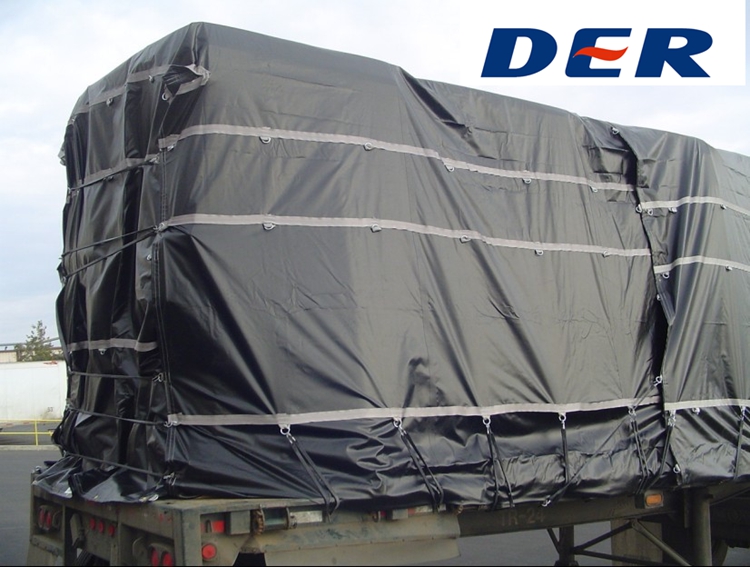
Select a manufacturer that can define the material construction, explain why the tarp fits your road conditions, show how seams and high-stress zones are built, connect test or inspection evidence to the quoted grade, and reproduce the approved sample in repeat production.
Long-haul truck tarps see wind pressure, vibration, repeated folding, cargo-edge abrasion, rain and road spray, tie-down force and frequent handling. A supplier can provide an acceptable fabric roll and still produce a poor finished tarp if the seam layout, reinforcement or hardware is wrong.
Compare base fabric, PVC coating or laminated construction, nominal weight, surface finish, flexibility and application-specific options. “18 oz” or “650 gsm” alone does not describe the complete material.
Review welded or sewn seams, hem structure, webbing, wear patches, D-ring rows, grommets, pockets, flaps and local reinforcement. These details often determine where the tarp fails first.
Fleet, distributor and OEM programs need the same approved geometry, color, material code, hardware placement, labels and packing when the next order is placed months later.
Use this as a procurement screening tool. Adjust the weighting to your cargo, route, destination market and commercial risk. A score does not replace product testing, contracts, factory audits or regulatory review.
| Evaluation Area | Weight | What to Verify | Evidence to Request |
|---|---|---|---|
| Truck application engineering | 12 | Does the supplier ask about truck type, cargo profile, route, weather, handling frequency and securement? | Requirement review, drawing comments, application questions, proposed tarp direction. |
| Material construction & evidence | 14 | Can the supplier identify the substrate, coating route, nominal GSM/oz, finish and relevant performance direction? | TDS, sample code, construction description, applicable test or inspection evidence. |
| Seams, reinforcement & hardware | 16 | Are welds, hems, webbing, patches, D-rings, grommets and stress zones designed around real force paths? | Finished-tarp photos, seam samples, hardware drawings, reinforcement layout. |
| Road-load engineering | 12 | Can the manufacturer discuss flapping, abrasion, sharp edges, drop height, driver handling and tie-down load? | Application guidance, previous construction examples, wear-zone recommendations. |
| Sample-to-bulk traceability | 10 | Can the approved sample be linked to bulk material, finished dimensions and fabrication details? | Sample code, approved drawing, revision record, retained reference or inspection checklist. |
| Custom fit & tarp-system integration | 10 | Can they work with flatbed drops, roller pockets, side curtains, dump tarp systems and non-standard geometry? | Measurement sheet, existing-sample replication process, system-specific drawings. |
| Batch & repeat-order consistency | 8 | How are color, material, dimensions, reinforcement and hardware kept consistent across reorders? | Product code, revision history, lot identification, bulk inspection records. |
| Commercial & change control | 8 | Are scope, exclusions, changes and production assumptions confirmed before manufacturing? | Itemized quotation, signed drawing or specification, written revision confirmation. |
| OEM / private-label control | 5 | Can labels, logos, SKU marks, packaging and reorder references be controlled as production inputs? | Artwork approval flow, packing specification, label sample, item-code process. |
| Export packing & documentation | 5 | Can shipping marks, cartons, pallets and destination documentation be coordinated for the actual order? | Proposed packing method, label format, document list and shipment-photo process. |
A professional truck tarpaulin supplier should be able to convert broad marketing words such as “heavy duty,” “waterproof” or “UV resistant” into measurable or inspectable production details.
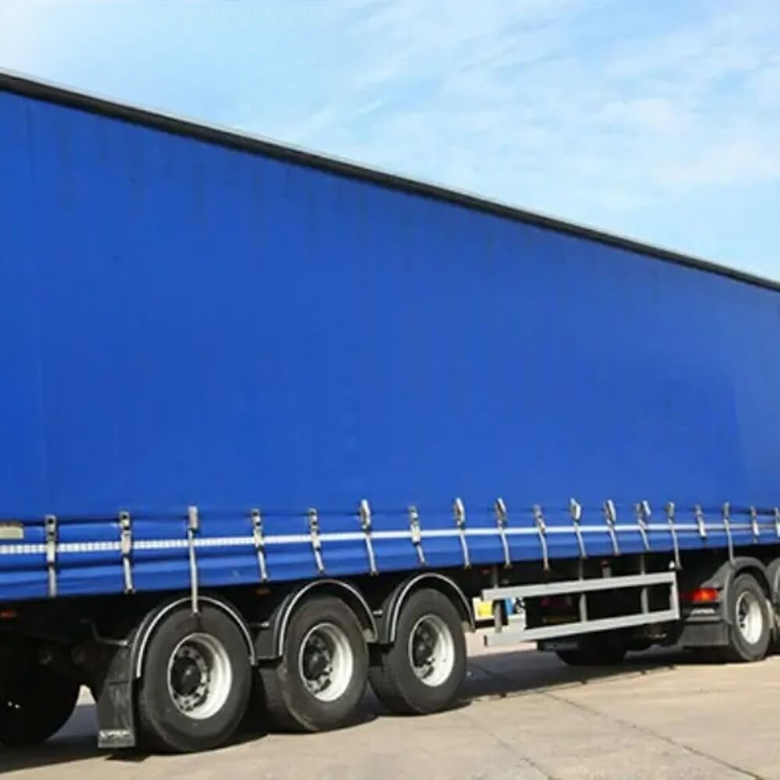
A supplier evaluation should follow the stress paths of the finished tarp. Even strong PVC truck tarpaulin fabric can fail early when the cover is loose, the cargo is sharp, the hardware concentrates tension or the reinforcement does not match the real tie-down pattern.
Ask how the supplier prevents excess loose fabric and how finished geometry, drops and tie-down positions are set to reduce repeated movement.
Steel, pipe, machinery and pallet corners can damage heavy material. Evaluate wear patches, sacrificial protection and the need for external edge protectors.
The hardware should transfer load into webbing or reinforced fabric instead of concentrating force into one thin edge. Review spacing, backing and load direction.
Large truck covers often need joined panels. Confirm the seam method, overlap direction, welding process and whether the design creates avoidable water-catching or flex-fatigue zones.
A sample should represent the intended bulk construction—not a generic swatch with similar color. Record the accepted features before bulk production begins.
Record product code, nominal weight, color, finish and material construction.
Check finished length, width, drop, flap, pockets, hems and critical hardware positions.
Review welds or stitching, webbing alignment, corner patches, D-rings, grommets and wear zones.
Make sure any test or performance documentation applies to the quoted or approved construction.
Use an approved drawing, sample code and revision level as the basis for bulk and future reorders.
| Application | Manufacturer Must Understand | What You Should Confirm |
|---|---|---|
| Flatbed general freight | Weather exposure, cargo envelope, handling weight, D-ring levels and daily deployment. | Finished dimensions, drop, reinforcement, tie-down rows, seam layout and practical handling. |
| Lumber / wallboard | Tall rectangular loads, deep drops, rear/front flaps, corner wear and frequent tensioning. | Drop depth, flap geometry, D-ring rows, abrasion zones and load-edge protection plan. |
| Steel / coils / machinery | Sharp edges, concentrated abrasion, irregular geometry and high-stress contact points. | Material structure, wear patches, corner reinforcement, custom shape and securing access. |
| Dump / roll tarp systems | Mesh versus solid material, roller path, pockets, bar/spline interface and loose-load containment. | System geometry, travel direction, pocket dimensions, edge reinforcement and airflow/waterproof priorities. |
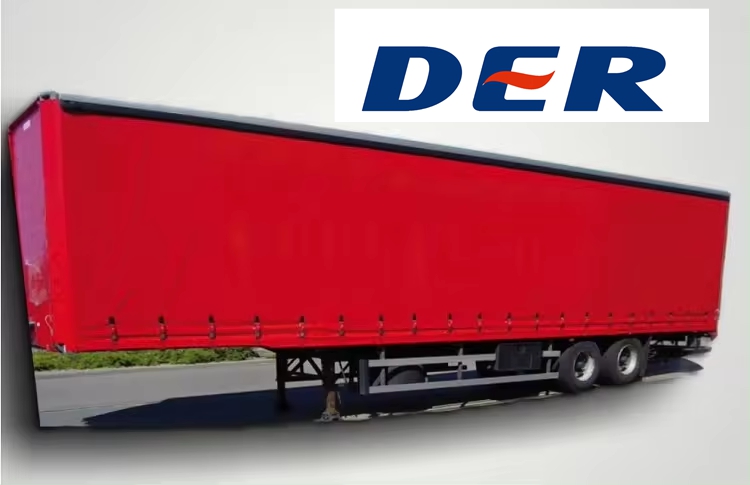
| Trailer / side curtain | Large panels, side tension, repeated opening, lower fastening line, printing and appearance consistency. | Fabric width, welding plan, dimensional stability, edge hardware, logo/color and replacement repeatability. |
| Fleet / OEM replacement program | SKU control, approved geometry, labels, batch consistency and long-term replacement logistics. | Master specification, retained reference, artwork, packing, revision history and reorder process. |
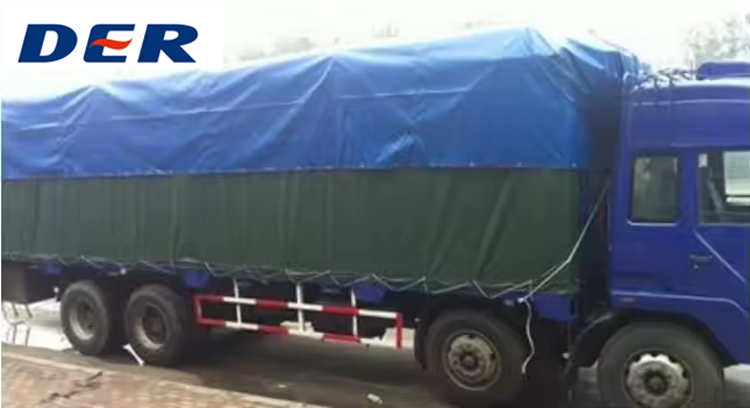
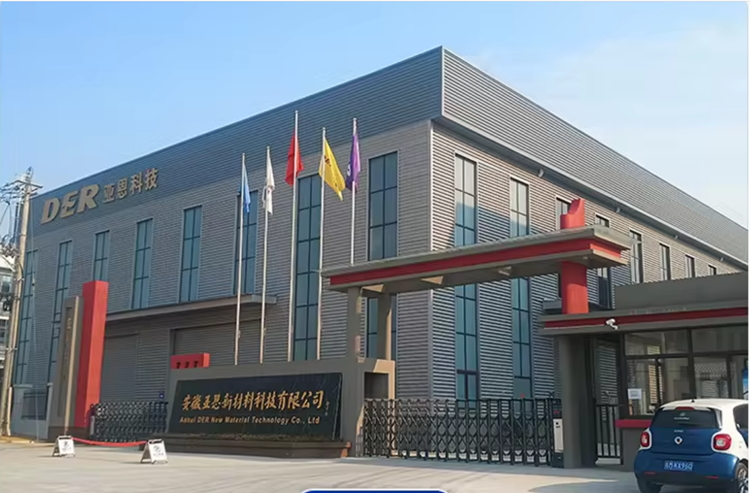
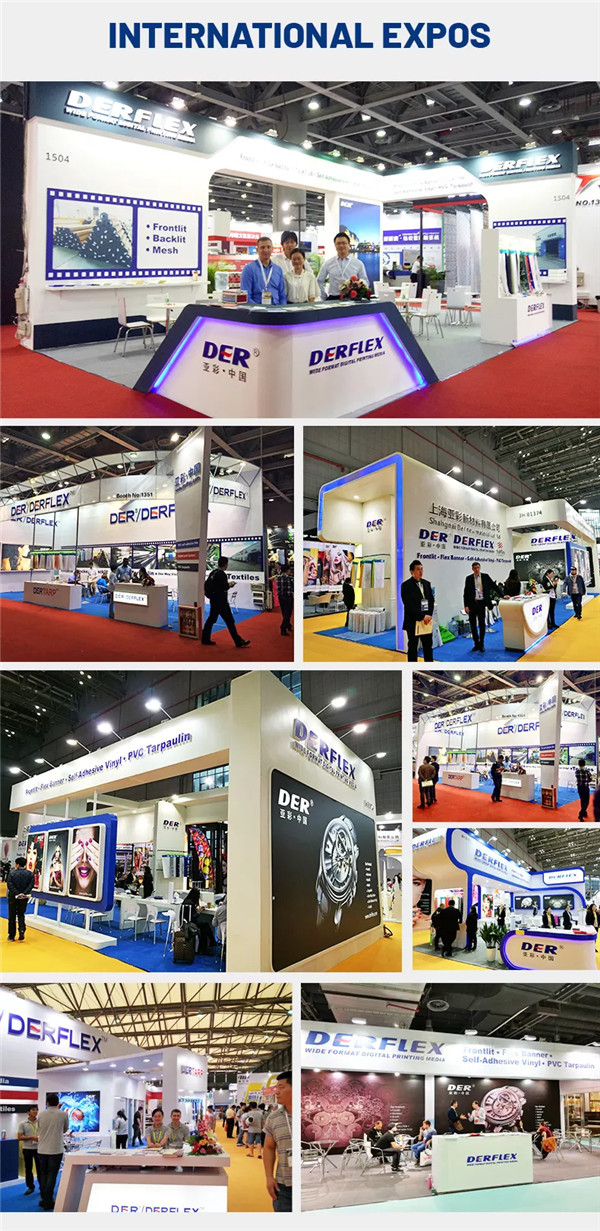
Product images are most useful when they show the actual cover geometry, tie-down arrangement, trailer application and manufacturing context rather than only a clean studio sheet.
The correct sourcing model depends on whether you need a standard replacement tarp now, a broad sourcing service, or a controlled OEM truck tarpaulin program.
Often suitable for a standard replacement where the correct size and construction are already in stock.
Can be useful when a buyer wants multiple product categories or sourcing coordination across factories.
Most relevant when material construction, custom fabrication, OEM details and repeatability are central to the program.
Weight matters, but base fabric, coating, seam construction, reinforcement and actual use conditions matter too.
Finished tarp geometry also depends on cargo height, drop, flap, overlap, pockets, roller allowance and hardware clearance.
A material sample does not verify seam quality, reinforcement placement, D-ring load paths or finished size.
Two offers with different hardware, seam methods, fabric structures, packing or finished dimensions should not be compared by unit price alone.
For fleets and distributors, the approved specification should remain identifiable so replacements do not start from zero every time.
If UV, cold-flex, flame-retardant or other performance is important, ask what test method or product evidence supports the quoted construction.
A, controlled RFQ makes quotations more comparable and reduces the risk of hidden assumptions.
DERFLEX’s current truck tarp program covers PVC coated polyester material, roll goods, cut or semi-finished panels and finished custom tarps. Project options can include custom weight, color, surface finish, welded seams, reinforced hems, webbing, grommets, D-rings, logo printing, labels and export packing.
Current DERFLEX truck-tarp pages present approximately 450–1100 gsm directions across different products. The final construction, MOQ, sample plan, lead time, performance requirements and test scope should be confirmed for the actual project rather than assumed from a generic range.
Core heavy duty truck tarp material and finished-cover page for transport applications.
Custom size, reinforcement, D-ring, grommet, logo and OEM truck tarp programs.
Flatbed tarp selection for lumber, steel, machinery and open-deck cargo protection.
PVC coated polyester material direction for truck covers, trailers and cargo protection.
Material and finished-cover considerations for manual, electric and system-integrated tarps.
Broader manufacturer audit framework covering materials, quality evidence, capacity and repeat orders.
Look for a supplier that asks detailed application questions, provides a clear material and fabrication specification, links samples to bulk production, explains inspection and change control, and can reproduce the same approved construction for repeat orders. Factory photos alone are not enough.
There is no single quality factor. Material construction, seam integrity, reinforcement, hardware placement, fit and the way the tarp is secured must work together. A heavier fabric cannot compensate for weak stress zones or poor geometry.
PVC coated polyester is commonly selected when waterproofing, strength, weldability and repeated outdoor use are priorities. Mesh may be more suitable for selected dump or loose-load applications where airflow and containment matter more than complete rain protection.
For custom, OEM, fleet or repeat-order programs, a representative sample or pilot is useful because it allows you to confirm material identity, finished dimensions, seams, reinforcement, hardware, appearance, labels and acceptance criteria before mass production.
Give both suppliers the same RFQ and compare only after the material construction, finished dimensions, reinforcement, hardware, fabrication, performance requirements, packaging and quantity assumptions are aligned.
Send the truck or trailer type, tarp system, finished size, cargo profile, target material or existing sample, color, reinforcement, D-ring or grommet layout, logo and packing requirements, quantity, destination and any required testing or inspection scope.
A useful quotation starts with the truck, cargo, finished geometry, material direction and reinforcement details. If you have an existing tarp, include photos, drawings or a reference sample.