Active supervision
Choose one capable adult to watch continuously, remain close enough to respond and avoid phones, reading, cooking or social distractions.



Safer inflatable pool use starts before the water goes in. This guide connects active adult supervision, access control, level-ground setup, water hygiene, product inspection and responsible OEM planning in one clear framework.
Safety covers, alarms, fences, flotation aids and swimming lessons can add protection, but none replaces close, undistracted adult supervision. Product instructions and local laws take priority over this general guide.
One rule is never enough. A practical inflatable pool safety plan combines several independent layers so that a single mistake is less likely to become an emergency.
Choose one capable adult to watch continuously, remain close enough to respond and avoid phones, reading, cooking or social distractions.
Use barriers, locked gates, alarms or ladder removal where appropriate, and empty smaller pools when they are no longer being actively used.
Prepare a level surface, inspect seams and valves, use the specified inflation method and stop at the marked water level.
Keep sick users out, remove debris, follow filtration instructions for larger pools and replace water frequently in small unfiltered pools.
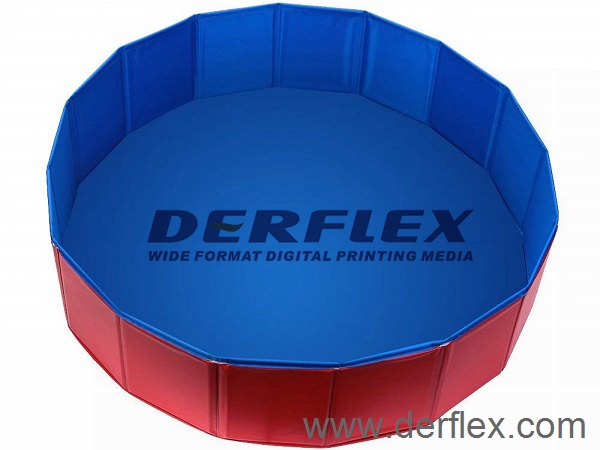
Complete a short setup inspection. A pool that looks ready can still have an uneven base, loose valve, hidden puncture, blocked drain or unsafe access route.
Use this sequence for a new pool, a pool brought out of storage or any pool moved to a different location.
Confirm intended age group, capacity, inflation method, fill level, required accessories, filtration instructions, warnings and any restrictions for the destination market.
Portable-pool fencing rules vary by country, state and municipality. Pool depth, wall height and duration of setup may affect the requirements.
Avoid slopes, soft ground, decks not rated for the water load, vehicle areas, overhead power lines, sharp landscaping and locations where drainage can damage property.
Remove stones, sticks, glass, tools and other puncture hazards. Use the ground cloth or base protection specified for the product; do not improvise with materials that create a slippery or unstable surface.
Look for seam separation, brittle areas, discoloration, punctures, damaged handles, loose warning labels, compromised drain parts and valves that do not seat correctly.
Use a compatible hand or electric pump and follow the pressure guidance. Do not use improvised hot-air tools or electrical appliances around wet areas, and avoid overinflation.
All rings, seats, backrests and support chambers should hold their intended shape. Close caps fully and keep valve access clear for later checks.
Stop if the waterline becomes uneven, walls lean or the base shifts. Never exceed the marked maximum fill line or use water depth to compensate for an unlevel site.
Move furniture, boxes and toys away from barriers so they cannot become climbing aids. Keep pumps, cords and electrical connections protected and away from splash zones.
Keep a phone, suitable rescue aid and first-aid supplies nearby. Adults responsible for pool use should know the emergency plan and consider current CPR training.
Explain the rules before play begins and apply them consistently to children, adults and guests.
| Safety area | ✓ Do | × Do not |
|---|---|---|
| Supervision | Use a named water watcher and formally hand over responsibility when adults switch. | Assume that “everyone is watching,” rely on an older child or leave briefly to answer a call. |
| Entry and movement | Enter and exit at the intended location; walk around the pool and keep the path clear. | Dive, jump from furniture, run on wet surfaces, climb on sidewalls or sit on an unsupported top ring. |
| User capacity | Follow the product’s age, water-depth and user-capacity instructions. | Overcrowd the pool, mix incompatible activities or treat an inflatable pool as a flotation or life-saving device. |
| Drains and fittings | Keep hair, clothing and body parts away from suction fittings and stop use if a cover is loose or missing. | Play near drains, modify fittings, block outlets or operate a filtration system with damaged parts. |
| Weather and heat | Leave the pool for lightning, high winds or severe weather; provide shade, hydration and sun protection. | Continue use during storms or allow users to remain in water that is uncomfortably hot or cold. |
| Flotation aids | Use appropriately fitted, approved flotation equipment where recommended for the activity. | Assume arm bands, rings, pool noodles or swimming lessons eliminate the need for supervision. |
| Alcohol and impairment | Keep the supervising adult attentive and able to respond immediately. | Assign supervision to anyone impaired by alcohol, drugs, fatigue or medication that affects alertness. |
A small unfiltered kiddie pool is not maintained in the same way as a larger inflatable or soft-sided pool with circulation and disinfection equipment.
These pools lose water rapidly through splashing and usually do not have filtration, making chemical dosing difficult to control.
Larger inflatable or portable pools may require circulation, filtration and carefully managed disinfection.
Warnings added at the end cannot correct a weak chamber layout, difficult drain, unstable wall, unclear capacity or material that has not been validated for the intended construction.
Define age grading, user capacity, expected water depth, household or commercial setting, supervision language and foreseeable misuse.
Review separate chambers, wall height, seat displacement, deformation under water load and how a local leak affects the overall shape.
Plan reinforcement zones, weld overlap, valve access, low-point drainage and user contact with caps, fittings and suction components.
Match PVC, reinforced PVC or selected TPU directions to welding, folding, ground abrasion, outdoor exposure, cleaning and target-market documentation.
Reserve visible areas for permanent warnings, maximum fill marks, setup diagrams, supervision statements, prohibited actions and language versions.
Agree prototype inspections, inflation and water-load checks, packing tests, third-party testing scope and how material or component changes are approved.
A precise brief helps suppliers quote the same product and helps the buyer identify gaps before sampling.
State target age, intended number of users, household or commercial use and destination market.
Provide external size, internal floor area, wall height, maximum water depth and capacity after seats or features are inflated.
Show air-chamber layout, inflation sequence, valves, seats, backrests, shade components, handles and drain position.
Share preferred PVC, reinforced coated fabric, TPU or open recommendation, along with thickness or GSM targets and welding method.
Identify retailer protocols, restricted-substance requirements, labeling rules, warning languages and third-party testing expectations.
Confirm manual, repair material, ground sheet, cover, pump, filter connections, storage bag and individual packaging.
Define seam and valve checks, air-retention review, water-holding or load checks, appearance criteria, packing inspection and acceptance sampling.
Move from safety planning to product type, user group, sizing, material and OEM development without splitting the same buying intent across thin pages.
General guidance for households and sourcing teams. Always follow the product manual, qualified safety advice and local requirements.
There is no depth that makes unsupervised water safe for a young child. Drowning can occur quickly and quietly in shallow water. Keep children within close, active adult supervision whenever water is present and prevent access when the pool is not being used.
For small pools without filtration, public-health guidance commonly recommends emptying the water at least daily, removing debris, rinsing and allowing the pool to air-dry. Drain sooner when the water is dirty, contaminated or no longer suitable for use.
No. Many covers are designed only to reduce debris and are not certified safety barriers. Use the access-control measures required for the pool and location, and never treat a cover, alarm or fence as a replacement for supervision while people are in or near the water.
Only when a qualified person has confirmed that the deck can safely support the full water, pool and user load and the product instructions allow that setup. Water is heavy, and a large pool can impose substantial structural load. A ground-level, flat, prepared site is often the more practical direction.
Stop use and keep people away. A leaning wall can indicate an unlevel surface, uneven filling, loss of air, material damage or structural overload. Drain safely and inspect the site, chambers, seams and valves before deciding whether the pool can be set up again.
Request intended age and capacity, maximum fill line, material and component specifications, chamber and seam drawings, warning artwork, instructions, test plan, applicable market standards, inspection criteria and change-control procedures. Final compliance should be confirmed for the destination market by the responsible supplier and qualified testing partners.
Share the intended users, pool dimensions, chamber layout, material direction, welding method, destination market, artwork, accessories and expected quantity. DERFLEX can review a practical material and sampling path for your custom program.