Laminated PVC Tarp
Pre-formed films are bonded around a reinforcing scrim.
PVC Film
Heat / pressure / bonding layer
Polyester Scrim
Heat / pressure / bonding layer
PVC Film



The right choice is not simply “cheap versus durable.” It depends on how the tarp will be fabricated, handled, exposed, cleaned, welded and replaced over its working life.
This practical guide compares PVC laminated tarps and PVC coated tarps for distributors, tarp fabricators, fleet operators, tent manufacturers, industrial buyers and OEM programs. Use it to define a specification before requesting samples or bulk pricing.
Both products normally combine a woven polyester reinforcement with PVC layers. The difference is how those layers are formed and joined to the scrim. In a laminated tarp, pre-formed PVC films are joined to the fabric with heat, pressure and a bonding system. In a coated tarp, a liquid PVC compound is applied directly to the fabric and cured into a continuous composite.
That manufacturing distinction influences surface feel, coating-to-scrim adhesion, flexibility, rigidity, abrasion behavior, production cost and the types of finished products the material handles well. However, base-cloth quality, yarn density, PVC formulation, coating weight, top finish and process control can matter as much as the process name.
Pre-formed films are bonded around a reinforcing scrim.
Liquid PVC is applied directly and cured around the scrim.
The following tendencies are common in the market. Final performance depends on the exact base fabric, PVC compound, weight, finish and production controls.
| Buyer Consideration | PVC Laminated Tarp | PVC Coated Tarp | Practical Selection Note |
|---|---|---|---|
| Construction | Pre-formed PVC films bonded to a polyester scrim. | Liquid PVC compound applied directly to the scrim and cured. | Specify the actual construction and bonding method, not only “PVC tarp.” |
| Typical Weight Direction | Often selected for lighter or medium-duty grades. | Often selected for medium- to heavy-duty grades. | Total GSM alone does not reveal base-cloth strength or coating quality. |
| Surface & Hand Feel | Can feel firmer, with a visible fabric pattern depending on film and scrim. | Often smoother and more pliable when correctly formulated. | Request a swatch because matte, glossy and embossed finishes change handling. |
| Repeated Folding | Suitable when the selected film and bond tolerate the required duty cycle. | Commonly preferred for frequent rolling, folding and flexing. | Conduct flex-fatigue and cold-fold testing for transport or winter use. |
| Abrasion Exposure | Can fit protected or moderate-contact uses. | Often selected for truck, industrial and repeated-contact environments. | Compare abrasion results and inspect the top finish. |
| Outdoor Weathering | Can be specified with UV and weather-resistant films for defined service conditions. | Commonly selected for long-term outdoor covers and high-use products. | Ask about UV formulation, colorfastness and cold-crack temperature. |
| Rigidity & Shape Holding | Often advantageous for products needing a firmer body. | Generally more conformable and flexible. | Bags, panels and shaped products may value stiffness more than drape. |
| Printing Surface | Film surfaces can provide a consistent printable face. | Printable options are available with the appropriate surface treatment. | Confirm ink system, adhesion, drying and expected outdoor exposure. |
| Welding & Sealing | Can provide a uniform film face for hot-air or HF welding. | Commonly used for welded heavy-duty covers and fabricated tarps. | Weldability depends on PVC formulation, topcoat and machine settings. |
| Initial Material Cost | Often lower for comparable general-purpose grades. | Often higher when heavier coatings and performance additives are used. | Compare cost per service cycle, not price per square meter alone. |
| Common Applications | Temporary covers, bags, advertising, liners, shelters and budget-sensitive products. | Truck covers, side curtains, industrial covers, tents, awnings and repeated outdoor use. | The correct grade should be matched to stress points and expected replacement frequency. |
Process type is only one variable. Professional buyers should evaluate the full material system.
Yarn denier, yarn tenacity, weave density and fabric construction drive tensile strength, tear behavior and dimensional stability.
The PVC layer must stay attached during flexing, welding, weathering and temperature changes. Peel testing helps reveal bond quality.
Plasticizers, stabilizers, pigments and functional additives influence flexibility, UV resistance, cold performance and processing.
Glossy, matte, lacquered, printable, anti-slip or easy-clean finishes change appearance, weldability, abrasion and maintenance.
Reinforced hems, webbing, seam layout, grommet spacing and stress-point design can determine whether a good fabric performs reliably.
Sharp edges, loose tension, dragging, unsuitable chemicals and improper storage can shorten the useful life of either material.
Use these starting points, then confirm the choice with a sample and application-specific testing.
Your product benefits from a film-based structure, controlled cost or firmer handling.
Your product is exposed to repeated movement, abrasion and demanding outdoor conditions.
These are procurement starting points rather than fixed rules. Final specifications should reflect climate, load, fabrication and service life.
Typical direction: coated PVC polyester with appropriate base-cloth strength, abrasion resistance, UV package and reinforced finishing.
Typical direction: laminated or coated material, selected by expected reuse, wind load, installation method and target budget.
Typical direction: laminated constructions can be useful when stiffness, shape retention or a uniform film surface is desired; sealing tests remain essential.
Typical direction: coated material for repeated outdoor use, friction and cleaning; laminated grades may fit lighter protected environments.
Typical direction: choose by cover duration, UV exposure, chemical contact, handling frequency and resistance to puncture around stored materials.
Typical direction: laminated film surfaces or printable coated surfaces can both work; confirm ink compatibility, color consistency and outdoor durability.
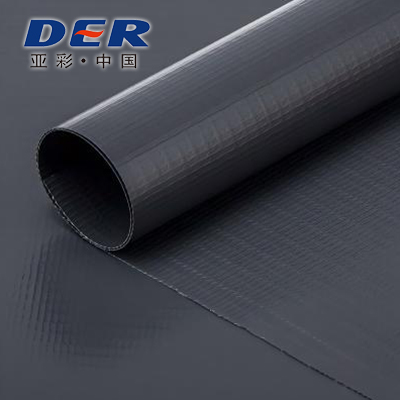
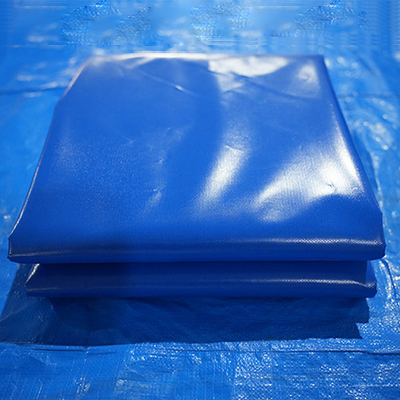
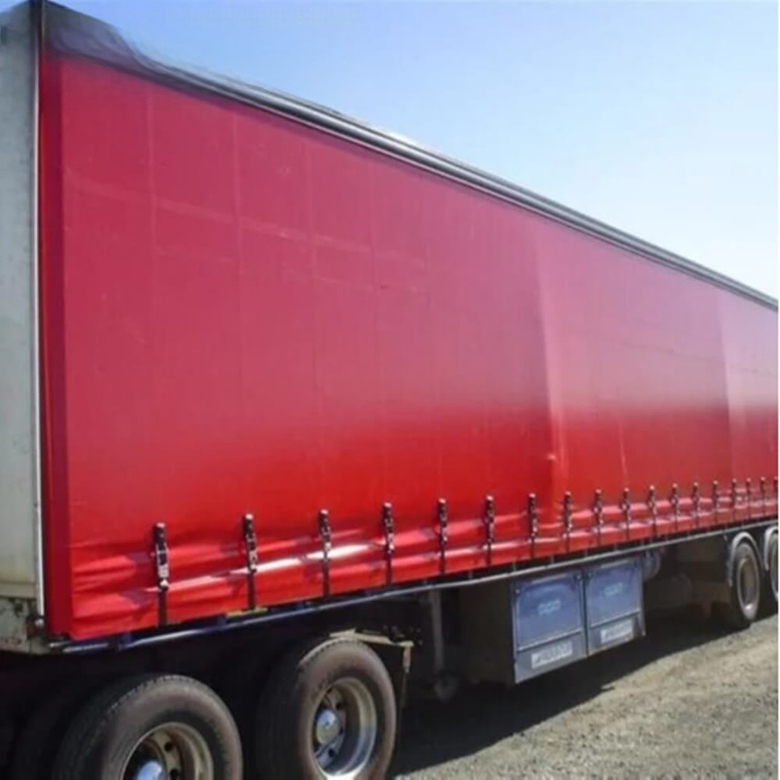
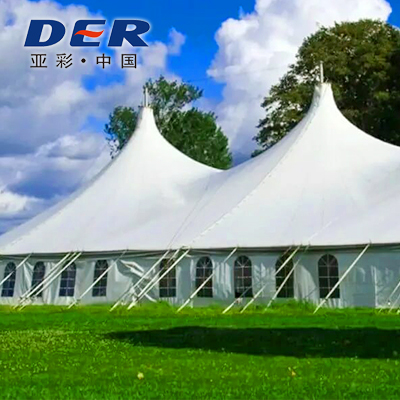
Examples of laminated fabric, coated tarp material and fabricated outdoor applications. Final color, surface, weight and construction can be discussed by project.
A clear brief allows a manufacturer to compare laminated and coated options against the same performance target. It also reduces the risk of comparing products that only appear similar in photos or GSM.
DERFLEX supplies PVC tarpaulin materials for distributors, converters, truck-cover fabricators, tent manufacturers, industrial cover producers and OEM buyers. The goal is to match the production route to the finished application rather than push one construction into every project.
Buyers can discuss common tarpaulin weight ranges, custom width, color, matte or glossy surfaces, UV-resistant formulations, flame-retardant directions, anti-mildew treatment, printing needs, roll packing and finished-tarp fabrication. Availability and final performance should be confirmed for the selected grade and order plan.
Use these related pages to review material families, heavy-duty grades, truck-cover applications and bulk sourcing options.
Clear answers for buyers comparing material construction, performance and sourcing.
Send your application, climate, fabrication method, target GSM, width, color, quantity and performance requirements. DERFLEX will help you define a practical sampling direction for your purchasing program.
 Request a Quote
Final specification, availability and performance are subject to material confirmation, sample testing and agreed order requirements.
Request a Quote
Final specification, availability and performance are subject to material confirmation, sample testing and agreed order requirements.