News
Industry News

PE Tarps vs PVC Tarps for Industrial Buyers | DERFLEX

Update:2026/7/13 19:22:15 Views:
Industrial Tarpaulin Material Selection
Material comparison for B2B sourcing

PE Tarps vs PVC Tarps

Choose by workload, exposure and replacement risk—not by color or unit price alone. This guide helps importers, distributors, contractors, fabricators and industrial buyers decide when lightweight PE is practical and when reinforced PVC tarpaulin creates a more stable cover program.

Exact performance depends on yarn structure, lamination or coating quality, UV formulation, seams, edge reinforcement, installation and use environment.

Temporary covers Truck & trailer tarps Construction protection Agriculture storage OEM roll supply
PE priority Low handling weight

Useful where crews need fast installation, folding and temporary coverage.

PVC priority Repeated-use strength

Better aligned with abrasion, tension, welding and demanding outdoor service.

Buyer metric Cost per use

Compare replacement frequency, labor and failure impact—not purchase price alone.

DERFLEX supply Rolls or finished tarps

Custom material, color, processing, reinforcement, labels and export packing.

The practical answer

Neither material wins every job.

PE tarps are usually the practical choice for light, mobile, short-duration and price-sensitive protection. Their lower weight can reduce manual handling effort and make storage simpler when covers are installed and removed frequently.

PVC tarps are commonly selected when a cover must resist repeated tie-down tension, wind movement, cargo friction, jobsite abrasion, cleaning, welding or longer outdoor exposure. The reinforced polyester base and PVC surface support a wider range of industrial fabrication details.

For professional purchasing, the better question is not “Which material is better?” It is “Which material produces the lowest acceptable risk and total cost for this exact application?”

Product image display

Material and Application Views

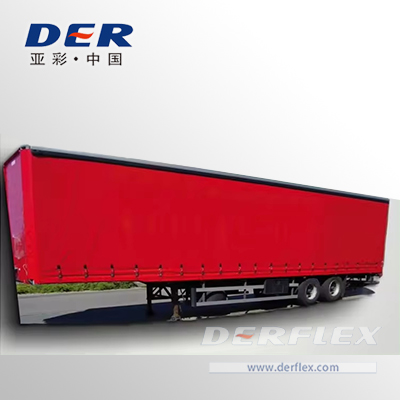
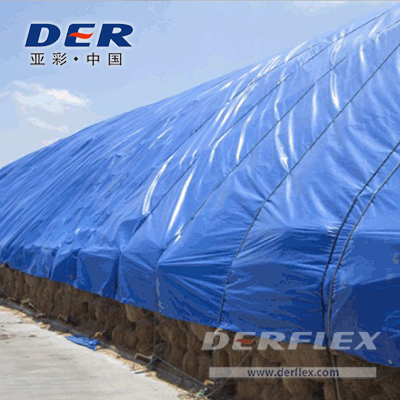
Actual DERFLEX website images show the visual difference between lightweight woven PE covers, reinforced PVC tarpaulin, coated-fabric production and finished application formats.

Side-by-side procurement matrix

PE Tarp vs PVC Tarp: What Changes in Real Use?

The table below is designed for buyers preparing samples, specifications and supplier quotations. It avoids treating all PE or all PVC products as identical grades.

Decision factor PE tarp PVC tarp Procurement implication
Typical construction Woven polyethylene structure with laminated PE film layers. Polyester base fabric with PVC coating or laminated PVC layers. Ask for base yarn, weave, layer structure and finished weight—not only “poly” or “vinyl.”
Handling Generally lighter, easier to fold, carry and deploy. Generally heavier and more substantial, depending on GSM and fabric construction. Include installer count, cover size, lifting limits and storage space in the selection.
Initial cost Usually lower for basic temporary grades. Usually higher because of reinforced fabric and coating structure. Use unit price for short jobs; use cost per service cycle for repeat-use programs.
Tear & abrasion Suitable for low-stress protection when correctly tied and kept away from sharp edges. Commonly selected for dragging, cargo contact, wind movement and reinforced fastening zones. Review corner contact, tie-down load, wind whip and handling frequency before choosing.
Water protection Can provide waterproof surface protection; seam and edge quality remain important. Can provide waterproof surface protection and supports welded seam construction. Finished-cover leakage often starts at seams, punctures, grommets or poor installation—not the sheet face.
UV & weather UV-stabilized grades are available; commonly used for shorter exposure cycles. UV, anti-mildew, cold-flexibility and surface-treatment options can be specified for demanding exposure. Tell the supplier the destination climate, outdoor months, storage orientation and cleaning method.
Fabrication Heat-sealed and stitched formats are possible, with options depending on grade. Suitable for hot-air welding, high-frequency welding, sewing, webbing and reinforced panels. Confirm the converter’s equipment and process before approving roll material.
Branding Printing is possible on selected grades; surface consistency may vary by structure. Printable and lacquered surface options support fleet graphics and private-label product lines. Approve color, ink compatibility, adhesion and appearance with a production-representative sample.
Repair strategy Often replaced when low-cost covers are heavily damaged. Can be patched, welded or reinforced when the remaining structure is still serviceable. For fleet and industrial use, define whether field repair or full replacement is more economical.
Best-fit purchasing logic Temporary, low-risk, light-duty and replacement-acceptable applications. Reusable, high-stress, fabricated and specification-controlled applications. Select the least complex structure that still meets safety, durability and commercial requirements.

Material anatomy

Why Similar-Looking Tarps Behave Differently

Material structure determines how a tarp reacts to tension, folding, puncture, welding, sunlight and repeated installation.

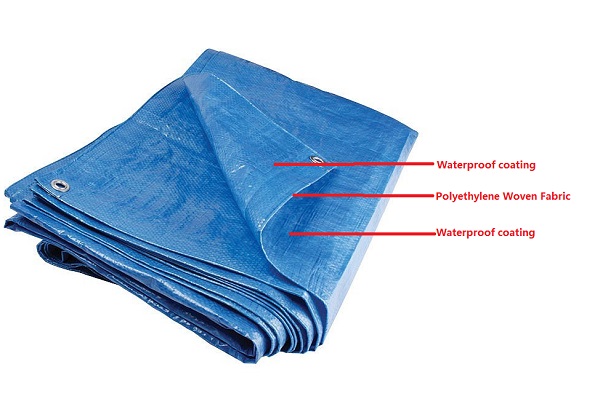
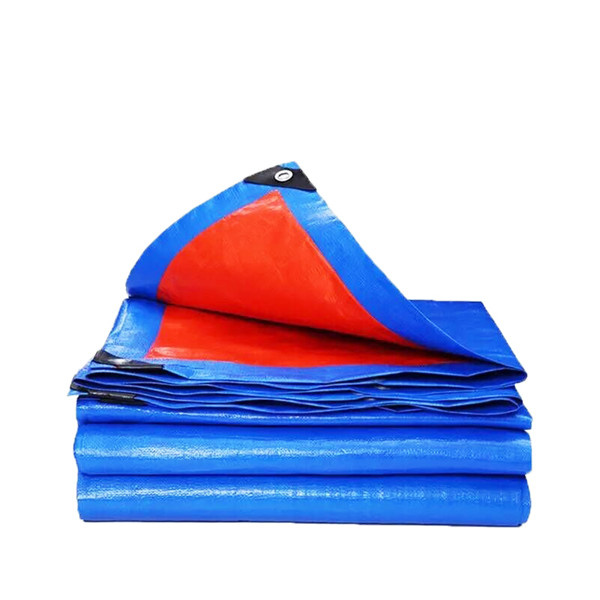
Folded polyethylene tarpaulin product

PE: woven strips plus film lamination

Most PE tarpaulins use a woven polyethylene structure that is laminated on both faces. The result is a light sheet that can be folded compactly and manufactured economically.

  • Low weight supports quick manual installation.
  • Performance depends strongly on weave density, film adhesion and UV package.
  • Punctures and edge tears can expand under tension if the fastening layout is unsuitable.
  • A practical fit for temporary and low-abrasion protection.
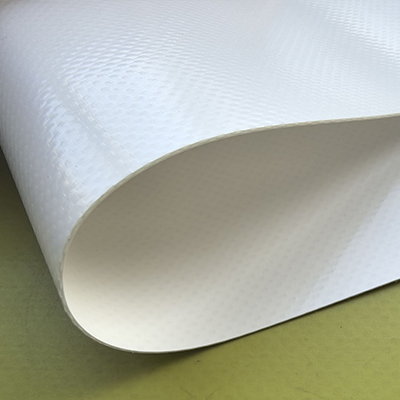
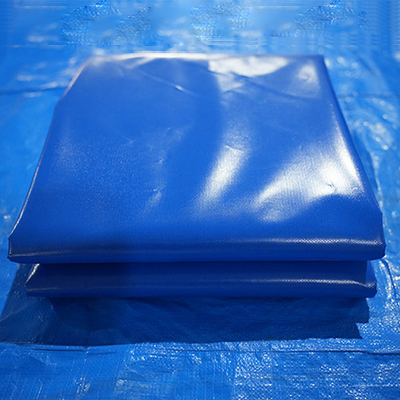
Heavy duty PVC tarpaulin material samples

PVC: polyester reinforcement plus flexible coating

PVC tarpaulin commonly uses high-tenacity polyester as the load-bearing core. PVC layers create the weather-facing surface and allow industrial welding and finishing.

  • Polyester yarn structure contributes tensile and tear performance.
  • Coating formula affects flexibility, abrasion, weathering and cleaning.
  • Welded seams, webbing, D-rings, eyelets and corner patches support custom fabrication.
  • A practical fit for transport, industrial and repeat-use protection.

A tarp is a system, not only a sheet.

Waterproofing, edge life and wind stability also depend on seam method, reinforcement, grommet spacing, tie-down geometry, corner protection and installation tension. A heavier material cannot compensate for a poor finished-cover design.

Total cost model

Compare Cost Per Protection Cycle

A lower purchase price can be the correct decision for a temporary job. It becomes expensive only when the application requires repeated replacements, extra labor or carries a high failure consequence.

Simple buying equation

Total cover cost ÷ successful service cycles = cost per protection cycle

Add installation labor, removal time, disposal, repair, downtime and damaged-goods risk when those costs are relevant. This approach often explains why PE performs well in one application while PVC is more economical in another.

1

Purchase price

Material, finishing, packaging, freight and import cost.

2

Installation labor

People, lifting, tie-down time and site access complexity.

3

Replacement frequency

Expected cycles before puncture, edge failure or unacceptable weathering.

4

Failure consequence

Cargo damage, downtime, safety exposure or emergency replacement.

Failure-mode audit

Choose the Material Around the Damage You Expect

The most useful supplier conversation begins with the way the previous cover failed. Photos of damage are often more informative than a generic request for a “heavy-duty tarp.”

Edge tearing

Often linked to insufficient hem strength, poor grommet spacing, excess tension or sharp contact points.

Review: webbing, rope-in-hem, patches and tie-down layout.

Wind whip

Loose covers repeatedly flex and strike the cargo or frame, accelerating fatigue and puncture.

Review: fit, tension, material weight and restraint points.

Abrasion holes

Dragging, vibration and unprotected corners wear through the surface over time.

Review: PVC structure, wear pads and corner guards.

UV embrittlement

Surface cracking or loss of flexibility can follow prolonged sunlight exposure in unsuitable grades.

Review: UV package, color, climate and exposure duration.

Seam leakage

Stitch holes, incomplete welding or stressed joints can leak even when the material face is intact.

Review: welding trials, seam overlap and process control.

Inconsistent repeat orders

Changes in hand feel, color, weight or roll dimensions disrupt fabrication and customer expectations.

Review: approved sample, tolerances and batch records.

Application selector

Which Tarp Fits the Job?

These are practical starting directions. Final selection should reflect size, climate, stress, fastening, legal requirements and the buyer’s acceptable replacement interval.

Emergency cover

PE first

Fast deployment, light handling and lower initial cost generally matter more than repeated-use life.

Short construction job

PE / PVC

PE may suit low-abrasion temporary protection; PVC becomes relevant when wind, sharp edges or reuse increases.

Truck & trailer cover

PVC first

Road vibration, wind, fastening and cargo friction favor a reinforced, weldable structure.

Agriculture storage

By season

PE can serve seasonal use; PVC may suit long exposure, repeat handling and reinforced anchoring.

Machinery cover

PVC first

Custom fit, abrasion, cleaning and long-term outdoor protection usually require controlled fabrication.

Private-label tarp line

Portfolio

Many distributors use economy PE and professional PVC ranges to cover different customer budgets and workloads.

Request-for-quotation checklist

Send Enough Information to Receive a Useful Recommendation

“Please quote blue tarp” produces a price, but not necessarily a suitable product. A complete inquiry reduces sampling rounds and helps the factory compare PE and PVC on the same operating conditions.

Application and environment

  • What is being covered, contained or transported?
  • Indoor, outdoor, transport or temporary shelter use?
  • Expected service period and reuse frequency?
  • Sun, rain, snow, humidity, cold or chemical contact?
  • Wind exposure and tie-down method?
  • Sharp corners, dragging or repeated folding?

Product and commercial details

  • Finished size or roll width and roll length?
  • Target GSM, thickness or existing sample?
  • Color, finish, print or private-label requirement?
  • Welding, sewing, eyelets, webbing or reinforcement?
  • Trial quantity, container plan and repeat demand?
  • Destination market, packing and test-document needs?
Specification note: DERFLEX’s published factory information discusses PVC and PE tarpaulin programs, common industrial PVC weights in the 350–1200 gsm range, selected width options up to 5.10 m, and custom processing. Final availability and tolerances should be confirmed for each order.

From material choice to a repeatable supply program

DERFLEX can discuss PE laminated tarpaulin, PVC coated polyester, roll goods, cut panels and finished tarp programs. The supply route can include sample confirmation, color and surface approval, welding evaluation, reinforcement design, inspection points and export packing.

Why DERFLEX

A Material-Matching Approach for Industrial Buyers

The objective is not to push the heavier material into every order. It is to align material structure, processing and commercial expectations with the real use condition.

PE and PVC discussion

Compare lightweight laminated PE with reinforced PVC coated polyester according to application risk.

Roll or finished format

Support converters requiring roll goods and buyers requiring fabricated covers or panels.

Custom specification

Discuss weight, width, color, finish, UV direction, flame-retardant needs and packing.

Fabrication details

Coordinate welding, sewing, hems, eyelets, webbing, ropes, patches and printed branding.

Sample validation

Review hand feel, color, coating, lamination, weldability and use-specific performance before bulk supply.

Repeat-order control

Define approved references, tolerances, roll marks and packaging details for ongoing programs.

OEM/private label

Coordinate labels, cartons, rolls, marks and brand presentation for distributor product lines.

Export communication

Prepare quotation inputs, production confirmation and shipping coordination for international buyers.

Development workflow

Five Steps from Comparison to Bulk Order

A controlled process is particularly useful when replacing a failed tarp, launching a private-label range or changing from PE to PVC.

STEP 01

Use audit

Define exposure, stress, duration, failure history and acceptable budget.

STEP 02

Material direction

Compare PE and PVC structures with realistic performance targets.

STEP 03

Sample review

Check color, hand feel, weight, welding, fastening and application fit.

STEP 04

Order definition

Confirm tolerances, processing, labels, packing, inspection and quantity.

STEP 05

Repeat supply

Retain approved references and update the specification when field data changes.

Frequently asked questions

PE Tarps vs PVC Tarps FAQ

What is the main difference between PE tarps and PVC tarps?

PE tarps are usually made from woven polyethylene with laminated film layers, creating a lightweight and economical cover. PVC tarps normally use polyester reinforcement with PVC coating or lamination, creating a stronger, weldable and more fabrication-friendly material for demanding applications.

Are PE and PVC tarps both waterproof?

Both can provide waterproof surface protection when correctly manufactured. Finished-cover performance also depends on seams, punctures, grommets, reinforced edges, installation and maintenance. For large reusable covers, welded PVC seams are commonly used where better sealing is required.

Which tarp is better for long-term outdoor use?

PVC coated polyester is commonly selected for longer or more demanding outdoor use because it can be specified for abrasion, UV exposure, repeated handling and reinforced fabrication. A properly selected PE tarp can still be practical for s, horter exposure, seasonal protection and low-stress applications.

Is a heavier tarp always more durable?

No. Finished weight is only one variable. Yarn strength, weave, coating or lamination adhesion, UV formulation, edge reinforcement, seam method and installation determine how the tarp performs. Two tarps with similar GSM can behave differently under wind or abrasion.

Which tarp should be used for trucks and trailers?

PVC coated polyester is generally the starting direction for truck and trailer covers because it supports welding, reinforcement, repeated fastening and resistance to road movement and cargo friction. Final GSM and construction should be selected for trailer design, load, climate and expected service cycle.

Can DERFLEX supply custom PE and PVC tarpaulin?

DERFLEX can discuss PE laminated tarpaulin, PVC coated tarpaulin, roll goods, panels and finished tarp programs. Custom options can include weight, width, color, surface, UV or flame-retardant direction, welding, hems, eyelets, webbing, printing, labels and export packing, subject to order requirements.

Send the application—not only the tarp name.

Share the cover size, use environment, expected service period, current failure problem, target quantity and processing requirements. DERFLEX can compare a practical PE or PVC tarpaulin direction and prepare a project-based quotation.

Consulting Services
+86-021-54361792 / 54361798
Email
sales@derflex.com