News
Industry News

PVC Tarpaulin vs PE Tarpaulin: Which One Is Better? | DERFLEX

Update:2026/7/7 18:21:45 Views:
DERFLEX Material Selection Guide

PVC Tarpaulin vs PE Tarpaulin: Which One Is Better?

For industrial buyers, the better tarpaulin is not always the cheaper one or the heavier one. It is the material that fits the load, weather exposure, installation method, service cycle and procurement plan. This guide compares PVC tarpaulin and PE tarpaulin so you can choose the right cover for truck fleets, construction sites, agriculture, storage and OEM fabrication.

  • PVC tarpaulin: stronger direction for long-term, heavy-duty, welded and reusable covers.
  • PE tarpaulin: practical direction for short-term, lightweight and budget-sensitive protection.
  • Key decision: total cost per use, not only first purchase price.
  • DERFLEX support: specification matching for roll goods, panels and custom tarps.
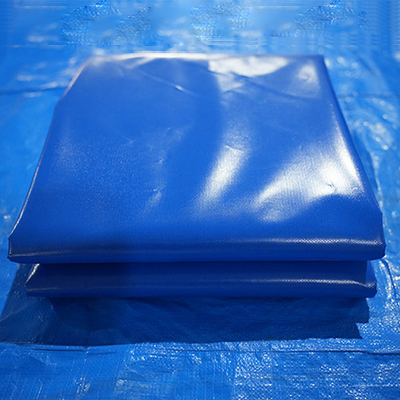
DERFLEX heavy duty PVC tarpaulin material display

Quick Buying Answer

Choose PVC when failure risk, wind load, abrasion, edge tension and long outdoor exposure matter. Choose PE when the job is temporary, light-duty and price-sensitive.

PVCHeavy-duty / reusable direction
PELightweight / temporary direction
Roll SupplyFor converters and fabricators
OEMColor, GSM, width, packing

So, Which One Is Better?

PVC tarpaulin is usually the better choice for demanding industrial use such as truck covers, trailer tarps, tents, construction covers, outdoor storage, heavy equipment covers and reusable fabricated tarps.

PE tarpaulin is usually better for temporary protection where low weight, simple handling and lower first cost are more important than long service life or high mechanical strength.

When PVC Wins

Longer Outdoor Service

PVC coated polyester fabric is selected when the cover must resist repeated rain, sunlight, wind, folding, welding and handling.

When PE Wins

Temporary Cost Control

PE tarpaulin can be a practical option for short seasonal covers, quick protection jobs and markets where low first cost is the main driver.

Procurement Logic

Match the Risk Level

If replacement labor, cargo damage or downtime costs more than the material difference, PVC often becomes the more practical long-term option.

Material Structure

What Is the Difference Between PVC Tarpaulin and PE Tarpaulin?

PE tarpaulin is commonly made from woven polyethylene strips with polyethylene film or coating. It is light, flexible and economical, which makes it useful for general covers, temporary storage and quick protection.

PVC tarpaulin is typically made by coating or laminating high-strength polyester fabric with PVC. The polyester base cloth provides mechanical strength, while the PVC layer supports waterproofing, abrasion resistance, weldability, weather protection and custom surface finishing.

1For repeated tension, pulling and edge reinforcement, compare base fabric, yarn density and tear strength before choosing.
2For welded seams or fabricated covers, PVC is normally easier to specify for hot-air welding and high-frequency welding routes.
3For temporary covers that will be replaced often, PE may fit the budget and handling requirement better.
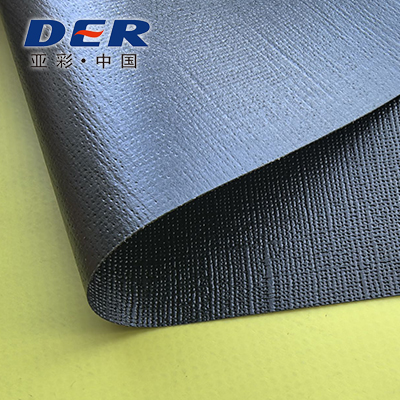
DERFLEX PVC coated fabric structure for trailer tarpaulin
PVC coated fabric structure for trailer and outdoor cover fabrication
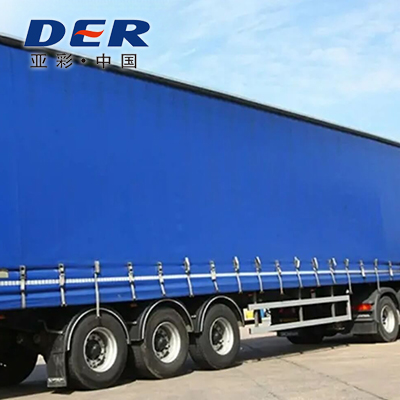
DERFLEX truck tarpaulin application using PVC coated fabric
Truck side curtain and logistics cover applications
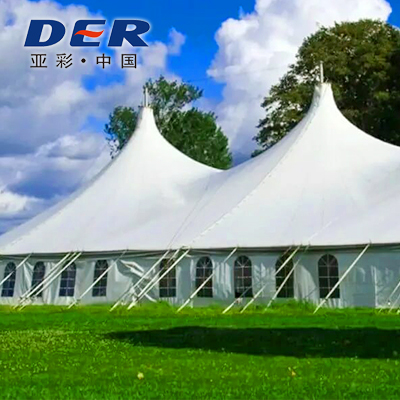
PVC tarpaulin for tent and shelter applications
Tent, shelter and outdoor structure applications
Heavy duty PVC tarpaulin surface close view
Heavy duty waterproof PVC tarpaulin material display
Head-to-Head Comparison

PVC Tarp vs PE Tarp: Practical Buyer Comparison

The table below is written for importers, distributors, tarp fabricators and project buyers who need a material decision before quotation.

Selection Factor PVC Tarpaulin PE Tarpaulin Practical Buying Note
Material structure Polyester base fabric with PVC coating or PVC laminated layers. Woven polyethylene base with PE film or coating. Ask suppliers to confirm real structure, not only product name.
Durability Stronger direction for repeated outdoor, industrial and mechanical stress. Moderate direction for general and temporary use. For long-term covers, evaluate service life and replacement cost together.
Weight and handling Heavier; better stability but needs more effort for large panels. Lighter; easier to move, fold and install for temporary jobs. Large covers may need lifting, crew handling or installation planning.
Waterproofing Continuous PVC surface supports reliable waterproof protection, especially with welded seams. Waterproof or water-resistant depending on construction and coating quality. Finished tarp waterproofing also depends on seam, edge and eyelet design.
Tear and abrasion resistance Usually stronger, especially with high-tenacity polyester and reinforced edges. More vulnerable to puncture or tearing under high stress. Truck covers, equipment covers and sharp-edge loads often require PVC.
UV and weather exposure Can be formulated for stronger UV, anti-mildew, cold-resistance and flame-retardant directions. Can include UV treatment, but is usually selected for shorter exposure cycles. For hot climates or long outdoor use, confirm UV grade and expected exposure.
Fabrication Suitable for hot-air welding, high-frequency welding in selected structures, sewing, hems and hardware. Usually used for simpler cut-and-finish or basic cover formats. Fabricators should test welding parameters before mass production.
Cost logic Higher first cost; often better when service cycle and risk are considered. Lower first cost; practical for budget-focused temporary covers. Calculate cost per month or cost per use instead of price per piece only.
Common applications Truck tarps, trailer covers, tents, shelters, construction covers, industrial curtains, agriculture covers. Temporary ground covers, short-term storage covers, light construction covers, simple agriculture covers. Choose by application load, not only by material name.
Application Decision

Which Tarpaulin Should You Choose for Your Project?

Different markets need different material logic. The same buyer may use PE for temporary stock covers and PVC for long-life fabricated products.

01

Truck Covers & Trailer Tarps

Choose PVC tarpaulin when covers face wind, highway movement, repeated tying, abrasion and cargo protection requirements.

  • Recommended focus: tear strength and edge reinforcement
  • Useful materials: PVC coated polyester fabric, truck tarp material
  • Related: truck tarp manufacturer
02

Construction Site Covers

PE can serve short-term dust or material covers. PVC is more suitable when the cover is exposed longer or must handle repeated installation.

  • Recommended focus: UV, waterproofing and puncture resistance
  • Consider reinforced hems, grommets and welding
  • Related: construction tarp guide
03

Agriculture & Outdoor Storage

PE is commonly chosen for seasonal covers. PVC fits longer-life farm equipment covers, grain storage, irrigation covers and exposed storage areas.

  • Recommended focus: anti-mildew, UV and rain protection
  • Choose by exposure time and replacement cycle
  • Related: waterproof tarp material
04

Tents, Shelters & Awnings

PVC tarpaulin is normally preferred where appearance, weldability, flame-retardant direction and long outdoor exposure are part of the specification.

  • Recommended focus: surface finish and seam stability
  • Matte, glossy, embossed and lacquered options can be discussed
  • Related: PVC tarpaulin material
05

Industrial Curtains & Equipment Covers

PVC coated fabric is often selected for factory partitions, equipment covers, dust barriers, warehouse curtains and machine protection.

  • Recommended focus: abrasion resistance and cleaning
  • Optional anti-static or flame-retardant directions
  • Related: PVC coated fabric
06

Retail, Temporary & Low-Budget Covers

PE tarpaulin can be the practical choice for light, temporary and price-sensitive covers where frequent replacement is acceptable.

  • Recommended focus: GSM, weave density and UV treatment
  • Confirm finished size and eyelet spacing
  • Upgrade to PVC when tear failure risk increases
Industrial Use Matrix

Recommended Direction by Working Condition

This matrix helps purchasing teams turn a general question into a material specification before sampling.

High Wind / Truck Speed

Prefer PVC. Focus on tear strength, weldable seams, reinforced hems and hardware layout.

Short-Term Rain Cover

PE may fit. Useful when the cover is temporary, easy to replace and not exposed to heavy abrasion.

Repeated Folding

Prefer PVC. Ask about flexibility, cold resistance and coating adhesion for repeated use.

Budget Promotion

PE may fit. Suitable when the buyer needs a low-cost temporary product line.

Custom Roll Supply

Prefer PVC. Width, GSM, color, surface, roll length and OEM packaging can be matched for converters.

Long Outdoor Storage

Prefer PVC. Discuss UV, mildew resistance and coating route before final production.

Light Farm Cover

PE or PVC. Use PE for seasonal protection; use PVC for reusable equipment or storage covers.

Welded Finished Tarp

Prefer PVC. Confirm welding method, seam test, edge reinforcement and finished size tolerance.

Specification Guide

How to Specify PVC Tarpaulin Instead of Asking for “Heavy Duty” Only

“Heavy duty” can mean different things in different markets. A useful RFQ should describe application, material structure and performance expectations.

For PVC Tarpaulin Roll Goods

When sourcing PVC tarp roll for fabrication, include these details in your inquiry:

  • Application: truck cover, tent, construction cover, agriculture, curtain or OEM product
  • Target GSM and thickness direction
  • Base fabric: denier, yarn density or strength requirement if available
  • Roll width, roll length and total quantity
  • Color, surface finish, embossing, matte or glossy preference
  • Optional performance: UV, flame-retardant direction, anti-mildew, cold resistance or anti-static
  • Fabrication method: hot-air welding, high-frequency welding, sewing, grommets or webbing

For PE Tarpaulin Buying

When PE is the practical choice, confirm the details that affect actual value:

  • Finished size vs cut size and tolerance
  • GSM, weave density and laminated film thickness
  • UV treatment direction and expected exposure cycle
  • Eyelet spacing, reinforced corners and edge construction
  • Color, packaging, quantity and destination market
  • Whether the product is for one-time, seasonal or repeated use
  • Replacement plan if used in high wind or rough working conditions
Cost Per Use

Do Not Compare Only Price Per Square Meter

A PE tarpaulin may look more attractive when comparing first purchase price. That can be correct for short-term, low-risk cover jobs. But for truck fleets, project covers, equipment protection or repeated outdoor use, the purchasing team should also calculate labor, replacement frequency, cargo risk and downtime.

PVC tarpaulin normally has a higher material cost, but its stronger structure, better fabrication compatibility and reusable service direction can make it more practical when the cover is part of a working system rather than a disposable sheet.

ROI

Simple Buying Formula

Material choice should be based on the cost of protection over the expected service cycle.

  • If the cover is used for days or weeks: PE may be enough.
  • If the cover is used for months or years: PVC should be evaluated.
  • If failure may damage cargo, equipment or project schedule: choose the stronger specification direction.
  • If the cover must be welded, branded, reinforced or repeatedly installed: PVC is usually easier to engineer.
Why DERFLEX

PVC Tarpaulin Support for B2B Buyers

DERFLEX focuses on PVC coated fabrics, tarpaulin materials and industrial textile solutions for buyers who need more than a generic sheet. Our team helps match material structure to application, fabrication route and market requirement.

  • Factory-direct PVC tarpaulin and coated polyester fabric supply
  • Custom GSM, width, color, finish and roll packing discussion
  • Support for roll goods, cut panels, finished tarps and OEM programs
  • Application-based recommendation for truck, tent, agriculture, construction and industrial covers
  • Related resource: truck tarp manufacturer
Material EngineeringPVC coated or laminated polyester fabric matched by application, weight, width, coating route and surface finish.
Fabricator SupportRoll goods and custom specification support for cutting, welding, hemming, eyeleting and downstream production.
OEM Supply LogicColor, packaging, roll label, private-label direction and repeat-order consistency can be discussed by project.
Industrial ApplicationsTruck covers, tents, shelters, construction tarps, agriculture covers, industrial curtains and equipment protection.
FAQ

Frequently Asked Questions About PVC Tarpaulin vs PE Tarpaulin

Clear answers for buyers comparing material options before sampling or quotation.

Is PVC tarpaulin better than PE tarpaulin?

PVC tarpaulin is usually better for heavy-duty, long-term and reusable applications because it offers stronger tear resistance, abrasion resistance, weldability and outdoor durability. PE tarpaulin can be better for temporary, lightweight and lower-cost cover jobs.

Is PE tarpaulin waterproof?

PE tarpaulin can provide waterproof or water-resistant protection depending on its woven structure, film lamination and coating quality. For demanding waterproof finished covers, seam and edge design are also important.

What is PVC tarpaulin made of?

PVC tarpaulin is typically made from high-strength polyester base fabric coated or laminated with PVC. The base fabric provides mechanical strength, while the PVC layer supports waterproofing, weather resistance, surface durability and fabrication compatibility.

Which tarpaulin is better for truck covers?

PVC tarpaulin is normally the preferred direction for truck covers and trailer tarps because it handles higher tension, repeated tying, abrasion, wind load and welded or reinforced edge construction better than typical lightweight PE covers.

Which tarpaulin is better for construction sites?

PE tarpaulin may be suitable for short-term dust, rain or material covers. PVC tarpaulin is more suitable for long exposure, repeated installation, scaffold covers, temporary roof covers or covers exposed to higher mechanical stress.

Does PVC tarpaulin cost more than PE tarpaulin?

In most cases, PVC tarpaulin has a higher first purchase cost because of its coated polyester structure and heavier-duty performance direction. However, the final buying decision should consider service cycle, replacement frequency, labor and failure risk.

Can DERFLEX customize PVC tarpaulin specifications?

Yes. DERFLEX can discuss custom GSM, width, color, roll length, surface finish, coating or lamination route, performance treatment, OEM packaging and finished tarp requirements according to the application and order plan.

What information should I send for a quotation?

Please send the application, material preference, target GSM, roll width, roll length, color, surface finish, required performance, fabrication method, annual demand, order quantity and destination port. Photos or existing samples are helpful for matching.

Need Help Choosing PVC or PE Tarpaulin?

Send DERFLEX your target application, exposure condition, width, GSM, fabrication method and quantity. Our team will help recommend a practical material direction for sampling and quotation.

Consulting Services
+86-021-54361792 / 54361798
Email
sales@derflex.com