News
Industry News

Self-Adhesive Aluminum Foil Film Manufacturer | DERFLEX

Update:2026/9/16 17:19:58 Views:
Peel-and-Stick Surface Film · OEM Roll Supply

Self-Adhesive Aluminum Foil Film

A foil-faced or metallic surface film combined with a pressure-sensitive adhesive and release liner for smooth-surface protection, renovation, decorative covering and selected OEM converting programs.

DERFLEX helps B2B buyers define the product as a complete construction—not simply as “silver sticker film.” Specify the real face material, substrate, adhesive behavior, release liner, roll format, application surface and expected heat / cleaning environment before sample approval.

Aluminum Foil / Metallized Surface Direction Pressure-Sensitive Adhesive Release Liner Kitchen & Furniture Surfaces OEM Roll & Packaging Discussion
DERFLEX aluminum foil laminated material showing foil-faced composite construction
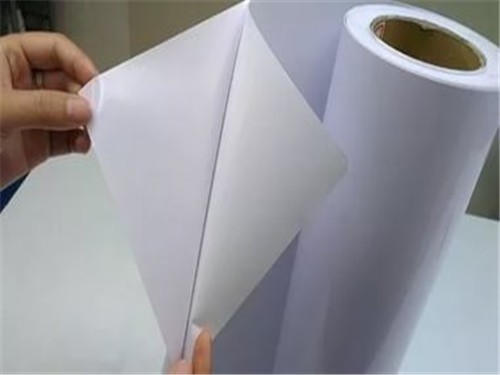
DERFLEX self adhesive film roll with release liner being peeled back
DERFLEX-hosted material references: foil-faced composite + pressure-sensitive roll construction. Final self-adhesive aluminum foil film should be confirmed from the project sample and specification.
Direct Answer

What Is Self-Adhesive Aluminum Foil Film?

Self-adhesive aluminum foil film is a peel-and-stick surface material in which an aluminum-foil or metallic-looking face is combined with a pressure-sensitive adhesive protected by a release liner. Depending on the end use, the face may be real aluminum foil, aluminum foil laminated to a polymer support, or a metallized polymer film that produces a foil-like appearance.

For professional purchasing, those constructions should not be treated as interchangeable. Real foil can provide a true metallic barrier surface but may crease more easily; metallized PET or PVC directions can offer different flexibility, appearance and converting behavior. The adhesive and liner must also match the surface, installation method and removal expectation.

Product Identity

Three “Aluminum Foil Film” Constructions Buyers Commonly Confuse

The search term mixes decorative, protective and industrial products. Clarifying the structure first avoids buying the wrong material for the surface or converting process.

01

Real Foil-Faced Adhesive Film

Uses an aluminum foil surface or foil laminated to a supporting layer, then adds pressure-sensitive adhesive and release liner. Appropriate where a true foil surface is part of the specification. Crease behavior, pinholes, edge durability and adhesive compatibility should be checked.

02

Metallized PET / Polymer Film

Uses a polymer film with a metallic appearance rather than a comparatively thicker foil sheet. It can be useful where appearance, flexibility and roll handling matter. Do not assume it has the same barrier, heat or electrical properties as real aluminum foil.

03

Reinforced or Industrial Adhesive Foil

May combine foil with PET, scrim, fabric, paper or another backing for handling strength, moisture direction, insulation facing or industrial conversion. This is closer to DERFLEX's broader aluminum foil laminated material family and should be specified separately from decorative kitchen contact film.

Buyer-Oriented Specification

Build the Specification Around the Surface and Use Environment

DERFLEX recommends defining the complete roll construction before discussing price. Exact dimensions and performance values should be confirmed against the selected sample rather than assumed from a generic market listing.

Specification Item Available / Discussable Direction Buyer Guidance
Face Material Aluminum foil, foil-laminated polymer, metallized PET / polymer direction, decorative metallic surface depending on project State whether the project requires real foil performance or mainly a silver metallic appearance.
Surface Finish Bright, matte, embossed, textured or other approved reference Approve appearance under real lighting; high gloss can show dents, wrinkles and surface defects more clearly.
Adhesive Permanent, removable or application-specific pressure-sensitive direction, subject to substrate testing Adhesion to painted metal, glass, laminated board and plastic can differ significantly. Test the actual substrate.
Release Liner Paper or film liner direction according to converting and application needs Liner stability matters for slitting, die cutting, sheet conversion, storage and clean peel during installation.
Thickness / Construction Project-specific; confirm after selecting foil / film support, adhesive and liner system Do not compare only total thickness. Separate face, support, adhesive and liner when evaluating two suppliers.
Roll Width & Length OEM roll planning can be discussed according to material structure and production requirements Choose width around panel size, seam planning, slitting yield, carton dimensions and installer workflow.
Functional Direction Cleanable surface, moisture-resistant direction, oil-splash protection, reflective appearance, barrier / industrial direction where validated Claims such as fireproof, heat-resistant or shielding should be tied to the exact tested construction and required standard.
OEM Packaging Core, label, carton, private label, barcode and destination-market packing can be discussed Lock the packaging specification together with the film so repeat orders remain commercially consistent.

Final product values depend on the approved construction. Confirm all project-critical data, test methods and compliance documents before bulk order.

Construction Logic

Treat the Film as a Four-Layer System

A film that looks correct can still fail if the support, adhesive or liner is mismatched. For OEM sourcing, each layer should have a defined job.

Layer 1

Foil / Metallic Face

Provides the visible metallic surface and, where real foil is used, contributes the material properties associated with aluminum.

Layer 2

Support / Lamination

PET, PVC, paper, fabric, scrim or another support may be used to change handling, tear behavior, flexibility and dimensional stability.

Layer 3

Pressure-Sensitive Adhesive

Controls initial tack, final bond, edge holding and potential removability. Compatibility must be verified on the actual surface.

Layer 4

Release Liner

Protects the adhesive before installation and affects roll winding, storage, slitting, die cutting and peel behavior.

  • For decorative surface programs: prioritize appearance, cleanability, bubble control, edge behavior and repeatable rolls.
  • For foil barrier programs: verify the real foil structure, pinhole / crease sensitivity and any required barrier data.
  • For heat-exposed areas: specify the expected surface temperature and distance from the heat source before sample selection.
  • For removable applications: test residue, paint compatibility and removal behavior after realistic dwell time.
Application Selection Matrix

Which Self-Adhesive Foil Film Direction Fits the Job?

The room name is not enough. Surface chemistry, texture, heat, cleaning frequency, edge geometry and expected service life should drive the sample choice.

Application Film Direction to Evaluate Primary Buying Checks Risk to Control
Kitchen backsplash / splash zone Cleanable metallic / foil-faced self-adhesive surface film Oil and water cleaning, smoothness, adhesive on tile / metal / sealed panel, seam planning Do not equate “metallic” with certified heat or fire performance. Keep away from unverified high-temperature zones.
Cabinet / drawer / shelf liner Flexible decorative foil-look film with stable liner Cutting, corner handling, abrasion, removability, adhesive residue, appearance under indoor lighting Raw wood, dusty board and textured laminates can produce weak or uneven bonding.
Furniture / retail fixture resurfacing Decorative metallic self-adhesive film selected around panel geometry Large-area appearance, roll width, edge wrap, scratch visibility, batch consistency Wrinkles and substrate defects are more visible on bright metallic finishes.
Smooth metal / appliance side panels Pressure-sensitive foil / metallic film compatible with the painted or metal finish Surface cleaner compatibility, adhesive tack, temperature cycle, removal expectation Test on coatings; some finishes or low-energy surfaces may not bond reliably.
Packaging / protective liner conversion Foil or metallized film construction matched to conversion process Barrier requirement, flex cracking, liner release, die cutting, roll tension, seal / tape process Decorative kitchen grades should not be assumed to provide packaging-barrier data.
Industrial reflective / insulation-facing use Reinforced foil laminate or reflective insulation material rather than a generic decorative contact film Backing strength, lamination bond, moisture direction, radiant-barrier design, installation method Use a dedicated foil laminate structure. See DERFLEX's reflective insulation material page.
Image Pack

DERFLEX Foil, Adhesive & Interior Surface Material References

The images below are hosted on DERFLEX.com and show the related material families that matter when building a self-adhesive foil specification. They should be used as material references; the final project construction should be approved from a physical sample.

DERFLEX aluminum foil laminated fabric and foil faced roll materials
Foil-faced material family. Real foil, supporting substrate and lamination structure influence handling and end-use performance. Decorative peel-and-stick film may use a different support and adhesive system.
Self adhesive roll film with pressure sensitive adhesive and peelable liner
Pressure-sensitive roll construction. A stable release liner protects the adhesive and supports slitting, storage and clean application.
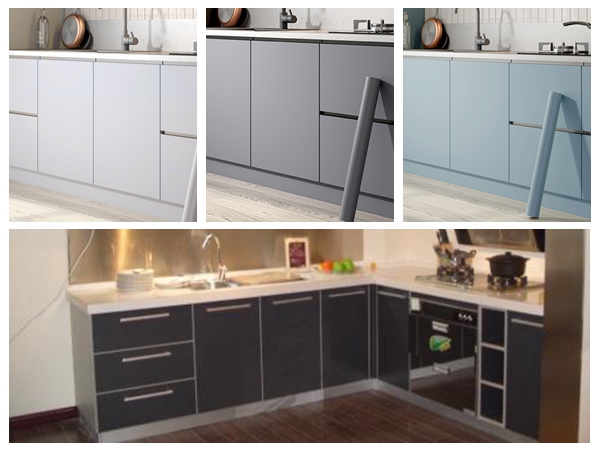
DERFLEX decorative self adhesive film used on kitchen cabinet surfaces
Kitchen / cabinet surface context. For large-area interior applications, test adhesion, edge behavior and cleanability on the real substrate rather than only on a small glass coupon.
DERFLEX reflective aluminum foil insulation surface close up
Reflective foil surface reference. Bright foil appearance does not by itself define heat resistance, insulation value or fire behavior; those claims require the exact construction and test basis.
Surface Compatibility

Adhesion Starts with the Substrate, Not the Glue Strength

DERFLEX already publishes broader guidance for self-adhesive vinyl applications. The same purchasing principle applies here: qualify the real surface before assuming that a stronger adhesive will solve contamination, porosity or texture.

Usually Easier to Qualify

Smooth glass, clean painted metal, stainless steel, sealed laminate and other flat non-porous surfaces are generally easier starting points for pressure-sensitive application—subject to actual adhesive testing.

Needs Application Testing

Painted MDF, powder-coated metal, acrylic, PVC board, appliance finishes and coated panels can vary in surface energy, plasticizer content and coating chemistry. Use the actual production substrate for the sample test.

High-Risk Without Preparation

Raw wood, dusty plaster, chalky paint, heavily textured walls, oily surfaces, loose coatings and porous unfinished boards can cause bubbles, weak contact or edge lift. Surface preparation is part of the product system.

Kitchen safety note: a peel-and-stick aluminum foil film should not be installed on open flame zones, burners, flue components or other surfaces above the verified service-temperature limit. If a project requires fire or high-temperature performance, request the exact test report / standard for the selected grade instead of relying on “foil” appearance.
Installation & Conversion

Seven Steps That Reduce Bubbles, Edge Lift and Visual Distortion

Professional roll buyers should define the installation method during sampling. The best-looking foil face can still perform poorly if surface preparation, seam planning or application pressure is inconsistent.

1

Identify the real substrate

Record surface material, coating, texture, age and cleaning history. Do not approve only on generic test panels.

2

Clean without leaving residue

Remove oil, wax, dust and incompatible cleaners using a method that will not attack the substrate or leave a low-surface-energy film.

3

Plan seams and heat zones

Measure the area, avoid unnecessary joints in splash zones and identify locations where the expected surface temperature is highest.

4

Apply with controlled pressure

Peel the liner gradually and squeegee from the center outward. Bright metallic surfaces can show trapped air and wrinkles more clearly.

5

Do not over-stretch foil layers

Real foil and foil laminates may crease or work-harden differently from flexible vinyl. Use the sample to determine suitable handling.

6

Finish edges deliberately

Corners, cut-outs and edge returns often fail before flat areas. Confirm whether the grade is intended for face-only coverage or wrapping.

7

Inspect after dwell and use

Recheck edges, bubbles, adhesive reaction, cleaning response and appearance after realistic time and temperature exposure.

Material Comparison

Self-Adhesive Aluminum Foil Film vs. Foil Tape vs. Insulation Facing vs. Decorative Vinyl

These materials can all appear silver, but they solve different problems. This distinction is useful for buyers, converters and project teams comparing search results.

Self-Adhesive Foil Film

Large-area peel-and-stick sheet / roll material with foil or metallic face, adhesive and liner.

Best fit: smooth-surface protection, renovation, decorative covering and selected OEM film conversion.

Aluminum Foil Tape

Narrow adhesive tape product designed mainly for seams, joints, repairs, sealing and HVAC-related work.

Best fit: localized bonding and seam work rather than full furniture / wall resurfacing.

Foil Insulation Facing

Foil laminated to woven, non-woven, paper, bubble, foam or other backing for building / HVAC / industrial systems.

Best fit: reflective insulation, vapor-barrier and reinforced facing systems where the complete assembly is engineered.

Decorative PVC Film

Printed or colored polymer surface film, sometimes self-adhesive, focused mainly on appearance and interior resurfacing.

Best fit: cabinets, furniture, doors, retail fixtures and patterned interior decoration such as wood grain self-adhesive film.
Common Procurement Mistakes

Six Errors to Remove Before Bulk Ordering

Most avoidable problems start before production—when “silver adhesive film” is treated as a complete specification.

1. Assuming every silver film is aluminum foil

Metallized PET, metallic PVC and real aluminum foil can look similar in photos. State which construction is required and why.

2. Calling it “fireproof” without a test basis

Metal appearance does not make the whole laminate fireproof. Adhesive, support and liner are part of the construction.

3. Ignoring kitchen heat gradients

A cabinet side panel and a surface next to a burner do not see the same temperature. Define the actual exposure before material approval.

4. Testing only on glass

Excellent adhesion to glass does not predict performance on painted MDF, powder coating, plastic or textured wall finishes.

5. Comparing total thickness only

Two rolls with the same total thickness can use different face, adhesive and liner constructions and therefore install very differently.

6. Forgetting roll yield and seam planning

Correct width, slit plan and panel layout can reduce joints and offcuts more effectively than simply choosing the lowest unit price.

B2B RFQ Checklist

What to Send DERFLEX for a More Accurate Quotation

A useful RFQ should describe the complete finished application. This lets the material team compare foil / metallized directions and propose a sample without guessing from a generic product name.

,
Information to Provide Example of a Useful Buyer Input Why It Changes the Quote / Sample
End Use Kitchen backsplash, cabinet liner, furniture panel, appliance surface, packaging liner, industrial conversion Determines whether the priority is appearance, cleanability, barrier, flexibility, heat environment or conversion behavior.
Surface / Substrate Glazed tile, stainless steel, painted metal, laminated MDF, sealed wood, acrylic, PVC board Adhesive performance depends heavily on surface energy, porosity, texture and coating chemistry.
Face Requirement Real aluminum foil required / metallic silver appearance acceptable / embossed / matte / bright Prevents substitution between visually similar but technically different material families.
Heat & Cleaning Environment Maximum expected surface temperature, proximity to heat source, cleaning chemical / frequency Helps rule out grades that are unsuitable for the actual service condition.
Adhesive Expectation Permanent, removable, repositioning during installation, low residue after removal Changes adhesive chemistry and sample evaluation method.
Roll Plan Required width, roll length, quantity, slitting, core, maximum roll diameter Controls production planning, material yield, packing and downstream converting.
OEM Requirements Private label, carton artwork, barcode, instruction sheet, destination market Packaging should be approved with the film—not added as an afterthought after production.
Compliance / Test Documents Required fire, chemical, migration, barrier or market-specific standard if applicable Only verified reports for the exact construction should be used for project approval.
Why DERFLEX

A Useful Supplier Conversation Starts with Material Structure

DERFLEX already works across aluminum foil laminated materials, pressure-sensitive vinyl and decorative surface films. For this product direction, that matters because the buyer needs to coordinate the metallic face, support layer, adhesive, liner, roll format and end-use surface—not purchase a visual finish in isolation.

Foil & Lamination Perspective

DERFLEX's existing foil-laminated material program covers foil, metallized film and multiple support-layer concepts, which provides a practical reference when a project moves beyond simple decorative contact film.

Pressure-Sensitive Film Experience

DERFLEX's printable self-adhesive vinyl range demonstrates the broader pressure-sensitive film family, including the importance of face film, adhesive and backing / liner choices.

Frequently Asked Questions

Self-Adhesive Aluminum Foil Film FAQ

Is self-adhesive aluminum foil film made from real aluminum foil?

It can be, but the market term is used loosely. Some products use real aluminum foil, some use foil laminated to PET / another support, and others use metallized polymer film for a silver appearance. Professional buyers should ask for the exact layer construction instead of assuming the material from the product name.

Is self-adhesive aluminum foil film waterproof?

The foil or polymer face can provide a water-resistant surface, but the complete installation depends on seams, cut edges, substrate condition and adhesive. Do not interpret a water-resistant face as a fully waterproof assembly unless the system has been designed and tested for that purpose.

Can aluminum foil sticker film be used behind a stove?

Only if the exact grade is suitable for the expected surface temperature and any applicable fire / building requirements. Do not place a generic peel-and-stick film on open flame zones, burners, flue parts or other high-temperature surfaces without verified product data.

What surfaces can peel-and-stick aluminum foil film adhere to?

Smooth, clean, stable and non-porous surfaces are usually easier to qualify than dusty, porous or heavily textured surfaces. Glass, metal, sealed panels and some coated boards can be good candidates, but the actual adhesive must be tested on the real substrate before bulk approval.

What is the difference between self-adhesive aluminum foil film and aluminum foil tape?

Self-adhesive foil film is typically supplied as a wider sheet or roll for covering larger surfaces. Aluminum foil tape is usually a narrow tape used for seams, joints, repairs and localized sealing. Their adhesive, backing and performance specifications may be different.

What information should I send for an OEM quotation?

Send the end use, substrate, whether real foil is required, surface finish, adhesive expectation, expected temperature / cleaning environment, required width and roll length, quantity, packaging needs, destination market and any mandatory test or compliance document.

Can DERFLEX supply a metallic decorative film instead of real aluminum foil?

DERFLEX works with multiple film and laminated material families. If the project mainly needs a metallic appearance rather than a real foil layer, state that clearly in the inquiry so a polymer / metallized direction can be evaluated separately from true foil-faced constructions.

Define the Surface Before You Ask for the Price

Send DERFLEX the application, substrate, foil / metallic-face requirement, adhesive expectation, heat environment, roll dimensions, quantity and destination. A sample-first specification makes supplier comparison and repeat ordering much more reliable.

Consulting Services
+86-021-54361792 / 54361798
Email
sales@derflex.com