| Face Material |
PVC decorative vinyl / self-adhesive decorative film; confirm the exact grade with DERFLEX for the project. |
Controls handling, print/emboss appearance, conformability and the finished feel. |
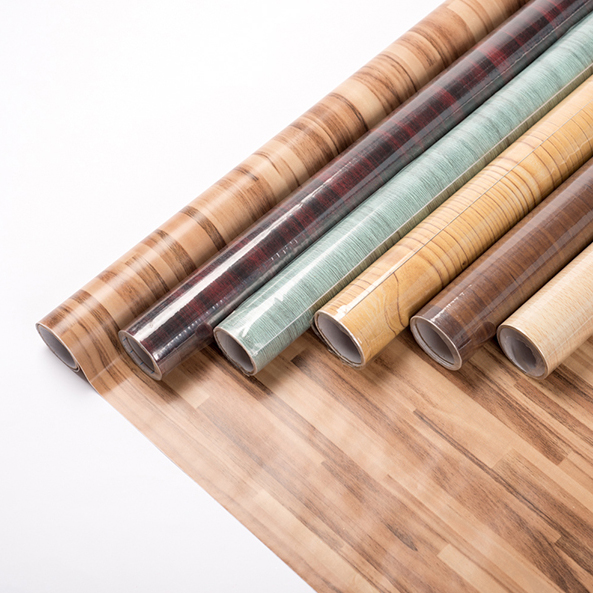
| Wood Grain Pattern |
Approve an actual sample or reference for oak, walnut, ash, maple, teak, pine, dark wood, grey wood or a custom direction. |
Computer screens cannot reliably confirm color, grain scale, pore detail or gloss. |
| Surface Finish |
Matte, embossed, smooth, gloss or other finishes can be discussed according to project requirements. |
Finish changes realism, reflection, cleanability and how scratches or fingerprints appear. |
| Adhesive Behavior |
Permanent or removable direction should be selected around service life, substrate and removal expectations. |
Adhesion that is too weak can lift at edges; an unnecessarily aggressive adhesive may complicate repositioning or removal. |
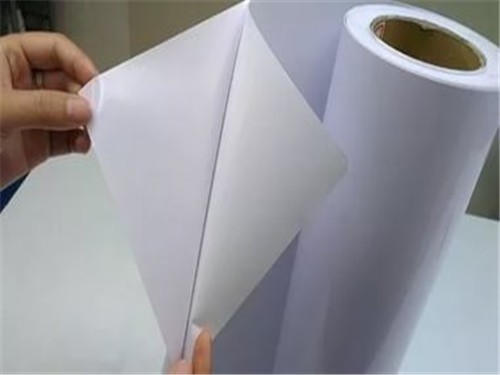
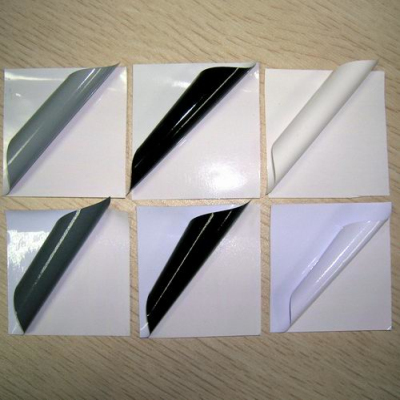
| Release Liner |
Confirm liner weight/stability and converting needs if the film will be plotted, sheeted or applied at production scale. |
A stable liner supports cutting, storage and predictable peel during installation. |
| Thickness |
Confirm the wood-grain grade instead of assuming the thickness of a graphic-sign vinyl is suitable. |
Thickness affects edge handling, flexibility, print distortion, surface telegraphing and application feel. |
| Roll Width & Length |
Choose dimensions around panel sizes, installer workflow, slitting plan and material yield; confirm actual availability with DERFLEX. |
Correct roll planning reduces joints and offcut waste in repeat projects. |
| Performance Add-ons |
Only specify features such as additional scratch, UV, flame-retardant or chemical resistance where a validated project grade is available. |
Decorative claims should be tied to the actual tested construction—not assumed from the PVC material name. |