


Solar Control Window Film
Solar control window film is applied to architectural glass to reduce solar heat gain and glare while managing daylight, reflectance, UV exposure and facade appearance. DERFLEX supports project-oriented and OEM roll sourcing for commercial and residential window-film programs.
For a useful quotation, specify the glass make-up, interior or exterior installation, target visible-light level, required solar-performance data, appearance, roll size, quantity and any project documentation needed.

What is solar control window film? It is a thin film applied to glass to change how sunlight is transmitted, reflected and absorbed. For buildings, buyers normally compare visible light transmission (VLT), reflectance, solar heat performance, UV transmission, appearance and glass compatibility before approving a film.
Specify the Solar Result, Not Just a Darker Tint
A film can look dark without delivering the same solar result as another film, and two films with a similar exterior appearance can transmit very different amounts of visible light. For procurement, separate optical appearance from solar performance and compare products using the same test basis.
Solar Control Window Film Selection by Project Goal
Use the project goal to shortlist a film direction, then approve the exact model on the real glazing. Availability and final performance values should be confirmed against the selected DERFLEX sample and data sheet.
| Project Goal | Film Direction to Evaluate | Key Data to Compare | Buyer / Project Note |
|---|---|---|---|
| Strong heat and glare control | Reflective or solar-control film | VLT, visible reflectance, total solar performance, exterior appearance | Useful for highly sun-exposed facades where a more reflective appearance is acceptable. |
| Maintain a more neutral facade | Neutral / higher-transmission solar-control direction | VLT, color neutrality, interior view, solar data | Specify appearance under both indoor and outdoor lighting; do not approve from a roll photo only. |
| Higher clarity with controlled solar load | High-transmission sputtered / selective direction where available | VLT, haze, reflectance, solar data, optical appearance | Ask for performance documentation for the exact construction and test method. |
| Daytime privacy plus solar control | Reflective tinted film | Exterior reflectance, VLT, interior reflectance, solar data | Reflective privacy is lighting-dependent and should not be sold as guaranteed night privacy. |
| All-season energy-management direction | Low-emissivity / low-E film direction where specified | Emissivity, VLT, solar data, glazing compatibility | Confirm the existing low-E coating location and insulated-glass configuration before selection. |
| Difficult interior access | Exterior-rated solar-control film | Weathering, adhesive, scratch layer, solar data | Use only a film specifically designed and documented for exterior exposure. |
Typical Solar Film Construction
DERFLEX’s existing glass-film information describes reflective insulation film as a polyester-based construction with a scratch-resistant surface and an adhesive/liner installation side. The exact layer stack varies by film family.
How solar energy is managed
Solar control film changes the balance of transmitted, reflected and absorbed solar energy. The visible result is only one part of the specification.
- Higher visible transmission preserves daylight and views.
- Higher reflectance can improve solar rejection but changes facade appearance.
- Absorbed energy raises glass temperature, which is why glass compatibility matters.
- UV management is relevant to fading, but fading is also influenced by visible light, heat, materials and exposure time.
How to Read Solar Control Film Performance Data
Professional buyers should compare like-for-like measurements. A strong purchasing specification defines the metric, test method, glass configuration and film model instead of relying on a marketing percentage without context.
Visible Light Transmission
VLT describes the visible-light fraction transmitted through the tested glass-film system. It affects daylight, interior brightness and glare perception.
Visible Reflectance
Reflectance influences exterior mirror appearance and interior view. Ask which side is measured because exterior and interior reflectance can differ.
Solar Transmittance
This indicates the solar-energy portion transmitted directly through the tested assembly. It is different from visible-light transmission.
Solar Reflectance
Solar reflectance is the portion of solar energy reflected away. It should be read together with absorption and transmission.
Solar Absorptance
Absorbed solar energy becomes heat in the glass-film system. Higher absorption can be important in thermal-stress and glazing-compatibility review.
TSER / SHGC / UV Data
Summary metrics and UV transmission/rejection are useful only when the test basis is clear. Keep the approved data sheet tied to the exact model supplied.
Heat-Insulation Film Models Currently Listed on DERFLEX
DERFLEX’s existing PVC glass-film page lists the following heat-insulation references. Treat these as sourcing references, not universal performance claims: confirm live availability, exact construction, optical/solar data and sample approval before placing a purchase order.
| DERFLEX Reference | Listed Thickness | Listed Max Width | Listed Roll Length | What to Confirm Before Order |
|---|---|---|---|---|
| DY508 – Heat Insulation Flash | 0.08 mm | 127 cm | 50 m | Current availability, film appearance, adhesive/liner, VLT, reflectance and solar-performance data. |
| DY523 – Heat Insulation Glass Film | 0.08 mm | 127 cm | 50 m | Current availability, film appearance, adhesive/liner, VLT, reflectance and solar-performance data. |
Check the Glass Before Approving the Film
Solar-control film changes the thermal and optical behavior of glazing. The same film can be suitable for one glass make-up and inappropriate for another, so compatibility review belongs in the submittal stage rather than being left to installation day.
Send these glazing details
- Single-pane, laminated or insulating glass unit (IGU)
- Glass thickness and pane dimensions
- Tempered / heat-strengthened / annealed status
- Low-E or other coating and its surface location
- Existing edge damage, scratches or seal condition
- Interior or exterior installation side
- Facade orientation, overhangs and partial shading
Why this matters
A film that increases solar absorption can raise glass temperature. Insulated, laminated, coated or partially shaded glass may require additional review because temperature differences across the pane can increase thermal stress.
For large projects, approve the film with the glazing supplier, installer or project engineer where compatibility documentation is required.
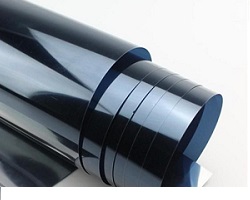
Real DERFLEX Solar & Window Film Images
The images below are hosted on DERFLEX. Their captions describe purchasing and application context so the image section adds search value rather than serving as decoration only.


Where Solar Control Window Film Is Specified
The best film direction depends on exposure, desired daylight, exterior appearance and occupant needs. A single dark reflective film should not be treated as the answer for every building.
Office Buildings
Reduce glare and perimeter heat on sun-facing workspaces while preserving useful daylight and external views.
Retail & Storefronts
Balance shopper comfort, product visibility, facade appearance and UV/fading management without hiding displays behind blinds.
Hotels & Hospitality
Control glare and room heat while managing exterior uniformity and guest expectations for daylight and views.
Residential Glass
Improve comfort in sun-exposed rooms and reduce glare on screens while choosing a tint and reflectance level appropriate for the home.
Schools & Public Buildings
Support glare management and interior comfort; any safety or security requirement should be specified separately with the required test target.
Skylights & High Facades
Exterior-rated film may be considered where interior access is difficult, provided the film is specifically designed for external exposure.
Six Common Solar Film Buying Mistakes
1. Buying by darkness
Darker does not automatically mean better solar control. Compare VLT and whole-solar data on the same test basis.
2. Quoting “IR rejection” alone
Ask for the wavelength range and method. An impressive IR number does not by itself describe total solar heat performance.
3. Ignoring glass make-up
Coated, laminated, insulated and partially shaded glass can react differently to increased solar absorption.
4. Assuming mirror film is night privacy
Reflective privacy depends on which side is brighter. At night, interior lighting can reduce or reverse the privacy effect.
5. Mixing automotive and architectural film
Curved vehicle glass and flat building glazing have different installation, optical, weathering and compatibility requirements.
6. Leaving roll specifications open
For repeat B2B programs, define roll dimensions, liner, core, splice policy, labels, cartons and model identification before production.
Build a Repeatable Window-Film Supply Specification
For distributors, converters and window-film brands, the commercial product is more than the coating. The approved specification should connect the exact film construction to roll converting and packaging so repeat orders can be identified and checked consistently.
Define the glass market
Building type, glass make-up, climate/exposure and installation side.
Set performance targets
VLT, reflectance, solar data, UV data and appearance priorities.
Approve real samples
Evaluate the film on representative glass and under relevant lighting.
Lock roll format
Usable width, length, core, liner, splice rules and quantity.
Lock packaging ID
Labels, model code, barcode, carton marks and destination-market needs.
What to Send for a Solar Control Window Film Quote
The fastest route to a useful sample recommendation is to send the glass details and measurable project target, not only “need heat insulation film.”
Project / technical inputs
- Building type and application area
- Glass make-up, thickness and pane size
- Low-E / coating information if known
- Interior or exterior installation
- Target VLT, reflectance or solar metrics if specified
- Desired appearance: neutral, tinted, silver / reflective, etc.
- Required technical report or project standard
Commercial / converting inputs
- Roll width and roll length
- Quantity or annual program estimate
- Sample / mock-up requirement
- Core and liner requirements
- Private label, barcode or carton artwork
- Destination country / market
- Existing approved sample or competitor reference if available
Explore the Window Film Topic Cluster
These verified DERFLEX pages cover adjacent glass-film materials and applications. Use them to compare solar-control film with broader architectural, decorative, clear and removable film directions.
Solar Control Window Film FAQ
Does solar control window film really reduce heat?
Yes, a properly selected solar-control film can reduce the solar energy entering through glazing by changing how solar radiation is transmitted, reflected and absorbed. The actual result depends on the film, glass make-up, facade orientation, shading and climate, so compare the exact glass-film performance data rather than a generic heat-rejection claim.
What is the difference between reflective and neutral solar control film?
Reflective film typically creates a more mirror-like exterior and can provide strong solar control, while neutral or higher-transmission film aims to preserve a more natural glass appearance. Compare VLT, reflectance, solar data and color appearance on the real glass before deciding.
Can solar control window film be applied to double glazing or low-E glass?
Some film-and-glass combinations can be suitable, but compatibility must be checked for the exact insulated-glass and coating configuration. Confirm pane construction, low-E surface location, glass heat treatment, size, shading and installation side before approval.
Does reflective solar window film give privacy at night?
Not reliably. Reflective privacy depends on lighting balance: it works mainly when the viewed side is brighter. At night, bright interior lighting can reduce or reverse the privacy effect. Use a frosted or more opaque film direction where consistent day-and-night visual privacy is required.
Is solar control window film installed inside or outside?
Many architectural films are designed for interior installation, while exterior-rated films are used for specific access or glazing situations. Do not place an interior film outdoors unless the product is specifically designed and documented for exterior exposure.
What information does DERFLEX need for an OEM solar film quotation?
Send the building application, glass make-up, installation side, target VLT/reflectance/solar performance, desired appearance, roll width and length, quantity, packaging requirements, destination market, sample needs and any required test method or project documentation.
Build the Specification Around the Glass
Send DERFLEX your glazing details, performance target, appearance preference, roll dimensions and quantity. The goal is to shortlist the right solar-control film direction for sample review and a comparable B2B quotation.