News
Industry News

Tarp Lead Time: Production Timeline, Delivery Planning & Rush Orders | DERFLEX

Update:2026/9/24 1:03:22 Views:
B2B Procurement Guide · Production Scheduling

Tarp Lead Time: How Long Custom Tarp Production Really Takes

Plan the complete path from specification approval to cargo-ready date—without confusing factory production time with international transit time.

For custom tarp programs, the schedule can change with material availability, color and artwork approval, quantity, fabrication complexity, hardware, inspection, packing and current production load. DERFLEX confirms the final lead time after the production-ready specification is reviewed.

How long is tarp lead time?

For custom tarpaulin orders, DERFLEX’s current custom-tarpaulin guidance gives a typical planning range of about 10–25 working days after artwork and order confirmation. That is a planning reference, not a universal promise. Standard roll goods using an established material can be simpler to schedule; complex finished tarps, new colors, multiple SKUs, printing, special hardware or additional approval steps can require more time.

The most useful lead-time commitment is a written project schedule that defines what starts the clock, the cargo-ready date, the inspection point and what happens when the buyer changes the approved specification.

Total project time = approvals + material readiness + production + inspection/packing + logistics
Critical Path

Where tarp production lead time is actually created

Most delays occur at handoffs: unclear specifications, unapproved artwork, material changes, missing hardware details, late inspection instructions or last-minute packing revisions.

Gate 01

RFQ Freeze

Application, size, material direction, quantity, finishing, packing and destination become one controlled brief.

Gate 02

Sample / Artwork

Color, logo, drawing, material swatch or finished prototype is approved where required.

Gate 03

Material Ready

Base fabric, PVC construction, color, width and required components are available or scheduled.

Gate 04

Line Slot

Coating, lamination, cutting, welding, sewing, eyeleting or printing resources are allocated to the order.

Gate 05

Bulk Production

Material and finished-tarp work proceeds against the approved revision, not against email assumptions.

Gate 06

QC & Packing

Dimensions, workmanship, hardware, quantity, labels and packing are checked before release.

Gate 07

Cargo Ready

Goods are complete and prepared for the agreed shipping handover. Carrier transit begins after this point.

Planning Matrix

Order type changes the schedule

Use the table to identify which workstream is most likely to control the delivery date.

Order Type Lead-Time Direction Main Schedule Drivers Buyer Should Lock Before Release
Material / color sample Project-dependent Existing grade vs new color/formulation, sample format, test purpose, courier time. Color reference, sample size, test scope, approval authority and whether the sample becomes the master reference.
Standard PVC tarp rolls Usually simpler to schedule Base fabric, coating route, width, GSM, color, surface finish, current line loading and roll packing. Material code / construction, width, length, quantity, core, labels and inspection basis.
Custom finished tarps Typical DERFLEX planning reference: about 10–25 working days after required approvals Cutting, welding/sewing, reinforced hems, grommets, D-rings, logo, packaging, piece count and production load. Finished drawing, cut vs finished size, seam layout, hardware map, tolerance, artwork and packing.
Complex / multi-SKU OEM program Confirm by milestone Multiple colors, private-label packaging, custom components, mixed sizes, approval loops, inspection and load sequence. Pilot lot, SKU matrix, artwork revisions, packaging map, inspection plan and partial-shipment rule.
Urgent / rush project Capacity check required Material on hand, current line slot, quantity, customization level, inspection time and shipping cutoff. Non-negotiable required date, acceptable material alternatives, minimum first shipment and approval deadline.
Procurement rule: never treat “10–25 days” or any other published range as the contractual delivery date. The quotation or proforma invoice should state the project-specific production trigger and planned cargo-ready date after the final specification is reviewed.
Lead-Time Drivers

Eight factors that commonly add days to a tarp order

They matter because each one can move the critical path—even when the factory itself has available capacity.

01

New Material Construction

An established PVC coated fabric grade is easier to schedule than a new width, surface, color or functional formulation that needs a dedicated material run.

02

Artwork & Color Approval

Logo placement, Pantone matching, print proofs and revised files can delay production if approval happens after the line slot is reserved.

03

Finished-Tarp Complexity

Irregular shapes, many seams, pockets, straps, reinforced stress zones and dense hardware layouts require more converting work than simple rectangles.

04

Order Quantity & SKU Mix

A single construction in one color is easier to flow through production than a mixed container with multiple sizes, colors, labels and cartons.

05

Special Hardware

Non-standard D-rings, buckles, straps, zippers, webbing or branded accessories can become the longest component lead time.

06

Testing & Inspection

Third-party testing, pre-shipment inspection or tender documentation needs to be scheduled before the shipping cutoff, not after production is complete.

07

Packaging & Labeling

Private-label cartons, barcodes, multilingual labels, pallet layouts and mixed-SKU packing can create a separate approval and production stream.

08

Late Change Control

Changing size, material, artwork, hardware or packaging after approval can invalidate completed work and force a new schedule confirmation.

Rush Orders

Can custom tarp lead time be shortened?

Sometimes—but the safest acceleration removes waiting and rework rather than deleting quality-control steps.

Faster path

More feasible when the order uses an established material and a clean, frozen specification.

  • Existing material construction and color
  • Simple finished shape
  • Standard grommets / webbing / packing
  • Artwork already production-ready
  • Buyer can approve same day

Needs review

Acceleration may be possible, but one or more workstreams need separate confirmation.

  • Custom print or new color
  • Large finished pieces
  • Multiple SKUs
  • Special inspection / documents
  • Partial shipment required

High schedule risk

Do not promise the requested date until the full critical path is checked.

  • New material formula or non-standard width
  • Custom hardware not in stock
  • Unapproved CAD / artwork
  • Large multi-SKU private-label program
  • Fixed vessel cutoff with no buffer
Schedule Compression

How buyers can reduce tarp lead time without creating quality risk

The fastest order is usually the order that becomes production-ready early.

A

Send one controlled RFQ

Put application, finished size, quantity, material direction, reinforcement, hardware, artwork, packing, destination and required date in one revision-controlled brief. Use the DERFLEX tarpaulin RFQ template if your team needs a starting structure.

B

Approve the sample before bulk

Do not leave color, surface, logo, hardware position or finished-size interpretation open until production. A clear approval standard reduces stops and rework.

C

Use proven material when the date is fixed

If launch timing matters more than developing a new construction, ask whether an existing PVC tarp grade can meet the application before requesting a new formula.

D

Book inspection early

For bulk programs, define pre-shipment inspection requirements before production and reserve the inspection window. The tarpaulin PSI guide explains what should be agreed in advance.

E

Consider a controlled partial shipment

When the first requirement is urgent, ask whether a smaller first lot can be released without creating color, batch, packaging or specification inconsistency in the balance order.

F

Freeze changes after approval

Every change should state whether it affects material, production route, inspection, packing or shipping. The revised cargo-ready date should be acknowledged in writing.

Interactive Planning Tool

Tarp Lead-Time Planner

Build a preliminary project date from separate workstreams instead of using one generic “delivery time” number.

The planner treats approval, material, production and QC stages as working days (Monday–Friday) and shipping transit as calendar days. It does not account for public holidays, factory shutdowns, carrier changes, customs or port congestion.

Use this for internal planning only. The confirmed DERFLEX quotation / order schedule should control the actual project dates.

Estimate your cargo-ready and arrival dates

Enter a production-ready date, then calculate.
Production vs Logistics

Do not confuse factory lead time with delivery lead time

A buyer can control the factory schedule more precisely than vessel schedules, customs or destination trucking.

Factory-controlled timeline

Specification release, material scheduling, production, in-process checks, pre-shipment inspection, packing and cargo-ready notice can be planned against the agreed order schedule.

Carrier / destination timeline

Booking acceptance, container availability, cut-off dates, vessel changes, transshipment, congestion, customs examination and local delivery can change after the cargo-ready date.

Date / TermMeaningBuyer Use
Cargo Ready DateFactory has completed the agreed production, inspection and packing scope.Primary date for measuring manufacturing schedule performance.
ETDEstimated time of departure from the named origin port.Planning date, not proof that the vessel has sailed.
ETAEstimated time of arrival at the named destination port.Add customs and inland delivery before setting an installation or retail-launch date.
Required-at-Site DateDate the buyer actually needs usable goods at the project, warehouse or distribution center.Work backward from this date to define the latest acceptable cargo-ready date.
DERFLEX Image Pack

Real production images for tarp scheduling context

These DERFLEX-hosted images show why lead time can include both coated-fabric production and finished-tarp conversion.

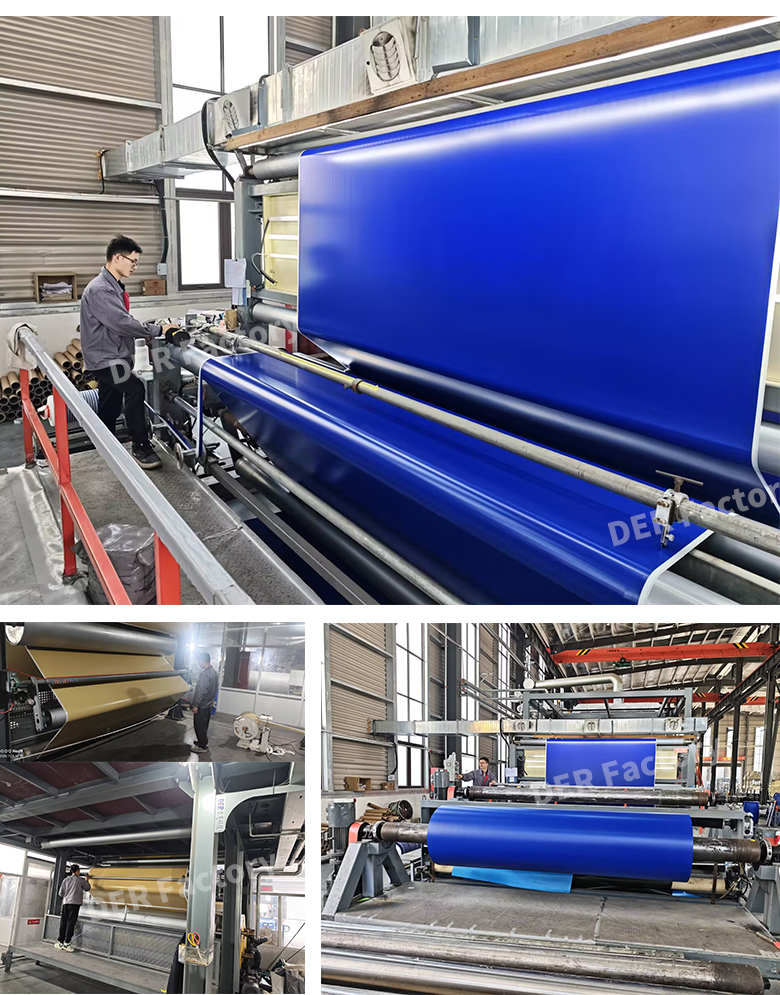
DERFLEX blue PVC coated tarpaulin production line and roll winding process
PVC coated tarpaulin productionMaterial readiness and line scheduling occur before cutting, welding and finished-tarp assembly.
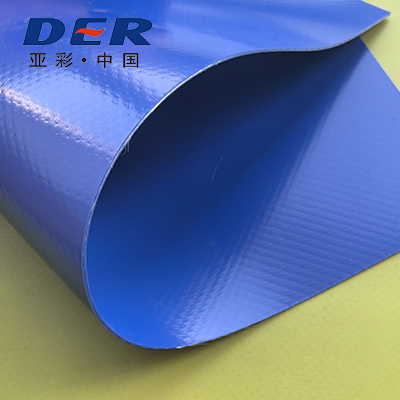
DERFLEX blue PVC coated tarpaulin material close-up
Material approvalConstruction, color, surface and weight direction should be frozen before bulk production.
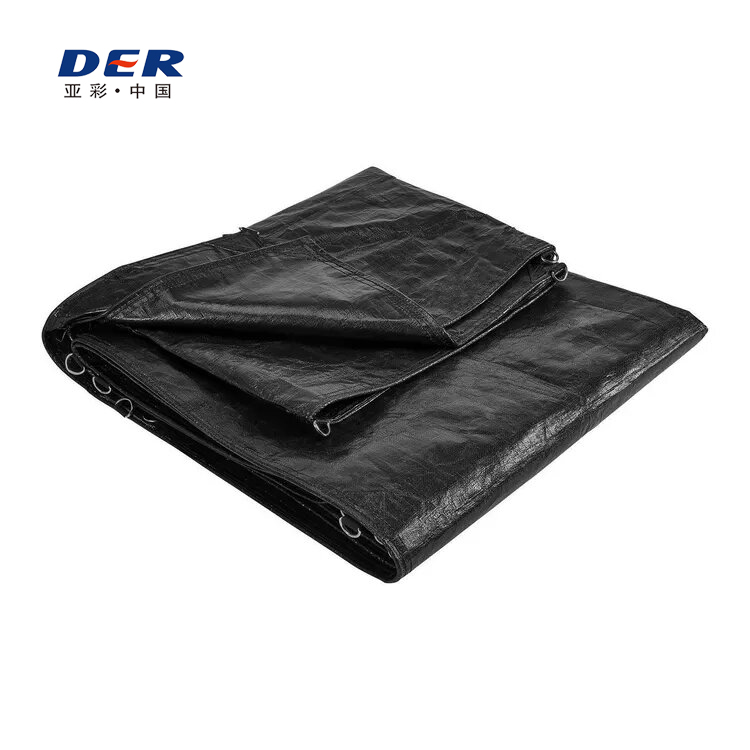
DERFLEX finished truck tarpaulin with reinforced seams and D-rings
Finished-tarp conversionReinforcement, welding, D-rings, grommets, straps and packing add converting time beyond roll production.
FAQ

Tarp lead time questions buyers ask before placing an order

Use these answers as a planning framework, then obtain project-specific confirmation in writing.

What is the typical lead time for a custom tarp order?

DERFLEX’s current custom-tarpaulin guidance gives a typical planning range of about 10–25 working days after artwork and order confirmation. The actual schedule depends on material availability, quantity, finished size, printing, reinforcement, hardware, packing, inspection and current production load.

When does the tarp production lead-time clock start?

The start point should be written into the quotation or order document. For a custom order it commonly follows the agreed payment condition plus approval of the technical specification, drawing, artwork, color or sample required for production.

Can DERFLEX support rush tarp orders?

Rush feasibility depends on whether the required material is available, which production route is needed, order quantity, customization complexity, inspection scope and current factory schedule. Existing materials, simpler construction, fast buyer approvals and a controlled partial shipment can sometimes shorten the path, subject to written confirmation.

What usually causes custom tarp production delays?

Common causes include incomplete drawings, late artwork approval, new colors or materials, non-standard hardware, mixed SKUs, revised packaging, late inspection instructions and specification changes after the production route has been reserved.

Is shipping time included in production lead time?

It should be separated. Production lead time normally runs to a defined factory or cargo-ready point. Vessel booking, ETD, ETA, customs clearance and local delivery are logistics stages and can change independently of factory completion.

How can a buyer reduce lead time without reducing quality checks?

Freeze the RFQ early, use an established material where suitable, approve sample and artwork promptly, define inspection before production, reserve special hardware early, avoid late specification changes and consider a controlled partial shipment when the first quantity is urgently needed.

What should I send DERFLEX to get a more accurate lead-time estimate?

Send the application, finished dimensions or drawing, material / GSM direction, color, quantity, seams and reinforcement, grommet or D-ring details, logo artwork, packing requirement, destination, required certification or inspection, and your required-at-site date.

Get a project-specific tarp production schedule

Send the information that controls the critical path. DERFLEX can then review material readiness, production route, finishing, inspection and cargo-ready timing for the actual order.

,
  • Application + service environment
  • Finished size / drawing + quantity
  • Material / GSM / color direction
  • Seams, reinforcement + hardware
  • Artwork + private-label packing
  • Inspection / test requirements
  • Destination + required-at-site date

Planning note: published ranges and calculator outputs are not contractual delivery commitments. Final material, quantity, approvals, production trigger, cargo-ready date, inspection scope, Incoterm and shipment timing are subject to written order confirmation.

Consulting Services
+86-021-54361792 / 54361798
Email
sales@derflex.com