A short, clearly defined need
Consider local hire when a suitable cover is available, the return date is realistic and there is little expected reuse. Include collection, cleaning terms and the cost of extending the hire period.



Rent for a defined short job. Buy for repeatable work when the numbers and the operating plan support it. The useful comparison is total cost per usable deployment, with the right cover available when the crew needs it.
DERFLEX supports custom tarp and coated fabric purchasing: finished sizes, reinforced edges, attachment layouts, identification and OEM packing. Use this guide to prepare your buying brief.
A comparison of protective sheets and fabric components. Match complete tent systems separately.
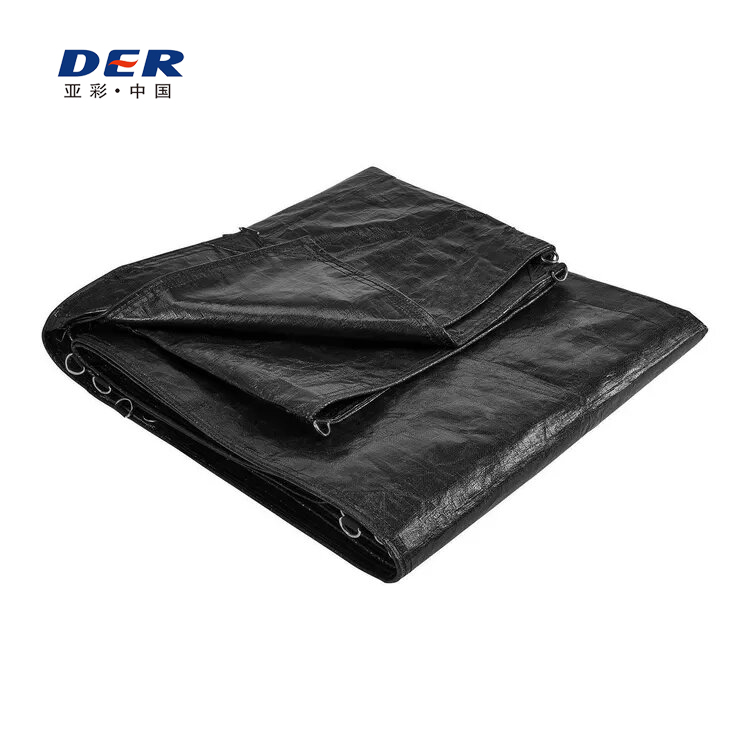
Start with the job pattern, then check the economics.
Tarp rental can suit a one-off job, an unusual size or a short demand peak. Buying can suit repeated use, consistent dimensions and crews that can manage cleaning, storage and repairs. A mixed fleet can work well when standard covers stay busy but peak demand is unpredictable. There is no universal number of uses at which buying always wins.
Consider local hire when a suitable cover is available, the return date is realistic and there is little expected reuse. Include collection, cleaning terms and the cost of extending the hire period.
Purchase becomes more attractive when the same sizes fit recurring jobs and the fleet can return covers to service reliably. Custom labels, edge details and packing can support that routine.
Own the covers used week after week and arrange rental for occasional overlap or uncommon sizes. Keep the two specifications compatible enough for the same work method.
For active jobsites, define the protection task first using the contractor tarp selection guide. A rain cover, a mesh screen and an equipment cover solve different problems.
A low daily hire rate and a factory purchase price are not equivalent scopes. Identify what each offer actually includes.
| Decision factor | Renting tarps | Buying tarps |
|---|---|---|
| Cash commitment | Hire charges for the agreed period; deposits may tie up cash temporarily. | Landed purchase cost, initial accessories and any setup or specification work. |
| Job overruns | Extensions and minimum billing periods can change the final cost. | No additional hire clock, but an occupied cover cannot serve the next job. |
| Availability | Confirm size, quantity, condition, delivery slot and peak-season reservation. | Depends on working stock, condition and turnaround—not just the inventory count. |
| Cleaning & damage | Return condition, contamination rules, repair charges and loss terms depend on the agreement. | The owner manages cleaning, drying, inspection, repair and retirement. |
| Fit & consistency | Available stock sizes and details may vary between bookings. | Custom dimensions and a controlled attachment layout can be specified for repeat orders. |
| Transport & labor | Check delivery, collection, loading and installation inclusions. | Allow for every outward and return trip, handling crew and packing method. |
| End of use | Return the cover under the agreed conditions. | Keep, reassign, repair or retire it. Include resale value only when supportable. |
On smaller screens, scroll the table horizontally.
Use the same batch of covers and the same planning horizon on both sides. The figures below are illustrative inputs, not DERFLEX prices or rental market rates.
A deployment means one comparable job or event cycle for the entire batch. Enter the rental charge for the full cycle, including the expected hire duration.
Ownership is $600 lower over this plan.
Cost is one input. Check usable life, turnaround capacity and simultaneous demand before purchasing.
The calculation, in plain terms:Rental total = deployments × all-in rental cost per deploymentOwnership total = landed purchase + fixed costs over the period + deployment operating costs − resale value
Break-even deployments: round up (purchase + period fixed costs − resale) ÷ (rental cost per deployment − owned cost per deployment). A volume-based break-even requires rental cost per deployment to exceed owned operating cost. If both options have equal operating costs and ownership has no net fixed cost, their totals are equal at every volume.
Ten jobs spread across a season and ten jobs on the same weekend need different inventories.
For each standard size, add simultaneous active demand, covers unavailable for cleaning or repair, and an agreed contingency. Review this by week during your busiest season.
Illustration: seven covers support that workload. This is a stock-planning example, not a recommended reserve ratio. If the jobs require different sizes, repeat the calculation for each size.
A practical mixed fleet starts with common sizes, repeat attachment patterns and clear identification. Rent the irregular requirement when a suitable local service is available.
For a repeat-order program, discuss custom finished tarp sizes and fabrication details before fixing the purchasing quantity.
| Working pattern | Option worth testing | What changes the answer |
|---|---|---|
| One emergency job | Available local rental or locally stocked purchase. | Arrival time and safe fit may matter more than theoretical unit cost. Custom export supply needs confirmed production and transit time. |
| Repeated contractor jobs | Own standardized reusable covers. | Usable cycles, full installation and retrieval labor, damage rate and return-to-service time. |
| Recurring event circuit | Own repeat fabric components; rent shortfall. | Event overlap, appearance standard, compatible dimensions and inspection requirements. |
| Long renovation project | Compare purchase with a full-duration hire offer. | Extension rates, planned relocation, attachment method and end-of-job reuse. |
| Dirty or abrasive duty | A dedicated owned set may simplify segregation. | Allowed contamination, cleaning feasibility, expected damage and replacement cost. Check rental acceptance before dispatch. |
The cheapest sheet can become expensive if it fits poorly, takes too long to handle or fails at the attachment points.
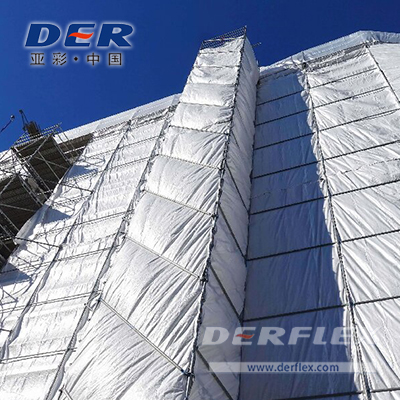
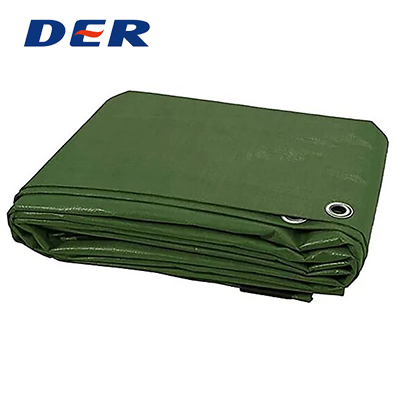
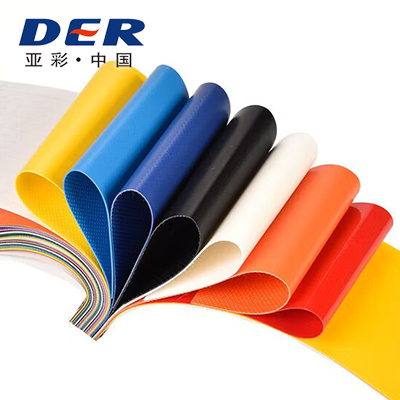
Use the heavy duty tarp range to discuss construction options. “Heavy duty” alone does not define tear resistance, seam quality or usable service life.
| Specify | What to confirm | Why it affects rental vs buying |
|---|---|---|
| Finished size & shape | Usable dimensions, tolerance, hems, overlap and drawing reference. | Cut size can overstate the coverage available after finishing. |
| Material construction | PVC coated polyester, another suitable solid material, or mesh; specify fabric weight and any test requirements. | Water exclusion, airflow, handling and repair methods differ. Match the material to the task. |
| Seams & attachments | Seam layout, reinforcement zones, grommet or D-ring pattern and hardware requirements. | Repeated installation often stresses edges, corners and fastening points. |
| Exposure & evidence | Climate, UV exposure, temperature and any required flame-performance report for the selected construction. | Labels such as “UV resistant” or “FR” do not establish a service-life promise or project approval. |
| Handling & packing | Finished weight, fold direction, bundle size, identification and return packing. | Large covers need a workable crew and drying/storage arrangement. |
| Repeat-order control | Approved sample, drawing revision, material reference, inspection points and packaging specification. | Standardized replacement stock helps preserve the fleet's operating routine. |
Fabric-only weight (kg) = area (m²) × GSM ÷ 1,000. For illustration, a 6 × 8 m panel at 600 gsm contains 28.8 kg of fabric before seams, hems and hardware. This is arithmetic, not a DERFLEX product specification; water and dirt can add handling load.
Discuss the PVC tarpaulin material construction, reinforcement and sample performance together. Extra weight does not automatically improve fleet economics.
For roof skins and sidewalls, record frame compatibility, attachment details, openings and the required documentation. A fabric quotation does not establish the performance of the complete installed structure.
The commercial tent fabric guide supports material discussions. Obtain system and installation requirements from the responsible tent supplier or project team.
Close the practical gaps that can erase an apparent saving.
Put care time into the cost model. The tarpaulin cleaning and maintenance guide is a useful starting point; confirm compatibility for the actual coating and any printed surface.
DERFLEX's material and custom fabrication options let buyers discuss the cover and its repeat-order details together. Request coated fabric, cut panels or finished tarps according to your conversion capability.
MOQ, price, sample arrangements, production lead time, freight terms and any required test documentation must be confirmed for the selected specification. Allow manufacturing and transit time when planning the first deployment.
Use this checklist when preparing your purchase enquiry.
Direct answers for the cost comparison, service scope and repeat-order decision.
Renting can cost less for one short job when the quoted hire period, return requirements and cover specification fit the work. Buying can cost less across repeated jobs if cleaning, repairs, storage, transport and replacement are controlled. Compare the same size, quantity, material and service scope over the same planning period.
For a fixed planning period, subtract expected resale value from landed purchase cost plus fixed ownership costs. Divide that amount by the all-in rental cost per deployment minus the owned operating cost per deployment. Round up to a whole deployment. If rental cost per deployment is no higher than owned operating cost, this simple model has no positive volume-based break-even point.
There is no reliable universal reuse count. Material construction, exposure, dragging, sharp edges, fastening loads, cleaning and storage all affect usable life. Track each cover by ID, inspect seams and attachment zones, and replace or repair it against an agreed acceptance standard. Do not budget for more cycles than your operating history supports.
Only after matching the scope. A finished fabric panel does not include a frame, anchoring, site assessment, installation crew, transport or event management services. For a tent or canopy, compare complete systems and installation responsibilities; for replacement sidewalls or protective sheets, compare the fabric components separately.
DERFLEX supports B2B enquiries for coated fabric, cut panels and custom finished tarps. Size, material, reinforcement, attachment layout, printing, labels and packaging can be discussed for the project. Confirm samples, specification, MOQ, price and lead time in the quotation. This page is a purchasing guide and does not provide a rental booking service.
A mixed approach can suit uneven demand: own repeatable core sizes and arrange local rental for temporary peaks or unusual requirements. Size the owned stock for simultaneous jobs plus cleaning, drying and repair turnaround. Review seasonal overlap before using annual deployment totals to justify the purchase.
Share the quantity by size, exposure, attachment drawing, target arrival date and repeat-use plan. Ask DERFLEX for a purchase quotation you can compare with a local rental offer on equal terms.