News
Industry News

Cricket Pitch Covers for Club Procurement | DERFLEX

Update:2026/10/19 21:32:03 Views:
Skip to content

Ground equipment / Custom tarp procurement

Cricket Pitch Tarp Covers for Club and Ground Procurement

Specify the sheet your grounds team can deploy, drain and put away. DERFLEX supplies PVC coated fabric and custom tarp panels for buyers planning cricket wicket covers, square covers, side sheets and run-up protection. Start with the protected area, handling method and drainage layout; then agree the fabric, seams and reinforced perimeter.

Clubs & schoolsGround contractorsDistributors & OEM buyers
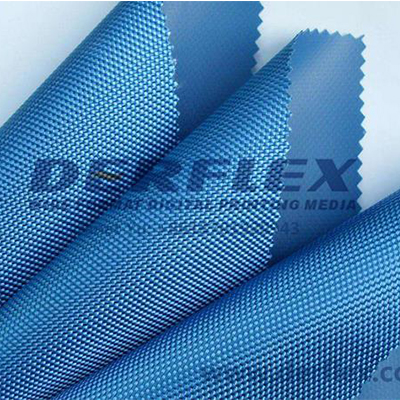
Blue coated fabric being wound on a DERFLEX production line
DERFLEX coated-fabric production reference. The selected fabric and finished cover details follow the approved procurement specification.

The buying decision

Protect the pitch.
Plan the whole operation.

A cricket pitch cover is a rain-resistant sheet placed over the wicket or surrounding areas to limit direct rainfall reaching the surface. Its usefulness depends on coverage, seam integrity, runoff control and a practical deployment routine.

For a flat sheet, a waterproof fabric is only one part of the specification. Water can still enter at a damaged seam, travel beneath an edge or spill back during removal. Ground levels and the crew’s operating plan deserve the same attention as material weight.

For projects covering several sports or venue zones, the stadium tarp overview explains the broader application scope.

01 / Establish the footprint

Which areas need to stay protected?

Begin with a measured ground plan. A match-strip cover, a square cover and a run-up sheet solve different tasks. Finished sheet dimensions should include the agreed edge and connection allowances, rather than simply repeating playing-area dimensions.

Coverage choices for club and ground purchasing
Cover formatMain purposeSpecify before quotationOperational consideration
Single wicket flat sheetProtect the selected playing strip and agreed surrounding zone.Measured footprint, end allowances, water exit and storage position.Keep runoff away from worn ends and adjoining sensitive surfaces.
Square / multi-strip sheetCover several strips within a wider protected area.Panel arrangement, finished dimensions and maximum practical section size.Larger area increases material mass, wind exposure and removal demands.
Side sheetsExtend coverage beside an existing pitch-cover arrangement.Overlap direction, attachment interface and finished edge positions.Coordinate connections with the existing cover; avoid reverse laps.
Run-up coversProtect selected approach and take-off areas.Separate zone dimensions, quantity and deployment route.Do not discharge collected water into the approach areas.
Replacement mobile-cover skinReplace the flexible fabric on an existing raised cover.Frame geometry, tensioning details and a measured pattern.A flat sheet drawing is insufficient for a fitted replacement skin.

Swipe horizontally to compare all columns.

Schematic of cricket cover measurement zonesTop view showing a central protected strip, side coverage, separate run-up zones, cover length and width. It is not a scaled construction drawing.ProtectedstripRun-up zoneRun-up zoneFinished cover widthFinished cover lengthSide coverageSide coverageLAYOUT SCHEMATIC • NOT TO SCALE

Sketch the footprint, ground fall, overlap areas and drainage destination. Run-up zones may need separate sheets. No standard cover dimensions are implied by this schematic.

Measure the protected surface

Record length and width on site, including worn ends and any areas your grounds team needs to keep dry. Show changes in level and nearby boundaries.

Add the working allowances

Mark side and end margins, panel overlaps, fixing zones and interfaces with existing equipment. Distinguish the required finished size from the material cutting size.

Choose a workable panel layout

Check storage access, folding or rolling method and the people available. Separating zones can reduce individual panel mass, while adding connections that need drainage planning.

Approve the layout before fabrication

Put seam positions, reinforced edges, handle or eyelet locations and panel identifiers on a revision-controlled drawing. For broader fabrication options, see custom tarp construction.

02 / Fabric selection

Check handling weight
before increasing GSM.

GSM measures material mass per square metre. It does not establish tear strength, flexibility, coating adhesion, seam quality or suitability for prolonged turf contact. Compare the proposed construction and relevant evidence, then check what the full sheet will weigh.

Dry fabric mass (kg) = length (m) × width (m) × GSM ÷ 1,000.

A hypothetical 25 m × 4 m sheet at 350 gsm contains about 35 kg of fabric. This calculation is a planning example; seams, hems, handles, packaging and collected water add weight. It does not determine a safe crew size or a wind limit.

Discuss the construction behind the number using the PVC tarpaulin material guide.

Dry fabric mass estimator

Illustrative starting values. Enter the dimensions and GSM you are considering.

35.0 kg100.0 m² of fabric

Fabric-only estimate. Excludes fabrication additions, retained water and accessories. Inputs describe your comparison, not an offered DERFLEX grade.

03 / Build the specification

Ask for a complete cover specification.

DERFLEX’s material and tarp fabrication capabilities support a discussion from roll goods to finished panels. For this application, the offered grade and construction must be tied to a written drawing, a suitable sample and agreed inspection requirements.

What to put in your cricket cover enquiry
Specification itemBuyer requirementApproval evidence
Supply formFabric roll, pre-cut panel, finished flat sheet or patterned replacement skin.Quotation scope identifying included fabrication and accessories.
Fabric constructionPVC coated polyester direction; finished GSM, flexibility, surface and color requirements.Grade-specific specification and retained material sample.
Light transmissionOpaque or light-transmitting requirement, if relevant to the ground’s use plan.Offered material sample and any required measured transmission data.
Dimensions and seamsFinished dimensions, tolerance, panel orientation, joins and overlap arrangement.Approved drawing and seam sample using the intended material.
Perimeter and handlingReinforced hems, attachment points and any proposed handle positions.Detail sample showing the load path into the reinforcement.
Performance evidenceRequired water resistance, tensile/tear, coating adhesion and weathering characteristics.Applicable test method, units, direction and report tied to the offered construction.
Identification and packingPanel labels, optional artwork, folding/rolling, packed unit weight and destination.Approved packing layout and commercial quotation.

Swipe horizontally to view the full checklist.

Welds need their own approval.

Continuous coated fabric can provide a water barrier, but the assembled sheet also depends on seams and penetrations. Review the fabrication route and a representative joint rather than assuming all joins inherit the fabric’s performance.

Reinforce the load path.

Handles and eyelets concentrate force. Their backing, hem and surrounding fabric should be considered together. The grommet and edge-reinforcement guide explains related attachment details.

Define the supply boundary.

List fabric and finished panels separately from rollers, raised frames, pumps, ballast, anchoring design and installation. Equipment appearing in a reference image does not establish that it is included in your order.

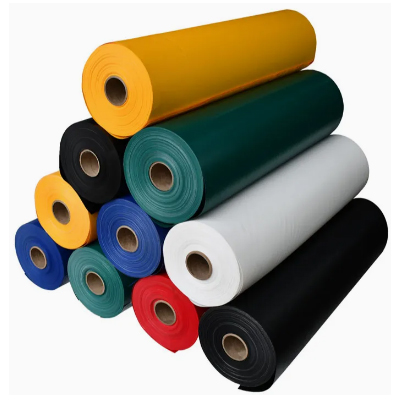
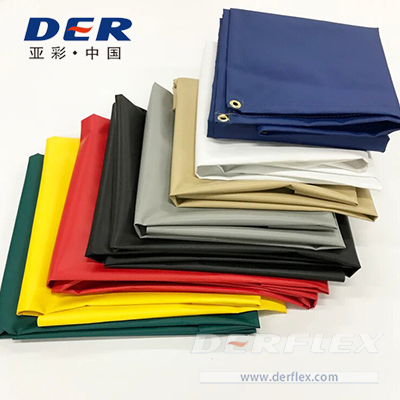
Material & finishing references

Review the fabric, surface and edge.

These DERFLEX site images support material and finishing discussions. Color, construction and the final cricket-cover layout are selected through the quotation and sample process.

04 / Water & turf management

A rain cover also needs
a removal plan.

Plan where water goes before deciding where the sheet ends. A flat cover can collect water or redirect it toward a lower edge; it does not correct an unfavorable ground profile or dry an already wet pitch.

Light transmission is not breathability.

A translucent sheet can admit some light while still limiting air movement and evaporation. Use cover duration and removal timing as part of the grounds team’s turf-management plan. No universal safe covering period is assumed here.

Before rain

Identify ground fall, lower edges and run-on routes. Agree panel overlap direction and a discharge area clear of the protected square, run-ups and access routes.

Before uncovering

Remove collected water with suitable equipment or direct it toward a planned draining area. Avoid pulling a loaded sheet across the pitch or tipping water onto the surface it was protecting.

Between uses

Inspect seams and reinforcement. Remove debris, dry the sheet when conditions allow and store it to reduce abrasion and damp folds. Keep spiked footwear off the fabric.

Grounds-management reading: GMA guidance on covering pitches, removing water and water running beneath covers.

05 / Before you order

Make the first enquiry
useful for both teams.

A site photo, sketch and quantity are enough to start. For repeat purchasing, develop these into a recorded material specification, drawing revision, accepted sample and packing reference.

Cost changes with fabric construction, usable roll width, seam work, perimeter reinforcement, hardware, print area, order quantity and shipping format. Compare quotations on the same finished-cover scope.

Review DERFLEX tarp manufacturing and supply options when organizing an OEM or distributor programme. Buyers managing multiple venues can also review athletic field cover planning.

  • Ground and coverage: surface type, protected zones, measured dimensions and slope.
  • Operations: deployment frequency, likely cover duration, crew availability and storage method.
  • Finished construction: panel layout, edges, seams, attachment and handling details.
  • Sample requirements: material swatch, fabricated seam or perimeter sample; prototype where fit or handling is uncertain.
  • Commercial requirements: quantities by size, artwork, packing preference, destination, planned date and required documents.

Set operating limits locally. Large sheets can become difficult to control in wind. Have the grounds team establish deployment and handling procedures. Eyelet spacing or a higher GSM does not establish a safe wind rating.

06 / Procurement questions

Cricket pitch covers: frequently asked questions

What size cricket pitch cover should a club buy?

Use the measured area your grounds team intends to protect, then add the agreed margins, connections and fixing zones. Include worn ends and any side or run-up areas in the plan. Playing dimensions alone do not define the finished cover size.

Is a heavier cricket cover always better?

No. Higher GSM increases fabric mass but does not by itself establish tear strength, flexibility or finished seam performance. Compare the offered construction and relevant evidence, then check the full sheet’s handling and storage requirements.

Are translucent cricket covers breathable?

Translucency describes light transmission, while breathability concerns moisture-vapor or air transfer. One does not establish the other. Review the offered material and manage cover duration with the grounds team; a rain barrier can slow pitch drying.

Can flat sheets be connected or used with mobile covers?

They can form part of a coordinated coverage plan, but side-sheet interfaces, overlap direction and runoff routes must match the existing equipment. For a mobile-cover replacement skin, provide the frame dimensions and a measured pattern before production.

Does a waterproof sheet keep every part of the pitch dry?

It limits direct rain where coverage and construction are suitable. Water can still run beneath the perimeter, pass through damage or spill from the sheet during removal. Inspect the finished cover and agree a drainage and uncovering routine.

What determines cricket pitch cover price, MOQ and lead time?

Fabric grade, finished area, panel layout, fabrication, reinforcement, accessories, printing, quantity and packing affect the quotation. Send the drawing or site sketch, sizes, quantities and destination so DERFLEX can quote the actual scope, minimum order and production schedule.

Start with the ground plan

Turn your coverage plan
into a clear purchasing brief.

Send DERFLEX a sketch or drawing, protected zones, sizes and quantity. Include your material preference if known, and explain how the grounds team will deploy, drain and store the covers.

  • Fabric rolls, cut panels or finished-cover enquiry
  • Material, seam and perimeter sample requirements
  • Packing, destination and planned procurement date
Consulting Services
+86-021-54361792 / 54361798
Email
sales@derflex.com