


Side Roll Tarp Replacement Covers for Grain Trailers
Replace worn fabric with a cover specified for the system already on your trailer.
DERFLEX supplies custom PVC coated polyester replacement covers for grain trailer side-roll programs. Define the finished dimensions, rolling and fixed-edge interfaces, end-cap coverage and bow wear strips before selecting the fabric. Send a drawing, old-cover reference or clear system photos to start a fleet, distributor or OEM inquiry.
Supply focus: custom fabric covers. Roll tubes, bows, motors, cranks and installation are separate from this cover inquiry.
- Finished pattern
- Matched interfaces
- Measured wear zones
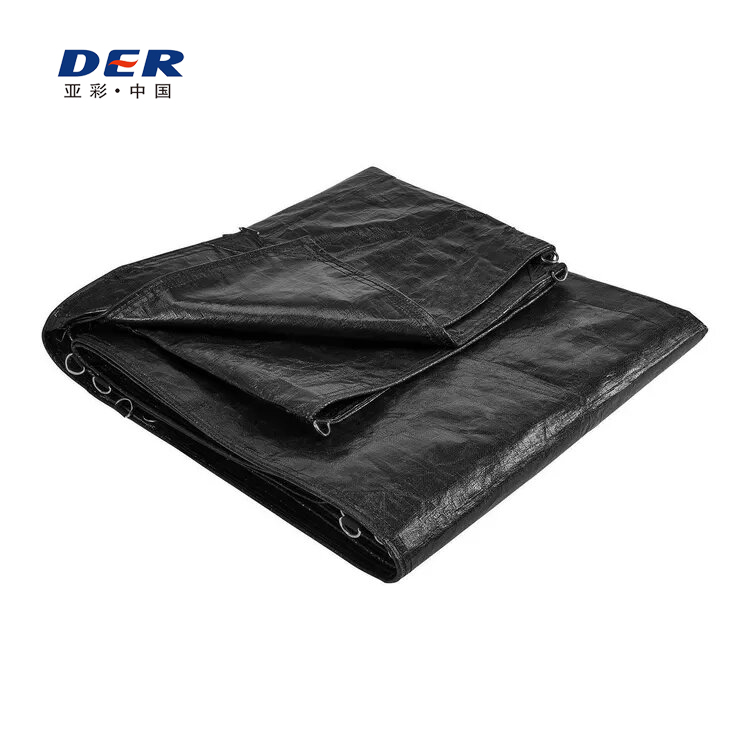
What is a side roll tarp replacement cover?
A side roll tarp replacement cover is the fabric component that winds onto a longitudinal roll tube and travels across the open top of a grain trailer. It must preserve the installed system’s attachment geometry, rolling travel and closure coverage.
Replacing the cover can retain serviceable hardware. It does not correct a bent tube, rough bow or misaligned latch. For broader trailer and cargo selection, see grain trailer tarp options.
Start at the roll tube.
Then follow the load path.
“Side roll,” “rollover” and “side-to-side” describe a movement, not one universal fabric pattern. Two grain trailers of the same nominal size may use different tube connections and closure arrangements.
Record the system make, model and any old-cover identification. Use close-ups to establish the actual interface, even when a familiar brand name is available.
Scroll horizontally on a small screen to compare all interface details.
| Existing interface | Record from your system | Confirm on the new cover |
|---|---|---|
| Roll-side pocket or sleeve | Tube outside diameter and profile; usable pocket opening; entry end; clips, straps or other retention details. | Pocket definition and finished size, insertion clearance, orientation and a straight attachment line. |
| Rope, bead or channel attachment | Channel profile, bead/rope cross-section, insert construction and how the original cover is retained. | An interface drawing and sample fit. A tube sleeve is not interchangeable with a channel insert. |
| Stationary edge | Fixed tube or clamp arrangement, attachment locations, edge drop and the original reinforcement. | The intended load path, edge position and any local reinforcement without obstructing existing fasteners. |
| Front and rear closures | Both end-cap profiles and contact areas; tarp overlap; front/rear edge treatment and hardware clearance. | Coverage through the full roll cycle. Specify the two ends separately when they differ. |
If the fabric gathers along moving bows instead of winding onto a side tube, use the separate cable tarp replacement cover guide to identify the correct attachment pattern.
Measure the finished cover.
Document what each dimension includes.
Trailer body length is a reference, not a finished tarp order size. Compare the old cover with the trailer geometry and any original specification, especially if the fabric is stretched, torn or distorted.
Establish the cover envelope
Record finished front-to-rear length and width with the measurement method and units. Identify any taper; measure front and rear independently if the trailer or original cover is not rectangular.
Measure both working edges
Document the rolling side and stationary side separately. Include tube/channel profiles, pocket dimensions, attachment spacing and the front/rear orientation.
Locate the contact zones
Measure every bow contact from one front datum. Add cap contact, existing abrasion marks and any high-flex locations to the drawing.
Why body width is not tarp width
The cover must travel over the bow profile and engage the existing closure. Side travel, attachments and end treatments create dimensions that cannot be recovered from the outside body width alone.
A quoted “pocket size” is also incomplete unless both parties use the same definition. Tube diameter, usable pocket opening and flat pocket width describe different things.
Do not apply another system’s overlap allowance or length formula to your trailer. Use its original specification or a reviewed replacement drawing.
For the wider hopper-body application, compare hopper trailer cover requirements.
Balance fabric weight, flexibility
and local reinforcement.
Solid PVC coated polyester provides a waterproof fabric surface for rain-sensitive grain loads. The finished closure still depends on seams, interfaces, end caps and the condition of the support system.
| Selection | Procurement direction | Approval requirement |
|---|---|---|
| 18 oz/yd² class | Approximately 610 g/m² by unit conversion. Review when keeping cover mass and manual rolling effort manageable matters. | Confirm the actual grade, mass tolerance, flexibility and suitability for your existing mechanism. |
| 22 oz/yd² class | Approximately 746 g/m² by unit conversion. Consider a heavier construction where the wear pattern justifies it. | Added mass is not proof of better abrasion performance. Compare relevant test data and review rolling load. |
| Body seams | Review welded panel layout, seam intersections and repeated folding relative to the roll direction. | Inspect a representative seam and its specified acceptance criteria; review edge and pocket sealing separately. |
| Wear strips and hems | Position reinforcement at measured bow and hardware contacts rather than assuming standard spacing. | Agree strip material, extent, attachment and the effect of added thickness on rolling. |
| Outdoor operating conditions | Record the lowest operating temperature, exposure, cleaning routine and expected opening frequency. | Request grade-specific evidence for the relevant requirements. No service-life or cold-flex rating is implied. |
18 oz and 22 oz describe mass per square yard, not ounces for the whole cover. Conversion: 1 oz/yd² ≈ 33.906 g/m². These are specification directions, not a finished-cover stock list or certified test results. GSM cannot establish thickness in mil.
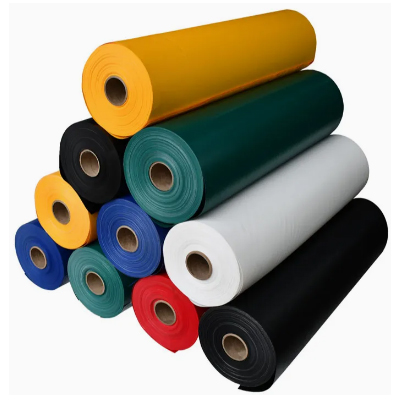
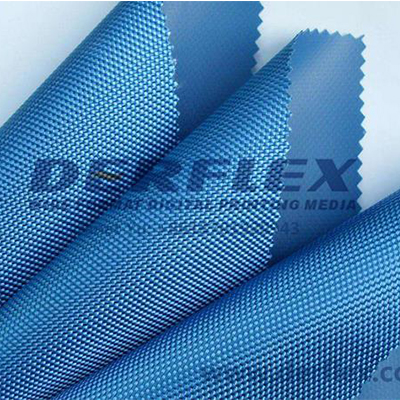
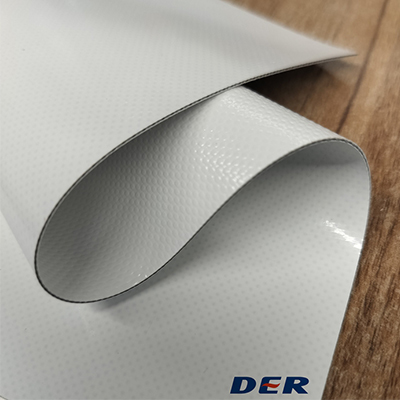
Explore DERFLEX PVC tarpaulin material options when you need to compare the fabric before finalizing a replacement pattern.
Use the old cover as a wear record.
A heavier replacement can repeat the same failure if the contact or alignment problem remains. Photograph the old tarp in position, then mark the damage on its flat-pattern drawing.
Turn the failure pattern into a check
Repeated marks over the bows
Compare strip locations with actual bow centers. Inspect for rough edges and exposed fasteners before deciding how much reinforcement to add.
Skewed roll or diagonal creases
Check pocket straightness, attachment alignment and tube condition. Extra tension should not be used to force an incorrectly fitted pattern into place.
Water entry at the front or rear
Inspect the overlap and end-cap contact in the closed position. Waterproof body fabric alone cannot close a gap or correct unsupported pooling.
Confirm the conditions
that change the pattern.
Use actual tape measurements, photos and a clear front/rear orientation. Mark the reference edge on both the drawing and sample.
- Repair sharp, bent or misaligned hardware before fitting a new cover.
- Keep the intended load profile within the trailer and tarp system’s operating limits; do not assume that extra tarp width permits a higher load.
- Remove accumulated water, snow or ice as directed by the system manufacturer. Do not force a frozen cover to roll.
- Inspect seams, edges and closure contact during service. Clean and store the fabric according to the approved material guidance.
Grain protection and direct contact are separate questions
A trailer weather cover is not automatically a food-contact liner. If the intended use requires regulated food or feed contact, specify the market and contact conditions and request the applicable evidence for that exact construction.
Keep supply assumptions explicit
Record which components are reused and which are included in the cover quotation. Material, finishing, color, labeling, quantity, packing and destination affect the purchasing scope.
For a rigid farm-truck body rather than a semi-trailer, review grain truck replacement covers.
Send the geometry.
Define the replacement.
Start with photos, a sketch and the quantity if you do not have a complete technical drawing. Identify the fabric cover you need and the mechanism it must work with.
For drawings and photos, use the existing inquiry page to agree the file-sharing method. MOQ, sample scope, lead time and delivery terms are confirmed with the quotation.
Include these details in your RFQ
- SystemTrailer and system identification, manual/electric operation and photos of both working edges.
- PatternFinished length and width, units, front/rear orientation, pocket/channel details and end-cap coverage.
- WearBow positions from one datum, damage map and any proposed reinforcement.
- MaterialExisting fabric reference, target conditions, color and any required test documentation.
- OrderQuantity by pattern, labeling and packing needs, destination and requested schedule.
Side roll tarp replacement FAQ
Can I replace only the tarp and keep the existing system?
Yes, where the retained hardware is serviceable and the new cover matches its working interfaces. Inspect the roll tube, bows, latches and end caps first. A fabric replacement does not repair a mechanical fault.
Can I order by trailer make and nominal length?
Those details help identify the equipment, but do not define the complete pattern. Supply the finished tarp measurements, attachment details, cap geometry and any available original part reference. Check worn-cover dimensions against the equipment.
Does a side roll replacement fit every manual or electric tarp system?
No. Tube size, sleeve or channel connection, stationary edge, closure geometry and operating load vary. Establish fit from the actual system and approve the replacement drawing before production.
Should I choose 18 oz or 22 oz vinyl?
Choose after reviewing cover mass, rolling effort, temperature and the observed wear pattern. Heavier fabric may suit some duties, but weight alone does not prove stronger seams, better cold flexibility or longer service. Ask for the relevant grade data and consider localized wear strips.
Is a PVC grain trailer cover completely watertight?
The solid fabric can provide a waterproof barrier. The installed cover’s weather protection also depends on seams, pocket and edge construction, end-cap overlap, support and closure. Define the required water-resistance checks for the finished cover and installed system separately.
What determines the replacement tarp price and production schedule?
Finished size and shape, fabric grade, panel utilization, seam layout, interfaces, reinforcement, quantity and packaging affect the quote. A complete drawing and approved first article help resolve production scope. Request project-specific MOQ, lead time and delivery terms from DERFLEX.