Identify the order
Record PO/PI, SKU, batch or package marks, shipment date, affected quantity and first discovery date.



A useful tarp warranty is not just a number of months or years. It should define the approved specification, covered manufacturing defects, normal-use conditions, exclusions, evidence required for a claim, and the remedy if the product does not conform.
This guide helps importers, distributors, fleets, tarp fabricators, contractors and OEM buyers evaluate PVC tarpaulin warranty terms before bulk production—without confusing warranty coverage with expected service life.
A B2B tarpaulin warranty should normally focus on conformity to the approved specification and verified defects in materials or workmanship under the agreed use conditions. For custom PVC tarps, that may include material, color, GSM, dimensions, welds, seams, hems, reinforcement, hardware position or other controlled features when they do not match the approved order standard. Normal wear, abrasion, puncture, misuse, incorrect installation, unauthorized modification and exposure outside the specified environment are commonly handled as exclusions or require separate investigation.
The applicable period, exclusions and remedy must be confirmed in the quotation, proforma invoice, purchase contract or other agreed commercial document. This page is a procurement guide, not a universal DERFLEX warranty promise.
Procurement disputes often start because three different ideas are treated as one. Separate them before comparing suppliers.
A warranty explains what the supplier will stand behind for an agreed period and under defined conditions. In a serious B2B order, it should be linked to a controlled product specification rather than broad marketing language.
Important: a product can have a realistic multi-year service-life target while still having a shorter or differently structured warranty. Expected outdoor life is influenced by UV, wind, abrasion, installation, maintenance, chemicals, handling and duty cycle; warranty coverage is governed by the agreed commercial terms.
The useful period before repair or replacement. It is application-dependent and should be treated as a planning range unless the contract specifically converts it into a performance obligation.
Buyers should ask exactly what is guaranteed, for how long, under which conditions, and what remedy applies. Avoid accepting an undefined “quality guaranteed” statement as a substitute for written warranty terms.
The fastest warranty review starts with failure classification. The table below is a procurement framework, not an automatic coverage decision; the approved specification, actual use and signed order terms always control.
| Observed issue | Typical classification question | Warranty review direction | Evidence buyers should retain |
|---|---|---|---|
| Wrong material, color, GSM, finish or product construction | Does the delivered batch differ from the approved specification beyond the agreed tolerance? | Defect review candidate | PO/PI, technical sheet, approved sample, batch marks, measurement/test records, photos |
| Incorrect finished dimensions or hardware location | Was the tarp manufactured outside the approved drawing or dimensional tolerance? | Defect review candidate | Controlled drawing, dimension photos, measuring method, affected quantity, packing label |
| Premature weld, seam or hem failure | Is there evidence of workmanship failure under the agreed loading and use condition? | Investigate root cause | Close-up photos, full installation view, load direction, service hours/cycles, retained sample |
| Coating delamination, cracking or abnormal surface failure | Does the failure indicate a material/process problem, or exposure outside the selected grade? | Investigate root cause | Batch identification, climate/temperature, chemical contact, storage history, sample comparison |
| Grommet or D-ring tear-out | Did reinforcement/workmanship fail, or was the attachment overloaded, misaligned or repeatedly shock-loaded? | Investigate root cause | Hardware layout, tie-down angle, tension method, edge reinforcement photos, vehicle/load photos |
| Puncture from sharp cargo or abrasion against a hard edge | Was the tarp damaged by a known contact point during use? | Common exclusion | Site photos, cargo geometry, edge protection used, operating history |
| Wind-flap fatigue caused by a loose or oversized cover | Was the tarp installed with unsupported movement beyond the intended configuration? | Often use-related | Installed photos/video, dimensions, tie-down spacing, route/weather conditions |
| Damage after unauthorized repair, cutting or hardware modification | Did a field modification change the original load path or construction? | Common exclusion | Original vs modified photos, repair records, date of modification |
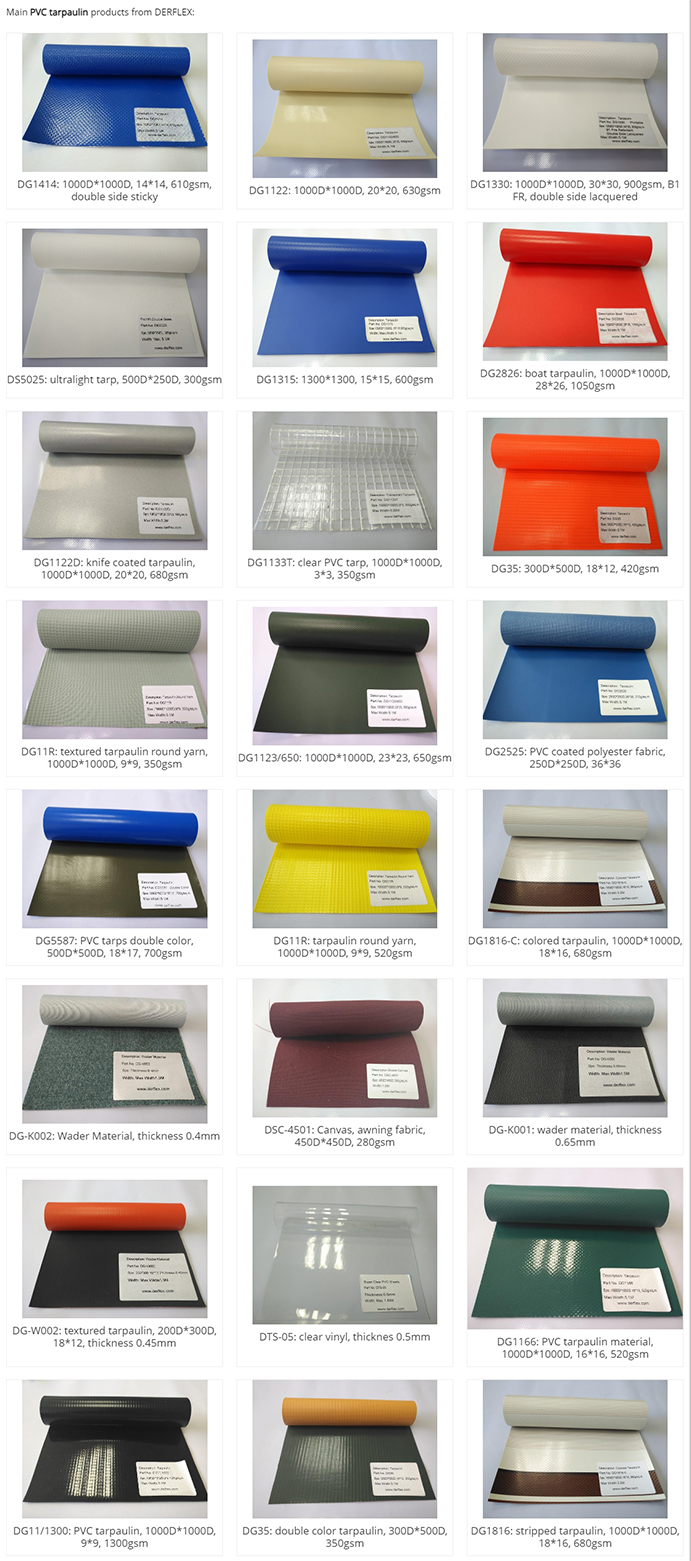
“Heavy duty tarp” is too vague for a defensible B2B warranty. Two products with similar weight can use different base fabric, coating, surface treatment, reinforcement and fabrication details. If those variables are not controlled before production, the claim discussion can become subjective.
A stronger approach is to connect warranty review to a revision-controlled technical sheet, approved sample and finished drawing. The DERFLEX tarpaulin technical specification guide explains how material construction, GSM, dimensions, tensile/tear requirements, coating adhesion, surface treatment, seams, hems, grommets and acceptance criteria can be written into a reproducible order standard.
A good after-sales process does not jump directly from one damage photo to “approved” or “rejected.” It reconstructs the order, verifies the failure mode and compares the evidence with the agreed use condition.
Record PO/PI, SKU, batch or package marks, shipment date, affected quantity and first discovery date.
Provide overview images plus close-ups, measurements, video when movement matters, and notes on where the damage started.
Show installation, tie-down direction, cargo contact, climate, chemical exposure, duty cycle, maintenance and any field repairs.
Do not discard every failed unit. Keep representative goods, labels and samples until the supplier confirms the review is complete.
After verification, apply the remedy stated in the order terms—such as repair support, replacement, credit or another agreed solution.
Better evidence speeds up technical review and helps distinguish production non-conformance from installation, abrasion, loading or environmental causes.
A procurement team should not wait for a failure to discover how the warranty works. Define the framework at quotation or contract stage and align it with the approved specification.
For a custom tarp program, the most useful clause is usually not the longest one. It is the one that clearly connects conformity, normal use, exclusions, evidence, notification timing and remedy.
“Supplier warrants that the goods will conform to the approved product specification and agreed finished construction, and will be free from verified manufacturing defects in materials and workmanship for the warranty period stated in the applicable quotation, proforma invoice or purchase contract, when used under the agreed service conditions. Claims must identify the order and affected batch, provide reasonable photographic or measurement evidence, describe actual installation and operating conditions, and preserve representative goods when requested. Coverage, exclusions, notification timing and the available remedy—including repair, replacement, credit or another agreed solution—shall be governed by the written order terms.”
This is a commercial drafting example for procurement discussion, not legal advice. Buyers and suppliers should adapt the clause to the governing law, Incoterm, product risk, project specification and their own legal review.
The failure name alone does not decide coverage. The cause matters. A tear can come from a defective reinforcement layout, or from a sharp steel edge. A leak can come from faulty welding, or from a puncture. A grommet can pull out because reinforcement was inadequate, or because load was concentrated into one eyelet.
Review where the tear started. Edge abrasion, cargo corners, dragging and wind flap normally point to service conditions; a repeatable tear pattern at a manufacturing detail may justify a workmanship or design review.
Determine whether water is passing through the sheet, a weld/seam, a puncture, a hardware opening or pooled-water deformation. “Waterproof fabric” does not automatically mean every finished geometry is leak-proof.
Compare the failed surface with the retained sample and review heat, cold, chemical contact, cleaning agents, storage and actual outdoor exposure before assigning root cause.
Inspect the hem layers, webbing, hole spacing, hardware, pull angle and tie-down method. A stronger tarp still needs a load path that spreads force through the reinforced perimeter.
The selected grade must match the target climate and service cycle. UV degradation outside the agreed material or exposure requirement should not be confused with a manufacturing defect.
If the finished tarp does not match the approved drawing, that is different from a tarp that was ordered to the wrong measurements. Preserve the signed drawing and the final measured dimensions.
For a deeper diagnosis of wind, abrasion, hardware and seam damage, review DERFLEX’s truck tarp failure guide. It helps purchasing teams convert a failed cover into a better replacement specification.
A warranty period is only one variable. For bulk buyers, the more practical questions are what the supplier controls, how repeatable the specification is, whether the claim process is documented, and whether failure evidence can be traced back to the produced batch.
A buyer comparing a 12-month term with a multi-year term should read the exclusions and remedy just as carefully as the headline duration. A pro-rated credit, full replacement, repair-only obligation and material-only warranty can have very different commercial value.
Also separate warranty from expected service duration. The DERFLEX tarp lifespan guide explains why PVC/vinyl, PE, canvas and mesh have different planning ranges and why UV, wind, abrasion, edge design and maintenance can shorten real life dramatically.
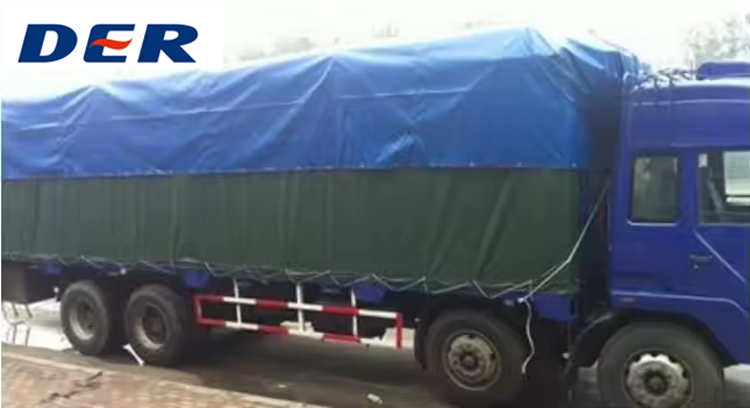
The purpose is to make warranty language testable, not promotional.
Ask whether coverage is for material conformity, workmanship, seams/welds, hardware installation, dimensions, coating adhesion or another defined category.
Invoice date, shipment date, receipt date, installation date and manufacture date are not interchangeable. Put the trigger in writing.
Read the actual exclusions for wear, abrasion, puncture, misuse, installation, maintenance, chemicals, UV, wind, accident and modification.
Clarify whether the supplier may repair, replace, issue credit, supply material only, or use another agreed remedy after verification.
Replacement product cost, return freight, outbound freight, installation labor and consequential loss may be treated differently. Do not assume they are included.
Confirm notification deadline, photos, batch marks, test samples, proof of purchase, return authorization and whether failed goods must be retained.
B2B warranty control is easier when the material, production route and finished construction are documented from the beginning.
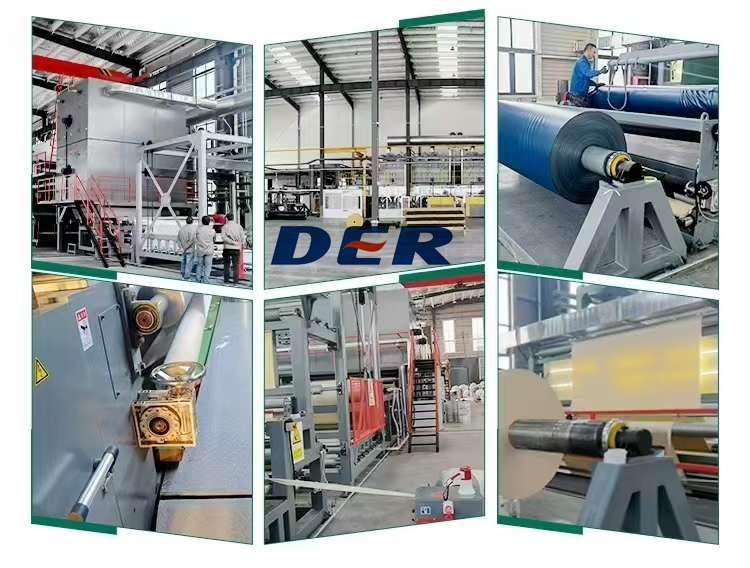
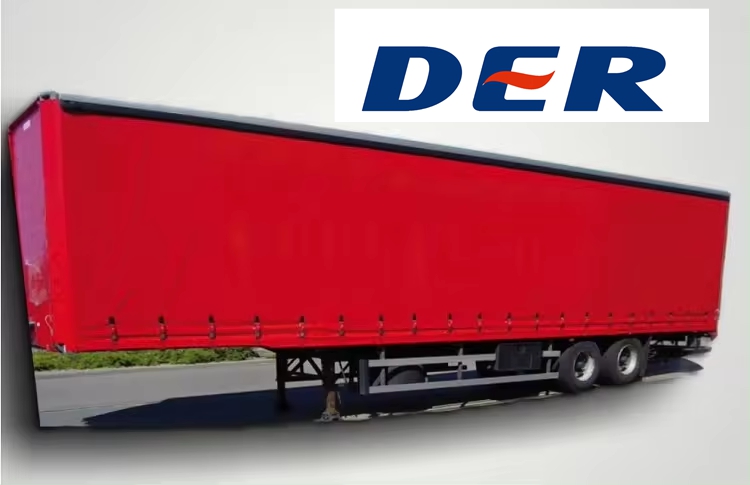
DERFLEX supplies PVC coated polyester tarp materials, roll goods and custom finished tarps for B2B applications. The practical route is to define the use condition, approve the material and finished construction, and then confirm the project-specific warranty terms in the order documents.
Start with exposure, dimensions, duty cycle, wind, abrasion, waterproofing, UV, chemicals, temperature, handling and fastening method.
Confirm material construction, GSM/weight direction, color, surface, dimensions, seams, hems, reinforcement, hardware, labels and packing.
Confirm sample status, inspection standard, quantity, shipping terms, warranty period, exclusions, evidence requirements and claim remedy before release.
Buyers who are still defining the product can start with the DERFLEX tarpaulin buying guide, review the broader tarp manufacturer and product hub, or move directly into custom tarp manufacturing when dimensions, reinforcement and hardware need to be developed around a specific application.
These pages connect warranty planning with material choice, technical specification, durability and finished-cover design.
A few preventable purchasing habits create most ambiguity later.
Weight is useful, but it does not define base-fabric strength, coating bond, UV direction, seam design, reinforcement or finished-cover durability.
Put the period, scope, exclusions, evidence and remedy into the commercial documents. Email discussion alone can leave critical terms unclear.
Photos may not show coating layers, tear origin or hardware construction. Keep representative failed units or samples until the investigation closes.
A tarp under shock load, sharp-edge abrasion or constant wind flap may fail even when the raw material meets specification. Installation belongs in the failure review.
A planning expectation for years of use is not automatically a contractual promise. Treat the two as separate procurement controls.
If the buyer changes dimensions, hardware, reinforcement, use environment or material after sample approval, document the revision before mass production.
Direct answers for procurement, quality and after-sales teams.
Send DERFLEX your application, dimensions, material/GSM direction, climate and exposure, reinforcement, hardware, quantity, destination and expected duty cycle. The team can review the product specification and confirm project-specific commercial terms for your quotation.