UV Aging
Sunlight can fade surfaces, harden polymers and reduce flexibility. UV-resistant formulations matter most when the tarp stays outside continuously.



Tarp lifespan is not a fixed number. Material, UV exposure, wind movement, abrasion, water pooling, edge reinforcement, installation and maintenance all change the real service life. This guide gives buyers practical planning ranges for poly, PVC/vinyl and canvas tarps—and a better method for deciding when to repair, replace or upgrade.
Most tarps do not have a universal expiration date. In continuous outdoor use, economy poly tarps may last from weeks or months to around a year, stronger UV-treated poly grades may serve for one or several seasons, and industrial PVC/vinyl tarps can provide multi-year service when correctly specified, fabricated and maintained. Severe sun, wind flap, abrasion, sharp contact points or poor tie-down design can shorten any of these ranges dramatically.
The table below is a purchasing reference, not a warranty. Real lifespan depends on the exact grade, climate, loading, fabrication and care.
| Tarp Type | General Outdoor Planning Range | Best Fit | What Usually Shortens Life | Buyer Check |
|---|---|---|---|---|
| Light-duty PE / Poly | Weeks to about 12 months in continuous exposed use; highly climate-dependent. | Temporary rain cover, emergency protection, short projects, low-risk storage. | Strong UV, wind flap, thin weave, sharp edges, loose tie-downs and frequent dragging. | Confirm mil, weave/mesh construction, UV treatment, reinforced corners and finished size. |
| Heavy-duty / UV-treated PE | Often around 1–3+ years; some grades can last longer in moderate exposure and careful use. | Seasonal outdoor storage, agriculture, construction and general commercial covers. | High-UV climates, repeated abrasion, constant tension at eyelets and poor drainage. | Compare UV package and reinforcement—not only thickness or color. |
| PVC / Vinyl Coated Polyester | Commonly a multi-year solution; quality heavy-duty grades are often planned for roughly 3–10+ years depending on exposure and use. | Truck covers, industrial equipment, construction, agriculture, storage and repeat-use custom tarps. | Continuous wind whip, severe abrasion, chemical attack, bad seam layout, overloaded hardware and prolonged extreme UV. | Confirm base cloth, coating, GSM, UV direction, weld quality, hems, webbing and attachment design. |
| Treated Canvas | Often about 1–5+ years outdoors; treatment quality, drying and mildew control strongly affect results. | Breathable equipment protection, materials that benefit from airflow and selected industrial uses. | Wet storage, mildew, untreated fabric, pooling water and prolonged UV. | Confirm fabric weight, water-repellent treatment, mildew resistance and retreatment plan. |
| Mesh Tarp | No useful universal range: polymer, openness, UV package and edge load vary too widely. | Shade, debris containment, dump-truck loads, privacy and airflow applications. | UV aging, edge tear-out, repeated wind cycling and local load around grommets. | Specify shade/open area, tensile/tear data, edge webbing and actual fixing load. |
Important: These are broad market planning ranges, not guaranteed DERFLEX product lifetimes. A properly engineered lighter tarp can outlast a poorly installed heavier tarp. For a deeper material comparison, see the DERFLEX tarp material guide.
Tarp life is usually controlled by the first weak point in the system—not by one headline thickness number.
Sunlight can fade surfaces, harden polymers and reduce flexibility. UV-resistant formulations matter most when the tarp stays outside continuously.
A loose tarp repeatedly flexes at the same lines and pulls on edges and grommets. Movement can destroy a good fabric faster than steady weather exposure.
Truck rails, steel edges, rough concrete, roof corners and dragged ground contact can grind through a coating long before the rest of the sheet ages.
Many field failures start around attachment points. Hem layers, webbing, D-rings, grommet spacing and the pull direction decide how load enters the cover.
A waterproof tarp is not a structural roof by itself. Ponded water adds load, stretches panels and can stress seams and fixing points.
Folding a dirty or wet tarp can trap moisture and abrasive grit. Oils, solvents, salts or incompatible chemicals may also attack the surface.
This is why the tarp thickness guide treats mil, mm and GSM as only part of the durability decision.
For procurement, a simple exposure score is more useful than assuming every tarp of the same material lasts the same number of years.
This score is a procurement planning tool created for this guide; it is not an ASTM, ISO or laboratory test standard.
Real DERFLEX product, application and manufacturing imagery helps connect service life to material structure and fabrication.
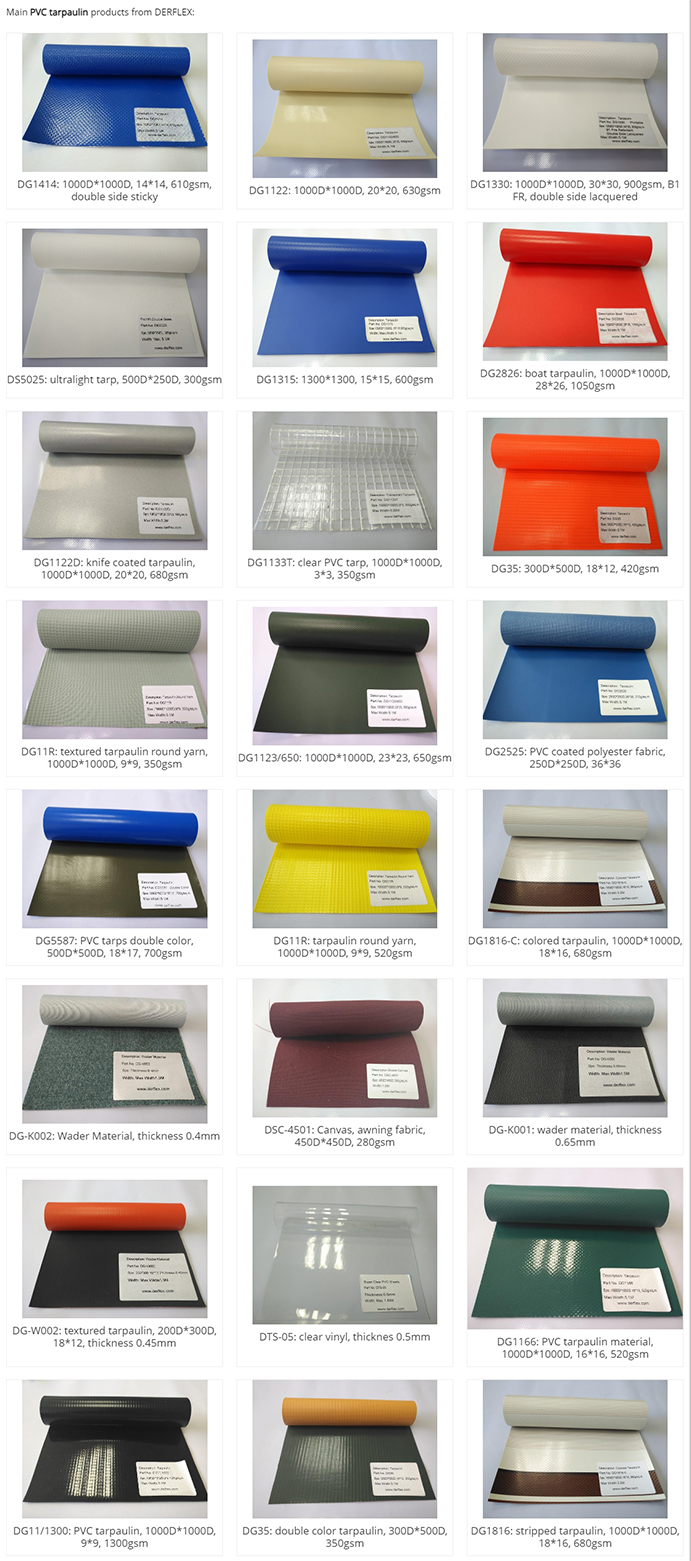
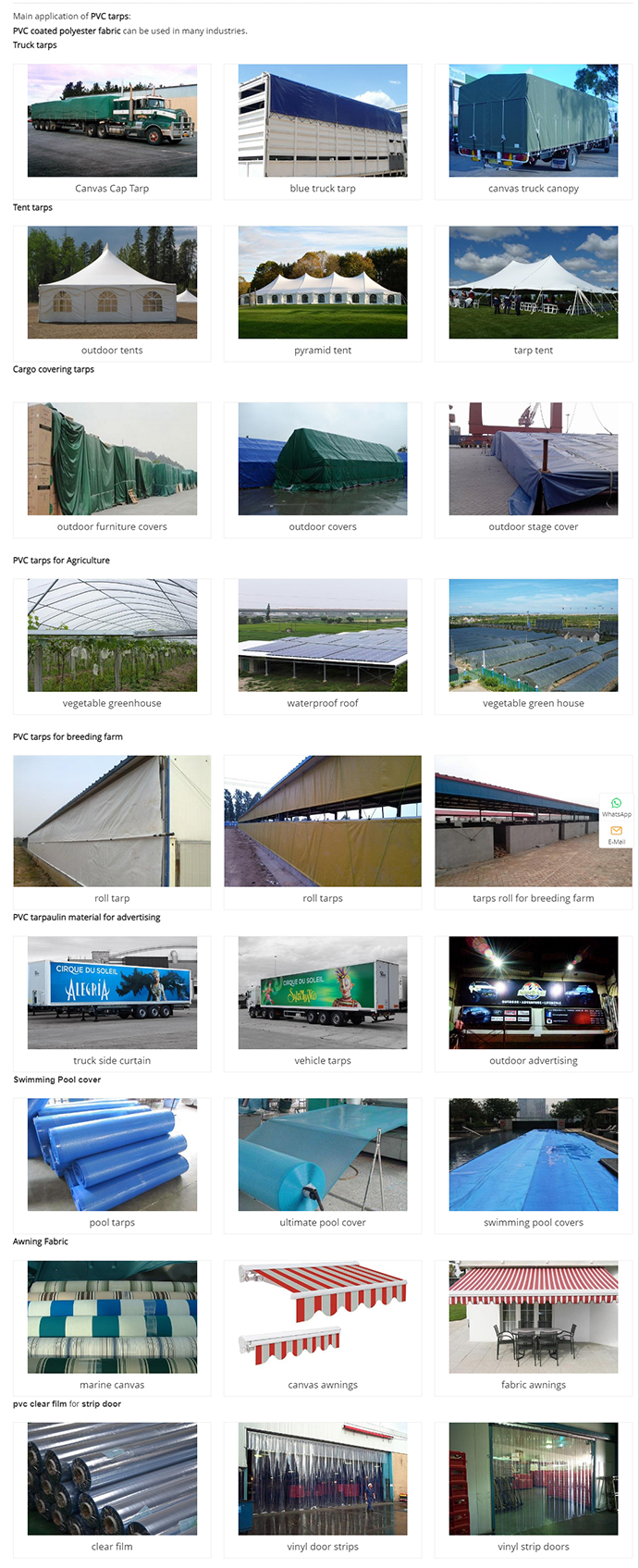
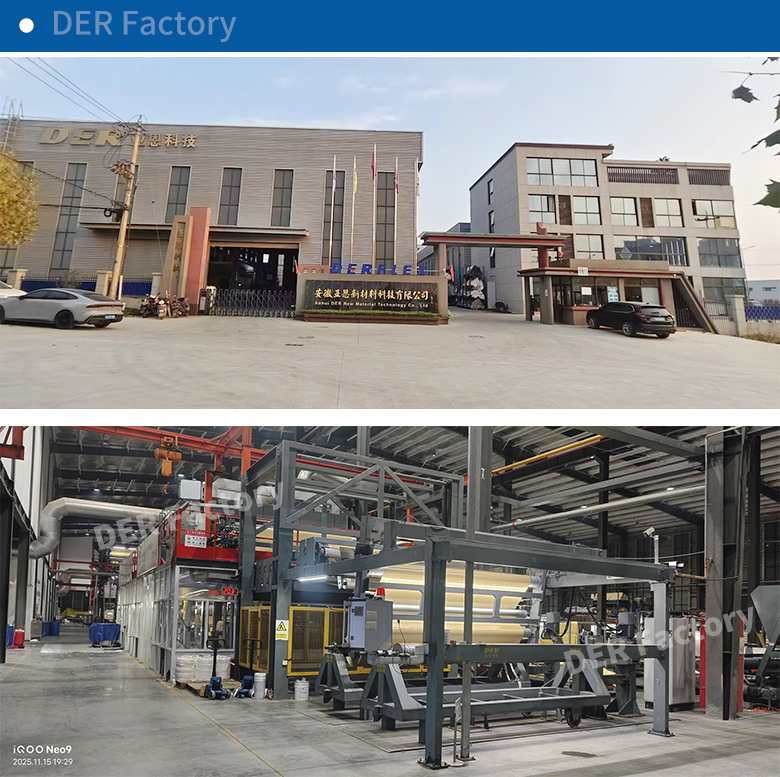
The fastest lifespan gains often come from reducing movement, abrasion and local stress—not simply buying a thicker sheet.
Reduce repeated flapping while avoiding excessive load at a few grommets or corners.
Use wear pads or local reinforcement where cargo, machinery or frames repeatedly rub the tarp.
Shape the cover so rain can run off. Standing water increases both weight and stress.
Surface contamination can accelerate wear during folding, rolling and movement.
This is especially important for canvas and for any tarp stored in warm, humid conditions.
A small puncture, edge split or local seam problem can grow rapidly once wind and tension enter the damaged zone.
Reinforce corners, hems and specific high-wear zones rather than making the whole tarp unnecessarily heavy.
UV, cold-flexibility, mildew and chemical requirements should be discussed before material approval.
For a dedicated maintenance workflow, read how to make a tarp last longer outdoors.
Age alone does not decide replacement. What matters is whether damage is localized and repairable or whether the material system is degrading across the cover.
For fleet, construction, industrial storage or OEM resale programs, compare replacement frequency rather than purchase price alone. A cover that costs less but fails twice as often can create more labor, downtime and protected-goods risk.
DERFLEX’s vinyl vs poly tarps guide is useful when the decision is mainly between low initial cost and longer-duty service.
Use this as a comparison framework—not as an accounting standard. For high-value cargo or critical equipment, the consequence of premature tarp failure can matter more than the tarp price itself.
Do not send a supplier only “I need a 3-year tarp.” Translate the desired life into measurable exposure and construction requirements.
Continuous outdoor installation, seasonal storage, truck route use, daily folding, temporary construction or occasional emergency cover.
UV intensity, wind, rainfall, pooling risk, abrasion, road spray, chemicals, cold and heat.
PE/poly, PVC/vinyl coated polyester, canvas, mesh or another coated fabric based on the dominant failure risk.
Finished dimensions, seam method, hems, webbing, wear pads, corner reinforcement, D-rings and grommet layout.
For OEM or fleet programs, record the approved material, color, surface, fabric weight, reinforcement and packing—not just a product nickname.
Define when operators inspect attachment zones, patch local damage, clean the tarp and remove it from service.
These six verified DERFLEX resources cover adjacent material, thickness, durability and maintenance decisions.
Short answers for common durability, outdoor-use and replacement questions.
Outdoor tarp life can range from weeks to many years. Economy poly tarps may be short-term, stronger UV-treated poly grades may last one or several seasons, and heavy-duty PVC/vinyl tarps are commonly used when multi-year service is required. Climate, wind, abrasion, tie-down design and care can move the result far above or below a general planning range.
Quality PVC/vinyl coated polyester tarps are often selected for multi-year outdoor service. Market references commonly discuss roughly 3–10+ years for heavy-duty grades, but that should never be treated as a universal guarantee. UV severity, abrasion, continuous movement, coating formulation, base fabric and edge construction all matter.
Basic poly tarps may last only a few months under hard sun and wind, while heavier UV-treated polyethylene tarps can last one or several years in moderate conditions. “Poly tarp” covers a wide range of thicknesses, weave densities, UV packages and reinforcement levels, so compare the actual specification.
No. Thickness can improve puncture and wear resistance, but service life also depends on the base fabric, coating or lamination quality, UV treatment, seam design, edge reinforcement, hardware, wind movement and abrasion. A thick tarp with weak edges can fail early.
Color alone is not a reliable lifespan rating. Pigments and reflective surfaces can influence heat and light behavior, but outdoor durability should be specified through the material structure and UV stabilization package rather than assuming one color automatically lasts longer.
Yes, if the material and installation are designed for continuous outdoor exposure. For year-round use, review UV resistance, wind load, drainage, abrasion, tie-down layout, temperature range and inspection access. Temporary light-duty covers should not automatically be treated as permanent outdoor systems.
Common causes include loose flapping, too much load concentrated at a few points, insufficient hem reinforcement, pulling at the wrong angle and a mismatch between grommet spacing and actual wind or tie-down stress. Webbing, D-rings or local reinforcement may distribute load more effectively in some applications.
Replace the tarp when brittleness, cracking, delamination, widespread leakage or multiple attachment failures show that the material system is degrading across the cover. Local punctures or isolated hardware damage may still be repairable if the surrounding material remains strong and flexible.
Send DERFLEX the application, finished dimensions, material direction, target GSM or thickness, expected outdoor duration, UV/wind/abrasion conditions, reinforcement and hardware layout, quantity, destination and any required test or compliance criteria. The team can review a practical material and fabrication direction for quotation.
Technical note: lifespan ranges on this page are general planning references. Final service life varies with the approved material, manufacturing specification, installation, environment, handling and maintenance; they are not product warranties.