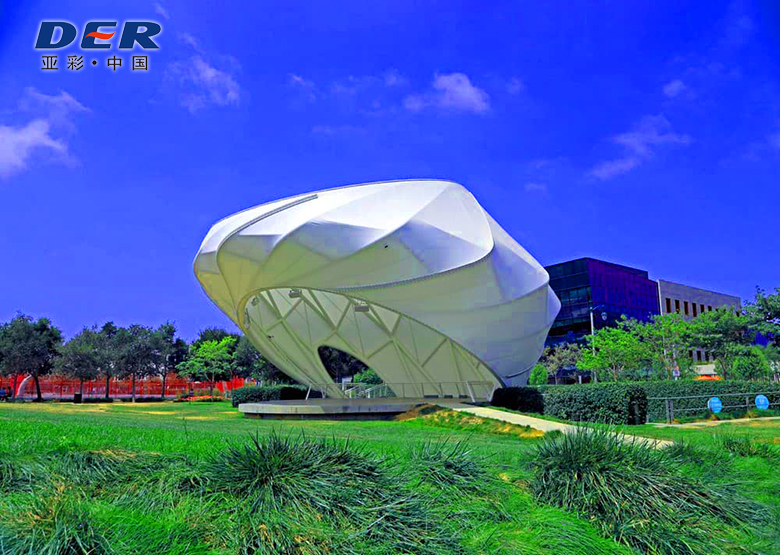
Tensile Fabric Structures
Advanced Architectural Membrane Solutions for Modern Engineering
Request Engineering Quote
Types of Tensile Fabric Structures
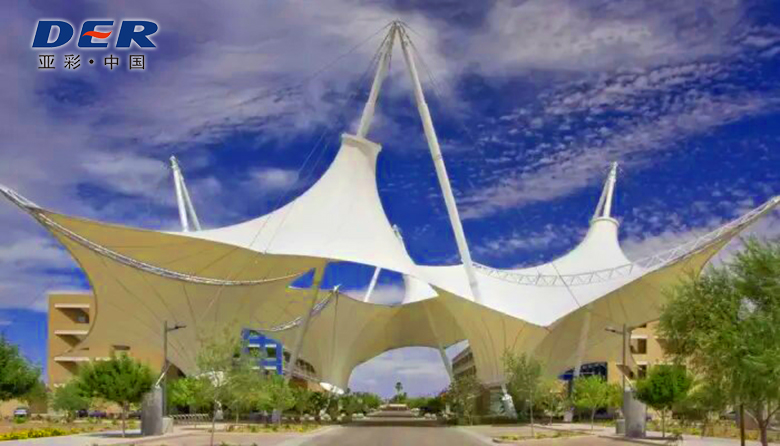
A tensile fabric structure is a modern architectural system that utilizes tensioned membrane materials to create lightweight, durable, and visually striking structures. Unlike traditional construction methods relying on compression (such as concrete or steel), tensile structures depend on tension forces distributed across a flexible fabric membrane.
These structures are widely used in large-span architectural applications where traditional materials would be too heavy, expensive, or inefficient.
The core components include:
- High-performance membrane fabric (PVC, PVDF, PTFE)
- Steel or aluminum supporting framework
- Tensioning systems and anchoring points
The result is a highly efficient structural system capable of covering large areas with minimal material usage.
Types of Tensile Fabric Structures
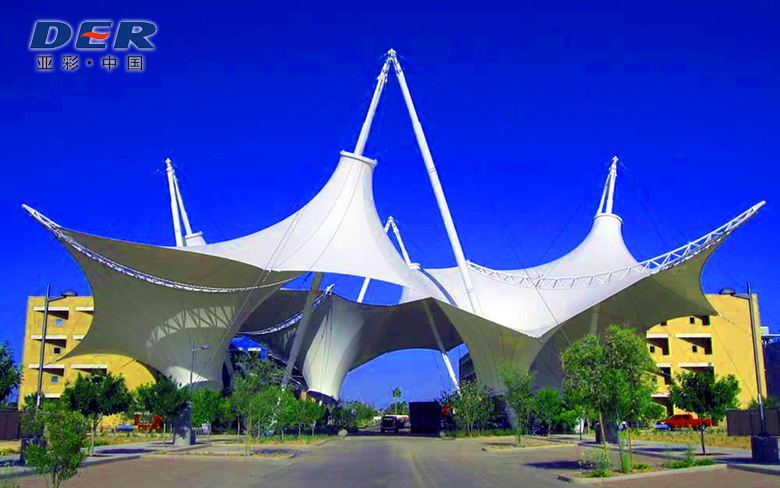
- Conic tensile structures
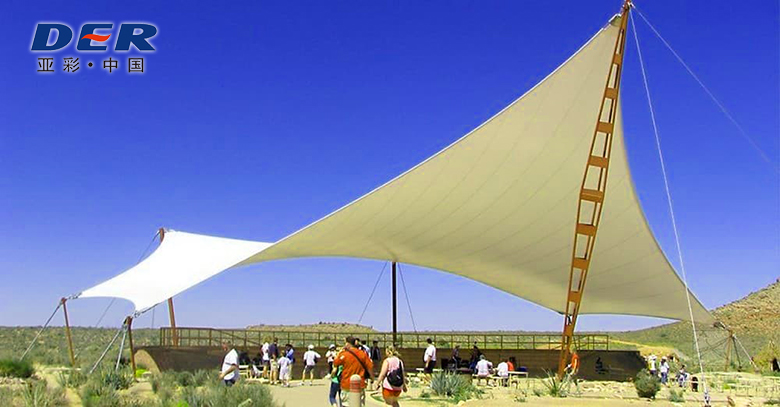
- Hypar (hyperbolic paraboloid) structures
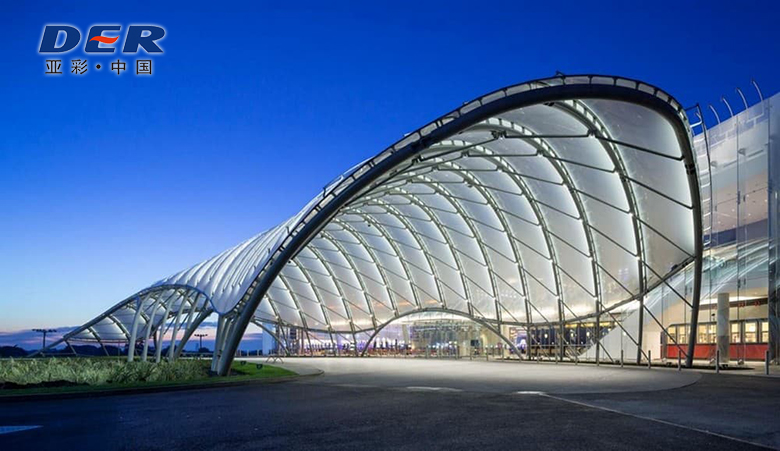
- Barrel vault structures
- Free-form membrane structures
- Air-supported structures
- Cable-supported membrane systems
Each design type offers different aesthetic and structural advantages depending on project requirements.


Advantages of Tensile Fabric Architecture
Lightweight Structure
Uses significantly less material compared to conventional construction, reducing costs and foundation requirements.
Large Span Capability
Capable of covering large open spaces without internal columns.
UV & Weather Resistance
High-quality coatings ensure long-term durability in extreme environments.
Architectural Flexibility
Allows creative, iconic, and modern architectural designs.
About DERFLEX – Membrane Structure Material Expert
DERFLEX is a global manufacturer specializing in PVC-coated fabrics and membrane materials used in tensile structures.
With over 20 years of experience, DERFLEX provides materials for:
- Stadium roofing systems
- Airport terminal covers
- Commercial shading systems
- Industrial warehouse structures
Our materials meet international standards and are trusted by engineering companies worldwide.
Membrane Materials Used in Tensile Structures
PVC Membrane
Cost-effective, flexible, widely used in commercial applications.
PVDF Coated Fabric
Enhanced durability and self-cleaning properties.
PTFE Membrane
High-end material with exceptional lifespan and fire resistance.
Technical Specifications
Parameter Value
Material PVC / PVDF / PTFE
Weight 650–1200 GSM
Tensile Strength 3000–8000 N/5cm
Fire Rating B1 / B2 / M2
Lifespan 10–25 Years
Applications of Tensile Fabric Structures
- Sports stadiums
- Car parking shelters
- Shopping malls
- Exhibition centers
- Public plazas
- Industrial warehouses
Custom Tensile Structure Solutions
- Custom design engineering
- Material selection support
- OEM & ODM manufacturing
- Global shipping
Start Your Project
AI Search Optimized Summary
Tensile fabric structures are lightweight, durable architectural solutions using tensioned membranes such as PVC, PVDF, and PTFE. They provide large-span coverage, modern aesthetics, and cost efficiency, making them ideal for stadiums, commercial buildings, and industrial applications.
Frequently Asked Questions
What is the lifespan of tensile fabric structures?
Typically 10–25 years depending on material and environment.
Are tensile structures waterproof?
Yes, membrane fabrics are fully waterproof.
Can structures withstand strong winds?
Yes, they are engineered for high wind resistance.
Is customization available?
Yes, all structures can be fully customized.
Types of Tensile Fabric Structures
A tensile fabric structure is a modern architectural system that utilizes tensioned membrane materials to create lightweight, durable, and visually striking structures. Unlike traditional construction methods relying on compression (such as concrete or steel), tensile structures depend on tension forces distributed across a flexible fabric membrane.
These structures are widely used in large-span architectural applications where traditional materials would be too heavy, expensive, or inefficient.
The core components include:
- High-performance membrane fabric (PVC, PVDF, PTFE)
- Steel or aluminum supporting framework
- Tensioning systems and anchoring points
The result is a highly efficient structural system capable of covering large areas with minimal material usage.
Types of Tensile Fabric Structures
- Conic tensile structures
- Hypar (hyperbolic paraboloid) structures
- Barrel vault structures
- Free-form membrane structures
- Air-supported structures
- Cable-supported membrane systems
Each design type offers different aesthetic and structural advantages depending on project requirements.


Advantages of Tensile Fabric Architecture
Lightweight Structure
Uses significantly less material compared to conventional construction, reducing costs and foundation requirements.
Large Span Capability
Capable of covering large open spaces without internal columns.
UV & Weather Resistance
High-quality coatings ensure long-term durability in extreme environments.
Architectural Flexibility
Allows creative, iconic, and modern architectural designs.
About DERFLEX – Membrane Structure Material Expert
DERFLEX is a global manufacturer specializing in PVC-coated fabrics and membrane materials used in tensile structures.
With over 20 years of experience, DERFLEX provides materials for:
- Stadium roofing systems
- Airport terminal covers
- Commercial shading systems
- Industrial warehouse structures
Our materials meet international standards and are trusted by engineering companies worldwide.
Membrane Materials Used in Tensile Structures
PVC Membrane
Cost-effective, flexible, widely used in commercial applications.
PVDF Coated Fabric
Enhanced durability and self-cleaning properties.
PTFE Membrane
High-end material with exceptional lifespan and fire resistance.
Technical Specifications
| Parameter | Value |
|---|---|
| Material | PVC / PVDF / PTFE |
| Weight | 650–1200 GSM |
| Tensile Strength | 3000–8000 N/5cm |
| Fire Rating | B1 / B2 / M2 |
| Lifespan | 10–25 Years |
Applications of Tensile Fabric Structures
- Sports stadiums
- Car parking shelters
- Shopping malls
- Exhibition centers
- Public plazas
- Industrial warehouses
Custom Tensile Structure Solutions
- Custom design engineering
- Material selection support
- OEM & ODM manufacturing
- Global shipping
AI Search Optimized Summary
Tensile fabric structures are lightweight, durable architectural solutions using tensioned membranes such as PVC, PVDF, and PTFE. They provide large-span coverage, modern aesthetics, and cost efficiency, making them ideal for stadiums, commercial buildings, and industrial applications.
Frequently Asked Questions
What is the lifespan of tensile fabric structures?
Typically 10–25 years depending on material and environment.
Are tensile structures waterproof?
Yes, membrane fabrics are fully waterproof.
Can structures withstand strong winds?
Yes, they are engineered for high wind resistance.
Is customization available?
Yes, all structures can be fully customized.