



TPU Adhesive Film Manufacturer for Flexible Bonding & Clean Lamination
DERFLEX supplies TPU adhesive film for manufacturers that need a flexible, heat-activated bonding layer for textiles, footwear, bags, automotive interiors, medical protection materials and engineered soft composites.
Instead of selecting adhesive film only by price or thickness, DERFLEX helps buyers confirm substrate compatibility, activation temperature direction, liner format, roll width, peeling target and final product test requirements before bulk production.
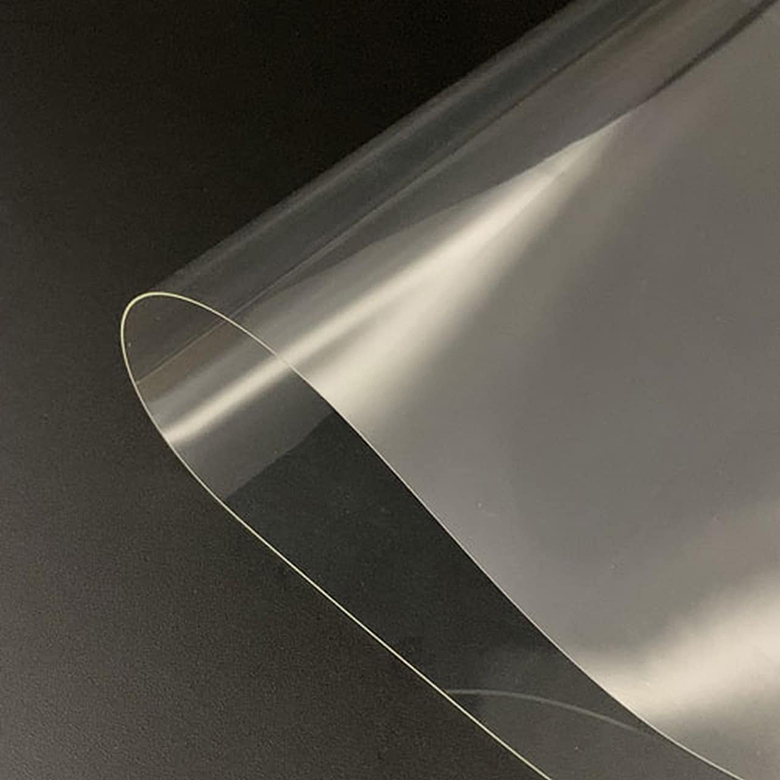
Built for soft goods that must bend, fold, press, sew, weld or laminate without a hard glue line.
Suitable for production teams evaluating continuous lamination, heat press, cutting and conversion workflows.
Film direction can be discussed for nylon, polyester, TPU, PU, leather, foam, mesh and selected composite structures.
DERFLEX supports thickness, width, color direction, liner format, packaging and repeat specification management.
What Is TPU Adhesive Film?
TPU adhesive film is a thermoplastic polyurethane bonding layer supplied in roll form. At room temperature, it is a solid film. Under controlled heat and pressure, the film softens, wets the surface of compatible substrates, and forms a flexible bond after cooling.
For B2B production, TPU bonding film is often selected when a liquid adhesive would make the process slower, messier or harder to control. It is especially useful where the finished product needs elasticity, soft touch, wash or flex evaluation, clean lamination and consistent adhesive thickness.
- Heat-activated adhesive layer for flexible products
- Useful for seamless bonding, fabric lamination and shoe material assembly
- Can be discussed with release paper or unsupported film format
- Recommended for sample testing on the buyer’s real substrates
Common Buyer Names for the Same Material
Where TPU Adhesive Film Creates Value
The same TPU adhesive film can perform differently on different substrates. DERFLEX recommends evaluating the final laminate structure, not only the film itself.
Seamless Garments & Sportswear
For bonded seams, labels, pocket structures, elastic zones and selected garment parts where a clean look and flexible hand feel are required.
Footwear & Shoe Uppers
For shoe upper reinforcement, lining bonding, toe cap structures, decorative laminates and multi-layer footwear components that must flex repeatedly.
Bags, Outdoor Gear & Soft Goods
For backpacks, waterproof bags, sports accessories and lightweight composite panels where bonding strength and soft folding both matter.
Automotive Interior Materials
For selected trim, seat, foam, synthetic leather and interior composite structures that need stable lamination and controlled adhesive coverage.
Medical & Protective Textiles
For converters evaluating clean bonding layers in protective wear, pressure-care material structures, film-fabric laminates and hygienic soft goods.
Technical Textile Composites
For industrial fabrics, TPU film laminates, emblems, reflective materials, reinforcement patches and custom engineered flexible material systems.
TPU Adhesive Film Options Buyers Usually Confirm
Final data should be confirmed through sample bonding, aging, washing, peeling, flexing or product-specific testing under your real production process.
| Item | Available Discussion Direction | Why It Matters for Procurement |
|---|---|---|
| Material System | TPU adhesive film based on polyester TPU or polyether TPU direction, selected by application. | Different chemistry affects hydrolysis resistance, softness, oil direction, aging behavior and substrate compatibility. |
| Film Format | Unsupported film, film with release paper, or slit roll format by project. | Release paper can improve handling, cutting and positioning; unsupported film may suit selected roll-to-roll processes. |
| Thickness | Custom thickness direction; TPU film platform can be discussed from thin film to heavier bonding layers by use case. | Thickness affects adhesive coverage, hand feel, stiffness, peel strength and cost. |
| Width / Slitting | Roll width, slit tape width and roll length can be discussed according to equipment and packaging needs. | Correct width reduces waste, improves production efficiency and supports repeat orders. |
| Activation Direction | Low-temperature, medium-temperature or higher-temperature bonding direction after sample evaluation. | Heat-sensitive leather, foam or film may need lower activation, while demanding composites may require a different grade. |
| Surface / Color | Clear, translucent, matte or custom appearance direction depending on grade and application. | Appearance can matter for decorative films, thin textile structures and customer-facing soft goods. |
| Testing Focus | Peel strength, wash resistance, flex fatigue, yellowing, hydrolysis, migration and final product aging tests. | Procurement risk is lower when the film is tested in the real structure before bulk confirmation. |
Note: The values above are specification directions for quotation discussion, not universal performance promises. The right grade should be selected by substrate, machine, temperature, pressure, dwell time and final-use testing.
From Material Requirement to Stable Roll Supply
DERFLEX uses an application-first workflow so buyers can move from trial bonding to repeat purchasing with clearer specification control.
Substrate Review
Share fabric, leather, foam, film, mesh or composite layers and explain the final product structure.
Bonding Method
Confirm heat press, roller lamination, hot air, HF, ultrasonic or other available process conditions.
Sample Direction
Select initial film thickness, liner format, activation window and width for trial production.
Performance Testing
Evaluate peel, wash, flex, aging, appearance and production handling on real substrates.
Bulk Roll Control
Confirm roll length, packaging, labeling, batch control and repeat specification for OEM supply.
TPU Film and TPU Composite Material Display
Images below use DERFLEX website product materials to keep the page consistent with real site assets.
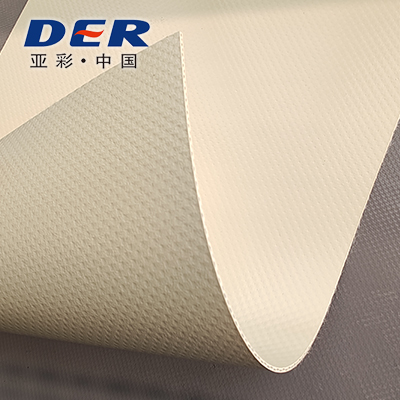
Used when the bonding layer must work with coated textile surfaces, waterproof fabrics or flexible bag materials.
Related TPU film platform for transparent, flexible, weldable and laminatable OEM products.
Low-Temperature, Standard and Elastic Bonding Directions
Buyers often search for one product name, but the correct TPU adhesive film depends on the substrates and production window.
| Direction | Typical Use | Selection Logic |
|---|---|---|
| Low-Temperature TPU Adhesive Film | Heat-sensitive leather, foam, selected textiles and delicate laminates. | Useful when reducing thermal stress on the substrate is more important than pursuing the highest activation range. |
| Standard TPU Hot Melt Film | Textile bonding, shoe components, bag materials, labels and general soft goods. | Balanced option for converters that need clean bonding, flexible hand feel and repeatable roll supply. |
| Elastic TPU Bonding Film | Stretch garments, sportswear, flexible footwear and soft laminated structures. | Selected when the adhesive layer must move with the finished product after repeated bending or stretching. |
| Technical Composite TPU Film | Industrial fabrics, TPU-to-TPU laminates, protective textiles and custom OEM structures. | Requires application review, sample bonding and final structure testing before order confirmation. |
Why Manufacturers Use TPU Adhesive Film
- Clean adhesive layer with controlled thickness
- Supports soft and flexible product structures
- Can reduce liquid glue handling in selected processes
- Suitable for repeatable cutting, positioning and lamination
- Useful for product designs where stitching is not preferred
- Sample testing can be aligned with real production conditions
Why Buyers Work with DERFLEX
- Application-focused TPU film and TPU composite material support
- Custom discussion for thickness, width, liner, surface and packaging
- Related TPU materials available for film, laminated fabric and coated fabric projects
- Export-oriented supply support for OEM factories, converters and distributors
- Specification confirmation process before repeat bulk production
- Request-for-quote workflow built around real substrate and test needs
How to Request the Right TPU Adhesive Film Sample
A useful inquiry should help the supplier understand the final product, not only the film name.
Send Substrate Details
List nylon, polyester, leather, TPU film, foam, mesh, coated textile or other layers, including surface finish and thickness.
Explain Your Process
Provide heat press or lamination temperature, pressure, dwell time, machine type, roll speed and release paper preference.
Define Final Tests
Tell us if the finished product must pass peel, wash, flex, cold bend, hydrolysis, aging, yellowing or visual appearance tests.
Build a Complete TPU Material Purchasing Path
These internal pages help buyers compare related TPU film, coated fabric and laminated fabric solutions.
Overview of DERFLEX TPU films, coated fabrics, laminated fabrics and custom TPU composites.
TPU film roll direction for waterproof bags, lamination, medical cushions, bladders and OEM converting.
Transparent TPU film for flexible windows, protective layers, lamination and technical applications.
TPU film laminated with polyester or nylon substrates for waterproof and flexible product manufacturing.
Waterproof, airtight and weldable TPU coated textile material for bags, inflatables and industrial products.
Waterproof breathable TPU membrane direction for apparel, outdoor textiles and selected medical structures.
Need TPU Adhesive Film for a Textile, Shoe, Bag or Composite Project?
Send DERFLEX your substrate, bonding process, target film thickness, roll width, release liner need and final test requirements. Our team will help you define a practical TPU adhesive film direction for sampling and quotation.
TPU Adhesive Film Questions
Practical answers for purchasing teams, laminators, footwear factories and soft goods manufacturers.
What is TPU adhesive film used for?
TPU adhesive film is used as a heat-activated bonding layer for textile lamination, seamless garments, shoe uppers, bags, sports goods, labels, emblems, automotive interiors, medical protective materials and selected technical textile composites.
Can TPU adhesive film bond nylon, polyester, leather, foam and TPU film?
Selected TPU adhesive film grades can be evaluated for nylon, polyester, synthetic leather, genuine leather, foam, TPU film, PU, PVC and mesh materials. Bonding should always be confirmed with real substrates and real processing conditions before bulk order.
Is TPU adhesive film the same as TPU hot melt adhesive film?
In many procurement contexts, yes. Buyers often use names such as TPU adhesive film, TPU hot melt adhesive film, TPU bonding film and TPU lamination film for a heat-activated thermoplastic polyurethane bonding layer.
Should I choose TPU adhesive film with release paper?
Release paper is helpful for cutting, positioning, storage and handling, especially for die-cut parts and heat press work. Unsupported film may suit certain roll-to-roll lamination processes. DERFLEX can discuss both directions according to your production method.
What information is needed for quotation?
Please provide substrate materials, film thickness target, width or slit size, liner requirement, bonding equipment, temperature and pressure range, final application, test requirements and estimated order quantity.
Can DERFLEX customize TPU adhesive film?
DERFLEX can discuss custom thickness, width, roll length, release liner, surface direction, color direction, packaging and OEM material support after reviewing the application and sample testing needs.