News
Industry News

TPU Breathable Fabric | Waterproof TPU Laminate | DERFLEX

Update:2026/8/17 17:26:39 Views:
Technical Textile · OEM Lamination · B2B Roll Supply
Waterproof comfort layer for textile systems

TPU Breathable Fabric for Waterproof, Moisture-Managed Laminates

DERFLEX supplies TPU breathable fabric for garment laminators, outdoor product brands, home-textile converters, protective textile producers and OEM material programs that need a practical balance between liquid-water resistance, moisture-vapor movement, softness and repeatable lamination quality.

Instead of treating “breathable” as one marketing number, DERFLEX helps buyers define the complete fabric system: face textile, hydrophilic TPU membrane direction, adhesive or bonding route, backing layer, width, hand feel, target testing method and finished-product conditions. Final performance is confirmed through sample and laminate testing.

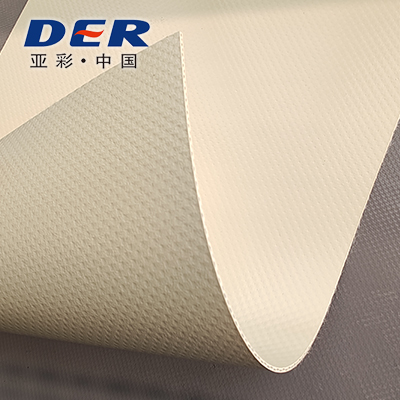
DERFLEX TPU breathable fabric and laminated technical textile
Product image: DERFLEX TPU technical fabric. Breathable projects are developed by matching the textile substrate, membrane chemistry and lamination structure to the buyer's finished product.
Fabric, not only film Choose a ready-to-convert laminated textile when your factory wants the membrane, face fabric and backing engineered as one material system.
2L / 2.5L / 3LComposite structures can be discussed by end-use and converting route.
Hydrophilic TPUNon-porous breathable membrane direction for moisture-vapor management.
Custom Roll GoodsWidth, textile, membrane gauge, finish and packaging are project defined.
Sample ValidationTest the final laminate rather than selecting only by film thickness or a catalog number.
Quick answer

What Is TPU Breathable Fabric?

TPU breathable fabric is a laminated or composite textile in which a thermoplastic polyurethane membrane works with a woven, knitted, stretch, fleece, tricot or nonwoven substrate. The textile supplies appearance, hand feel, strength and process stability; the TPU membrane supplies the functional moisture-management and liquid-barrier direction.

In many waterproof breathable constructions, a hydrophilic TPU membrane moves water vapor through its molecular structure rather than relying on open air holes. This allows a product developer to pursue water resistance and wearer comfort in the same laminate, provided the complete structure is correctly designed and tested.

“Breathable” in this page means moisture-vapor transmission — not unrestricted airflow through an open fabric.

This distinction matters in sourcing. A mesh can feel breathable because air passes through visible openings. A waterproof breathable TPU fabric normally aims to limit liquid-water penetration while allowing water vapor to move through the membrane system.

Procurement note: MVTR, hydrostatic pressure, peel strength and hand feel should be compared using the same test method, conditioning and laminate construction. Results from different methods or structures should not be treated as directly interchangeable.
waterproof breathable TPU fabric TPU membrane fabric hydrophilic TPU laminate breathable TPU textile
Composite architecture

Choose the Layer Structure Before You Choose a Fabric Weight

A breathable TPU laminate can be built in several ways. The useful question is not “Which GSM is best?” but “Which layer architecture gives the right hand feel, durability, protection and processing behavior for the final product?”

2L

Two-Layer TPU Fabric

A face textile is laminated to the breathable TPU membrane, leaving the membrane exposed on the inside or ready for a separate lining.

  • Useful for flexible lightweight garment systems
  • Allows lining design to be handled in garment construction
  • Good route when the buyer needs fabric + membrane without a permanent backer
2.5L

Two-and-a-Half-Layer Construction

The face textile and TPU membrane are combined with a light protective inner treatment or printed/structured back surface.

  • Can reduce material bulk compared with a full textile backer
  • Often evaluated for packable shells and compact outdoor products
  • Back-surface design should be matched to abrasion and skin-contact expectations
3L

Three-Layer TPU Laminate

Face fabric, breathable TPU membrane and a textile backing are laminated into one composite roll.

  • Protects the membrane inside a complete textile sandwich
  • Suitable for workwear, outdoor shells and technical textile structures
  • Backer options can include tricot, knit, fleece or other project-matched textiles
Buyer decision logic

Six Variables That Change the Finished Fabric More Than the Product Name

Search results often group many materials under “breathable TPU fabric,” yet two rolls with the same name can behave very differently. DERFLEX recommends locking the variables below before approving bulk production.

1. Face Fabric & Hand Feel

Nylon, polyester, stretch woven, knit and other substrates change drape, noise, abrasion, appearance, dye behavior and user comfort. Send your target garment or finished product if a similar hand feel is required.

2. TPU Membrane Chemistry

Hydrophilic TPU direction is used when moisture-vapor movement is required. Polyether or polyester chemistry can also be discussed around hydrolysis, humidity, mechanical and conversion requirements.

3. Membrane Gauge

Breathable projects commonly use thin membrane gauges, but thinner is not automatically better. Strength, handling, lamination stability, barrier performance and target MVTR must be balanced together.

4. Adhesive & Lamination Route

Adhesive chemistry, coating coverage, heat, pressure, dwell time and line speed can affect breathability, peel strength, bubbles, stiffness and wash performance. Provide your converting conditions when available.

5. Backing Layer

A tricot, knit, fleece or other backing can protect the membrane and influence comfort, warmth and abrasion. In a 2L structure, this function may instead be handled by the final garment lining.

6. Finished-Product Test

Hydrostatic pressure, MVTR, peel strength, washing, aging and seam behavior should be validated on the finished laminate or final product according to the buyer's market and specification.

RFQ specification framework

TPU Breathable Fabric Specification Direction

The table below is intentionally written as a purchasing framework rather than a fixed catalog promise. Final values depend on the selected textile, membrane grade, lamination route, test method and application, and should be confirmed through approved samples.

Selection Item DERFLEX Development Direction What the Buyer Should Confirm
Product Form TPU breathable fabric / waterproof breathable TPU laminate / TPU membrane fabric in roll goods Whether you need 2L, 2.5L, 3L or a custom composite structure
Textile Substrate Polyester, nylon, stretch fabric, tricot, fleece, knit, nonwoven or project-specific substrate after review Fiber, denier/construction, color, stretch, surface appearance and target hand feel
Membrane Direction Hydrophilic breathable TPU; polyether or polyester TPU direction can be discussed by environment and application Humidity, hydrolysis exposure, washing, skin-contact expectations, mechanical stress and target performance
Typical Membrane Gauge Approx. 0.012–0.080 mm is a practical discussion range for many breathable membrane projects; other gauges can be reviewed Do not select by thickness alone; confirm MVTR, water resistance, handling and bonding after lamination
Surface / Backing Textile face + membrane, light protective back treatment, tricot/knit/fleece backing or custom arrangement Whether the back side contacts skin, another lining, insulation or an industrial component
Width & Roll Format Custom width, roll length, core and packing direction subject to material grade and production feasibility Usable cutting width, machine width, trimming allowance, roll weight and warehouse handling
Performance Targets MVTR, hydrostatic pressure, peel strength, elongation, hand feel and durability can be developed around project targets Specify test method, conditioning, units and pass/fail criteria to make results comparable
Functional Options Color, matte/soft surface, stretch compatibility and other functional directions can be evaluated by project Share target-market compliance, chemical restrictions and finished-product requirements before quotation
Sample Approval Film/fabric direction → laminate trial → performance check → approved reference sample → bulk roll production Keep an approved control sample for repeat-order color, hand feel, bonding and visual comparison
Performance interpretation

Waterproof and Breathable Are a System Balance, Not Two Independent Labels

A fabric may show promising membrane data but behave differently after adhesive coverage, textile lamination, sewing, seam tape, washing or repeated flexing. For that reason, DERFLEX treats performance data as part of a complete validation route.

A buyer developing a rain shell may prioritize hand feel, low bulk and moisture-vapor transfer. A protective workwear program may place more emphasis on laminate durability, abrasion and repeated cleaning. A mattress protector or hygiene textile may care about softness, barrier direction and wash behavior. The same “TPU breathable fabric” label does not create the same ideal specification for all three.

Moisture-Vapor Transfer Verify final laminate

Membrane chemistry, gauge, adhesive coverage and layer construction all influence the measured result.

Liquid-Water Barrier Test by project

Hydrostatic direction should be confirmed after lamination and, when relevant, after aging or washing.

Peel / Bond Strength Conversion critical

Good breathability is not useful if the laminate separates during cutting, sewing, washing or use.

Hand Feel & Drape Application specific

Fabric yarn, membrane thickness, adhesive add-on and backing layer affect softness, noise and movement.

Wash & Flex Durability Finished-product test

Garments and reusable textile products should be checked after realistic laundering, bending and abrasion conditions.

Applications

Where Waterproof Breathable TPU Fabric Is Evaluated

The application list below is written for B2B sourcing teams. Suitability depends on the complete product design and required testing, especially for medical, protective or regulated end uses.

Outdoor apparel

Rain Jackets & Shells

2L, 2.5L or 3L waterproof breathable fabric direction for rainwear, hiking shells, ski garments, cycling jackets and performance outerwear.

Workwear

Protective Clothing

Moisture-managed laminate direction for selected uniforms and protective textile structures where comfort and liquid-barrier performance need to be balanced.

Home textile

Mattress Protection

Soft textile + breathable TPU membrane structures for mattress protectors, pillow protection and washable barrier textile programs.

Medical structure

Healthcare Textile Components

Flexible breathable laminate direction for selected medical or care structures. Final biocompatibility, sterilization and regulatory validation remains product-specific.

Footwear

Shoe & Boot Laminates

Water-resistant breathable composite direction for footwear uppers, liners and reinforcement structures where flexibility and moisture management are design targets.

OEM textile

Custom Technical Laminates

Project development for brands and converters that need custom face fabric, TPU membrane, backing, width, finish, roll packing and sample approval workflow.

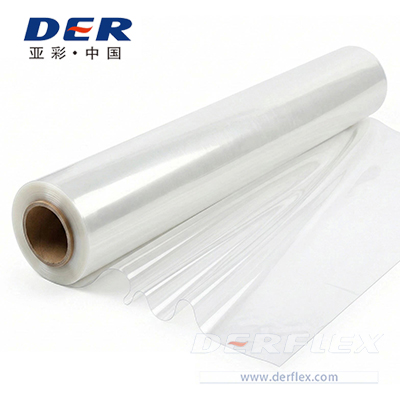
DERFLEX TPU membrane film roll used as a functional layer in breathable fabric laminates
A breathable TPU membrane can be the functional layer inside a complete textile laminate. DERFLEX can discuss membrane roll supply and finished laminated fabric depending on the buyer's converting capability.
Film vs finished fabric

Should You Buy Breathable TPU Film or TPU Breathable Fabric?

Buy breathable TPU film when your factory already owns the lamination process and wants to control face fabric, adhesive, coating coverage and final composite construction internally. This route gives the converter more freedom but also places more process responsibility on the laminating line.

Buy TPU breathable fabric when you want a pre-laminated roll material that arrives with the selected face textile, membrane and optional backing already combined. This can simplify sourcing and reduce the number of material interfaces the purchasing team must coordinate.

For OEM programs, DERFLEX can discuss both routes. The practical choice depends on your equipment, order volume, approved fabric source, testing responsibility, desired hand feel and whether your factory wants to own the lamination recipe.

If you already have a reference fabric, send a physical swatch, specification sheet or clear structure photo together with your target performance. Matching a known reference is usually more efficient than describing hand feel by text alone.
OEM development workflow

From Performance Brief to Repeatable Roll Supply

Breathable textile programs are easier to control when specifications are approved in stages. DERFLEX uses an application-based workflow that gives buyers checkpoints before bulk production.

STEP 01

Define End Use

Share garment/product type, climate, wear conditions, wash cycle, target market and expected service environment.

STEP 02

Build Structure

Select 2L, 2.5L or 3L; face textile; TPU membrane direction; backing layer; width and surface requirement.

STEP 03

Set Test Targets

Confirm MVTR, hydrostatic pressure, peel, hand feel, wash or other required test methods and pass criteria.

STEP 04

Approve Sample

Evaluate laminate appearance, drape, bonding, cutting/sewing behavior and finished-product performance.

STEP 05

Lock Bulk Standard

Use the approved sample and written specification to align repeat production, inspection, packing and reorder communication.

Material selection

TPU Breathable Fabric vs Other Common Waterproof Textile Routes

No membrane technology is automatically the right choice for every program. Selection should reflect comfort target, cost structure, durability, chemical restrictions, processing equipment and the finished product's performance standard.

Hydrophilic TPU Laminate

Useful when: soft flexibility, stretch compatibility, waterproof-breathable behavior and polyurethane lamination are important.

Watch: membrane gauge, adhesive coverage, hydrolysis direction, wash conditions and final laminate testing.

Microporous Membrane Laminate

Useful when: the selected membrane technology uses microscopi, c pore pathways for vapor movement.

Watch: contamination, adhesive penetration, pore blocking, washing durability and the exact test method.

Non-Breathable TPU Fabric

Useful when: airtightness or a strong liquid barrier is more important than moisture-vapor transfer, such as bladders and sealed inflatable structures.

Watch: a non-breathable barrier can trap humidity in wearable structures.

Why DERFLEX

A Fabric-Sourcing Approach Built Around the Finished Product

DERFLEX supplies TPU film, TPU coated fabric and TPU laminated material directions, which allows the project discussion to start with the finished product rather than forcing every inquiry into one stock construction.

Application-Based Material Matching

We review where the fabric will be used, how it will be converted, what the customer will test and what the buyer needs to reproduce on repeat orders.

Film + Fabric + Lamination Discussion

Buyers can compare membrane roll supply, laminated textile structures and other TPU fabric routes within the same project family.

Custom Development Direction

Face textile, TPU chemistry, membrane gauge, backing, color, finish, width, roll length and packaging can be discussed subject to technical and production feasibility.

Sample Before Bulk

Breathable performance is sensitive to structure and process. Sampling gives both parties a reference for appearance, hand feel, bonding and target test results before repeat production.

Converter-Oriented Communication

Purchasing teams can provide lamination conditions, cutting width, bonding route, sewing/seam requirements and test targets so the recommendation reflects factory reality.

Compliance by Project

For medical, skin-contact, protective or regulated applications, required standards and restricted-substance criteria should be stated in the RFQ. Final product compliance depends on the complete product and target market.

FAQ

TPU Breathable Fabric FAQs

Answers for sourcing managers, garment laminators, outdoor brands, textile converters and OEM product developers.

Is TPU breathable fabric both waterproof and breathable?

It can be designed as a waterproof-breathable laminate, but the result depends on membrane chemistry, gauge, textile, adhesive coverage and the final layer structure. Water resistance and moisture-vapor transmission should be tested on the finished laminate using the buyer's required methods.

What is the difference between breathable TPU fabric and breathable TPU film?

Breathable TPU film is the membrane roll itself. TPU breathable fabric is the composite roll material made by laminating that membrane with a textile face and, in some structures, a backing layer. Buyers with their own lamination equipment may prefer film; buyers wanting a ready-to-convert textile may prefer finished laminate.

Does breathable mean the fabric lets air pass through?

Not necessarily. In a waterproof breathable TPU laminate, “breathable” commonly refers to moisture-vapor transmission. A hydrophilic TPU membrane can support vapor movement without using open air holes, so it should not be confused with an air-permeable mesh.

Can DERFLEX make 2-layer, 2.5-layer and 3-layer TPU breathable fabric?

DERFLEX can discuss 2L, 2.5L, 3L and custom TPU laminate structures according to the face textile, membrane direction, backing, target tests and production feasibility. The exact construction should be confirmed through a project sample.

What fabrics can be laminated with breathable TPU membrane?

Possible substrates include polyester, nylon, stretch fabrics, tricot, fleece, knit and nonwoven structures. The correct combination depends on adhesive compatibility, heat sensitivity, desired hand feel, stretch, width, wash conditions and finished-product use.

What information should I send for a TPU breathable fabric quotation?

Please send the final application, layer structure if known, face fabric or reference swatch, target width, color, backing, target MVTR and hydrostatic pressure with test methods, wash requirements, order quantity, target-market compliance requirements and any existing laminate or garment sample.

Build a TPU Breathable Fabric Around Your Product, Not a Generic Catalog Number.

Send DERFLEX your application, reference fabric or product photo, 2L/2.5L/3L structure preference, textile substrate, target width, performance requirements, test method and expected quantity. We can discuss a practical material direction for sample evaluation and OEM roll supply.

Request A Quote
Technical ranges and application statements on this page are selection directions, not unconditional performance guarantees. Final suitability, compliance and finished-product performance should be validated against the buyer's specification, processing conditions and target-market requirements.
Consulting Services
+86-021-54361792 / 54361798
Email
sales@derflex.com