


 Industrial TPU Technical Textile
TPU Coated Fabric for Industrial Applications
DERFLEX supplies weldable, waterproof and abrasion-resistant TPU coated fabric for industrial bladders, flexible tanks, protective covers, inflatable systems, air ducts, technical bags and OEM roll-goods programs.
Industrial buyers do not only need a material name. They need a fabric structure matched to pressure, liquid contact, welding method, surface wear, temperature range, roll handling and repeat production. DERFLEX helps converters and manufacturers select practical TPU coated nylon or polyester fabrics according to real working conditions.
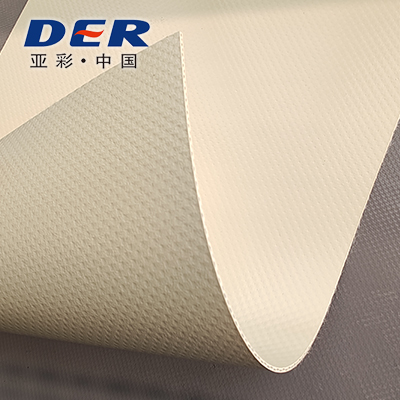
What Makes TPU Coated Fabric Suitable for Industrial Use?
TPU coated fabric is a composite textile made by bonding thermoplastic polyurethane onto a woven base fabric. The textile substrate provides tensile strength and dimensional stability, while the TPU layer creates waterproofing, airtight sealing, flexible recovery, abrasion resistance and heat-sealable performance.
For industrial applications, the final result depends on more than coating thickness. Base fabric denier, yarn construction, TPU chemistry, coating side, peel strength, welding compatibility, surface finish and roll consistency all influence whether the finished product performs well in production and service.
DERFLEX focuses on application-based selection. A flexible oil bladder, a welded protective sleeve, a pressure air cushion and a foldable industrial cover may all use TPU coated fabric, but they require different structures and test priorities.
Where Industrial TPU Coated Fabric Is Commonly Used
TPU coated fabric is selected when a finished product requires a combination of flexibility, sealing, weldability, surface durability and clean roll processing.
Flexible Tanks & Industrial Bladders
Used for water tanks, oil bladders, temporary storage bags, collapsible containers and liquid-holding structures where seam reliability and roll consistency matter.
Inflatable Industrial Systems
Suitable for inflatable chambers, pneumatic cushions, lifting bags, rescue products, temporary barriers and sealed air structures that need airtight processing.
Protective Covers & Machine Guards
Used for waterproof covers, equipment shields, flexible protection layers, sleeves and covers where abrasion resistance and repeated folding are important.
Environmental & Emergency Products
Applied in containment booms, spill response products, emergency storage systems, field-use bags and welded flexible barriers for project-based supply.
Ducting, Bellows & Flexible Connectors
Used for air ducts, flexible connectors, bellows, protective channels and fabric structures that need waterproofness, flex life and controlled surface behavior.
Technical Bags & OEM Roll Goods
Used by fabricators and brand owners for industrial bags, soft containers, tool bags, outdoor equipment, dry storage and custom welded products.
TPU Fabric Structures for Different Industrial Products
Material selection should start from the finished product, not only from a weight or thickness number.
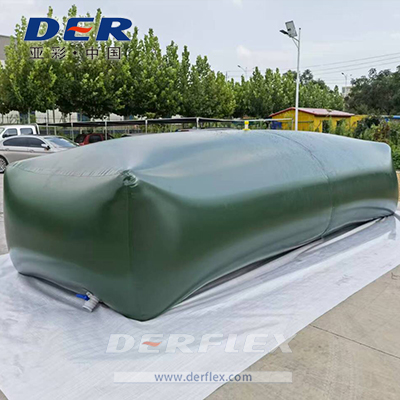
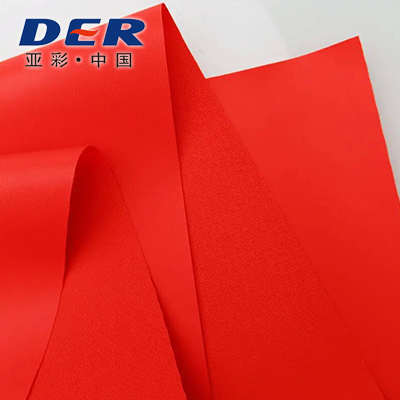
Industrial TPU Coated Fabric Options
The following table helps buyers prepare a practical request before sample testing and bulk production.
| Item | Available Direction | Industrial Selection Notes |
|---|---|---|
| Base Fabric | Polyester or nylon woven fabric | Nylon is often selected for tear strength and soft folding; polyester is often selected for dimensional stability and controlled cost. |
| Common Denier | 210D, 420D, 500D, 840D, 1000D, 1680D and custom structures | Higher denier usually supports stronger end products, but total weight, foldability and welding behavior should be checked together. |
| TPU Chemistry | Polyether TPU / polyester TPU | Polyether TPU is often used for water contact, humidity and hydrolysis concerns; polyester TPU is often used for abrasion, oil and mechanical strength direction. |
| Coating Side | Single-side or double-side TPU coating | Double-side coating is commonly considered for air-holding, liquid containment and easy-clean surfaces; single-side coating can reduce weight for covers and bags. |
| Weight Range | Approx. 150–1500gsm according to structure | Lightweight grades support bags and flexible covers; heavy-duty grades support tanks, bladders and industrial inflatables. |
| Surface Finish | Matte, glossy, embossed, textile texture, color-matched | Surface design affects appearance, friction, cleanability, welding contact and brand positioning. |
| Processing | HF welding, hot-air welding, heat sealing, lamination trial | Welding result should be confirmed by sample testing with the buyer's actual equipment and seam design. |
| Roll Supply | Custom width, length, core, label, packing and pallet format | Repeat orders benefit from recorded specifications, roll tension control and clear packaging confirmation. |
Choose the Right TPU Structure by Working Condition
Industrial applications usually fail when the material is selected only by photo, total thickness or a generic “waterproof” description.
Polyether TPU Direction
Consider polyether TPU when the product is exposed to humidity, long-term water contact, hydrolysis risk, outdoor inflatable use or repeated flexing in wet environments.
- Flexible water tanks and potable-water related project review
- Marine and rescue inflatable structures
- Medical air systems and pressure cushions
- Outdoor equipment exposed to rain or moisture
Polyester TPU Direction
Consider polyester TPU when abrasion resistance, oil-contact direction, mechanical strength, surface durability and industrial handling are the main priorities.
- Oil bladders and industrial liquid containers
- Protective sleeves, covers and technical bags
- Industrial fabric structures exposed to rubbing
- OEM roll goods that require strong surface durability
How DERFLEX Supports Industrial TPU Projects
DERFLEX works with B2B buyers through application review, material direction, sample testing, production confirmation and repeat-order specification control.
Confirm product type, pressure, liquid contact, outdoor exposure, welding process, roll width, color and service conditions.
Select polyester or nylon base fabric, TPU chemistry, coating side, thickness, hardness and surface finish.
Check welding strength, air holding, peel strength, abrasion, flexibility, surface appearance and packing requirements.
Keep specification records, roll labels, packing format and production notes to support repeatable OEM supply.
TPU, PVC or PU Coated Fabric: Which Direction Fits the Project?
DERFLEX supplies different coated material directions, so the recommendation can be made around application performance rather than forcing one material into every use.
| Material Direction | Typical Strength | Suitable Industrial Use |
|---|---|---|
| TPU Coated Fabric | Flexible, airtight, weldable, abrasion-resistant, clean surface finish | Flexible tanks, inflatable chambers, bladders, medical air systems, technical bags and premium welded products. |
| PVC Coated Fabric | Heavy-duty waterproofing, broad availability, economical large-area coverage | Truck tarps, industrial covers, tents, membranes, construction covers and outdoor protection products. |
| PU Coated Fabric | Soft hand feel, lightweight coating, garment and bag suitability | Lightweight bags, apparel-related textiles, basic waterproof products and soft flexible goods where airtight welding is not the priority. |
Testing Points Before Industrial Bulk Orders
For industrial applications, sample approval should be connected to the finished product process and working environment.
Sealing & Welding
Check weldability, peel strength, seam design, welding temperature window, air holding and leakage behavior after folding.
Mechanical Durability
Review tensile strength, tear resistance, puncture direction, abrasion behavior and flex performance under expected use conditions.
Environment Match
Confirm water contact, oil-contact direction, low-temperature flexibility, UV exposure, cleaning method and chemical contact requirements.
Production Stability
Confirm coating thickness, width tolerance, roll tension, color, surface consistency, edge quality and batch labeling before repeat orders.
Finished Product Trial
Test the actual welding equipment, seam layout, folding radius, filling pressure, packing method and installation environment.
Export Packing
Confirm roll length, core size, PE film, carton or pallet method, shipping marks and documents for smooth international delivery.
Internal Material Paths for Industrial Buyers
Explore related DERFLEX pages according to processing method, product structure and end-use requirement.
What to Send Before Asking for a TPU Fabric Quotation
A clear request helps DERFLEX recommend a more practical industrial TPU coated fabric direction and avoid vague material matching.
Tell us whether the fabric is used for a bladder, tank, cover, duct, inflatable structure, technical bag, medical air product or another industrial item.
Confirm indoor or outdoor use, water contact, oil contact, chemical exposure, pressure, temperature range and expected service conditions.
Share whether you use HF welding, hot-air welding, heat sealing, sewing plus sealing, lamination or other converting equipment.
Provide preferred GSM, thickness, base fabric, coating side, width, roll length, color, surface finish and any test standards.
Tell us sample size, trial purpose, welding equipment, target production timeline and whether a comparable current material is available.
Share estimated quantity, delivery market, packaging method, label needs and repeat-order expectations for stable project planning.
Request Industrial TPU Coated Fabric Samples and Quotation
Send your application, working condition, welding method, size target, color, roll width and estimated quantity. DERFLEX will help review a suitable TPU coated fabric structure for sample testing and bulk supply.
Frequently Asked Questions About TPU Coated Fabric for Industrial Applications
These answers help buyers compare industrial TPU coated fabric options before sampling and bulk purchase.
What is TPU coated fabric used for in industrial applications?
It is commonly used for flexible tanks, oil bladders, inflatable chambers, protective covers, technical bags, ducts, sleeves, containment products and welded OEM structures requiring waterproof or airtight performance.
Can TPU coated fabric be welded?
Many TPU coated fabrics can be processed by HF welding, hot-air welding or heat sealing. The exact result depends on TPU grade, coating side, thickness, fabric construction, seam design and equipment settings, so sample testing is recommended.
Should I choose TPU coated nylon or TPU coated polyester?
TPU coated nylon is often selected for soft folding and tear strength, while TPU coated polyester is often selected for dimensional stability and cost control. The right choice depends on pressure, size, handling, welding and service environment.
What is the difference between polyether TPU and polyester TPU?
Polyether TPU is often considered for water contact, humidity and hydrolysis resistance. Polyester TPU is often considered for abrasion resistance, oil-contact direction and mechanical strength. The final choice should match the finished product conditions.
Is TPU coated fabric suitable for oil bladders?
TPU coated fabric can be developed for oil bladder and flexible tank applications. Buyers should confirm liquid type, temperature, storage time, welding method, fabric structure and testing requirements before bulk production.
What weight is available for industrial TPU coated fabric?
DERFLEX can discuss lightweight to heavy-duty structures, commonly from about 150gsm to 1500gsm depending on base fabric, coating side and application. Final values should be confirmed through sample and finished product testing.
Can DERFLEX customize TPU coated fabric?
Yes. DERFLEX can discuss custom base fabric, TPU chemistry, coating side, thickness, width, color, surface finish, hardness, roll length, packaging and OEM requirements.
What information is needed for quotation?
Please provide end application, working environment, target weight or thickness, base fabric preference, coating side, width, color, welding method, testing requirements, roll length and estimated order quantity.