


 DERFLEX · ARCHITECTURAL MEMBRANE MATERIALS
Dome Tent Covers & Replacement Membrane Skins
Replace a weathered geodesic dome membrane with a documented, fit-checked cover specification. DERFLEX helps commercial tent operators and fabricators evaluate PVC-coated fabric, patterned panels, seams, transparent windows and edge interfaces. A successful remake begins with the existing dome frequency, strut lengths, connection nodes and fixing system—not just its diameter.
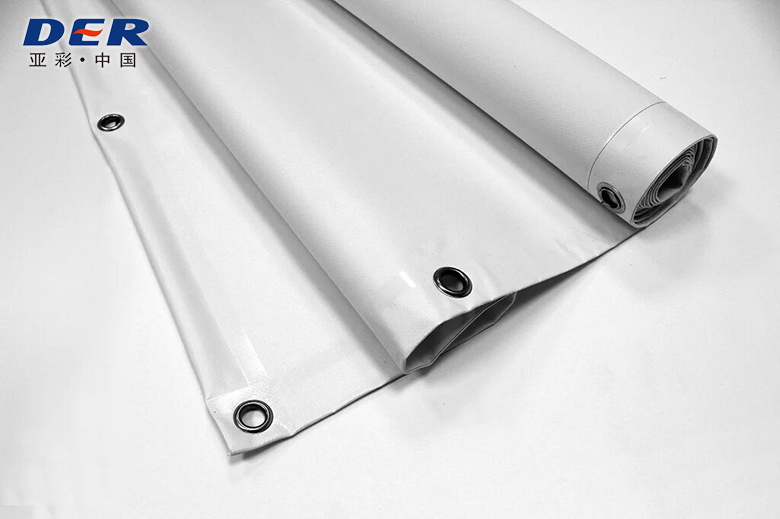
Replacement membrane, not a new dome
A dome tent cover is the external weather skin mounted to an existing geodesic or other dome frame. A replacement is a precision-fit component—not a commodity circle of fabric. It must correspond to the strut network, node positions, panel geometry, fastening forces and openings.
Weather shell
PVC-coated polyester is one candidate for custom welded roof and wall membranes, subject to project testing.
Finished membrane panels
Cut patterns, seams, reinforcements and attachment details must be defined for the existing structure.
Scope distinction
A fabric roll, cut kit or completed membrane skin are different procurement packages. Structural frame, foundation and installation are excluded unless agreed separately.
Map the existing dome frame
A successful remake begins with a reliable as-built survey. The original catalog drawing is useful, but any field modification, uneven base ring or changed anchoring may affect fit.
Identify the frame
Record manufacturer, model, geodesic frequency (such as 2V, 3V or another system), nominal diameter, actual base polygon and intended installed tension.
Measure every strut group
List center-to-center or manufacturer-defined strut measurements, connector offsets, node shape and deviations. Identify any custom doorway frame.
Register membrane anchor lines
Measure base perimeter, height references, rail or rope paths, keder slots, lacing eyelets, straps and corner reinforcement positions.
Document openings and orientation
Create an orientation drawing for entrance, windows, vents, stove or HVAC penetrations, transparent sections and fabric overlap direction.
Photograph node details with a ruler. If the old cover is available, keep it for seam-path comparison while recognizing that aging, repairs, shrinkage and stretching may have altered the original pattern.
Cut pattern, panel seams and membrane specification
The cutting map must account for three-dimensional curvature, material stretch, usable roll width, seam allowances and the anticipated installation sequence. The seam pattern itself influences fabrication cost, visual rhythm and water runoff.
| Design feature | What buyers should define | Review before approval |
|---|---|---|
| Base fabric | PVC-coated polyester grade, color, finish, opacity, usable width | Tear/tensile data, coating adhesion, UV exposure and fabrication compatibility |
| Panel arrangement | Geodesic triangle map, gore shape or engineered multi-panel pattern | Orientation, tolerance stack-up and cutting waste |
| Join method | Hot-air, high-frequency or alternative qualified joining according to material | Seam strength, watertightness and repeatable process settings |
| Reinforced zones | Base edge, doorway corners, tension points and local penetrations | Load transfer and avoidance of sharp node abrasion |
| Visible finish | Color match, translucency and texture against existing adjacent sections | Physical approval under realistic light and aging difference |
Windows, doors and edge finishes
Openings and transparency
Mark door handing, zipper travel and clear window position on an orientation plan. Transparent PVC and opaque fabric can move differently with heat; specify compatible joining and expect trial fit. Any exit, ventilation or accessible-route requirement belongs to the responsible enclosure designer.
Base and perimeter interface
Measure whether the existing system uses keder, eyelets, rope channels, buckles, webbing, tension belts, bolts or clamped edges. Identify reinforcement patches and drainage laps. Different fixing details change both finished pattern and installation sequence.
Trial fit and repeat supply
Approve one real-world fit before freezing the pattern. Use a marked revision control system so replacement parts can be reordered reliably even when the original team changes.
Preproduction review
Confirm marked-up drawings, material swatch, opening schedule, seam details and tolerances.
Representative first article
Make the agreed pilot skin or selected trial section; check surface, seams, labels and packed dimensions.
Install and inspect
Trial-fit on the actual frame, confirming panel tension, drain direction, door operation and interface alignment.
Freeze an approved master
Record drawing revision, material batch/color reference, inspection findings, panel numbers and packing orientation.
Plan reorder quantities
Specify full skins versus individual replaceable panels, with compatible revision and quantity per model.
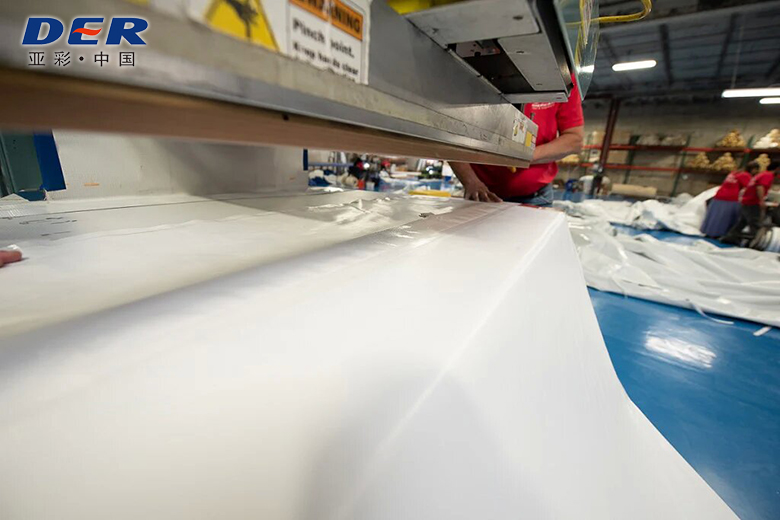
Fabric and construction references
Original DERFLEX site images below illustrate membrane material and welding work; they do not establish a manufactured replacement skin for a specific dome frame.
Replacement-cover quotation checklist
Send what you have, even if drawings are incomplete. A node photo and a correctly labeled frame sketch are more useful than an assumed cover diameter.
| Input | Details to provide |
|---|---|
| Frame identity | Existing dome model, frequency, nominal size, actual base dimensions and strut/node drawings |
| Old skin reference | Original cover or fabric swatch, seam photos and observed shrink or damage |
| Openings | Door handing, window outline, vent positions and orientation drawing |
| Fixing method | Keder profile, eyelets, lacing, strap locations or clamp drawings |
| Performance | Climate, UV exposure, site use and applicable fire/other test requirements |
| Scope and commercial | Fabric roll vs cut panels vs finished skin, quantity, packing and delivery destination |
Any pattern engineering, accessories, installation and structural verification must be scoped independently in the quotation. Replacement skins are not automatically warranted to fit from nominal dimensions.
Frequently asked questions
Can I order a replacement dome cover by diameter alone?
No. Diameter does not define strut lengths, frequency, node geometry, cover tension, openings or attachment details. Provide the exact frame pattern and a trial-fitting plan.
What is a geodesic dome skin?
It is the weather-facing envelope fitted to a geodesic frame. It may comprise a set of patterned, welded or sewn fabric panels with doors, windows and edge attachments.
Can DERFLEX make only the membrane rather than the full dome?
The intended enquiry is for suitable PVC-coated fabric, pattern development or project-defined cover components. Confirm fabric rolls versus cut or finished membrane panels in the quotation; a frame and installation are not automatically included.
What if my original cover has shrunk or stretched?
Measure the frame itself, record the existing cover condition and compare critical interfaces. A degraded old skin can be used as a reference but not assumed to be an accurate pattern master.
Can clear windows and doors be replaced?
Potentially, where transparent PVC compatibility, seam construction, window outline, zipper access, fire and environmental requirements have been reviewed. Provide drawings and an old panel or detailed photographs.
Can the replacement use a different GSM?
Fabric weight is only one variable. Coating, base yarn, tensile/tear performance, flex, UV exposure, weldability and attachment loading must match the system requirements.
How do I verify fit before ordering many covers?
Approve a detailed pattern revision, manufacture a representative trial cover, fit it onto the actual frame, inspect seams and interfaces, and freeze the approved revision for repeat supply.
What should be sent for a quote?
Send frame model, geodesic frequency, strut and node drawings, existing skin or reference swatch, door/window locations, edge fixings, required quantity, site environment and delivery market.
Explore compatible tent fabrics and systems
These related DERFLEX topics address outer skins, textile choices, transparent panels, interfaces and project-specific testing. Confirm that any not-yet-published topic URL is live before public deployment.
Bring the drawing. Define the scope. Approve the sample.
Send your existing dome information, application, quantity, target performance and destination. DERFLEX can review material and fabrication options, then agree on what sample and supply scope should be quoted.