


 DERFLEX · ARCHITECTURAL MEMBRANE MATERIALS
Faux Leather for Handbags | Custom Material for OEM Bags
Create a more consistent handbag collection with synthetic leather selected for each component—not simply a color swatch. DERFLEX helps brands, bag workshops and importers compare PU, PVC and microfiber-backed faux leather for body panels, gussets, handles, straps and accessories, with custom grain, color, backing and roll supply confirmed against real cutting and sewing trials.
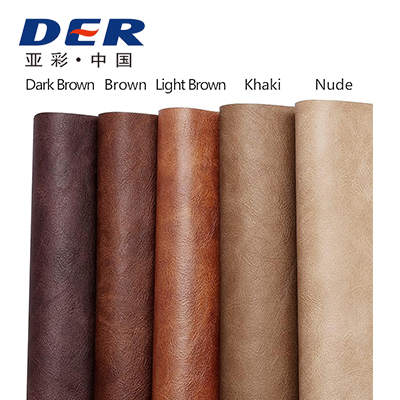
Faux leather for handbags: specify the bag, then the surface
Faux leather for handbags is a family of leather-look coated or composite materials used for fashion bags, shoppers, totes, crossbody bags, structured handbags, small leather goods and accessories. It is not one material formula. Handbag performance depends on the selected surface chemistry, backing, stiffness, panel reinforcement, processing and finished product use.
PU synthetic leather
A popular direction for soft-touch fashion panels, embossed grains and a wide design palette. Compare hydrolysis and flex performance across grades.
Microfiber-based PU
A higher-specification backing option for a refined feel and structural strength, subject to actual grade and testing.
PVC and other systems
Selected PVC finishes can suit cost and cleaning priorities; other systems may be relevant to specialized brand requirements. Compare the full construction, not the label.
Choose material by handbag component
The same grade does not necessarily suit a bag body, curved gusset, handles and zipper trim. The part map below makes a more useful supplier brief than a single target GSM or thickness.
| Bag component | Material behavior to prioritize | Trial on the actual part |
|---|---|---|
| Main body panels | Hand feel, drape or body, visual grain, scuff appearance | Cut yield, bag silhouette, bending and surface marks |
| Structured front or flap | Shape retention, flatness, dimensional stability | Bonding to interlining, edge folding, crease whitening |
| Gussets and corners | Flexibility at tight turns, coating adhesion, backing tear | Turning radius, seam allowance, corner distortion |
| Handles and straps | Repeated flex, tensile/tear direction, stitch retention | Folded strap prototypes, load cycle, edge finish |
| Base and bottom panels | Abrasion, cleanability and resistance to visible scuffing | Floor-contact wear, reinforcement and hardware clearance |
| Wallets and small goods | Thin folding behavior, edge paint response, fine embossing | Repeated fold, skiving, bonding and stitch accuracy |
Where a fashion line uses multiple materials, approve the complete set together to avoid mismatched undertones, gloss, hand feel and aging behavior.
PU vs PVC vs microfiber: make a defensible comparison
Use the material family to shortlist candidates. The final ranking must come from comparable samples and the same tests under the intended production conditions.
| Decision factor | PU leather | PVC leather | Microfiber PU |
|---|---|---|---|
| Touch and drape | Often soft/flexible; strongly grade-dependent | Can be firmer; available in flexible grades | Often selected for refined hand feel and backing quality |
| Color and grain | Broad embossing and finish choices | Broad printable/embossed surface options | Premium texture development possibilities |
| Moisture and aging | Hydrolysis and heat/humidity exposure need attention | Assess plasticizer/aging behavior and cold flex as relevant | Coating still needs hydrolysis and abrasion verification |
| Bag processing | Test cut, sewing, adhesive, turning and edge paint | Check edge processing, crease and weld/sew behavior | Confirm skiving, seam retention and cutting behavior |
| Purchasing decision | Fashion touch/appearance priority | Cost, cleanability or specific durability brief | Premium hand feel and strength direction |
Surface, backing and production compatibility
Build the desired look
Specify grain depth, pebble or smooth texture, matte/satin/gloss finish, color reference and touch. A physical master swatch must be approved under agreed lighting; screen colors alone are not a dependable production standard.
Specify whether the bag needs soft drape or structured body. Reinforcements, foam, interlining and construction technique can be as influential as base sheet thickness.
Engineer the backing
Woven, knitted, nonwoven and microfiber support structures affect tear behavior, elongation, drape, adhesive bonding and stitch response. Ask for coating-to-backing adhesion and ensure the back face suits lamination or lining.
Check cut-edge behavior, needle holes, edge paint compatibility, heat pressing, laser cutting if used, and any transfer-marking risk.
Sample approval and quality control before bulk orders
A handbag factory must confirm more than a good-looking swatch. Use an actual cutting, sewing, folding and finished-bag trial before locking the material grade for a season or repeat wholesale program.
Define the product line
List handbag silhouettes, exposed components, expected retail use and target feel. Separate structured and soft bags.
Approve color and grain
Use a physical color/texture standard and record surface gloss, embossed pattern direction and batch tolerances.
Run workshop trials
Cut nesting, skiving where applicable, sewing, folding, heat/adhesive joining, edge painting and reinforcement bonding.
Test representative samples
Choose relevant abrasion, flex fatigue, hydrolysis, peeling, tear, color fastness, transfer and restricted-substance checks.
Freeze the repeat-order standard
Record sample ID, backing, approved thickness/width, color lot, appearance tolerances, roll labels and packaging conditions.
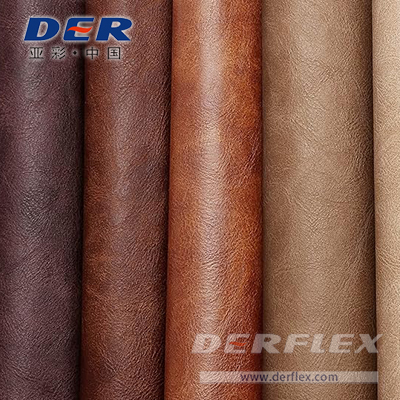
DERFLEX faux leather surface references
These are actual DERFLEX website material photographs. They illustrate appearance and surface families only, not specific delivered handbag projects or tested finished bags.
Handbag material quotation brief
The most productive RFQ identifies the intended handbag components and desired processing result. If specifications are not yet finalized, send an existing fabric swatch, target product image or working prototype.
| Buyer input | What to provide |
|---|---|
| Brand/product line | Bag type, market, soft versus structured silhouette and product photos |
| Material family | PU, PVC, microfiber PU or request a comparison; animal-free requirements if any |
| Appearance | Color sample or Pantone direction, grain, gloss, touch, back-face requirements |
| Construction | Backing type, thickness range, usable roll width and cut/finish requirements |
| Performance | Flex, abrasion, hydrolysis, adhesion, color fastness and required chemical tests |
| Supply scope | Roll material, trial samples, batch quantity, roll labeling, destination and target schedule |
DERFLEX's enquiry concerns material selection and agreed supply scope. Finished bag production, hardware, complete handbag assembly or brand certification are not automatically included.
Frequently asked questions
What faux leather is best for handbags?
There is no universally best material. PU is often selected for soft touch and flexible fashion panels, microfiber-based synthetic leather for premium feel and backing strength, and selected PVC grades for cost-sensitive or easy-clean applications. Approve by part-specific tests.
Is faux leather the same as PU leather?
PU leather is one family within faux leather. The broader term can include PVC, microfiber-backed PU, silicone and other engineered leather-like materials.
What thickness should faux leather handbags use?
Thickness is application-dependent. Soft body panels, structured fronts, gussets, handles and straps can require different thickness, stiffness and backing. Confirm the target with a component cutting and sewing trial.
Does faux leather peel on handbags?
Some constructions can peel, crack or delaminate after repeated folding, heat, humidity or poor adhesion. Assess flex fatigue, peel strength, abrasion and the intended cleaning routine before volume purchase.
Can faux leather be used for structured tote bags?
Yes, provided the chosen backing, thickness and reinforcement system achieve the intended silhouette without fold whitening, seam distortion or weak corners. Validate the completed panel rather than a flat swatch only.
Is faux leather for handbags waterproof?
A coated surface may repel occasional splashes, but the final bag includes stitching, openings, edges and other components. Do not claim a waterproof handbag without finished-product testing.
Can DERFLEX customize handbag faux leather colors and textures?
DERFLEX can discuss color matching, grain, embossing, gloss, hand feel, backing, thickness, roll dimensions, labels and project packaging. Feasibility and test criteria are confirmed against the chosen grade.
What should I send for a wholesale material quote?
Share the bag type, panel or component, target feel and structure, reference image or swatch, base construction, width, estimated quantity, color/grain, test requirements and shipping destination.
Explore compatible tent fabrics and systems
These related DERFLEX topics address outer skins, textile choices, transparent panels, interfaces and project-specific testing. Confirm that any not-yet-published topic URL is live before public deployment.
Bring the drawing. Define the scope. Approve the sample.
Send your existing dome information, application, quantity, target performance and destination. DERFLEX can review material and fabrication options, then agree on what sample and supply scope should be quoted.