OEM Product Manufacturers
For factories producing dry bags, packrafts, air cushions, bladders, flexible containers or protective products that need a repeatable coated textile rather than off-the-shelf retail fabric.



DERFLEX develops TPU coated nylon and TPU coated polyester roll goods for manufacturers of inflatables, dry bags, medical air systems, flexible tanks, marine equipment and industrial protection products. Instead of treating TPU fabric as a generic commodity, we help buyers define the substrate, TPU chemistry, coating side, surface, welding route and acceptance checks around the finished product.
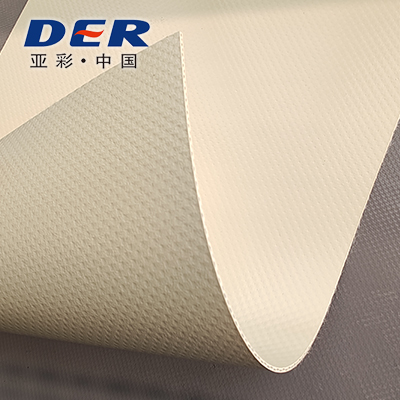
A commercial TPU product can fail even when the base material looks correct on paper. The critical questions usually appear later: Will the seam hold air after repeated folding? Will the coating bond survive humidity? Is the roll too stiff for the bag pattern? Does the surface weld consistently on the buyer's equipment? A useful TPU coated fabric manufacturer should help answer those questions before the material reaches mass production.
For factories producing dry bags, packrafts, air cushions, bladders, flexible containers or protective products that need a repeatable coated textile rather than off-the-shelf retail fabric.
For buyers who cut, weld, laminate or convert roll goods and therefore need stable width, surface, coating adhesion and processing behavior across repeat orders.
For product developers comparing a custom TPU coated fabric supplier on specification clarity, sample validation, quality records, private-label packing and long-term supply communication.
TPU coated fabric is a system, not a single recipe. The reinforcement controls much of the tensile and dimensional behavior, while TPU chemistry, coating thickness and surface construction influence sealing, flexibility, abrasion, hydrolysis resistance and handling. The right combination depends on what the customer is actually making.
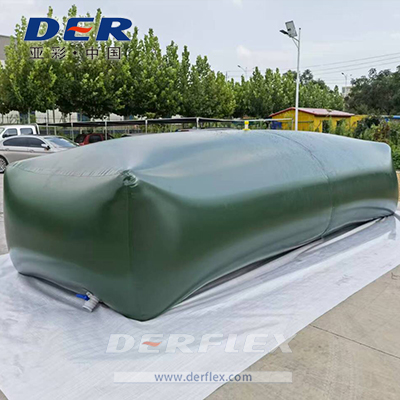
The table below is a project-planning guide rather than a fixed catalog promise. Final construction, tolerances and test criteria should be confirmed against the required application, welding equipment, service environment and order program.
| Specification Item | Available Direction | Why It Matters to the Buyer |
|---|---|---|
| Reinforcement | Nylon or polyester; common denier directions may include 210D, 420D, 600D, 840D, 1000D, 1680D and custom structures. | Changes tear behavior, dimensional stability, foldability, weight and finished-product strength. |
| TPU Type | Polyether TPU / polyester TPU, selected according to service conditions. | Helps balance hydrolysis resistance, abrasion, oil exposure, mechanical properties and environmental conditions. |
| Coating Structure | Single-side or double-side TPU coating; laminated TPU structures can also be reviewed. | Controls barrier performance, cleanability, weld area, weight and surface feel. |
| Total Weight | Lightweight through heavy industrial constructions; project direction approximately 90–1500 gsm depending on structure. | Weight affects packing size, handling, strength, cost and the end product's performance-to-weight ratio. |
| Thickness | Project-dependent TPU layer and total thickness; customized after structure confirmation. | Influences seam energy, stiffness, abrasion margin, air retention and material cost. |
| Width | Common roll widths and wider custom directions can be discussed; some DERFLEX TPU programs reach up to approximately 3.2 m depending on grade. | Wider material can reduce weld seams, scrap and cutting complexity on large products. |
| Surface | Matte, glossy, smooth, embossed, textured or anti-blocking direction. | Supports product appearance, handling, cleanability, friction and brand positioning. |
| Color | Standard colors plus custom color matching subject to production confirmation. | Important for brand programs, safety coding, product families and repeat visual consistency. |
| Functional Direction | UV, hydrolysis, antimicrobial, anti-mildew, flame-retardant, oil-resistant, chemical-resistant or airtight directions may be evaluated by project. | These are application-specific functions; required standards and methods should be stated before quotation. |
| Conversion | HF welding, hot-air welding, heat sealing, cutting, lamination and roll conversion support, depending on material construction. | Material should be qualified on the buyer's real joining process before bulk commitment. |
Specification ranges are general project directions. Final values, tolerances and compliance claims require sample approval and written confirmation for the selected grade.
For bulk TPU coated fabric procurement, these decisions are usually more useful than comparing only GSM or price per meter.
Choose by exposure. Water contact, humidity and hydrolysis risk often point toward polyether TPU evaluation; abrasion, oil-related exposure and mechanical wear may point toward polyester TPU. The actual formulation should be confirmed against the end-use medium and test requirement.
Chemistry choiceNylon can be useful where foldability and tear performance are central. Polyester can be useful where dimensional stability, lower stretch and predictable panel geometry are valued. Denier and weave construction also matter.
Reinforcement choiceSingle-side material can reduce weight in bags, covers and layered constructions. Double-side TPU coated fabric is generally the starting direction for air chambers, medical cushions, inflatables and liquid-holding structures where both faces benefit from a sealed surface.
Barrier architectureTPU coating and TPU film lamination can reach different appearance, layer thickness, bond and processing targets. Buyers should compare the structure after defining the product's seam method, hand feel, surface and performance priorities.
Process architectureA manufacturer relationship becomes more useful when the commercial process and technical process are connected. DERFLEX can structure a project around requirement review, sample matching, conversion testing and a confirmed bulk specification.
Share what the fabric will make, what it must contain or resist, working temperature, expected pressure, service environment and target market.
Select reinforcement, TPU chemistry, coating side, weight, width, surface, color and any project-specific functional direction.
Run welding, peel, fold, air or liquid retention, abrasion, surface and finished-product checks on the buyer's actual equipment where possible.
Confirm approved construction, tolerances, roll details, labels, packing and inspection points so repeat orders have a clear reference.
The same word “TPU fabric” covers very different end-use conditions. These application groups help procurement teams describe the requirement in a way that a technical textile manufacturer can act on.
Air retention, seam integrity, puncture resistance and repeated inflation cycles drive the material choice. High-strength reinforcement and double-side TPU constructions are commonly considered.
Typical buyer: inflatable OEM, rescue equipment producerWeight, foldability, surface appearance, color and welding speed matter alongside waterproof performance. Lightweight nylon or polyester directions can be tested according to the bag pattern.
Typical buyer: outdoor brand, bag factory, converterPressure cushions, air mattresses and related products may require cleanable surfaces, stable air holding, soft handling and application-specific compliance. Required standards must be identified before material approval.
Typical buyer: medical device component manufacturerWater, oil-related fluids or other media change the formulation and test discussion. Buyers should identify the contained medium, contact duration, temperature and required seam performance.
Typical buyer: bladder fabricator, industrial containment OEMCompact folding, abrasion, moisture, salt exposure, UV and field handling can all affect specification. The manufacturer should be given the complete use profile rather than a single strength target.
Typical buyer: marine safety manufacturer, distributorMachine covers, sleeves, flexible barriers and protective bags may prioritize dimensional stability, abrasion resistance, cleanability or chemical exposure instead of airtightness.
Typical buyer: industrial fabricator, contract converter
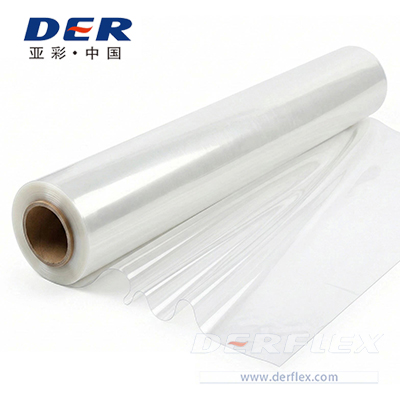
A good incoming specification should connect measurable material properties with the failure modes of the finished product. Not every project needs every test, but the acceptance plan should be agreed before bulk production—not after a problem appears.
| Control Point | What to Review | Why It Is Relevant |
|---|---|---|
| Weight & Thickness | Roll-to-roll and within-roll consistency against the confirmed tolerance. | Influences stiffness, welding energy, strength and material yield. |
| Width & Roll Length | Usable width, edge condition, roll length and packaging identification. | Affects cutting efficiency, panel nesting and purchasing yield. |
| Surface & Color | Finish, defects, blocking, gloss or matte level, texture and color reference. | Important for consumer-facing products and stable brand appearance. |
| Coating Adhesion | Peel/bond performance appropriate to the selected construction and test method. | Helps screen delamination risk during folding, welding and long-term use. |
| Tensile / Tear | Values and direction according to the reinforcement and end-product load case. | Relevant to panel stress, handles, pressure loads and puncture propagation. |
| Welding Compatibility | Seam appearance, peel or burst behavior, weld window and equipment settings. | Material can be technically strong yet unsuitable for a factory's actual joining process. |
| Airtight / Liquid Holding | Only where the application requires it; test the finished seam and product geometry. | Performance depends on both coated fabric and the converted seam. |
| Environment-specific Tests | Hydrolysis, low temperature, abrasion, UV, oil, chemicals, disinfection or other exposure as applicable. | Links material qualification to the real service environment instead of generic claims. |
Buyers searching for a TPU fabric factory, OEM TPU coated fabric manufacturer or wholesale roll supplier often see similar marketing claims. A more reliable comparison is to examine how well each supplier converts an application into a controlled, testable specification.
Can the supplier ask about pressure, contained media, weld method, temperature, flex cycles and service environment before suggesting a grade?
Can it explain nylon vs polyester, polyether vs polyester TPU, one-side vs two-side and coated vs laminated structures without forcing one solution?
Will the approved sample be linked to a written bulk specification, tolerances and packaging standard rather than treated as an informal reference?
Can the supplier discuss welding or heat-sealing compatibility and recommend that the buyer validates settings on its own production equipment?
Can critical checks—weight, width, thickness, appearance, bond or functional tests—be defined for the actual project instead of relying on a generic inspection statement?
Are MOQ, sample route, lead time, roll length, labels, packing and repeat-order requirements confirmed against the chosen specification before the purchase order?
A useful RFQ gives enough context to recommend a sample. If some details are unknown, send the finished-product photo, target sample or current material and identify the performance problem you want to solve.
Custom TPU coated fabric pricing is structure-sensitive. Base yarn, denier, TPU chemistry, coating weight, color, width, surface, special function, roll length and order volume can all change the quotation. For that reason, comparing two prices before confirming equivalent specifications can be misleading.
Use an available or custom-matched sample to check hand feel, color, surface, weld behavior, finished seam and application-specific performance before committing to a large order.
MOQ depends on the chosen base fabric, TPU formula, color, width and production arrangement. Standard constructions may differ from custom-developed color or performance programs.
Lead time should be confirmed after the specification and color are fixed. New custom development normally requires more coordination than repeat production of an approved structure.
DERFLEX supports international buyers across coated technical textiles, including TPU, PVC and related flexible materials. For TPU projects, the focus is specification matching, custom roll supply, sampling, processing compatibility and repeat-order communication rather than one-size-fits-all material claims.
Compare TPU coated, TPU laminated and related coated textile directions within one technical-material supply platform.
Discuss base fabric, coating side, TPU chemistry, weight, surface, color, width, roll format and project-specific functions.
Start from the finished product and conversion method so the sample is selected for the real manufacturing route.
Coordinate quotation, packing, labels, documents and repeat production for overseas manufacturers, distributors and brands.
Use these related pages to move from manufacturer evaluation into specific TPU material types and application directions.
Answers for sourcing teams, OEM factories and converters comparing TPU coated fabric suppliers.
Send the finished application, what the material must contain or resist, target base fabric or denier, single- or double-side coating, GSM or thickness, width, color, surface, welding method, working environment, required tests and estimated quantity. If the specification is not complete, send a reference sample or product photo and explain the problem you need to solve.
DERFLEX supports nylon and polyester base textile directions for TPU coated or laminated materials. Nylon is often evaluated for flexibility and tear performance, while polyester is often evaluated for dimensional stability. The correct construction depends on the finished product and conversion method.
Double-side TPU coating is commonly considered for airtight and liquid-holding products because both faces receive a sealed TPU surface. However, final selection depends on the chamber design, pressure, seam design, weight target and material construction, so a sample should be validated in the actual finished product.
Many TPU coated fabrics can be processed by HF welding, hot-air welding or heat sealing. The usable process window depends on TPU chemistry, coating thickness, reinforcement and equipment. Buyers should qualify welding settings on the selected grade before mass production.
First make sure the quotations refer to equivalent reinforcement, denier, TPU chemistry, coating side, total weight, width, color, surface, functional requirements, roll length, tolerance and testing. A lower price on a different construction is not a direct comparison.
Custom color, surface finish, width direction, roll length, labels and packaging can be discussed according to the selected construction, order quantity and production feasibility. Final details should be confirmed in the approved specification before bulk production.