



TPU Dry Suit Fabric for Waterproof, Flexible & Weldable Garment Shells
DERFLEX develops TPU coated and TPU laminated nylon / polyester fabric for drysuits, survival suits, rescue suits, paddling dry wear and OEM waterproof protective garment programs.
The material direction is built around what dry suit factories care about: seam sealing, hot-air or HF welding behavior, low-temperature flexibility, surface durability, color consistency and repeatable roll quality.
What Is TPU Dry Suit Fabric?
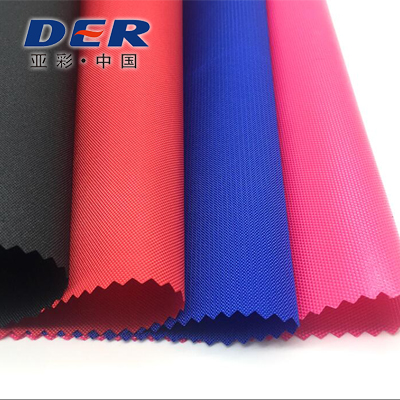
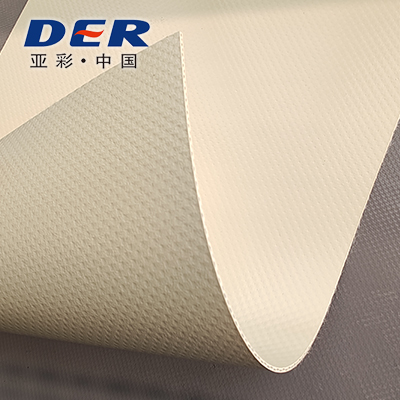
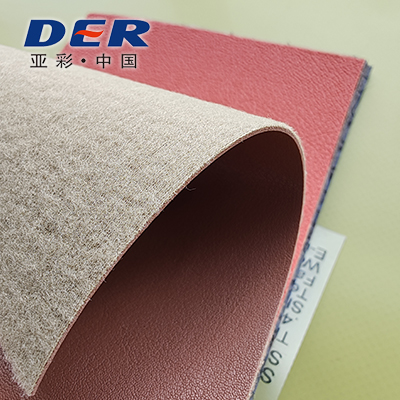
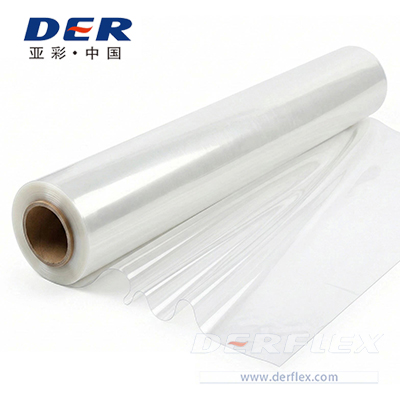
TPU dry suit fabric is a waterproof technical textile made by bonding thermoplastic polyurethane to a woven nylon or polyester base. Depending on the final suit design, the structure can be a TPU coated fabric, TPU laminated fabric, or multi-layer laminate with textile protection on one or both sides.
Built for sealed garment construction
A drysuit is not only a waterproof fabric panel. The final garment includes sealed seams, zippers, neck and wrist seals, boots or socks, reinforced knees, and sometimes breathable panels. Fabric choice affects cutting, taping, bonding, welding, comfort and long-term field performance.
DERFLEX helps buyers review these production details before confirming fabric weight, base yarn, TPU type, thickness, surface finish and roll width.
Common development directions
- Lightweight TPU laminated nylon for paddling drysuits and dry tops.
- Stronger ripstop or oxford base fabric for rescue and workwear shells.
- Textured TPU surface for hand feel, abrasion zones and appearance.
- Double-side TPU construction where cleanability or sealing behavior is important.
- Trial rolls for seam welding, tape adhesion and finished garment testing.
Why TPU Works for Drysuit and Rescue Suit Materials
Dry suit material selection needs a balanced construction. A fabric that is strong but hard to seal may slow production; a fabric that is soft but weak may not suit rescue or commercial workwear. TPU gives manufacturers a practical platform for waterproof, flexible and weldable textile design.
Waterproof barrier
TPU film or coating provides a waterproof layer when the fabric is correctly processed and seams are properly sealed, welded or taped by the garment maker.
Flexible hand feel
Suitable TPU directions can maintain soft folding behavior, helping drysuit panels move with the diver, paddler or rescue worker.
Welding compatibility
TPU surfaces can be evaluated for hot-air welding, HF/RF welding, heat sealing or adhesive tape systems according to the factory process.
Abrasion resistance
Outer textile choice, yarn density and surface finish can be adjusted for wear areas such as knees, elbows, seat panels and equipment contact zones.
Low-temperature handling
For cold-water, winter paddling and rescue use, TPU structures can be discussed around cold flex behavior and repeated folding requirements.
OEM customization
Color, texture, width, thickness, base fabric and surface direction can be matched to brand positioning, suit style and target production method.
TPU Dry Suit Fabric Options for OEM Sampling
The following values are practical selection directions. Final specification should be confirmed through sample rolls, seam trials, hydrostatic testing, flex testing and finished-garment evaluation.
| Selection Item | Common Direction | Buyer Notes |
|---|---|---|
| Material structure | TPU coated fabric, TPU laminated fabric, 2.5-layer or 3-layer laminate | Select according to waterproof layer protection, hand feel, inner comfort and sealing process. |
| Base textile | Nylon, ripstop nylon, polyester, oxford polyester | Nylon is often chosen for flexibility and tear performance; polyester can support dimensional stability and cost balance. |
| Base fabric range | 70D, 210D, 420D, 500D, 840D or custom | Lightweight suits need different fabric direction from commercial rescue or working drysuits. |
| TPU layer direction | Approx. 0.05–0.45mm discussion range | Thickness affects sealing behavior, hand feel, weight and durability. Confirm by trial. |
| Surface finish | Matte, glossy, embossed, textile-touch or custom texture | Choose by brand appearance, friction behavior, cleanability and panel location. |
| Processing method | Hot-air welding, HF/RF welding, heat sealing, adhesive tape bonding evaluation | DERFLEX can discuss sample direction around the buyer’s equipment and seam target. |
| Color options | Black, navy, red, yellow, orange, grey, custom Pantone direction | High-visibility rescue colors and brand colors can be discussed for OEM programs. |
| Roll supply | Custom width, roll length, label, packing and repeat-order records | Suitable for drysuit factories, garment converters and technical apparel brands. |
How to Choose TPU Fabric for Drysuit Production
For drysuit OEM sourcing, the material should be tested as part of a full garment system. Fabric performance, seam process, zipper construction, seals, reinforcements and user environment all affect the final result.
Send Your Fabric RequirementWhere DERFLEX TPU Dry Suit Fabric Is Used
DERFLEX supplies roll materials for manufacturers and converters developing waterproof garment shells and sealed protective equipment for marine, rescue and outdoor markets.
Scuba Drysuits
Material direction for diving drysuits requiring sealed panels, flexible movement and durable outer fabric selection.
Kayaking & Paddling Drysuits
Lightweight TPU laminated fabric options for river, kayaking, canoeing, sailing and surface water sports dry wear.
Rescue & Survival Suits
Reinforced structures for emergency response, marine rescue and workwear shells that need practical durability.
Technical Waterproof Apparel
Material support for dry tops, waders, waterproof pants, protective sleeves and custom sealed garment programs.
TPU Dry Suit Fabric vs Other Drysuit Material Directions
There is no single fabric for every drysuit. The practical choice depends on garment class, suit weight, seam technology, use environment and cost target.
TPU laminated / coated fabric
Good direction when the garment maker needs waterproof barrier performance, weldable or sealable seams, flexible handling, custom color and OEM roll supply.
- Useful for drysuits, rescue suits and dry tops
- Custom base fabric and TPU layer
- Good for sampling and factory-specific trials
Butyl trilaminate
A traditional drysuit material direction with textile layers and a waterproof barrier. It is often used where proven drysuit construction is required.
- Strong multilayer concept
- Common in technical drysuits
- Processing method depends on material construction
Neoprene drysuit material
Used where insulation and body fit matter. It is different from shell-style drysuit fabric and can have different buoyancy and compression behavior.
- Thermal insulation direction
- Different hand feel and suit structure
- Not the same sourcing logic as roll TPU textile
Why Work with DERFLEX for TPU Drysuit Material?
DERFLEX focuses on coated and laminated technical materials for global OEM buyers. For drysuit fabric sourcing, we support the early stage where material construction and processing behavior must be aligned before bulk production.
Application-first matching
We discuss suit use, seam process, reinforcement zones and expected field environment before recommending a material direction.
Custom roll development
Base textile, TPU layer, color, width, surface and packing can be adjusted for OEM drysuit and rescue suit production.
Welding trial support
Sample rolls can be reviewed around hot-air, HF/RF, heat sealing or tape bonding requirements before order confirmation.
Consistent manufacturing records
Repeat order traceability, roll labeling and export packaging help purchasing teams manage production continuity.
Broader TPU material platform
DERFLEX also supplies TPU material for waterproof bags, inflatables, life rafts, bladders and technical textile programs.
International buyer support
Quotation, samples, technical discussion and shipping coordination can be handled for global garment factories and brands.
Internal Links for TPU Material Selection
Explore related DERFLEX material pages to compare TPU constructions for waterproof, airtight and weldable product development.
TPU Dry Suit Fabric FAQs
These answers help drysuit factories, outdoor apparel brands and rescue equipment manufacturers prepare the right information before sampling.
Is TPU fabric suitable for drysuits?
Yes, TPU coated or laminated fabric can be used for drysuit shells when the correct base textile, TPU layer, seam process and garment construction are selected and tested.
Can TPU dry suit fabric be welded?
TPU surfaces can be evaluated for hot-air welding, HF/RF welding, heat sealing or seam tape bonding. The best process depends on fabric structure, coating thickness and the buyer’s equipment.
Should I choose nylon or polyester base fabric?
Nylon is often discussed for flexibility and tear strength, while polyester can support dimensional stability and cost balance. DERFLEX can help compare both options for your drysuit design.
Can DERFLEX make breathable TPU dry suit fabric?
Breathable waterproof laminate directions can be discussed according to performance requirements, target garment use and testing plan. Non-breathable TPU coated fabric may also be suitable for certain protective suit applications.
What information should I send for quotation?
Please share application, base fabric preference, target weight or thickness, color, surface texture, roll width, welding method, expected order quantity and any test standard required by your market.
Can I order samples before bulk production?
Sample discussion is recommended. Drysuit fabric should be checked through cutting, seam sealing, flexing, water pressure and finished-garment trials before bulk roll confirmation.
Need TPU Dry Suit Fabric for Your Next Production Run?
Send your target fabric structure, drysuit application and seam process. DERFLEX will help review a suitable TPU dry suit fabric direction for sampling and repeat roll supply.
- Application: scuba, kayaking, rescue, survival or workwear
- Target structure: coated, laminated, 2.5-layer or 3-layer
- Base fabric: nylon, ripstop nylon or polyester
- Processing: hot-air welding, HF/RF, tape or adhesive
- Color, texture, roll width and sample quantity