News
Industry News

TPU Coated Fabric in China | TPU Fabric Factory | DERFLEX

Update:2026/8/30 8:32:45 Views:
Home ? TPU Coated Fabric ? TPU Fabric China
China sourcing · technical roll goods · OEM programs

TPU Coated Fabric in China — TPU Fabric Factory for OEM Production

DERFLEX supplies TPU coated nylon and TPU coated polyester fabric for manufacturers of inflatables, dry bags, flexible tanks, medical air systems, marine equipment and industrial products. The material can be specified around base textile, TPU chemistry, coating side, surface, welding method and end-use validation instead of buying by GSM alone.

  • Polyether or polyester TPU direction
  • Nylon or polyester reinforcement
  • Single-side or double-side structures
  • HF, hot-air and heat-sealing evaluation
  • Custom width, color, finish and roll format
  • Sample validation before repeat bulk supply
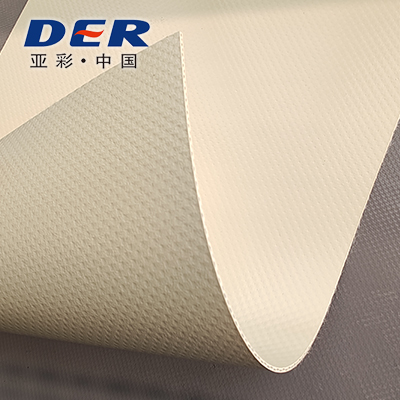
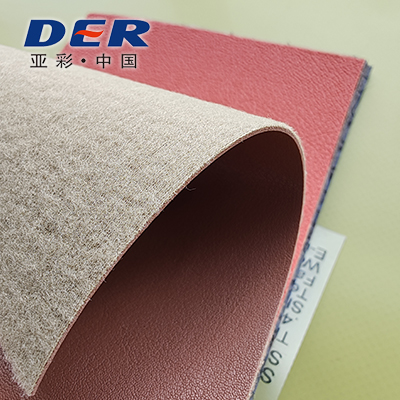
DERFLEX TPU coated fabric manufacturer sample in China
TPU technical textile sample. Final base fabric, TPU type, coating side, thickness and welding route should be confirmed against the finished product.

What should buyers know about sourcing TPU coated fabric in China?

Short answer: treat TPU fabric as a material system, not a commodity roll. A useful China factory comparison should cover the reinforcement textile, polyether or polyester TPU chemistry, one-side or two-side construction, coating or lamination route, welding compatibility, coating adhesion, roll tolerances and sample-to-bulk repeatability. For airtight or liquid-holding products, validate the finished seam and product geometry—not only the fabric sheet.

For water / humidityEvaluate polyether TPU and hydrolysis exposure.
For abrasion / oilEvaluate polyester TPU and mechanical wear targets.
For inflatablesReview double-side structures, weld window and air retention.
For dry bagsBalance weight, foldability, surface, color and welding speed.
Material architecture

TPU Coated Fabric Is Polymer + Textile + Process

The finished performance changes when any one of these layers changes. That is why two “TPU fabrics” with the same nominal weight can behave very differently in cutting, welding, folding and service.

1

Reinforcement Textile

Nylon is commonly evaluated for soft folding and high strength-to-weight performance. Polyester is commonly evaluated for dimensional stability, lower stretch and predictable panel geometry. Denier, weave and yarn quality also matter.

2

TPU Chemistry

Polyether TPU is often evaluated for moisture, water contact and hydrolysis exposure. Polyester TPU is often evaluated for abrasion, oil-related exposure and mechanically demanding environments. Confirm the actual service conditions before approval.

3

Joining Surface

Single-side, double-side, coated and laminated constructions change sealing, stiffness, cleanability and processing. The intended HF, hot-air or heat-sealing route should be disclosed before sampling.

Specification framework

What to Put on a TPU Fabric RFQ

Use the table as a quotation framework. It is deliberately application-led; final values and tolerances should be confirmed on the selected grade and approved sample.

Specification Area Available Direction Why It Matters
Base Fabric Nylon or polyester; denier and weave selected by project Controls tensile / tear behavior, stretch, folding and finished-product weight.
TPU Type Polyether TPU / polyester TPU Changes hydrolysis, abrasion, oil and environmental performance direction.
Surface Structure Single-side or double-side coating; laminated TPU structures can also be reviewed Changes barrier surfaces, seam design, cleanability and weight.
Total Weight Lightweight through heavy industrial constructions according to project Affects packing size, strength, cost, handling and weld energy.
TPU Layer / Thickness Project-dependent; confirm on selected material Influences stiffness, abrasion margin, air retention and processing window.
Roll Width Standard and custom directions depending on construction and production arrangement Wider rolls may reduce panel seams and cutting scrap.
Surface & Color Matte, glossy, smooth, embossed or textured; standard and custom colors Affects appearance, blocking, grip, cleanability and brand consistency.
Processing HF welding, hot-air welding, heat sealing, lamination or project-specific conversion Material must be qualified on the buyer’s actual joining process.
Functional Direction Hydrolysis, abrasion, oil, UV, antimicrobial, flame-retardant or other requirements by project Functions must be tied to a real test method and service environment.
Packing & Documentation Roll format, labels, cartons / pallets, private label and agreed QC records Supports repeat-order traceability and international receiving.

No fixed MOQ, lead time, warranty or compliance claim is stated here because those items depend on the final specification and should be confirmed in the quotation.

Selection matrix

Match the TPU Structure to the Finished Product

Application should determine the specification. The matrix below is a practical starting point for sample selection—not a substitute for finished-product testing.

Application Starting Material Direction Critical Validation
Inflatable boats, packrafts, air chambers High-strength nylon or polyester; often double-side TPU; polyether direction commonly evaluated for water / hydrolysis exposure Weld peel / burst, air retention, puncture, flex cycles, cold handling.
Dry bags & waterproof packs Light-to-medium nylon or polyester; single- or double-side structure according to pattern and desired hand feel Welding speed, seam appearance, foldability, abrasion, color consistency.
Medical air cushions / mattresses Soft, cleanable TPU textile with application-specific surface and air-holding direction Air retention, cleaning / disinfection exposure, seam reliability and required compliance.
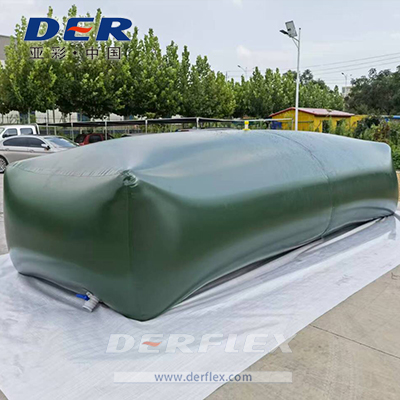
Water tanks & flexible bladders Reinforcement and TPU chemistry selected for contained media, pressure and contact duration Liquid compatibility, seam strength, hydrolysis, fold and storage behavior.
Oil / industrial bladders Polyester TPU direction may be evaluated where abrasion or oil-related exposure is important Media compatibility, bond adhesion, seam integrity, abrasion and temperature.
Protective covers & industrial components Polyester or nylon selected around dimensional stability, handling and surface durability Abrasion, cleanability, chemical exposure, repeated folding and fastening stress.

Why “same GSM” does not mean “same TPU fabric”

GSM combines the weight of textile and polymer but does not tell you the denier, weave, TPU chemistry, coating thickness, coating side, bonding route or surface finish. Compare a written construction plus performance tests, not only the total weight.

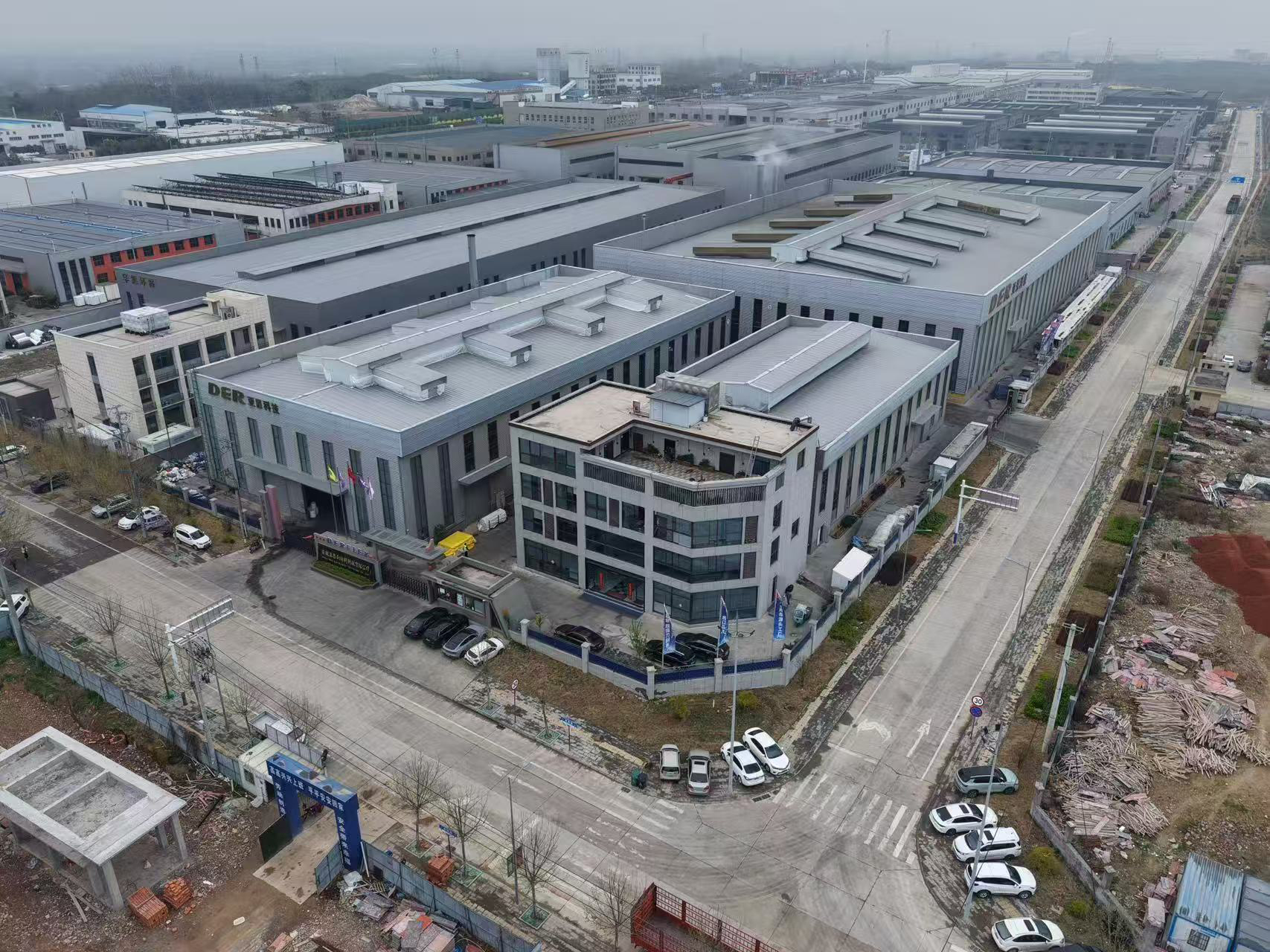
DERFLEX manufacturing base in China for coated and laminated technical fabrics
Factory context

How to Evaluate a TPU Fabric Factory in China

A factory page should show production control, not only a building photo. DERFLEX’s published Factory Tour lists an integrated manufacturing base and describes base fabric, coating / lamination, QC, engineering participation, sample validation and export execution as one production system.

  • Ask how the supplier controls substrate, polymer layer and bond consistency.
  • Confirm whether the exact grade can be trialed on your welding equipment.
  • Define incoming tolerances for width, weight, thickness, surface and color.
  • Link the approved sample to a written bulk specification and packing standard.
  • Agree which functional tests are required for your real service environment.
  • Check how repeat-order changes are documented and approved.
60,000㎡Published production area
450 + 25Workers + senior engineers listed
3Coating machines listed
5Lamination machines listed

View DERFLEX Factory Tour →

Factory qualification

Six Questions to Ask Before Choosing a China TPU Fabric Supplier

A

Can the supplier diagnose the application?

A useful supplier asks about pressure, contained media, temperature, flex cycles, abrasion, cleaning, UV and the product’s failure mode before recommending a grade.

B

Can it explain the material choices?

The factory should clearly discuss nylon vs polyester, polyether vs polyester TPU, one-side vs two-side and coating vs lamination without forcing one generic answer.

C

Can the sample be repeated?

Approved material should be linked to a written specification, tolerance, color reference, surface requirement, roll format and QC plan before bulk production.

D

Can your welding process be validated?

HF, hot-air and heat-sealing equipment behave differently. Trial the actual production surface, seam width and cooling behavior on the selected material.

E

Are tests tied to the use case?

Air retention, liquid compatibility, hydrolysis, peel, abrasion, UV or low-temperature tests should be selected because the product needs them—not because they look good on a catalog.

F

Are commercial details frozen after approval?

MOQ, roll length, lead time, labels, packing, palletization and documentation should be confirmed against the approved grade before the purchase order.

Material comparison

TPU Coated vs TPU Laminated vs PVC Coated Fabric

These materials overlap in applications, but they are not interchangeable. The right route depends on the finished-product geometry, processing equipment, service environment and market positioning.

TPU Laminated Fabric

Uses a TPU film bonded to textile. Lamination can support specific film thickness, surface appearance, hand feel and composite construction targets. Compare bond strength and processing behavior on the finished structure.

PVC Coated Fabric

Often economical for heavy-duty covers, tents and industrial tarpaulins. It can be a strong choice when cost, wide heavy-duty constructions and conventional welding are more important than a PVC-free material direction.

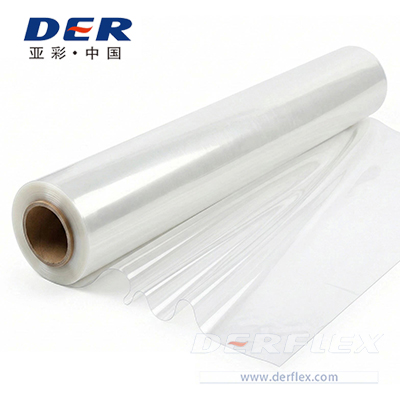
Related material pages: TPU laminated fabric · PVC coated fabric · clear TPU film roll

Product image pack

TPU Material & Application Images

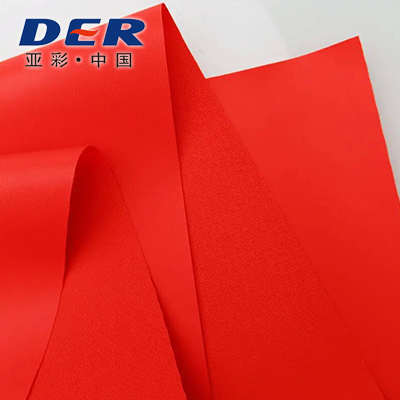
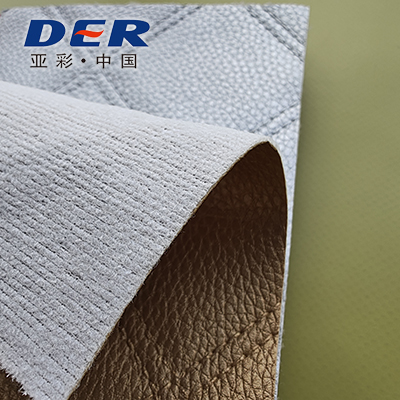
These are real DERFLEX-hosted product images selected to support image search, material understanding and buyer evaluation.

Procurement risk control

Common TPU Fabric Sourcing Mistakes

Most sourcing problems start before the purchase order. Removing ambiguity at the RFQ and sample stages reduces avoidable trial-and-error.

Buying only by GSM.
Weight does not define the substrate, TPU chemistry, coating side or bond quality.
Assuming every TPU is hydrolysis-resistant.
Polymer chemistry and service conditions must be matched and tested.
Approving appearance but not welding.
A visually good roll can still have a narrow or unstable process window on the buyer’s equipment.
Ignoring the contained medium.
Water, oil and other liquids may require different material and test directions.
Using a generic “waterproof” test.
Inflatables and tanks need seam and finished-product validation, not only surface hydrostatic data.
Failing to freeze repeat-order controls.
Color, surface, roll width, tolerances, labels and packing should be part of the approved standard.
Quality & sample approval

What to Check Before Bulk Production

Incoming Material Checks

  • Usable width, roll length and edge condition
  • Weight and thickness against agreed tolerances
  • Surface defects, blocking, gloss / matte and texture
  • Color reference and lot-to-lot consistency
  • Coating / lamination bond and peel behavior
  • Tensile and tear values where required by the design

Conversion & Finished-Product Checks

  • HF, hot-air or heat-sealing process window
  • Seam appearance after cooling and flexing
  • Peel / burst or seam strength where applicable
  • Air or liquid retention on finished geometry
  • Hydrolysis, abrasion, UV, oil or chemical exposure as needed
  • Folding, packing and repeated deployment behavior

For the broader technical roll-goods workflow, see DERFLEX’s TPU coated fabric manufacturer guide. For application-specific material, review TPU inflatable fabric and TPU dry bag fabric.

Related buyer questions

Questions Buyers Ask About TPU Fabric in China

Direct answers to common sourcing, material and factory-evaluation questions.

Is TPU coated fabric waterproof?

TPU can create a continuous waterproof barrier on a reinforced textile. For a finished bag, bladder or inflatable product, waterproof or airtight performance also depends on seam design, welding parameters, valves, fittings and the final geometry.

Is TPU coated fabric the same as TPU laminated fabric?

No. Coated fabric applies a TPU layer to the textile, while laminated fabric bonds TPU film to the textile. Both can be suitable; the preferred route depends on film thickness, bond target, surface, hand feel, weight and processing requirements.

Which is better: TPU coated nylon or TPU coated polyester?

Neither is universally better. Nylon is often considered for flexible, high strength-to-weight products; polyester is often considered when dimensional stability and lower stretch matter. Denier, weave and TPU structure must also be compared.

How do I compare TPU fabric factories in China?

Compare how clearly each factory converts your application into a specification, supports welding trials, defines tolerances, controls coating adhesion, documents sample approval and manages repeat-order consistency—not only quoted price.

FAQ

TPU Coated Fabric China FAQ

What is TPU coated fabric?

TPU coated fabric is a reinforced technical textile made by applying thermoplastic polyurethane to a woven or knitted substrate such as nylon or polyester. The textile carries tensile and tear loads, while TPU provides the sealing surface, flexibility, abrasion protection and thermoplastic welding behavior.

What is TPU coated fabric used for?

Common uses include dry bags, waterproof backpacks, inflatable boats, air chambers, medical air cushions, flexible water or industrial bladders, marine safety products and protective industrial components.

What is the difference between polyether TPU and polyester TPU?

Polyether TPU is commonly evaluated for water contact, humidity and hydrolysis exposure. Polyester TPU is commonly evaluated for abrasion, oil-related exposure and mechanical wear. The final selection should be confirmed against the actual environment and required test method.

Can TPU coated fabric be HF or hot-air welded?

Selected TPU structures can support HF welding, hot-air welding and heat sealing. The actual weld window depends on TPU chemistry, layer thickness, surface, seam design and equipment, so production trials on the approved material are important.

Can DERFLEX customize TPU fabric width, color and finish?

DERFLEX can discuss custom base textile, coating side, TPU direction, width, color, surface finish, roll length and packaging around the project. Feasibility and commercial terms should be confirmed after the specification is defined.

What information should I send for a TPU fabric quotation?

Send the finished product or application, contained media if any, expected pressure or load, service temperature, preferred substrate, one- or two-side TPU, target weight or thickness, required width, color, surface, welding method, quantity, destination and any required test or compliance standard.

Turn Your TPU Fabric Requirement into a Testable Factory Specification

Send DERFLEX the finished product, service environment and processing method. The team can review a practical material direction for sampling and quotation.

  • Application and contained media
  • Nylon / polyester and denier direction
  • Polyether / polyester TPU direction
  • Single- or double-side structure
  • GSM / thickness / width / color / finish
  • Welding method, quantity, destination and required tests
Request a TPU Fabric Quote

If some parameters are unknown, include a finished-product photo, reference sample or current material plus the performance problem you want to solve.

Consulting Services
+86-021-54361792 / 54361798
Email
sales@derflex.com