


TPU Fabric for Welding
DERFLEX supplies weldable TPU coated fabric rolls for manufacturers that need waterproof seams, airtight chambers and repeatable processing performance. The material can be developed for RF welding, hot-air welding, heat sealing, hot wedge welding or ultrasonic welding trials according to the finished product design.
- TPU coated nylon and polyester
- Single-side or double-side TPU structures
- Custom GSM, width, color and finish
- OEM roll supply for sealed products
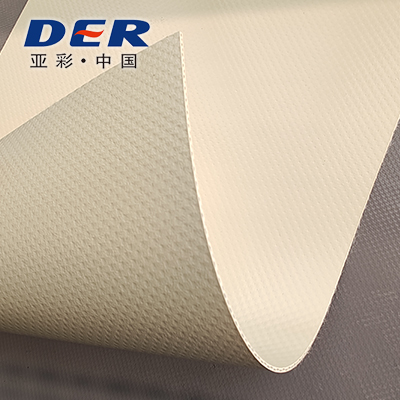
What Is TPU Fabric for Welding?
TPU fabric for welding is a thermoplastic polyurethane coated or laminated textile designed to be joined by heat, pressure or high-frequency energy instead of only by sewing. The textile reinforcement provides strength and dimensional stability, while the TPU surface creates a weldable, waterproof and potentially airtight barrier.
Why Welding Matters
For inflatable, liquid-holding and waterproof products, seam quality often decides whether a material direction is usable. Sewing can leave needle holes, while welding can create continuous sealed seams when material, equipment, temperature, pressure, speed and overlap design are matched correctly.
Why TPU Is Selected
TPU is flexible, abrasion resistant and heat-sealable. Compared with a general coated textile, a weldable TPU fabric must be selected around coating thickness, TPU chemistry, base fabric, surface finish and the buyer’s real fabrication method. DERFLEX supports sample trials before bulk confirmation.
Select the Fabric by Welding Method, Not by Photo Only
Different welding machines place different demands on TPU coating side, film thickness, fabric stiffness and seam route. The following guide helps procurement teams prepare clearer specifications for sampling.
| Welding Method | Typical Use Direction | Material Considerations | Buyer Notes |
|---|---|---|---|
| RF / HF Welding | Air bladders, inflatable parts, medical air cells, life jacket bladders and sealed chambers. | Often evaluated with double-side TPU structures, controlled coating thickness and uniform surface quality. | Share electrode shape, seam width, overlap design and expected pressure before sample preparation. |
| Hot-Air Welding | Waterproof bags, covers, outdoor gear, long seams, flexible containers and industrial products. | Requires suitable coating exposure, stable roll tension and correct balance of softness and dimensional stability. | Temperature, air flow, travel speed and roller pressure should be tested with real production equipment. |
| Heat Sealing | Dry bag closures, small chambers, sampling work, accessory panels and lightweight sealed structures. | TPU surface should soften and bond without excessive shrinkage, distortion or coating damage. | Useful for trial development, but bulk production should confirm seam strength and appearance consistency. |
| Hot Wedge Welding | Long linear seams, heavier waterproof sheets, flexible tanks and industrial containment structures. | Material thickness, coating side and base textile strength should match wedge temperature and pressure. | Recommended for projects where long seam continuity and production speed are important. |
| Ultrasonic Welding | Selected thin materials, technical seams, medical components and special assembly designs. | Requires compatibility between TPU layer, textile structure and ultrasonic energy response. | Sample testing is important because base fabric construction strongly affects welding behavior. |
Where Weldable TPU Fabric Is Used
DERFLEX focuses on roll material supply for manufacturers, converters and OEM teams that fabricate sealed products, not only buyers looking for a general waterproof textile.
Waterproof Bags
Dry bags, waterproof backpacks, bikepacking bags, soft coolers and outdoor storage products requiring clean welded seams and flexible folding.
Inflatable Products
Inflatable boats, packrafts, air tents, arches, air mattresses and OEM air-supported products requiring airtight seam development.
Medical Air Systems
Pressure cushions, medical air mattresses, patient support chambers and cleanable air-cell structures after finished-product validation.
Marine Safety
Life jacket bladders, rescue floats, buoyancy chambers and marine inflatable components requiring weldability and folding performance.
Flexible Tanks
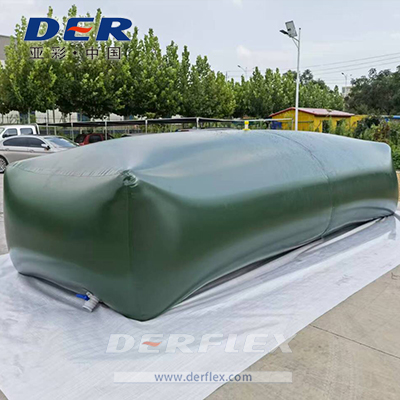
Water bladders, oil bladders, fuel bags, pillow tanks and collapsible containers where liquid compatibility and seam strength must be tested.
Industrial Protection
Machine covers, protective sleeves, spill containment parts, ducts and custom flexible industrial goods requiring waterproof welded construction.
TPU Coated Nylon, TPU Coated Polyester and TPU Film Lamination Options
The right weldable TPU fabric depends on product size, working pressure, folding behavior, target cost, surface finish and manufacturing equipment. DERFLEX can help compare different material directions before bulk production.
TPU Coated Nylon Fabric
Often selected when flexibility, folding, tear strength and lightweight construction are important. Suitable direction for dry bags, compact bladders, inflatable outdoor gear and marine safety components.
TPU Coated Polyester Fabric
Often selected for dimensional stability, cost balance and stronger shape control. Suitable direction for industrial covers, larger welded panels, flexible containers and protective products.
Double-Side TPU Fabric
Frequently evaluated for air-holding or liquid-holding products where both sides need a weldable and cleanable TPU surface. Final suitability should be confirmed through seam and pressure tests.
Custom TPU Fabric for Welding: Specification Options
The following options are practical directions for discussion. Final values should be confirmed through sample welding, peel strength review, air retention testing, liquid compatibility testing and finished-product trials.
| Item | Available Direction | How It Affects Welding |
|---|---|---|
| Base Fabric | Nylon or polyester, woven or selected textile construction | Controls tear strength, flexibility, dimensional stability and heat response. |
| Base Denier | 70D, 210D, 420D, 600D, 840D, 1000D, 1680D and custom | Higher denier can improve strength but may increase stiffness and handling weight. |
| TPU Type | Polyether TPU or polyester TPU direction | Polyether direction is often reviewed for water and hydrolysis resistance; polyester direction is often reviewed for abrasion and oil-related strength. |
| Coating Side | Single-side TPU or double-side TPU | Double-side TPU is commonly evaluated for airtight, inflatable and liquid-holding products. |
| Total Weight | Approx. 90–1500 gsm depending on structure | Weight influences seam strength, folding, cost, product feel and production speed. |
| TPU Layer / Thickness | Custom coating or film thickness by project | Affects welding window, seam appearance, air retention and peel behavior. |
| Roll Width | Common 1.4 m–3.2 m, custom width by grade | Wider rolls can reduce seam quantity and improve production efficiency for large products. |
| Surface Finish | Matte, glossy, embossed, textile texture or custom | Surface design affects machine feeding, appearance, cleaning and touch feel. |
| Color and OEM Packing | Standard colors, customized colors, roll labels and packaging | Supports private-label production and repeat purchasing consistency. |
| Testing Direction | Welding test, peel test, airtightness, water pressure, abrasion, low temperature and chemical contact by project | Testing should match the finished product’s real working environment. |
How DERFLEX Helps Buyers Choose Welding-Ready TPU Fabric
Many sourcing problems begin when the material is selected only by GSM, color or a sample photo. Welded products need a more practical review: final use, seam route, equipment type, pressure, liquid contact, cleaning method, folding requirement and bulk roll consistency.
DERFLEX can discuss material direction from the finished product backward, then prepare sample rolls for welding trials. This helps fabricators reduce vague selection, avoid repeated sampling and keep a clear specification record for future orders.
Practical Buyer Reminder
TPU fabric may be weldable in principle, but a stable production result depends on your equipment setting, seam design, operator process and final product testing. Sample welding should always be confirmed before mass production.
Define Product
Share product type, finished size, seam route, air or water pressure, folding frequency and working environment.
Match Material
Compare nylon, polyester, TPU chemistry, coating side, thickness, width, finish and color direction.
Test Welding
Run trial welding using your real equipment and evaluate seam appearance, peel strength and leakage behavior.
Confirm Specs
Record weight, thickness, width, surface, color, roll length, packing and required test items.
Plan Bulk Supply
Align MOQ, lead time, packing, labels, inspection points and export documentation before production.
Repeat Control
Maintain consistent specification records for future OEM orders, distributors and long-term programs.
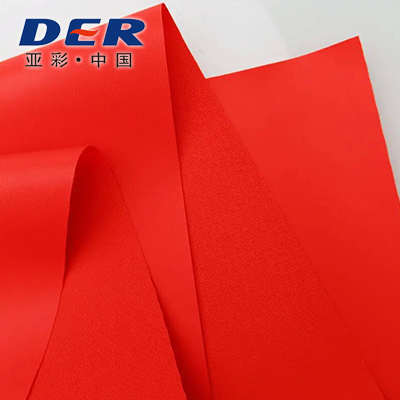
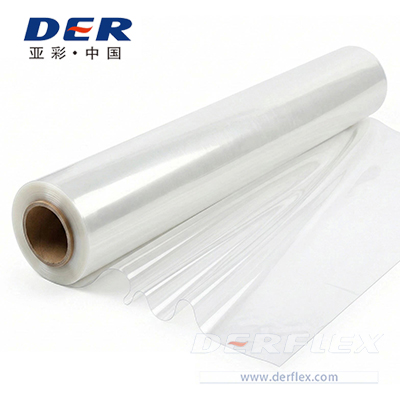
TPU Fabric, Film and Welded Application Visuals
Actual DERFLEX website product images are used for preview. They can be replaced with project-specific photos later if needed.
From General Roll Supply to Welding-Focused Material Support
For manufacturers of sealed products, a product page should not only say “waterproof”. It should help buyers understand how the material behaves during welding, packing, testing and repeat production.
| Buyer Concern | General Material Buying Risk | DERFLEX Welding-Focused Support |
|---|---|---|
| Welding Method | Material is selected without confirming RF, hot-air, heat sealing or ultrasonic process. | Review welding method, seam design and coating direction before sample selection. |
| Air / Water Retention | A waterproof surface is confused with airtight or liquid-holding performance. | Recommend single-side or double-side TPU direction according to sealing requirement. |
| Finished Product Stress | GSM is used as the only selection factor. | Consider pressure, folding, abrasion, panel size, corner stress and target lifespan direction. |
| OEM Consistency | Future orders may vary in color, roll width, surface or packing. | Maintain specification, color, packing and roll format records for repeat purchasing. |
| Export Communication | MOQ, roll length, labels and documents are confirmed too late. | Coordinate quotation details, packing, shipping marks and export documents before production. |
Application-Focused TPU Fabric Manufacturer for OEM Welding Projects
DERFLEX combines coated fabric manufacturing, TPU material selection, roll supply and export project experience to support buyers who need more than a standard material name.
Material Engineering Review
Support comparing TPU coated nylon, TPU coated polyester, TPU film lamination, single-side and double-side structures.
Custom Roll Options
Discuss weight, coating thickness, width, color, surface finish, hardness direction, roll length, labels and OEM packaging.
Welding Trial Direction
Prepare materials for RF welding, hot-air welding, heat sealing, hot wedge or ultrasonic welding evaluation.
Batch Control
Check appearance, width, thickness, roll surface and packing details to support repeat manufacturing programs.
Export Experience
Support international buyers with quotation communication, packing confirmation and documentation coordination.
Related Material System
Connect TPU fabric with TPU film, inflatable fabric, fuel bladder fabric, dry bag fabric and other technical textile solutions.
What to Send for a More Accurate TPU Fabric Recommendation
A clear request helps DERFLEX avoid vague recommendations and prepare a more practical TPU fabric for welding proposal.
- Finished product type: dry bag, inflatable, bladder, tank, cushion, cover or other product.
- Welding method: RF / HF, hot air, heat sealing, hot wedge, ultrasonic or other equipment.
- Target weight, thickness, base fabric, coating side, width and color direction.
- Working environment: outdoor exposure, water contact, oil contact, cleaning process or low-temperature use.
- Performance expectation: waterproofing, airtightness, liquid holding, abrasion, softness, folding or appearance.
- Order plan: sample requirement, estimated quantity, roll length, packing, label and destination market.
Build a Complete Weldable TPU Material System
Use these DERFLEX pages to compare related TPU fabric and film options for sealed product manufacturing.
Frequently Asked Questions About TPU Fabric for Welding
Practical answers for waterproof bag factories, inflatable product manufacturers, medical air system producers, flexible tank fabricators and OEM procurement teams.
What TPU fabric is suitable for welding?
A suitable welding fabric is usually a TPU coated or TPU laminated nylon / polyester fabric selected according to welding method, coating side, thickness, surface finish, seam design and final product pressure. Sample trials are recommended before bulk production.
Can TPU fabric be RF welded?
Many TPU coated fabrics can be evaluated for RF or high-frequency welding. The result depends on TPU chemistry, coating thickness, fabric construction, electrode design and machine settings. DERFLEX can help prepare sample directions for testing.
Is hot-air welding suitable for TPU coated fabric?
Hot-air welding can be used for many thermoplastic coated fabrics, including TPU structures, when temperature, speed, air flow and pressure are matched correctly. It is often reviewed for waterproof bags, covers, long seams and flexible containers.
Should I choose single-side or double-side TPU coated fabric?
Single-side TPU can be suitable for lightweight waterproof products where one coated surface is enough. Double-side TPU is often evaluated for airtight, inflatable, medical air, bladder and liquid-holding products where sealing reliability is more important.
What is the difference between TPU coated nylon and TPU coated polyester for welding?
TPU coated nylon is often reviewed for flexibility, folding and tear strength. TPU coated polyester is often reviewed for dimensional stability, larger panels, industrial products and cost-performance balance. Final selection depends on the finished product and welding process.
Can DERFLEX customize weldable TPU fabric?
Yes. DERFLEX can discuss custom base fabric, denier, TPU type, coating side, thickness, weight, color, surface finish, width, roll length, packing and OEM label direction according to the buyer’s application.
How do I test TPU fabric before bulk production?
Run welding trials on your actual equipment, then evaluate seam appearance, peel strength, leakage, folding, abrasion, temperature behavior and product-specific requirements. For tanks, bladders or safety-related products, finished-product validation is especially important.
What information should I provide when requesting a quote?
Please provide product application, welding method, desired weight or thickness, base fabric preference, coating side, roll width, color, surface finish, working environment, testing needs, sample quantity and estimated bulk order volume.
Request Custom TPU Fabric for Welding
Send your application, welding method, target specification and sample requirement. DERFLEX will help you review a practical material direction for trial welding and bulk roll supply.