Clear roof marquee
Creates visual height and daylight penetration. Prioritize heat-gain assessment, roof pitch, runoff, panel deflection and access for cleaning. A clear roof may be best in selected bays rather than the entire span.




Create an open-air feeling within an enclosed event space. A successful transparent tent begins with a deliberate choice of clear roof areas, sidewalls and connection details—not simply the clearest sheet available. DERFLEX helps buyers evaluate flexible transparent PVC cover material for weddings, hospitality events and marquee fabrication. Explore the differences between flexible film, rigid glazing and opaque membrane, then send your roof layout, climate and cleaning requirements for a project-specific material discussion.
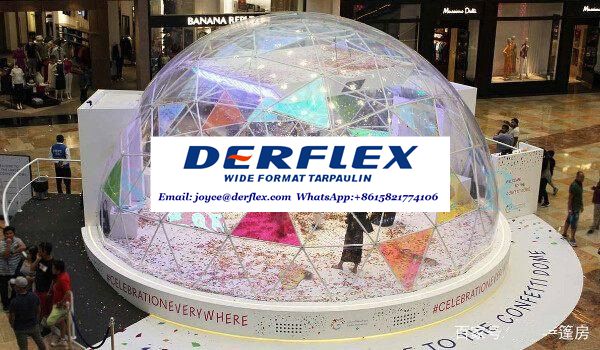
A transparent tent is a temporary or semi-permanent enclosure in which some or most of the roof and/or wall surfaces permit a clear view. The enclosure can use clear flexible PVC in membrane areas, rigid glass or polycarbonate for selected wall modules, plus a separately engineered supporting frame. A clear roof tent maximizes sky visibility; a marquee with clear sidewalls emphasizes outward views while controlling roof exposure. The right combination depends on event duration, weather, wind and structural requirements, daytime heat, night-time condensation, cleaning access and how the panels will be replaced.
Transparency is a design allocation, not a single product grade. Consider which views matter at the event and what environmental exposure each surface receives.
Creates visual height and daylight penetration. Prioritize heat-gain assessment, roof pitch, runoff, panel deflection and access for cleaning. A clear roof may be best in selected bays rather than the entire span.
Frames garden, landscape or venue views while allowing a translucent or opaque roof to manage direct sunlight. Plan opening panels, door zones, repeated handling and the bottom-edge interface.
Combine clear roof sections, clear window zones and opaque PVC membrane based on sightlines and energy comfort. This often provides more flexibility for installation and replacement.
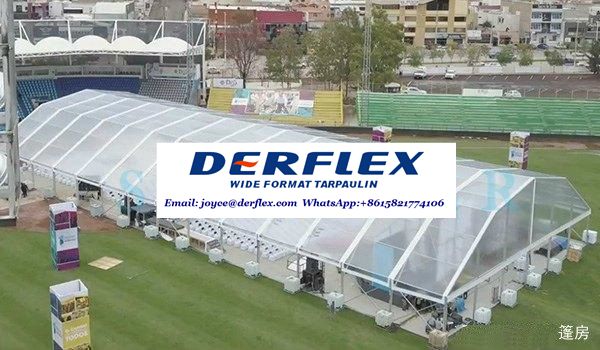
A clear wedding tent can look exceptionally light, but its transparent surfaces expose details that opaque coverings conceal. Seams, folds, storage impressions, moisture droplets and frame transitions remain visible. Early panel planning can reduce these distractions.
A clear span transparent tent describes an open interior without intermediate support columns. “Clear span” is a frame characteristic; it does not mean the roof covering is transparent or that every clear material is interchangeable.
| Surface choice | Typical role | Selection strengths | Critical questions |
|---|---|---|---|
| Clear flexible PVC sheet or tarpaulin | Flexible roof and wall insert areas, selected transparent membrane panels | Can follow flexible cover geometry; joining and replacement may be integrated into fabricator workflows | Film grade, thickness, optical quality, UV exposure, seam method, shrinkage, handling marks and temperature range |
| Tempered / laminated glass systems | Rigid sidewall or glazing modules in designed structures | Rigid appearance and established glazing approaches | Weight, framing, transport, impact and glazing compliance; outside DERFLEX material manufacturing scope |
| Rigid polycarbonate (PC) panel systems | Selected rigid infill or curved glazing concepts where system design permits | Different impact and shaping behavior from glass, depending on panel grade | Expansion, scratch resistance, clarity over time, fire requirements and frame detail; outside DERFLEX material manufacturing scope |
| Opaque coated tent fabric | Roof bays, shaded areas, valances and perimeter sections | Visual privacy and light-control possibilities | Compatibility with clear-panel welding, water routing, tensile loads and visual integration |
The material comparison is a planning guide, not an engineered interchangeability statement. Final load and code compliance belong with the appointed structure designer and relevant system suppliers.
Clear membrane affects the indoor experience as much as the exterior aesthetic. A venue designed for a cool evening event may be uncomfortable at midday with the same clear-roof proportion.
Clear roof areas admit daylight and can add substantial radiant heating. Review latitude, season, orientation, event time, shade potential, ventilation and cooling provision. A partially opaque roof may be more appropriate in hot climates.
Moist indoor air can condense on colder clear surfaces, especially with large guest counts and night-time cooling. Plan ventilation, interior humidity control, drip paths and drainage. No PVC grade alone guarantees condensation-free operation.
UV, dirt, abrasion, repeated folding, local chemicals and cleaning methods can affect optical appearance. Discuss expected installation duration and replacement cycles; do not assume a clear PVC panel will age like an opaque coated membrane.
For transparent tent covers, seam placement is visible design work. Fabricators should develop a panel map alongside the architectural elevation and the frame geometry. Record material orientation, any intentional overlaps, allowable edge movement and the sequence of installation.
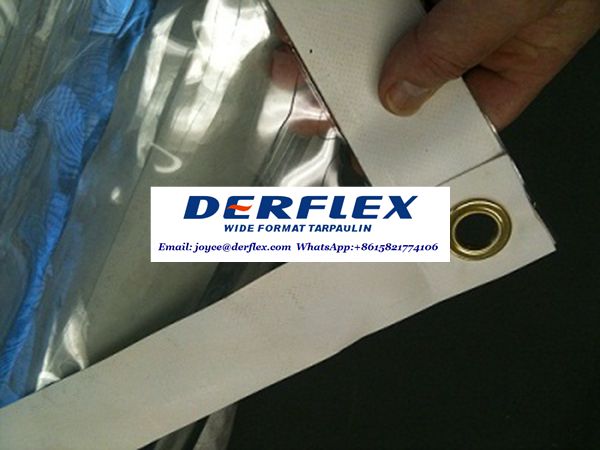
Maintenance procedures should be reviewed before choosing a finish or proposing a fully transparent venue. Fine scratches, water spotting and concentrated chemical contact are more noticeable against a clear sky or dark landscape.
The most productive sourcing conversation starts with drawings and operating conditions. Film thickness by itself cannot determine whether an enclosure will function safely.
| Input to share | Why it matters | Useful format |
|---|---|---|
| Clear area proportion | Defines light entry and clear-material consumption | Roof percentage, wall percentage, marked elevations |
| Location and panel geometry | Sets seams, curvature and useful roll width | Roof plan, bay size, shape and CAD/PDF drawings |
| Requested film grade / thickness | Starts a material evaluation; not a structural approval | Target specification or sample reference |
| Climate and event schedule | Informs heat, cold, UV, condensation and rain considerations | City/region, season, duration, expected operating hours |
| Joining, fixing and cleaning | Checks shop process and operational feasibility | Machine type, connection sketches, cleaning method |
| Quantity and scope | Distinguishes roll supply from panel fabrication and any other supplier components | Area, panel count, quantity, delivery destination |
Transparent tents may combine flexible clear PVC roof or wall panels with an aluminium frame, glass wall modules or rigid polycarbonate panels. These are different components, and the complete structure's supply scope must be confirmed separately.
It can create a bright venue but may increase solar heat gain. Shade, ventilation, occupancy, local climate and an event's time of day should be reviewed before deciding how much roof area should be transparent.
Joining depends on the exact PVC formulations, thicknesses, equipment and seam geometry. A representative production trial and seam evaluation should be agreed before bulk cutting.
Plan ventilation, humidity management and drainage paths, and consider how indoor temperature and occupancy affect surface condensation. Film selection alone cannot eliminate condensation.
This page describes glass and polycarbonate as possible system components, not as DERFLEX-manufactured products. Buyers should confirm the precise quotation scope for flexible PVC material or fabricated panels separately.
Send drawings or photos, transparent roof and wall percentages, panel positions, approximate dimensions, requested thickness or specification, climate, cleaning procedure and quantity.
Use these resources to develop your frame concept, cover specification and sourcing plan.
Send your roof/wall layout, desired clear-area percentage, thickness or target grade, location and climate, cleaning method, fabrication plan and approximate quantity. DERFLEX can discuss an appropriate flexible transparent PVC material approach and clarify the quotation scope.