


- Home /
- Canvas Tarps /
- Heavy Duty Canvas Tarps
Heavy Duty Canvas Tarps
Breathable woven protection, built around your actual covering job. DERFLEX helps distributors, fabricators and industrial buyers specify heavy duty canvas tarps for equipment, materials, site work and repeat-order programs.
Choose the right weave and treatment, then define the finished dimensions, stitched edges, corner reinforcements, eyelet layout and packaging. For jobs where fully sealed waterproofing is essential, compare a coated tarp instead of assuming every canvas cover behaves the same way.
- Woven canvas options
- Reinforced finishing
- Custom OEM briefs
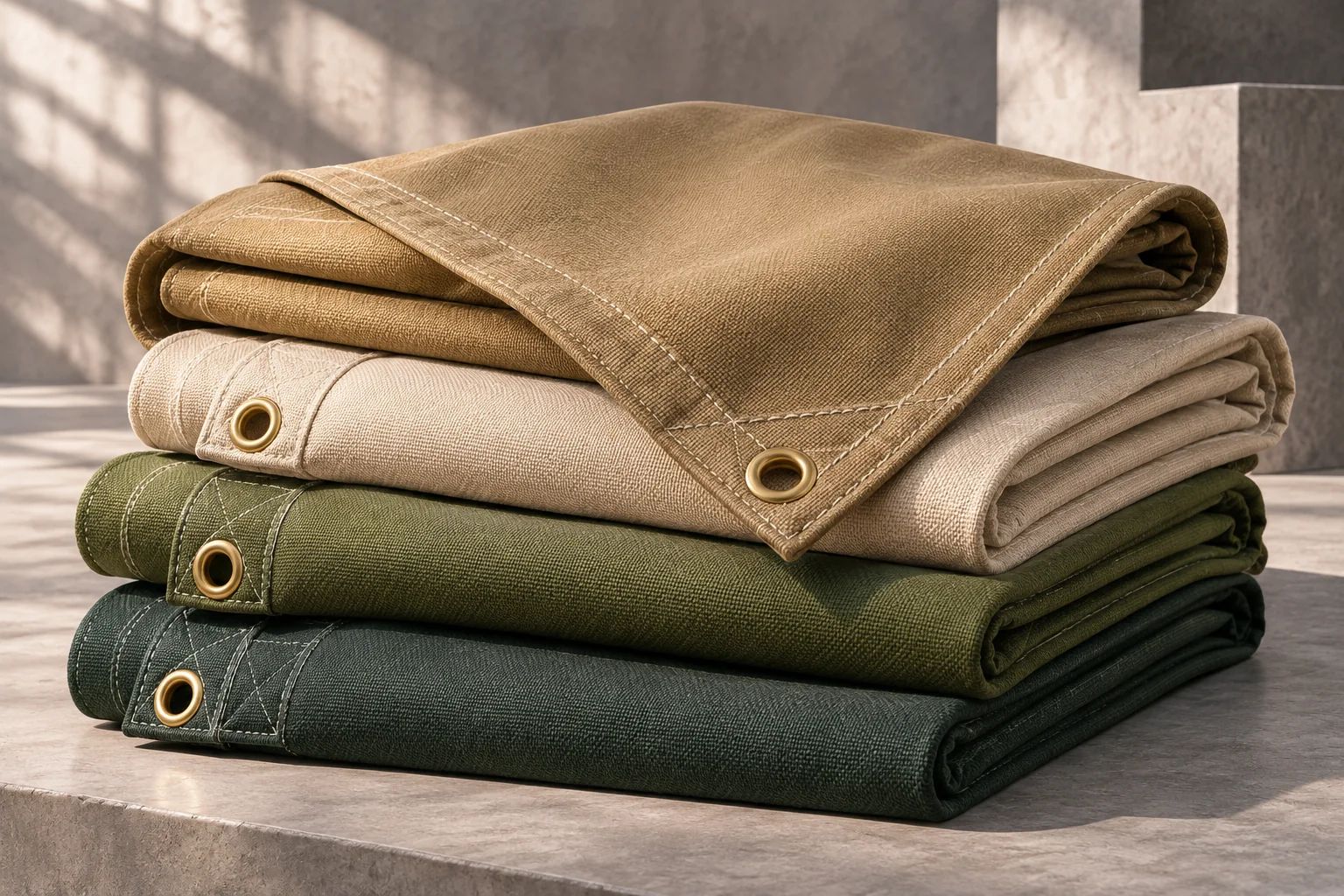
What makes a canvas tarp “heavy duty”?
A heavy duty canvas tarp is a woven textile cover selected for frequent handling, abrasion exposure and practical protection. Its useful strength depends on the actual cloth construction, treatments, seams, perimeter and tie-down design—not on a label or advertised weight alone. Cotton duck and selected blended canvas can allow greater moisture exchange than continuous plastic-coated sheets. Waxed, oiled or water-repellent finishes may improve rain shedding, but most breathable canvas should not be treated as a fully waterproof, seam-sealed cover.
When ventilation and soft textile contact matter, evaluate canvas. For prolonged heavy rain, road spray, frequent washdown or welded seams, evaluate industrial PVC tarps instead.
Three decisions behind a reliable canvas tarp
A durable fabric alone cannot compensate for weak stitching or attachment points. Specify the material, edge construction and practical use environment together.
Start with the textile
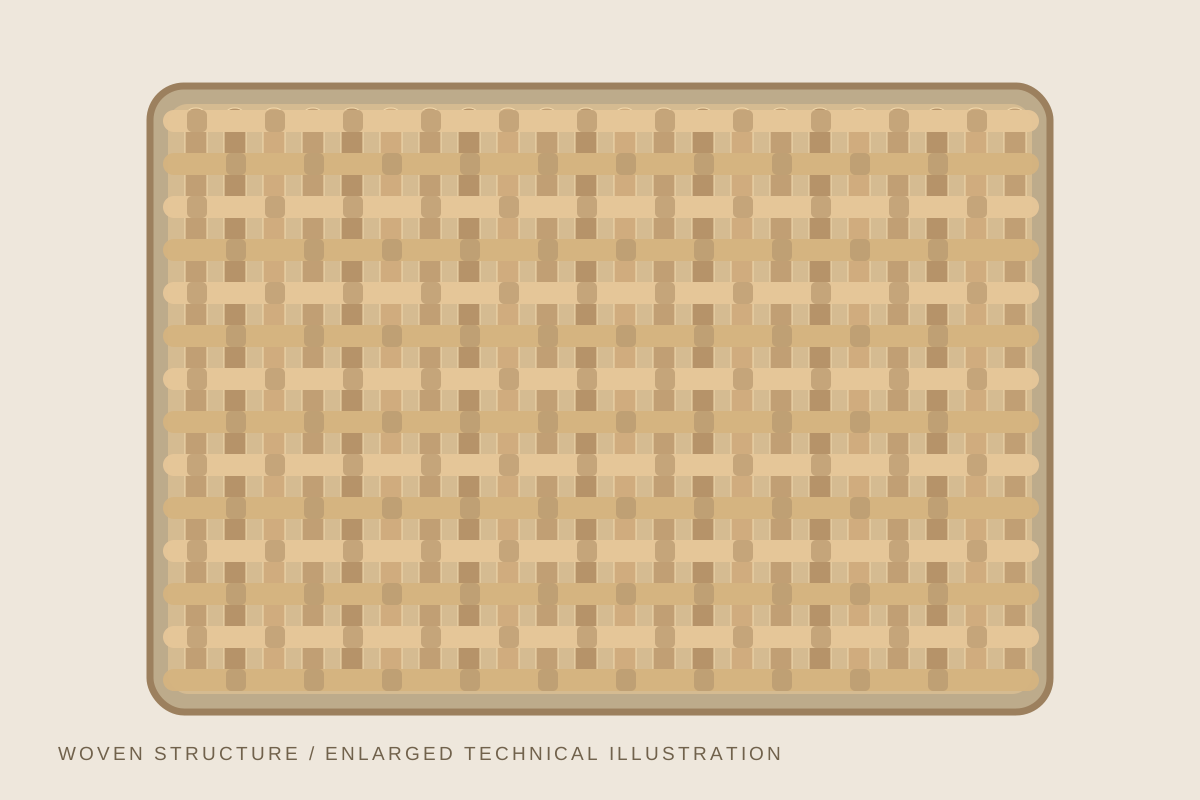
Define cotton duck, polyester canvas or blend; requested weight basis; hand feel; weave density; abrasion contact and whether treated weight is included in the stated mass.
Match the exposure
Discuss untreated, waxed, oiled or other water-repellent finishes where suitable. Compare expected rain, ventilation, staining, color transfer and cleaning limitations.
Distribute the load
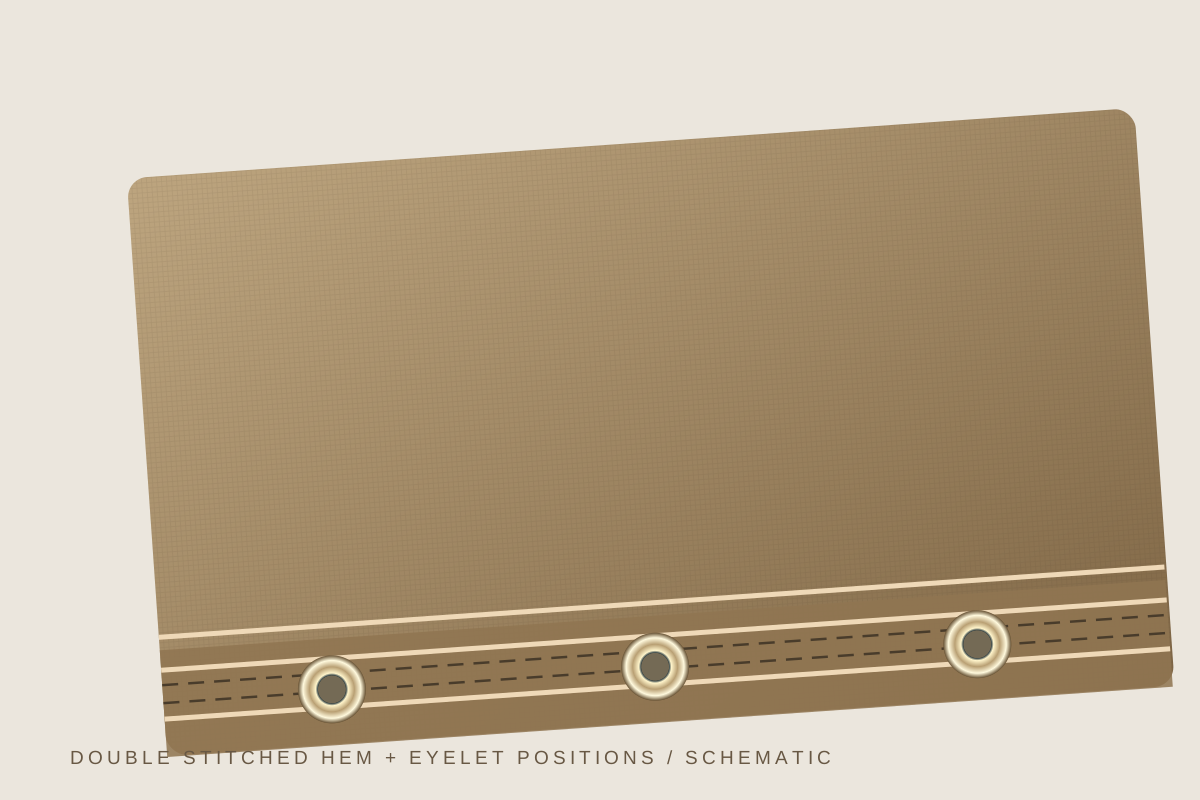
Specify stitched hems, reinforcement webbing, corner patches and eyelet or D-ring positions. Tie-down loads should be reviewed against cover size and duty cycle.
A clear specification for a serious purchase
Use this procurement matrix to request comparable quotes. These are specification fields, not a claim that every listed option is available in every DERFLEX grade.
| Specification | What the buyer should define | Why it matters |
|---|---|---|
| Material family | Woven cotton duck, cotton-polyester blend or synthetic canvas; treated versus untreated | Changes breathability, handling, shrinkage and maintenance. |
| Fabric mass | Nominal oz/yd² or g/m²; before or after treatment; tolerance and test condition | Prevents comparing unlike weights. Weight alone is not a tear test. |
| Surface treatment | Water repellent, wax/oil finish or other grade-specific treatment as appropriate | Changes rain shedding, touch, odor and cleaning behavior. |
| Finished cover size | Exact finished width × length, fitting shape, seam positions and tolerance | Cut size and finished dimensions are not always the same. |
| Edge construction | Single or double-stitched hems, webbing, rope-in-hem, corner patches | Edge details often determine durability in repeated use. |
| Fixing hardware | Eyelet metal and diameter; spacing; D-rings, straps or loops; placement drawing | Secure installation depends on load distribution. |
| Validation | Tear/tensile data where needed, treatment evidence, dimensional checks, sample fit | Connects any claimed performance to an actual grade and method. |
| Order format | Roll fabric, cut panels or finished tarp; quantity, packing, labeling and destination | Separates material supply from finished-goods manufacturing. |
Unit guide: 1 oz/yd² ≈ 33.906 g/m². Example only: 18 oz/yd² ≈ 610 g/m². This is a mathematical conversion, not a published specification for a DERFLEX SKU.
Choose canvas around the work—not the catalog label
Canvas can be a sensible choice when breathability and flexible protection are more important than sealed water exclusion. The cover design still has to fit the job.
| Use case | Canvas tarp direction | Confirm before production |
|---|---|---|
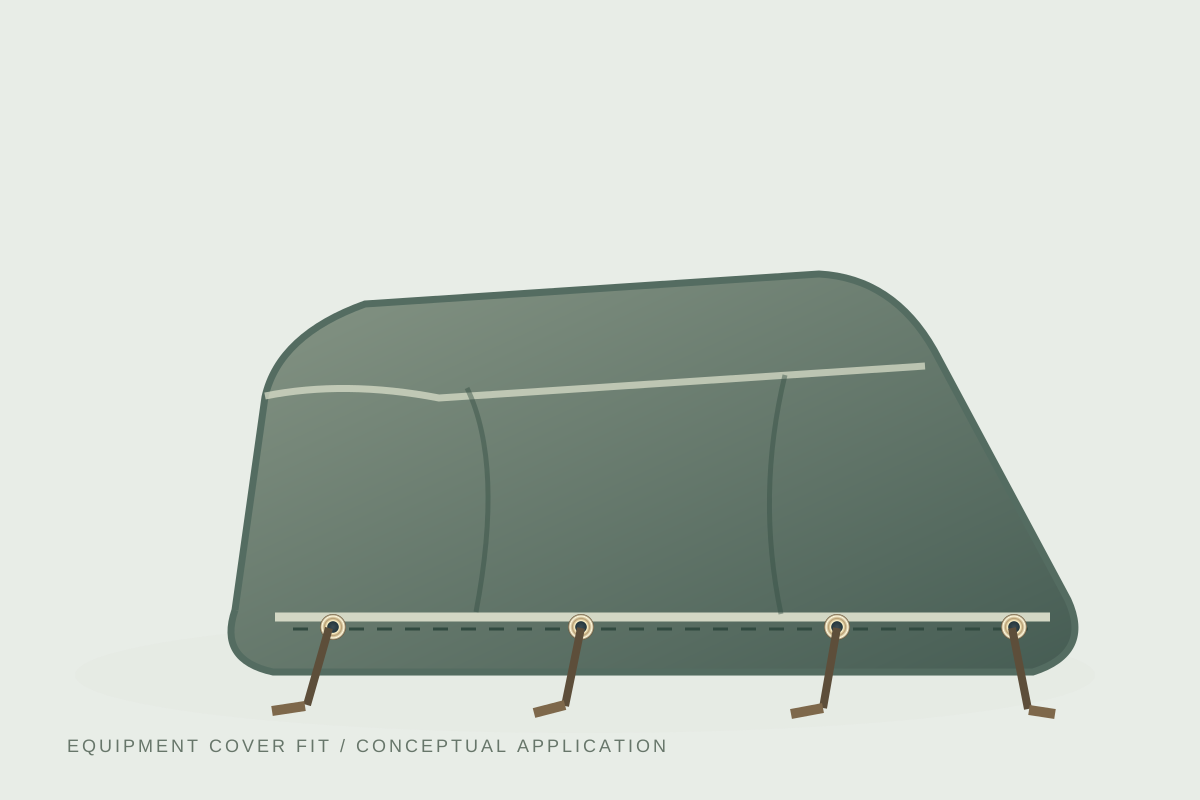
| Machinery & equipment | Breathable covers with soft, abrasion-conscious contact surfaces | Ventilation, sharp edges, oil or chemical contact, straps and access openings |
| Building materials | Reusable heavy canvas for dry construction stock and temporary covering | Wind movement, puddling, dirt transfer, lifting/handling method and exposure |
| Agriculture & farm | Seasonal covers where moisture escape is useful | Crop sensitivity, ground clearance, treatment compatibility and cleaning |
| Warehouse & storage | Dust and handling protection for selected stored goods | Humidity, condensation, required airflow and warehouse safety rules |
| Transport & trailers | Specific breathable cargo covers, subject to weather and retention requirements | Road spray, tie-down cycling, cargo edges and legal load restraint; sealed PVC may fit better |
| Outdoor shelters | Traditional canvas for selected temporary shade and cover structures | Support geometry, water runoff, fire requirements, seam design and wind exposure |
Choose it for breathable handling where incidental splash protection is enough and the cover can be dried after exposure.
For repeated heavy rain or fully sealed seams, compare PVC-coated polyester fabric and a validated finished-cover design.
Details that determine how a tarp performs
These original technical illustrations explain construction and selection. They are not photographs of a particular DERFLEX SKU, tested sample, factory or customer installation; approve physical samples before specifying final color and workmanship.

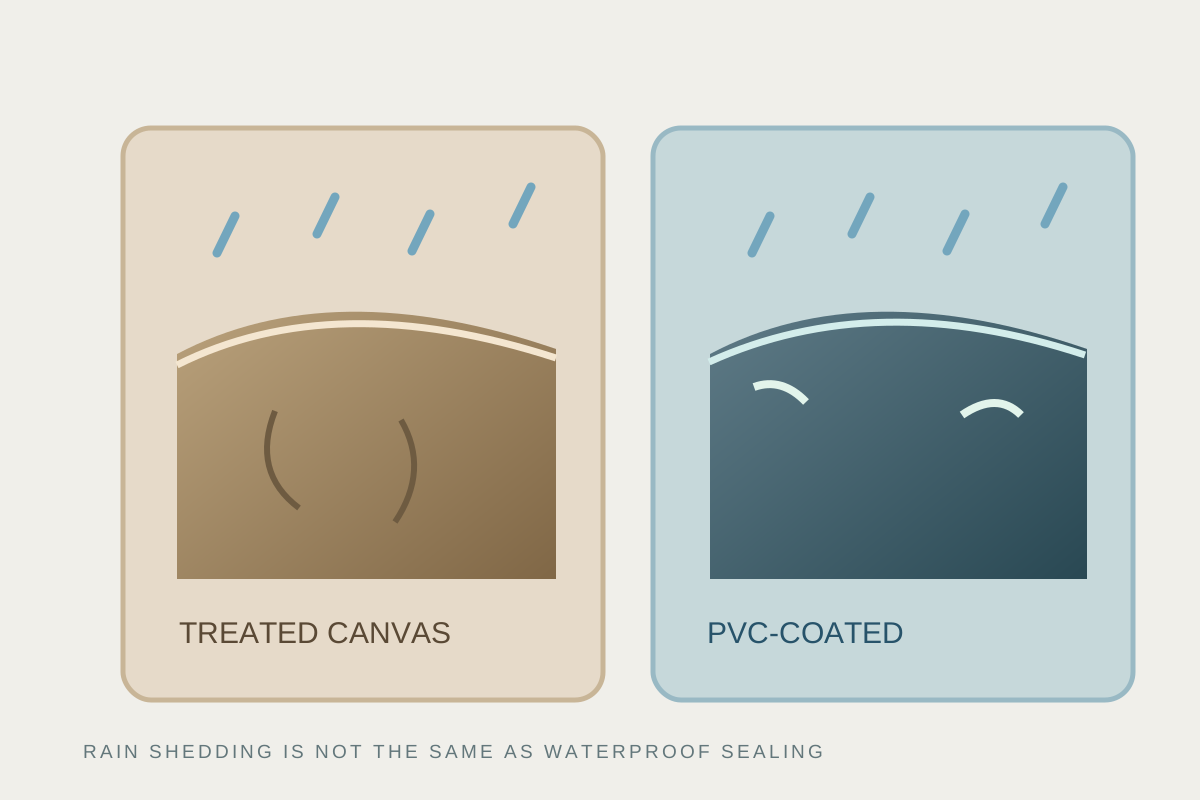
Water-resistant is not the same as watertight
Canvas is frequently chosen because it is a fabric, not a fully sealed plastic barrier. Treatment can help rain bead and run off, but saturation, pooling, weathered treatment, stitched seams and poor drainage can let moisture through.
If a customer asks for a fully waterproof heavy duty canvas tarp, start by confirming whether they mean a treated woven cover or a coated tarpaulin. For a dedicated comparison, read canvas tarps vs. vinyl tarps.
- Identify standing-water or repeated-rain exposure.
- Discuss breathability and expected condensation.
- Validate treatment, stitch lines and real installation.
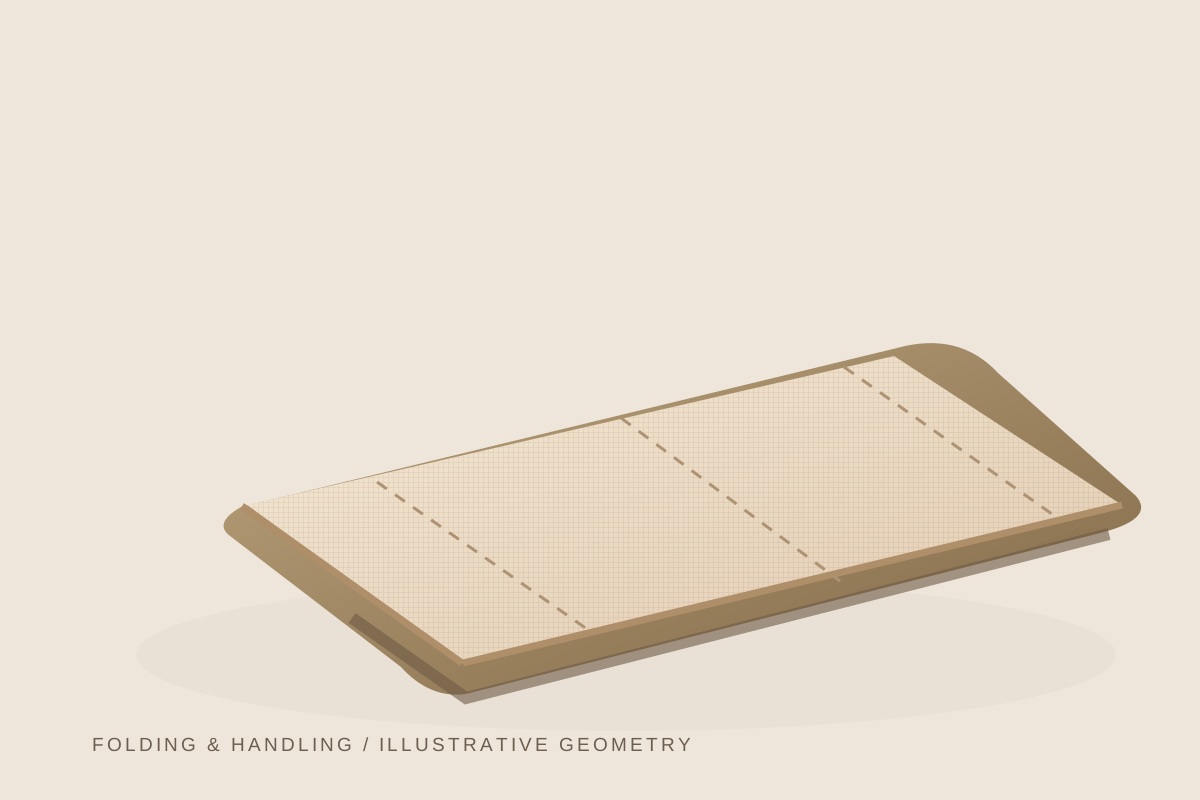
Build maintenance into the specification
Canvas can be repaired or reworked in many constructions, but its performance will change if it is stored wet, dragged across abrasive surfaces or repeatedly pulled from a few eyelets. Decide who will clean, dry, fold and inspect the tarp.
Where dimensional stability matters, request a finished-size tolerance and sample check after relevant treatments. Confirm whether a waxed or oiled finish has cleaning limits, contact staining risks or re-treatment requirements.
For related finish options, review oil-treated canvas tarp guidance.
From a covering problem to a repeatable purchase order
A clear scope and approved sample can make the next batch easier to specify and inspect. Discuss supply of fabric rolls, cut components and finished tarps as distinct quotation items.
Map the conditions
Send the application photo, likely contact surfaces, exposure conditions, expected handling cycle, estimated annual order and target delivery market. Indicate whether the goods must breathe or stay fully sealed.
Engineer the details
Choose a material direction and request actual fabric data. Mark finished dimensions, reinforced hems, corners, seam direction, eyelets or D-rings and any brand label or packaging requirements.
Approve & repeat
Evaluate a physical sample for size, color, weave, treatment, seams, fixing and packaging. Agree on acceptance criteria and what information must remain traceable on repeated orders.
Before you order heavy duty canvas tarps
The shortest reliable RFQ answers more than “how many ounces?” Use the list below to avoid mismatched quotations and unnecessary re-sampling.
Send these details with your drawing or sample
- Use case: machinery, cargo, construction, agriculture, warehouse or shelters.
- Environment: rain, UV, wind motion, abrasion and moisture sensitivity.
- Finished size: width, length, corners, openings and quantity.
- Fabric: cotton duck or blend preference, nominal weight and treatment.
- Assembly: stitch construction, webbing, rope, corners and overlap.
- Fixings: eyelet/D-ring type, size, spacing and pull directions.
- Order: rolls, panels or finished goods; colors, branding and packing.
- Validation: required sample checks, tests, delivery destination and schedule.
For rainy jobsites where a sealed system is essential, first compare construction tarp solutions and their fastening requirements.
What industrial buyers ask about canvas tarps
Practical answers to material selection, water resistance, reinforcement and custom ordering.
Are heavy duty canvas tarps waterproof?
Not automatically. Untreated woven canvas is breathable and can absorb water. Waxed, oiled or water-repellent treatments may improve rain shedding, but prolonged rain, standing water and stitched seams can still leak. For fully sealed coverage, assess PVC-coated tarp fabric and verified seam design.
What is the best weight for a heavy duty canvas tarp?
There is no universal best weight. Compare the expected abrasion, handling frequency, unsupported span, finished size and fastening details. Ask suppliers whether the stated oz/yd² or g/m² is the untreated cloth mass or the finished treated mass, then review grade-specific test data.
Is cotton duck canvas better than a PVC tarp?
They solve different jobs. Cotton duck can be useful when breathability and traditional textile handling matter. PVC-coated polyester is usually a better starting point when waterproof surface protection, weldable seams and repeated wet cleaning are essential. Choose using the actual duty profile.
Can I order custom canvas tarp dimensions and grommet spacing?
DERFLEX discusses custom dimensions and finishing options for OEM projects. Supply the exact finished-size drawing, stitch and reinforcement requirements, attachment layout and expected quantity. Confirm the offered scope and approve the workmanship sample before bulk production.
Do canvas tarps resist mildew or flame?
Performance depends on the specific fabric treatment and evidence for that grade. A general material description is not proof of mildew resistance or a flame-retardant classification. Request the relevant test method and report when these properties are procurement requirements.
How should a heavy duty canvas tarp be cleaned and stored?
Follow the chosen finish's care instructions, remove debris gently and let the tarp dry completely before folding. Avoid leaving it damp in storage. Inspect stitching, corners, eyelets and high-abrasion zones; seek repair guidance or replace damaged sections before reuse.
Continue to the right specification
Use these related DERFLEX pages when your procurement decision shifts from breathable canvas to material chemistry, waterproof fabrication or end-use detail.
Need a canvas tarp that fits the real work?
Tell DERFLEX what you cover, where it is used and how it is secured. Share the finished dimensions, material preference, quantity, reinforcement drawing and packing expectations for a scoped quotation.