Grommet pull-out
A new metal eyelet in weakened fabric does not restore strength. Reinforce with sound PVC/webbing and re-engineer the hole location and surrounding load distribution.



Repair a torn PVC or vinyl tarpaulin with the right patch geometry, coating-compatible adhesive or controlled hot-air weld. This workshop guide helps fleet managers, fabricators and industrial buyers decide what to patch, when to rebuild an edge, and when replacement makes more sense.
A practical route from damage diagnosis to waterproof inspection and repeatable repair-material supply.
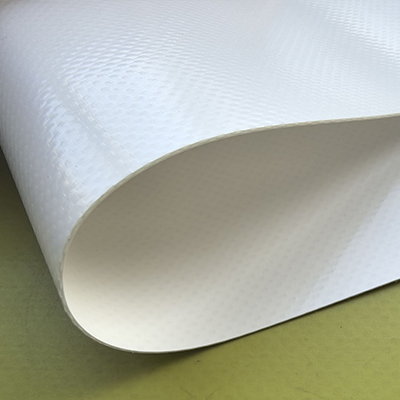
Identify the damage, clean and dry the surface, prepare a patch extending into undamaged coating, bond it using the patch system's approved method, then inspect adhesion and waterproofing before returning the cover to tension. A failed grommet, welded seam or embrittled coating is a structural problem—not a simple pinhole.
This guide addresses PVC-coated polyester and vinyl tarp repair for truck-cover workshops, industrial maintenance teams and tarp fabricators. It deliberately stays focused on PVC repairs. For PE, canvas and mesh, consult the material-by-material tarp repair guide.
For a repair to be repeatable across a fleet, the technician must know the coating family, approximate weight, face finish, original seam process and high-stress zones. If these details are unknown, start with a sample bond rather than a bulk repair.
| Damage / duty | Practical repair route | Main benefit | Critical limitation |
|---|---|---|---|
| Pinholes on flat, low-stress sheet | PVC-rated patch tape or bonded vinyl patch | Fast field containment | Check plasticizer compatibility; tape may be temporary |
| Small-to-medium tears in healthy coated fabric | Rounded matching PVC patch with approved vinyl adhesive | Workshop-friendly restoration | Requires correct preparation and full cure |
| Workshop patch on compatible weldable PVC | Hot-air or hot-wedge patch welding after test coupon | Continuous welded edge may restore water barrier | Overheating or poor pressure can damage coating |
| Heavy-duty tear near tie-down / rolling zone | Reinforced double-face patch or replacement panel | Distributes force beyond cut | Adds stiffness; must not cross tight fold path |
| Torn hem, D-ring, grommet or seam transition | Replace damaged edge webbing / rebuild panel geometry | Restores designed load path | Surface patch alone is insufficient |
| Widespread brittle / delaminating coating | Full replacement / engineering review | Avoids recurring failure | Patching cannot restore failing base material |
Method fit is a selection guide, not a tested repair approval. Validate repair performance for the particular coating, product and application.
Mark both ends of the tear and examine adjacent fabric, seams and grommets. Check for brittle coating, frayed scrim, fatigue or repeated abrasion before deciding to repair.
Confirm that both existing tarp and replacement patch are compatible PVC-coated textile. Lacquered or contaminated faces may need adhesive-specific preparation; test if composition is uncertain.
Use an approved cleaner and dry thoroughly. Avoid untested aggressive solvents and abrasive sanding that removes coating or changes its bond surface.
Trim only loose material. Use rounded patch corners and extend the bonded area well past the tear into sound coating. Calculate overlap according to tension and repair-system guidance rather than a universal number.
For chemical bonding, follow the adhesive maker’s coating and cure directions. For welding, qualify hot-air temperature, travel speed, airflow and pressure on matched offcuts; record the working setup.
Keep the panel relaxed on a firm backing surface. Align the patch without folds and press from center to edge. For welding, maintain consistent contact without scorching the face.
Let adhesive achieve its stated cure or weld cool as required before flexing. Inspect every patch edge, opposite face, seam intersection and starting tear tip.
Perform a suitable low-stress flex, visual/peel-edge review and controlled water check. Do not rely on a cosmetic appearance if the cover protects moving cargo or critical equipment.
A new metal eyelet in weakened fabric does not restore strength. Reinforce with sound PVC/webbing and re-engineer the hole location and surrounding load distribution.
Inspect whether failure is local contamination, poor original fusion, repeated crease fatigue or coating bond loss. Repair method and seam overlap need sample validation.
A narrow strip over the tear often transfers stress to a sharper point. Broaden reinforcement; use rounded transitions and review how multiple straps load the corner.
Locate the roller path, bend radius and cold handling conditions. A rigid patch may create a new stress riser; material-grade replacement may be better.
Protect or pad the sharp or rough cargo edge before replacing material. A perfect patch against the original cutting point will fail again.
Check whether adjacent areas remain bonded and flexible. Do not stack adhesive patches onto a coating system that is losing adhesion throughout the sheet.
Maintenance managers and tarp workshops gain more from a controlled repair-stock specification than from buying unrelated repair pieces case by case.
| Purchase parameter | What the repair buyer should confirm |
|---|---|
| Base textile / scrim | Polyester reinforcement direction and approximate thickness / weight close to the original tarp |
| Coating compatibility | PVC coating family, finish, lacquer and suitability for selected repair adhesive or welding system |
| Color and surface | Match appearance when relevant, without trading away adhesion or flexibility |
| Patch format | Roll stock, cut sheets, pre-cut rounded patch geometry or fabricated replacement sections |
| Process compatibility | Approved adhesive datasheet, weld coupon results, technician procedure and surface preparation |
| Mechanical condition | Tear/tensile targets and performance of the existing surrounding fabric—not only the patch |
| Logistics / traceability | Batch/reference sample, requested quantity, widths, packaging and destination |
For appropriate repair panels, request material selection based on the original PVC tarpaulin construction. Repair shops needing a new edge or full panel can review custom tarp fabrication and provide drawings or a reference sample.
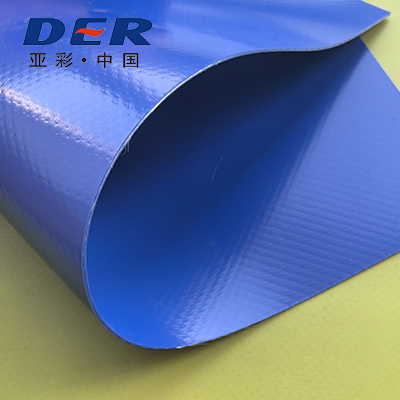
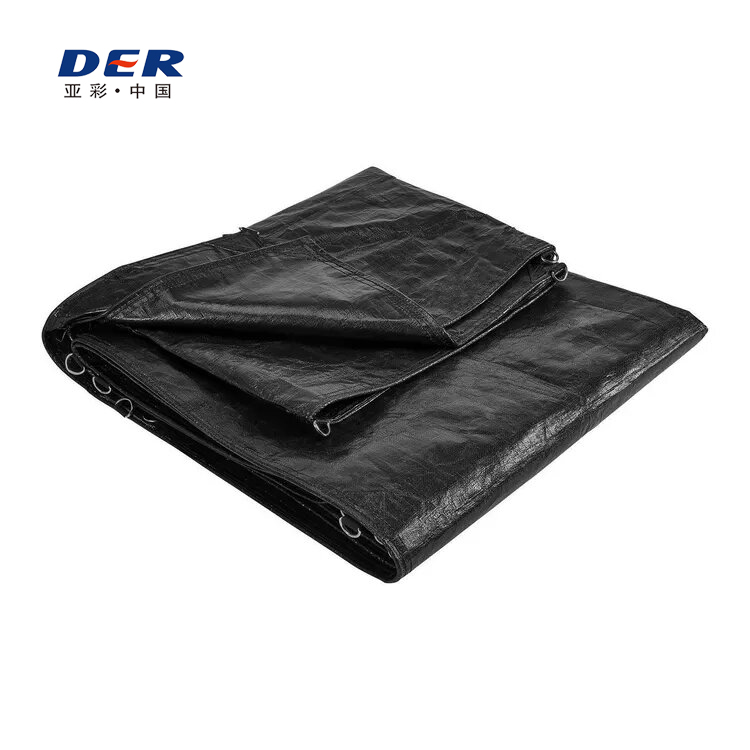
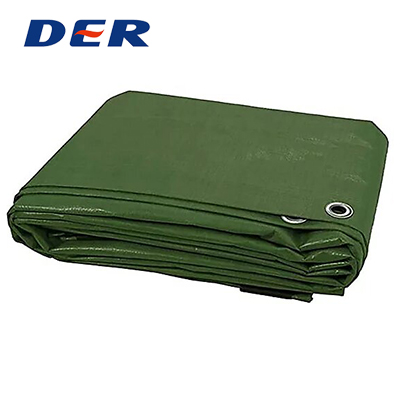
DERFLEX website product photos illustrate material and finishing. They are not photographs of a certified repair or documented field test.
A patch can peel because a lacquered face was not prepared correctly, oil remained on the surface, a solvent-sensitive coating was attacked, the bond was loaded before cure, or a repair was made across a tight roller fold.
For road transport, review the underlying truck tarp design and tie-down system. Where localized repair is no longer viable, custom finished tarps allow reinforcement and geometry to be redefined rather than patched repeatedly.
Standardize your patch procurement using matching tarpaulin rolls, particularly when hundreds of covers share a material specification.
Use a patch made from compatible PVC-coated material, prepare a clean dry surface, apply the adhesive or weld system approved for that construction, and inspect the full perimeter after curing. High-load patches also need reinforcement design.
A PVC-specific repair tape may be suitable for small, low-stress damage, but it should not automatically be treated as a permanent structural repair on a high-tension truck tarp or at a seam.
Use a vinyl/PVC-compatible repair adhesive specified for the coating and working environment. Follow its preparation, ventilation, application and cure instructions; perform a trial bond on scrap or a noncritical area.
Compatible PVC-coated materials can often be hot-air welded with proper equipment. A domestic heat gun alone does not establish controlled weld temperature, speed and pressure; an operator should validate the process on matched offcuts.
Double-sided reinforcement can help distribute loads around selected tears, but it also stiffens the area. Review the tear geometry, bend path and whether replacing the entire panel is safer.
Sometimes, but the grommet load must be transferred into sound material by a wider patch, webbing or a rebuilt hem. Installing a new grommet directly into damaged fabric often recreates the failure.
Replacement is normally the more reliable choice for widespread brittleness, UV powdering, coating delamination, multiple failed seams or repeated tearing beside past repairs.
DERFLEX supplies PVC-coated tarp fabric, cut-panel and custom-cover directions by project; availability of any specific ready-made consumer repair kit should be confirmed rather than assumed.
These six linked DERFLEX resources provide a route from damage identification to compatible repair fabric, workshop conversion and finished cover supply.
Send the original tarp's material type, approximate GSM, damage photos, dimensions, coating finish, planned bonding method, quantity and delivery country. DERFLEX can review suitable roll materials, panels or custom tarp fabrication options.
No nonfunctional form is included. The button opens the official DERFLEX quotation page.
Original material + damage zone + patch/weld method + quantity + destination.
REQUEST A PVC REPAIR MATERIAL QUOTE ↗