News
Industry News

Disaster Relief Tarpaulins | Humanitarian Tarp Bulk Supply | DERFLEX

Update:2026/10/10 19:53:56 Views:
DERFLEX / Tarpaulin & Coated Fabrics / Humanitarian Procurement
Humanitarian supply · tender-oriented manufacturing

Disaster Relief Tarpaulins for Response-Ready Supply.

Specify humanitarian tarps for shelter-kit distribution, emergency weather cover and relief-stock protection—with the right material, reinforcement, packing and documentation defined before bulk production.

DERFLEX supports aid-supply contractors, NGO sourcing partners, public procurement teams and wholesale distributors with project-led PE and PVC tarpaulin programs. Every tender is reviewed against its own technical and inspection requirements.

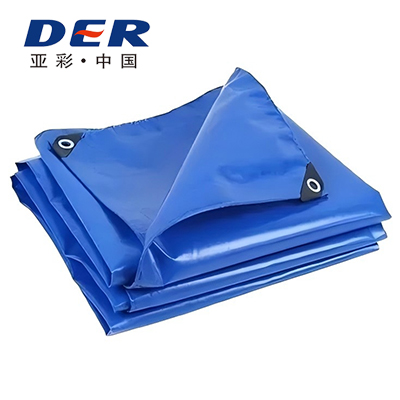
DERFLEX finished blue tarpaulin with reinforced edges and corner eyelets; illustrative heavier-duty tarp product

Actual DERFLEX finished-tarp image, shown as a PVC-cover reference. A humanitarian PE sheet or tender-specific design must be approved separately; this image does not imply aid-agency certification.

Specification firstCurrent revision and approved sample
Multiple material routesWoven PE · reinforced sheeting · PVC
Field-ready detailsFixing · packing · identification
Procurement clarityLot checks · delivery terms · RFQ
Typical reference format

4 × 6 m sheeting commonly appears in humanitarian shelter catalogues; follow the current tender for required dimensions.

Primary buying criterion

Match the sheet, fastening layout, test requirements and packing unit—not merely the GSM or quoted price.

Commercial supply scope

Bulk purchase specifications, OEM marking, repeat SKUs and export packaging subject to order confirmation.

Direct answer

What is a disaster relief tarpaulin?

A disaster relief tarpaulin is a portable weather barrier used to make temporary shelters, protect damaged buildings, divide field spaces and cover essential relief supplies. In humanitarian operations, a tarp is also a high-volume distribution item. Its value depends on whether people can transport, identify, fasten and use it with locally available equipment.

For institutional buyers, “humanitarian tarp” often means a specification-controlled, reinforced woven plastic sheet rather than a generic retail tarp. Finished dimensions, base fabric, reinforcement bands, fixation holes, material mass, weathering, labeling and packing are procurement requirements—not decorative options.

DERFLEX can review both relief-sheet programs and higher-duty coated-fabric covers. Its existing disaster relief tarps product range covers wider recovery operations; this page concentrates on humanitarian acquisition, approval and supply consistency.

Choose a construction

Three materials. Three different procurement decisions.

Procurement should begin with the mission and the current specification. A heavier fabric is not necessarily a better humanitarian product if it limits airfreight, hand carrying or rapid distribution.

01 — Rapid distribution

Woven PE / HDPE tarpaulin

Laminated woven plastic sheeting for compact, accessible shelter and weather-protection distribution. Often suitable for a project seeking low unit weight and predictable folded packs.

Priorities: handling weight · surface opacity · mass · unit fold
02 — Specification-controlled aid

Reinforced humanitarian sheeting

A buyer-defined sheet or roll with designated reinforcement bands, fixation points and controlled packing. The band drawing and inspection criteria are as important as the nominal sheet size.

Priorities: current tender revision · band layout · test evidence
03 — Reusable recovery stock

PVC coated polyester tarpaulin

Weldable, fabric-reinforced material for utility contractors, protected staging, temporary field enclosures and repeated-use covering programs. Not a direct substitute for a specified HDPE relief sheet.

Priorities: welding · stronger hems · repeated handling · weight
Selection issueWoven PE sheetReinforced institutional sheetPVC coated polyester
Typical purposeRapid household distributionDrawing-led shelter / site supplyReusable or fabricated protection
How to control fixingPerimeter reinforcement as specifiedFixation bands / holes per revisionWebbing, hems, grommets, D-rings as agreed
Joining / fabricationLaminate-compatible production routeControlled panel and band layoutSuitable welding or seaming route
Commercial trade-offLow transport burden, shorter expected useTighter acceptance documentationHigher per-unit mass, reuse potential
Do not assumeAll low-cost PE products meet aid specsOne agency edition applies to every tenderHeavier PVC means automatic shelter compliance

These are material-selection directions, not guaranteed product ratings. For reinforced industrial alternatives, see DERFLEX PVC coated polyester fabric.

Reference standards ≠ product approval

Humanitarian specifications evolve. Your purchase document must be current.

Public IFRC/ICRC and UNHCR references are useful for defining an RFQ, but only the current purchasing authority can confirm the governing specification and acceptance route.

Recognize the reference — then verify the revision.

The IFRC/ICRC relief catalogue lists reinforced woven plastic tarpaulins, including a 4 × 6 m sheet for individual shelter and a 4 × 60 m roll for community shelter. The catalogue records an eco-design revision and describes current reinforced fixing-band arrangements. Older IFRC shelter-kit guidance describes a different arrangement. Do not combine figures from different editions into one unverified “standard.”

4 × 6 mIFRC/ICRC sheet reference for individual shelter
4 × 60 mIFRC/ICRC roll reference for community use
RevisionRequest issue date, drawing and test annex
ApprovalCheck against accepted sample and authority

Read the IFRC/ICRC public item catalogue and UNHCR eco-design technical reference. DERFLEX does not claim automatic UNHCR/IFRC endorsement, conformity or framework-agreement status.

Illustrative fixing-band concept

Not a manufacturing drawing. Band position, hole pattern and count must follow the buyer's exact revision.

Changes to reinforced layouts are one reason sample approval must reference document version and drawing number.

Tender specification builder

Write an RFQ that a factory can actually manufacture and a buyer can inspect.

The specification should resolve measurable details before quotation, sampling and approval. Undefined parameters create price comparisons that are not comparable.

Procurement fieldSpecify in the purchase briefAcceptance / risk to address
Sheet or roll formatFinished length × width, roll size where relevant, quantity and dimensional tolerance.Distinguish nominal cut size from usable finished size.
Fabric constructionHDPE/PE woven or PVC-coated polyester; base-fabric details, coatings, colour and opacity.Do not substitute polymers without written approval.
Mass and thicknessNominal mass per area, method and tolerance; thickness only when relevant.GSM alone cannot establish tensile or fixing strength.
Reinforcement detailNumber/width/location of bands, hem type, corner patches and approved drawing.Loads usually concentrate at attachment zones.
Fixing pointsPre-punched holes or eyelets, spacing, size, backing and pull criteria.Confirm strength of the complete fixing zone, not the eyelet alone.
Weather / ageingWater barrier, UV exposure and any relevant temperature conditioning and test method.Match accelerated ageing requirements to the actual tender.
Safety / identificationRequired flame test if any, opacity, warnings, approved logos and multilingual markings.FR is not fireproof; logos may require written authorization.
Packing & logisticsPieces per pack, fold direction, pack mass, bale/carton dimensions, SKU and pallet layout.Last-mile handling and warehouse picking must be practical.
Inspection basisApproved sample, AQL/inspection plan if specified, test reports, lot references and defect criteria.Pre-agree who tests, when, where and against which revision.

No numerical tensile, UV, fire rating, lead time or MOQ is advertised here without an approved product specification. Final values are confirmed per project.

Quality governance

A traceable path from tender PDF to delivery label.

Humanitarian orders may be repeated by multiple teams, seasons and regions. Clear version control and lot identification help prevent mismatched items arriving at the wrong distribution hub.

01

Specification freeze

Record tender issue date, drawing, material route, test methods, tolerances and approved artwork.

02

Sample & proof

Approve representative material, fixing construction, color, printed marks and folded pack.

03

Lot checks

Inspect dimensions, weight, fabric condition, reinforcing zones, fixation, labels and agreed tests.

04

Shipment match

Reconcile unit labels, carton or bale counts, pallet codes, packing list and order references.

What the buyer should request as evidence

  • Current approved product drawing and sample reference
  • Named test methods with agreed pass/fail values
  • Inspection records for the actual manufacturing lot
  • Artwork approval and authorization for any agency marks
  • Unit packing specification and pack-count verification
  • Lot identification and documentation linked to shipment
Distribution engineering

Plan the last mile before the container is loaded.

A humanitarian tarp must reach a specific household, facility or operating team. The packing hierarchy affects speed and accountability just as much as factory production.

Distribution formats to discuss

Individually folded sheets: easier unit issue, kit insertion and use-instruction placement where the program requires it.

Baled or cartoned sheets: define the number of pieces, total pack mass, dimensions, moisture protection, printed codes and manual-handling approach.

Bulk rolls: practical when regional teams will cut and distribute material, provided the equipment, manpower and site-level control are available.

For custom finished covers, DERFLEX can also support reinforcement and OEM finishing for distinct recovery or contractor requirements.

Unit identityProduct name, finished size, batch, instruction language, approved program artwork
Pack identitySKU, quantity, gross/net mass, dimensions and accessible barcodes
Transport fitManual-handling limits, pallet pattern, trailer or container loading constraints
Stock planningStorage environment, rotation, repeat-code control and expected exposure
Destination rulesDelivery address, Incoterm, documents and customs/marking requirements
Cost comparabilityMaterial + finishing + testing + packing + freight basis in every quote

For a clearer commercial comparison, refer to the DERFLEX tarpaulin cost and quotation guide.

Use cases and buyer routes

The procurement program changes with the response.

Different humanitarian missions need distinct acceptance criteria even when they use a similar cover material.

SituationProcurement prioritySuggested engineering direction
Family shelter kitEasy handling, privacy, secure fixing, exact sheet geometrySpecification-controlled woven sheeting; band drawing, opacity and packing approved
Community shelter / site worksCoverage efficiency and controlled conversionRoll formats or tailored panels; coordinate cutting and fixing with site plan
Emergency medical / distribution zoneClean separation, wayfinding and weather protectionMaterial and printed marks based on field layout; relevant flame requirements if stated
Storm-damaged asset coverTemporary rain protection and tie-down geometryPE or fabricated PVC based on service cycle; check safe anchoring separately
Emergency warehouse & suppliesRepeat handling, abrasion, fast identificationReusable PVC cover with seam and fixing details matched to stored assets

For dedicated temporary structure cover applications, explore DERFLEX tent tarpaulin materials. Temporary shelters require appropriate structural design and safe installation beyond fabric selection.

Buyer questions

Humanitarian tarp FAQs.

Concise technical answers for sourcing teams, relief kit contractors and institutional buyers. The governing purchase specification remains the primary source of acceptance criteria.

What is a disaster relief tarpaulin?

A disaster relief tarpaulin is a flexible sheet used for temporary shelter, weather cover, field partitions or protection of relief supplies. The purchase specification should include material, reinforcement, installation needs and packing, not simply surface waterproofing.

What size humanitarian tarp is commonly procured?

A 4 × 6 m sheet is a common humanitarian shelter reference, and longer rolls may be used for community or site work. Dimensions, tolerances and reinforcement layout must follow the current agency or project document—not a generic market size.

Are humanitarian tarps made from PE or PVC?

Woven PE/HDPE laminated sheeting is common for lightweight high-volume distribution. PVC coated polyester can make sense for reusable, welded and tougher recovery covers. These constructions are not automatically interchangeable in institutional tenders.

Can DERFLEX supply tarps for NGO tenders?

DERFLEX can review buyer-provided drawings and requirements for material selection, reinforcement, printing, packing and quotation. Compliance must be established by testing and purchasing-authority acceptance for the particular order; a tender or agency name is not a certification.

How should relief tarpaulins be packed for distribution?

Specify the pack type—folded units, bales, cartons, rolls or assembled kits—alongside pack mass, dimensions, counts, identification marks, handling method and pallet plan. A sample pack can help confirm field practicality before volume production.

What tests should buyers request?

The technical dossier may include dimensions, fabric mass, tensile and tear strength, UV ageing, reinforcement/fixing-zone strength, seam strength where relevant, visual inspection and packing checks. Test methods and minimum values should be written in the active tender and agreed before production.

Are DERFLEX relief tarps automatically UNHCR or IFRC approved?

No. Public UNHCR and IFRC technical references are useful procurement guides, not evidence that a particular DERFLEX material is agency-approved. Current tender revision, sample, lab evidence and buyer acceptance must be reviewed separately.

Start with your current tender

Build a humanitarian tarp quotation that survives the technical review.

Send your official specification, material route, quantity and distribution plan. DERFLEX can discuss how to translate those requirements, into a manufacturing, sampling and packing proposal.

Consulting Services
+86-021-54361792 / 54361798
Email
sales@derflex.com