



Waterproof Tarp Materials: Poly, PVC, Vinyl and Canvas Compared
Choosing a tarp material is not only a question of price. For trucks, construction sites, agriculture storage, marine covers, shelters and OEM tarp programs, buyers need to compare waterproof level, tear strength, UV exposure, handling frequency, weldability, breathability and supply stability.
DERFLEX helps distributors, importers, tarp fabricators and industrial buyers select practical waterproof tarp materials, especially PVC coated polyester and vinyl tarp fabric for demanding outdoor cover applications.
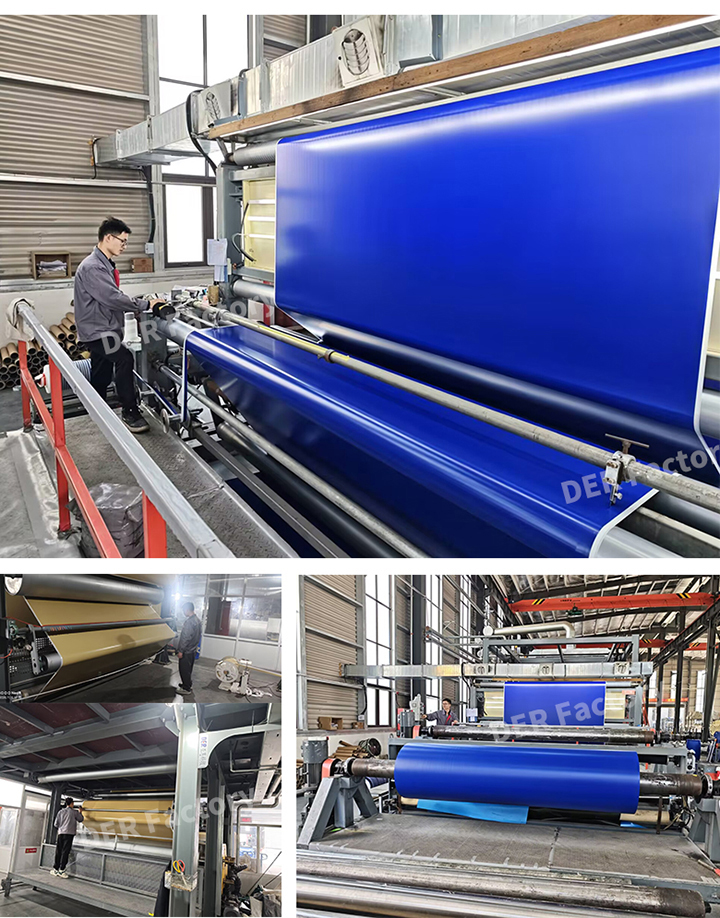
Quick Answer for Buyers
There is no single tarp material for every job. The right choice depends on the application, exposure time, water pressure, installation method and how often the cover will be moved, folded, tied down or cleaned.
For long outdoor service, compare the full material system.
Poly tarps are often used for lightweight and temporary protection. Canvas tarps are useful when airflow matters. PVC and vinyl tarp materials are usually selected for commercial and industrial covers that need stronger waterproofing, weldability, abrasion resistance and repeated outdoor use.
- For cost-sensitive temporary covers: consider poly tarp material.
- For breathable coverage: consider treated canvas or coated canvas direction.
- For heavy-duty waterproof covers: consider PVC coated polyester or vinyl tarp material.
- For OEM tarp programs: confirm GSM, base fabric, coating, finish, welding and packing before price comparison.
Important: “waterproof material” and “waterproof finished tarp” are not the same.
A waterproof fabric can still leak if the finished tarp uses weak stitching, unsealed seams, poorly reinforced corners or incorrect grommet spacing. DERFLEX recommends reviewing the material and the fabrication method together.
For industrial projects, ask for material structure, coating adhesion, tear strength direction, UV requirement, seam method, edge reinforcement and packing plan, not only color and thickness.
Poly vs PVC vs Vinyl vs Canvas Tarp Materials
A practical comparison for distributors, fabricators, truck cover manufacturers, construction suppliers, agriculture buyers and OEM brands.
| Buyer Factor | Poly Tarp / PE Tarpaulin | PVC Tarpaulin Material | Vinyl Tarp Material | Canvas Tarp |
|---|---|---|---|---|
| Typical structure | Woven polyethylene with PE coating or lamination. | Polyester base fabric with PVC coating or PVC laminated layer. | Common market name for PVC coated / laminated polyester tarp fabric or finished tarp. | Cotton canvas, polyester canvas or treated canvas fabric. |
| Water protection | Waterproof direction Suitable for rain cover when seams and edges are handled correctly. |
Waterproof direction Continuous PVC surface supports strong water blocking and welded fabrication. |
Waterproof direction Used for heavy-duty waterproof tarps, truck covers and outdoor storage covers. |
Water-resistant direction Often breathable and treated, but not normally selected for sealed waterproof protection. |
| Durability logic | Good for light to medium temporary use; may be easier to puncture under rough handling. | Strong tear, abrasion and outdoor performance depending on base fabric, GSM and formula. | Good for repeated tying, folding, road spray and industrial handling when properly reinforced. | Durable fabric feel, but long wet exposure can require more maintenance. |
| Breathability | Low breathability. | Low breathability unless using mesh or designed ventilation. | Low breathability; designed for sealed protection rather than airflow. | Stronger advantage when airflow and condensation control matter. |
| Fabrication | Usually sewn, heat sealed or mechanically finished depending on grade. | Can support hot-air welding, HF welding, sewing, eyelets, webbing and reinforced hems. | Commonly used for welded seams, reinforced edges, D-rings, grommets and custom finished tarps. | Usually sewn and hemmed; not normally used for PVC-style welded seams. |
| Common applications | Temporary covers, short-term storage, household use, lightweight outdoor protection. | Truck covers, tents, industrial covers, agriculture covers, shelters, warehouse curtains and custom tarp rolls. | Flatbed tarps, dump truck tarps, trailer tarps, equipment covers, marine covers and OEM heavy-duty tarps. | Firewood covers, painting protection, breathable equipment covers and moisture-sensitive storage. |
| Best buying question | How long must the cover last and is low weight more important than service life? | Which GSM, base fabric, coating, width and finish match the application? | What finished size, reinforcement, welding and fastening method are required? | Is breathability more important than sealed waterproof protection? |
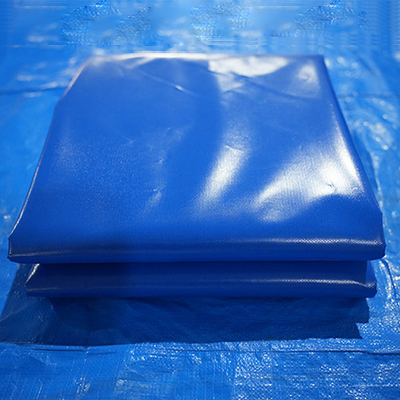
Why PVC and vinyl are often discussed together
Many buyers search for “vinyl tarp material” when they are actually looking for PVC coated polyester fabric. In practical B2B purchasing, PVC describes the coating system, while vinyl is often the market name used for heavy-duty waterproof tarps and finished industrial covers.
DERFLEX focuses on PVC coated polyester tarp material because it can be supplied in rolls or converted into finished tarp solutions. It also gives buyers room to adjust weight, base yarn, coating thickness, color, surface finish, UV resistance, flame-retardant direction, cold resistance and packaging.
- For roll buyers: confirm width, GSM, surface finish, roll length, core, packing and container loading needs.
- For finished tarp buyers: confirm size, seam welding, hems, grommet spacing, corner reinforcement, webbing and labels.
- For OEM programs: confirm color consistency, repeat-order tolerance, branding, documentation and sample approval process.
How to Choose a Waterproof Tarp Material by Application
Use the working environment first, then select material weight, surface, treatment and edge design.
Truck & Trailer Covers
Choose PVC or vinyl tarp material when road spray, wind pressure, tie-down stress and repeated handling are expected.
Construction Tarps
Industrial job sites often require waterproofing, tear resistance, abrasion resistance and reinforced edges for practical use.
Agriculture Storage
For hay, machinery, grain protection or farm equipment, compare UV exposure, water runoff, handling frequency and ventilation needs.
Marine & Outdoor Equipment
Vinyl/PVC tarp fabric is commonly considered for rain, splash, UV exposure and cleanable outdoor cover applications.
Temporary Light Covers
Poly tarp material can be a practical direction where low weight, lower cost and short use time matter more than long service life.
Breathable Coverage
Canvas is useful when airflow and reduced condensation matter, especially for items that should not be tightly sealed.
What DERFLEX Adds Beyond a Simple Material Comparison
Competitor comparison pages help buyers understand material differences. DERFLEX turns that decision into a workable specification, sample direction and sourcing plan.
Material Engineering
Adjust base fabric, coating weight, surface treatment and performance direction for truck, construction, agriculture, marine and OEM use.
Roll Goods Supply
Support PVC tarp fabric rolls for distributors, converters, tarp fabricators and importers who need repeatable batch supply.
Finished Tarp Support
Discuss welded hems, reinforced corners, grommets, webbing, D-rings, labels, rope edges and export packing for project orders.
OEM Supply Logic
Help private-label tarp brands define color, logo, packaging, roll labels, documentation and repeat-order consistency.
Before asking for a tarp material quotation, prepare these details
The same material name can produce very different results. “PVC tarp,” “vinyl tarp,” “poly tarp” and “canvas tarp” are broad categories. For an accurate recommendation, DERFLEX reviews how the material will be used and processed.
- Application: truck cover, construction tarp, tent, agriculture cover, equipment cover, marine cover or general storage.
- Supply format: roll goods, cut panels, semi-finished tarp or finished waterproof tarp.
- Target specification: GSM, thickness, width, color, surface finish, flame-retardant direction, UV exposure and cold resistance.
- Fabrication details: seam method, edge reinforcement, grommet spacing, webbing, rope, D-rings and packaging.
- Commercial details: order quantity, market, destination, sample requirement and repeat-order plan.
DERFLEX Waterproof Tarp Material Development Process
A structured process helps reduce wrong-material decisions and supports stable supply for distributors, OEM brands and project buyers.
Define Use
Clarify outdoor exposure, water level, abrasion, folding, wind and fastening stress.
Select Structure
Choose PVC coated polyester, vinyl tarp fabric, PE direction or coated canvas based on real use.
Confirm Treatment
Discuss UV, flame-retardant direction, mildew resistance, cold resistance or special surface finish.
Sample & Test
Check color, feel, welding, tear direction, coating adhesion and finished tarp design before bulk production.
Repeat Supply
Control roll packing, labels, inspection, shipment schedule and future order consistency.
Related DERFLEX Tarp Material Pages
Explore more specific pages for PVC tarp material, vinyl tarps, truck tarps, fabric rolls and material selection.
Frequently Asked Questions
Answers for buyers comparing waterproof tarp materials before requesting samples or quotations.
Which tarp material is waterproof: poly, PVC, vinyl or canvas?
Poly, PVC and vinyl tarps are commonly used for waterproof protection when the material, seams and edges are specified correctly. Canvas is normally chosen for breathable coverage and is often water-resistant rather than fully waterproof.
Is vinyl tarp material the same as PVC tarp material?
In many industrial tarp markets, vinyl tarp material refers to PVC coated or PVC laminated polyester fabric. PVC describes the coating material, while vinyl is commonly used as a product and market name for finished heavy-duty tarps.
When should I choose PVC coated polyester tarp material?
Choose PVC coated polyester when the cover needs waterproof protection, stronger tear resistance, abrasion resistance, weldability, custom size support and repeat outdoor use. It is commonly used for truck covers, construction tarps, agriculture covers, industrial curtains, shelters and OEM tarp programs.
When is a poly tarp suitable?
Poly tarps are suitable for lightweight, temporary or cost-sensitive covering jobs such as short-term storage, temporary shelter and general rain protection. They can be a practical choice when low weight and price are more important than heavy-duty service life.
Why do buyers still use canvas tarps?
Canvas tarps are useful when airflow and condensation control matter more than sealed waterproof protection. They are often considered for breathable equipment covers, firewood covers, painter use and certain storage applications.
What details should I send to DERFLEX for a quote?
Please send application, target GSM or thickness, roll width or finished size, color, surface finish, UV or flame-retardant requirement, expected outdoor exposure, seam method, edge reinforcement, packaging, quantity and destination.
Need help choosing poly, PVC, vinyl or canvas tarp material?
Send DERFLEX your application, expected service condition, size, GSM target, color, quantity and finishing requirement. Our team will help recommend a practical waterproof tarp material direction for your market or project.