Tinted Welding-Grade PVC
Semi-transparent colored PVC can preserve visual awareness while reducing direct exposure to welding flash. Shade, thickness and optical performance must be matched to the required standard and viewing conditions.



Reinforced curtain panels, tinted viewing sections and project-specific fabrication for welding bays, maintenance areas, robotic cells and industrial partitions.
DERFLEX supports custom welding curtain tarp programs for fabricators, distributors, contractors and OEM buyers. Material structure, flame-retardant test direction, visibility, panel size, reinforcement, hanging method and documentation are matched to the actual welding environment rather than treated as one universal tarp specification.
A welding curtain tarp is a flexible vertical barrier used to separate hot-work areas from nearby personnel, equipment and adjacent processes. The “tarp” description usually refers to a reinforced, fabricated panel with hems, grommets, webbing or track fittings. The correct material still depends on whether the curtain must screen arc radiation, contain light sparks, handle heavier spatter, resist weather or perform near high-temperature slag.
Semi-transparent colored PVC can preserve visual awareness while reducing direct exposure to welding flash. Shade, thickness and optical performance must be matched to the required standard and viewing conditions.
PVC coated polyester provides an opaque, cleanable and weather-capable curtain face for work-zone division, equipment separation and heavy-duty industrial handling. A flame-retardant formulation should be confirmed for the exact order.
Close-range molten metal, severe spatter or elevated radiant heat may require tested fiberglass, silica or other specialist hot-work materials. An ordinary PVC tarp should not be substituted for a qualified high-temperature curtain or blanket.
A custom welding curtain tarp may use one material throughout or combine an opaque reinforced body with a tested tinted viewing panel. Reinforcement and suspension details are designed around curtain weight, opening size, movement frequency and installation hardware.
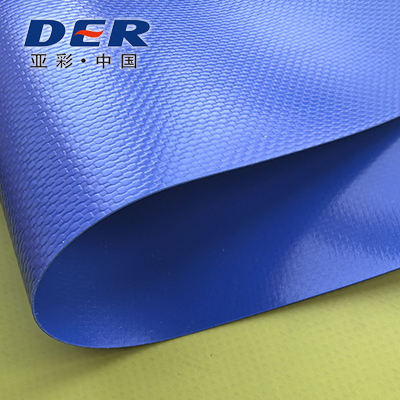
Choose tinted flexible PVC for controlled visibility, opaque reinforced PVC coated polyester for blocking and durability, or a project-qualified specialist textile where higher heat exposure is expected.
The formula and test scope should be written into the purchase specification. Possible references may include NFPA 701, DIN 4102 B1, EN 1598, AWS F2.3/F2.3M or ANSI/FM 4950 depending on material type, market and intended use.
Welded or sewn hems, webbing, corner patches and load-spreading strips help manage hanging force, panel movement and repeated handling.
Overlap flaps, hook-and-loop joins, zippers, lacing, straps or strip-door sections can be integrated to improve access without leaving uncontrolled openings.
Grommets, D-rings, sleeves, rollers, track fittings, fixed frames or portable screen hardware are positioned according to the installation drawing.
The best specification is not the heaviest available fabric. It is the structure that balances the defined welding exposure with visibility, handling, cleanability, installation load and required test evidence.
Tinted material can be selected to reduce hazardous radiation transmission for people outside the welding zone. Exact shade and transmission performance require confirmation against the intended test method.
Flame-retardant formulations are available for selected PVC structures. Compliance statements should refer to the exact batch, construction, test report and intended curtain use.
Polyester reinforcement, coating weight and reinforced edges support repeated movement, folding, hanging and industrial use.
PVC coated surfaces can resist water penetration and simplify wiping. Finished-curtain weather performance still depends on seams, openings, overlaps and installation.
Selected materials can support hot-air or high-frequency welding, sewing, punching, grommeting, clear-window integration and reinforced seam construction.
Color, surface, thickness, width, reinforcement position, hardware layout, labels and packing can be documented for repeat wholesale and OEM programs.
The following values are procurement directions, not universal guarantees. Final parameters, tolerances, test reports and acceptance criteria are confirmed after the application and sample review.
| Product Name | Welding curtain tarp, custom weld curtain panel, heavy duty welding partition curtain, welding bay divider. |
|---|---|
| Material Directions | Tinted flexible welding-grade PVC; opaque flame-retardant-direction PVC coated polyester; combined opaque body with tinted viewing panel; specialist high-temperature textile by separate project qualification. |
| Tinted PVC Thickness | Approx. 0.35–0.50 mm direction for common curtain applications; other thicknesses can be reviewed according to optical requirement, handling and test method. |
| Reinforced Fabric Weight | Approx. 450–900 gsm for many industrial curtain programs; heavier structures up to approximately 1100 gsm can be discussed for demanding panels. |
| Base Fabric | High-tenacity polyester woven fabric, with denier and density selected according to panel size, strength and fabrication requirements. |
| Roll Width | Common PVC coated fabric widths approximately 1.5–3.2 m; custom cut width, panel size and wider-project planning subject to production feasibility. |
| Color and Visibility | Amber, orange, blue, green, red, smoke, black, opaque blue, grey, white or custom color direction. Welding shades require application-specific confirmation. |
| Surface Finish | Glossy, matte, embossed, lacquered, anti-stick, cleanable or project-selected surface. |
| Functional Options | Flame-retardant direction, UV resistance, cold flexibility, anti-mildew, anti-static, blackout, printable surface and outdoor weather formulation where applicable. |
| Fabrication | Hot-air welding, high-frequency welding where suitable, sewing, reinforced hems, webbing, grommets, D-rings, hook-and-loop, zippers, straps, sleeves and track fittings. |
| Supply Format | Roll goods, cut sheets, replacement panels, finished curtains, modular curtain sets, OEM/private-label packing and bulk wholesale supply. |
| Documentation | Material data, dimensional inspection, order-specific test support and third-party testing can be discussed. Final compliance depends on the confirmed material and report scope. |
Important: PVC welding curtains are generally vertical barriers. Do not use a vertical curtain specification as a horizontal welding blanket or pad unless that exact product has been designed and tested for the intended orientation and exposure.
These DERFLEX-hosted images show relevant coated material, curtain construction and factory capability. Final welding curtain color, window material, reinforcement and test direction are customized to the order.
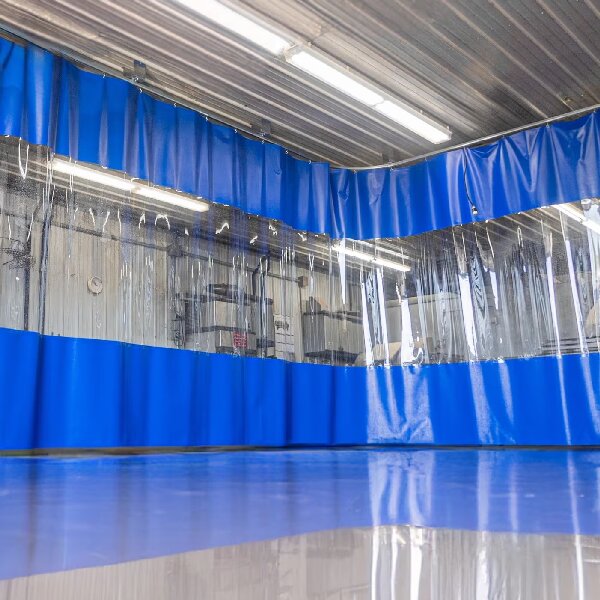
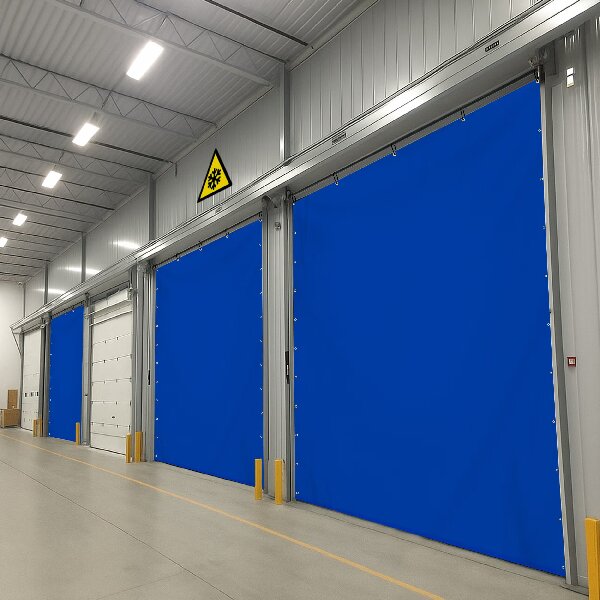
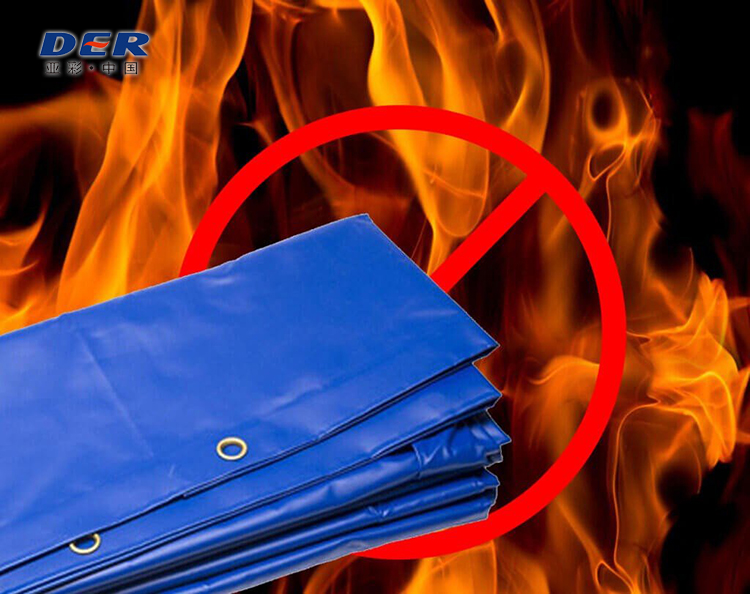
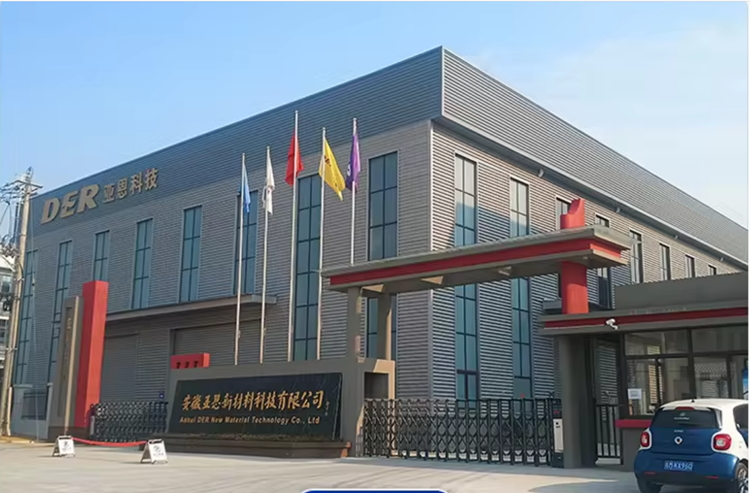
DERFLEX can support custom welding curtain tarp manufacturing from material matching through finished-panel inspection and repeat-order documentation.
Confirm welding process, exposure, viewing needs, indoor or outdoor environment, panel layout and safety requirements.
Match tinted PVC, reinforced opaque fabric, viewing window, FR direction, thickness and surface finish.
Review dimensions, overlaps, access zones, grommet spacing, track fittings, welding behavior and test plan.
Inspect material, cut size, hems, webbing, joins, hardware position, labels and finished appearance.
Prepare panel identification, packing, documents and specification records for wholesale or OEM repeat orders.
Each installation should be reviewed for the welding process, line of sight, ventilation, hot-particle travel, nearby combustibles, panel movement and required access.
Flexible separation between welding stations and nearby assembly, inspection, packing or pedestrian areas.
Fixed or track-mounted perimeter curtains with controlled viewing sections and maintenance access.
Large industrial panels for temporary work-zone division where salt, moisture, abrasion and repeated repositioning may matter.
Retractable or movable curtains used during repair, cutting and planned hot-work operations.
Modular curtains or screens that separate individual stations while preserving supervised workflow and controlled viewing.
Reinforced waterproof outer faces can support sheltered outdoor partitioning when seams, wind load and mounting are engineered accordingly.
A purchasing specification should identify what the curtain must stop, what nearby people must still see, how the panel will move and which test evidence must accompany the shipment.
| Application Condition | Recommended Direction | Selection Focus |
|---|---|---|
| Arc screening with visual awareness | Tinted transparent welding-grade PVC curtain | Radiation transmission, shade, thickness, distance from arc, mounting and applicable standard. |
| Opaque workstation separation | Reinforced FR-direction PVC coated polyester curtain | Flame behavior, tear strength, panel size, overlaps, cleanability and edge reinforcement. |
| Outdoor or wash-down partition | Waterproof PVC coated outer fabric with project-specific FR direction | Seam design, corrosion-resistant hardware, UV, cold flexibility, drainage and wind load. |
| Close-range heavy sparks or hot slag | Qualified high-temperature curtain or blanket material | Temperature rating, orientation, molten-metal behavior, test evidence and safe standoff distance. |
| Frequent access or changing layouts | Sliding, retractable, strip, portable-screen or modular panel system | Track/frame design, curtain weight, access frequency, floor clearance and replacement strategy. |
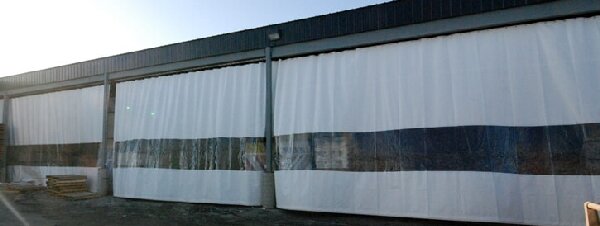
DERFLEX focuses on PVC coated fabrics, tarpaulins and engineered flexible-material solutions for professional buyers. For welding curtain tarp projects, the value lies in coordinating material formulation, roll consistency, fabrication details, test requirements, export packaging and repeat supply within one specification process.
Terms such as flame retardant, welding grade and compliant should be connected to a defined test method, specimen, thickness, color, construction and report—not used as broad claims for every custom product.
Check roll width, thickness or GSM, color, visible coating condition, surface, base-fabric direction and batch identification.
Confirm dimensions, hems, webbing, grommet spacing, window placement, joining details, hardware positions, labels and packing.
Confirm whether a report applies to the raw material, a curtain specimen or the complete finished assembly, and whether the tested orientation matches use.
These six internal links help buyers compare welding curtain tarp materials with broader industrial curtain, flame-retardant and custom fabrication options.
Practical answers for distributors, curtain fabricators, plant contractors and industrial procurement teams.
Common directions include tinted flexible welding-grade PVC for controlled visibility, reinforced flame-retardant-direction PVC coated polyester for opaque heavy-duty partitions, and specialist fiberglass or silica textiles for higher-temperature exposure. The correct material depends on the welding process, distance, orientation and required test evidence.
No assumption should be made. A standard waterproof tarp may ignite, melt or fail to control arc radiation. Use only a curtain material whose intended welding or hot-work function and test documentation match the application.
DERFLEX can discuss custom panel dimensions, PVC material direction, tinted viewing sections, opaque reinforced areas, hems, webbing, grommets, D-rings, zippers, hook-and-loop joins, labels and export packing. Production feasibility and test scope are confirmed during quotation.
A PVC coated curtain face can provide a waterproof material surface. The complete installation may still allow water through joins, access openings, top edges or hardware penetrations, so outdoor weather resistance must be designed at system level.
Color is not only an appearance decision. Tinted transparent curtains must be selected by welding process, optical transmission, required visibility and applicable test method. Opaque colors can block line of sight but do not automatically indicate a particular heat or flame rating.
Provide the welding process, exposure type, curtain layout, finished size, quantity, material preference, color, installation method, hardware, required test standard, packaging, destination and target delivery plan. Drawings, photos and an existing sample improve quotation accuracy.
Send DERFLEX your welding process, panel drawing, viewing requirement, installation method, target test method, quantity and destination. The team will review a practical material, fabrication and documentation direction for sampling and quotation.