



Dust sheets, indoor covering, short DIY tasks, furniture protection and low-stress temporary use.
Material-first buying guide
What GSM Tarp Do I Need?
Choose a tarp by material, weather exposure, handling frequency and reinforcement—not by GSM alone. This guide gives practical starting ranges for PE and PVC tarpaulins, then helps you turn the range into a purchase-ready specification.
Quick answer
For light indoor or one-time protection, start around 70–120 GSM PE. General seasonal outdoor covers often use 150–220 GSM PE. Reusable construction, transport and industrial covers commonly move to 450–900 GSM PVC. Consider 900 GSM or above when abrasion, wind, frequent handling or long-term installation is severe.
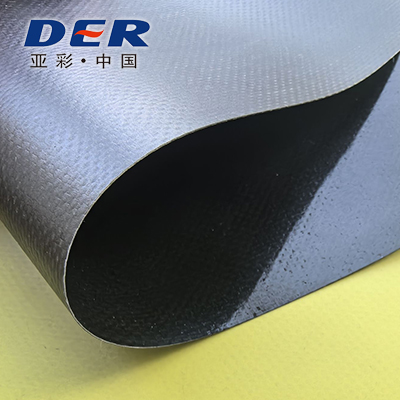
PE 60–300 GSM · PVC 350–1100+ GSM
Fast selection
A practical tarp GSM starting point
These ranges are planning references rather than universal standards. Final performance depends on the polymer, base fabric, coating, seams, edges, tie-down design and operating environment.
Seasonal garden, farm, storage and weather covers where low weight and economical handling matter.
Construction covers, machinery protection, partitions, shelters and repeated outdoor installation.
Truck, trailer, logistics, frequent folding, tie-down tension and more demanding abrasion exposure.
Do not compare the same GSM across different materials.
A 200 GSM PE tarp and a 200 GSM PVC-coated fabric are not equivalent. Material density, yarn construction and coating system change how the tarp behaves in tearing, folding, welding and weather exposure.
Interactive planning tool
Tarp GSM selector
Select the closest working conditions. The result is a discussion range to help buyers, distributors and fabricators prepare a clearer enquiry.
Find a starting range
The tool considers application, environment, handling and preferred material.
Suggested range will appear here.
Use the result with the specification checklist below.
Planning guidance only. Final selection should be confirmed against sample tests, finished-tarp design and local project requirements.
Estimate fabric handling weight
Area × GSM gives approximate fabric weight before hems, overlap, webbing, eyelets and other hardware.
6 m × 10 m at 650 GSM ≈ 39.0 kg
Fabric-only estimate: approximately 86.0 lb before finished-tarp components.
For logistics planning, allow extra weight for welded overlaps, hems, reinforced corners, ropes, straps and metal fittings.
Application matrix
Tarpaulin GSM chart by job and stress level
Use the table to narrow the material family first. Then verify denier, weave or scrim, coating, tear strength, edge reinforcement and finished dimensions.
| Typical job | Starting GSM range | Material direction | Why this range is considered | Upgrade when… |
|---|---|---|---|---|
| Painting, dust control, indoor cover | 70–120 GSM | PE | Low handling weight and economical short-term protection. | The sheet will be reused, dragged or exposed outdoors. |
| Camping, garden and short seasonal cover | 100–180 GSM | PE | Balances portability with basic rain and dirt protection. | Wind exposure, sharp edges or longer seasonal use is expected. |
| Farm storage and general outdoor covering | 150–250 GSM | UV-stabilized PE | Useful where a large area must remain manageable and cost-conscious. | The cover is tensioned daily, installed for long periods or faces high abrasion. |
| Reusable site cover and equipment protection | 400–650 GSM | PVC coated polyester | Better fit for welding, repeated handling, stronger reinforcement and outdoor durability. | High wind, cold-flex requirements, continuous movement or rough surfaces are present. |
| Commercial truck and trailer cover | 550–900 GSM | PVC coated polyester | Supports waterproof fabrication, tie-down tension, road exposure and frequent folding. | Highway duty, sharp cargo, dense hardware layouts or long service cycles increase stress. |
| Industrial partition, shelter or long-term outdoor installation | 650–900 GSM | PVC coated polyester | Provides a stronger base for large welded panels, reinforcements and stable repeated use. | The structure carries high tension, snow, strong wind or project-specific fire requirements. |
| Mining, marine, heavy abrasion or specialized protection | 900–1300+ GSM | Heavy or super-heavy PVC | Selected when material loss, abrasion, mechanical load and downtime carry higher consequences. | Engineering review shows the need for stronger scrim, multi-layer reinforcement or specialty formulation. |
Material changes the answer
PE, PVC and canvas do not use GSM in the same way
A useful GSM decision begins with how the material is built and how the finished tarp will be used.
PE Tarpaulin
Common discussion range: 60–300 GSM
Woven HDPE with laminated PE surfaces is lightweight, waterproof and practical for temporary, seasonal and large-area covers.
- Good for low handling weight and cost-sensitive coverage
- Check weave count, lamination and UV stabilization
- Reinforced hems matter as much as the GSM label
- Move toward the upper range for reuse and stronger weather exposure
PVC Coated Polyester
Common discussion range: 350–1100+ GSM
Polyester scrim with PVC coating or lamination is used when buyers need stronger fabrication, weldability, abrasion resistance and reusable outdoor performance.
- Suitable for welded seams and custom finished covers
- Specify base-fabric denier and yarn density with GSM
- Review UV, cold-flex, anti-mildew and FR options by project
- Balance strength with driver or installer handling weight
Canvas
Often sold by oz/yd² as well as GSM
Canvas is chosen for breathability, reduced condensation and a softer textile feel. Treated grades may resist water, but canvas should not automatically be assumed fully waterproof.
- Useful where airflow is more important than a sealed surface
- Check shrinkage, treatment and water-resistance claims
- Dry correctly before storage to reduce mildew risk
- Do not compare its GSM directly with PE or PVC
Beyond fabric weight
Six factors that can matter more than adding GSM
A higher number cannot compensate for weak edges, poor material structure or an unsuitable installation method.
1
Base fabric
For PVC tarps, denier and yarn density influence tensile strength, tear behavior and dimensional stability.
2
Coating system
Coating weight, adhesion, formulation and surface finish affect waterproofing, flexing, cleaning and weather resistance.
3
Seam design
Weld width, overlap and process control can determine whether a large finished tarp remains sealed under load.
4
Edges and corners
Webbing, rope hems, extra layers and corner patches help distribute stress around high-load fixing points.
5
Hardware spacing
Eyelets, D-rings, straps and buckles need spacing that matches wind, cargo shape and tie-down method.
6
Environment
UV, cold cracking, heat, chemicals, salt, abrasion and mildew exposure should be specified separately from GSM.
Real-world selection
Which GSM should you choose in common buying situations?
These examples show how the decision changes when frequency, wind, size and handling are considered together.
120–180
Seasonal garden or household cover
A medium PE tarp is often easier to handle and more economical than industrial PVC. Upgrade the edge reinforcement when the cover will , be tensioned in wind.
200–300
Reusable farm or construction cover
Heavy PE can be suitable where large coverage and lower handling weight are priorities. Move to PVC when the same tarp is repeatedly folded, dragged, welded or installed for longer periods.
550–750
General commercial PVC cover
This is a practical discussion range for many equipment, trailer, shelter and industrial covers. Confirm the base scrim and reinforcements before treating two products as equivalent.
750–900+
Frequent transport or high-wear use
Higher-GSM PVC is considered when road exposure, repeated tension, friction and daily handling increase the risk of damage. Finished weight and driver usability should still be checked.
Purchase-ready enquiry
Do not send only “I need a heavy-duty tarp”
“Heavy duty” is a general description, not a complete technical specification. A clearer enquiry reduces back-and-forth and helps the supplier recommend a material that fits the operating conditions.
Ask for comparable data
When comparing quotations, keep material type, GSM, base-fabric structure, finished dimensions, reinforcement and testing direction consistent. A lower price may simply reflect a different construction.
Confirm finished-size expectations
Clarify whether dimensions refer to cut size or finished size. Welding, hems and edge finishing can change the final dimensions, and large covers may need planned tolerances.
Eight details to include in your RFQ
- Application: what is being covered and how the tarp is installed.
- Environment: UV, rain, wind, temperature, abrasion, mildew or chemical exposure.
- Service pattern: static, seasonal, frequent folding, transport or daily handling.
- Material and target GSM: PE or PVC, plus the desired planning range.
- Finished dimensions: width, length, drop, shape, tolerance and drawing where available.
- Reinforcement: hems, webbing, rope edges, patches, eyelets, D-rings and spacing.
- Performance options: UV, cold-flex, FR, anti-mildew, surface finish or print.
- Commercial details: quantity, roll or finished tarp, packing, destination and target schedule.
DERFLEX manufacturing support
From GSM selection to finished tarp specification
DERFLEX supports industrial buyers, distributors, tarp fabricators, fleet suppliers and OEM programs with PE tarpaulin, PVC coated polyester fabric, roll goods, welded panels and custom finished tarp directions.
The recommendation process can include material weight, base-fabric construction, color, width, surface, weather-resistance options, welding, hems, hardware and export packing.
For a useful recommendation, send the application, approximate size, quantity, climate, handling frequency and preferred supply form.
Request a GSM RecommendationAvailable product directions
| PE tarpaulin | Approx. 60–300 GSM, project-dependent weave, lamination, UV option, color and finished size. |
|---|---|
| PVC tarpaulin | Common coated-fabric discussion range from approx. 350–1100 GSM, with heavier custom directions for specialized use. |
| Supply form | Roll material, cut panels, welded sheets or finished custom tarps according to the project. |
| Fabrication | Hot-air or high-frequency welding, sewing, hems, webbing, reinforced corners, eyelets and hardware layouts. |
| Customization | GSM, width, color, surface, logo, packing, UV, cold-flex, anti-mildew and flame-retardant directions where required. |
| Buyer support | Specification discussion, sample review, repeat-order control and export-oriented documentation support. |
Continue your selection
Related DERFLEX tarp resources
Move from the GSM decision to a material, application or custom manufacturing route.
Buyer questions
Frequently asked questions about tarp GSM
Clear answers for buyers comparing tarpaulin weight, material and duty level.
What GSM tarp do I need for outdoor use?
For short or seasonal outdoor use, 150–220 GSM PE is a common starting point. Reusable industrial covers, construction tarps and equipment protection often move to 450–650 GSM PVC. Frequent transport, abrasion or long-term weather exposure may justify 650–900 GSM PVC or a heavier custom structure.
Is a 200 GSM tarp heavy duty?
It can be considered heavy within many PE tarp ranges, but it is light compared with industrial PVC tarpaulin. The description “heavy duty” should always be tied to material, weave or scrim, coating, tear strength and edge construction.
What GSM is suitable for a truck tarp?
Commercial PVC truck tarp discussions commonly start around 550 GSM and may move toward 750–900 GSM or above for frequent highway use, heavier abrasion, sharper cargo and long service cycles. Driver handling weight, base-fabric strength and reinforcement layout should be reviewed together.
Does higher GSM mean the tarp is waterproof?
No. GSM measures mass per unit area. Waterproof performance depends on the material and coating, as well as seams, welds, punctures and finished-tarp construction. A heavier canvas tarp, for example, may still be water-resistant rather than fully waterproof.
Is 500 GSM PVC the same as 500 GSM PE or canvas?
No. Equal GSM only means equal weight per square metre. Different materials have different density, yarn systems, coating structures, flexibility and tear behavior. Compare products within the same material family and request their full technical construction.
How do I calculate the approximate weight of a tarp?
Multiply width in metres by length in metres, then multiply by GSM and divide by 1,000. A 6 m × 10 m tarp made from 650 GSM fabric is approximately 39 kg before hems, overlap, webbing and hardware.
Should I always choose the highest GSM I can afford?
Not necessarily. A heavier tarp costs more, weighs more and may be harder to install or fold. The better choice is the lowest practical construction that meets the required strength, service pattern, climate and safety needs with an appropriate margin.
What information does DERFLEX need to recommend a tarp GSM?
Send the application, dimensions, quantity, material preference, weather exposure, handling frequency, target service pattern, reinforcement details, performance options and destination market. Drawings or photos are useful for shaped covers and hardware layouts.
Turn the GSM range into a workable tarp specification
Send DERFLEX your application, size, exposure, handling frequency and quantity. The team can discuss a practical material weight, base structure and finished-tarp configuration for quotation and sampling.