News
Industry News

What Is a PVC Tarp? Material, Uses, Types & Buying Guide | DERFLEX

Update:2026/9/26 19:32:57 Views:
What Is a PVC Tarp? Material, Uses, Types & Buying Guide | DERFLEX
PVC Tarpaulin Technical Guide · DERFLEX

What Is a PVC Tarp?

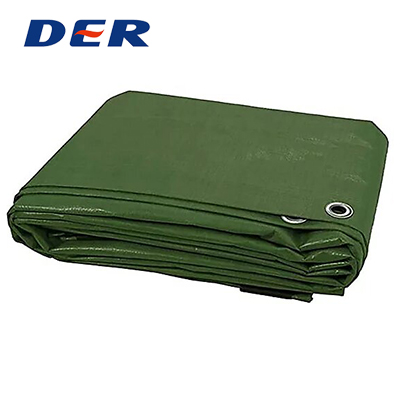
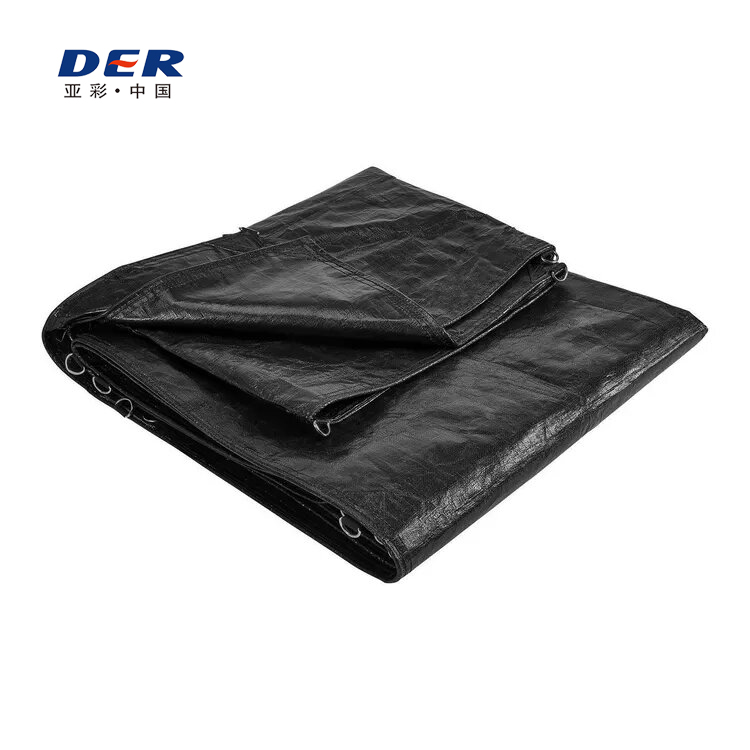
A PVC tarp is a reinforced flexible cover—typically woven polyester protected with polyvinyl chloride (PVC) on the surface. The textile core carries mechanical load, while the PVC layer helps provide waterproofing, cleanability, weather protection and heat-weldable fabrication.

For industrial buyers, “PVC tarp” is a material family, not one fixed grade. Weight, yarn structure, coating method, UV package, cold flexibility, surface finish, seams, hems and attachment hardware all change how the finished tarp performs.

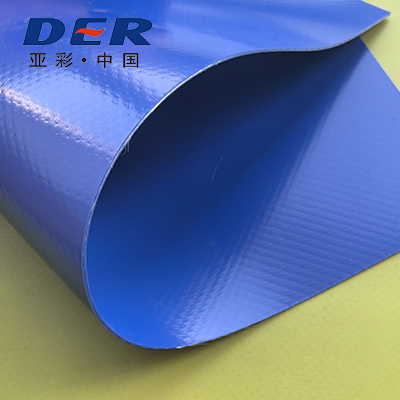
Blue PVC tarp material showing reinforced PVC coated textile construction
PVC tarp material is usually a coated or laminated reinforced textile rather than a simple unsupported plastic sheet.
Direct answer

What is a PVC tarp in simple terms?

A PVC tarp is a strong, flexible protective sheet commonly made from woven polyester fabric coated or laminated with PVC. The polyester reinforcement gives the tarp tensile and tear strength. The PVC surface helps block water, protects the textile, can be formulated for outdoor exposure, and can be welded into large covers.

In North American buying language, PVC tarp and vinyl tarp often refer to the same general product family. In manufacturing and export specifications, PVC tarpaulin, PVC coated tarp and PVC coated polyester tarp are also common terms.
Material anatomy

A PVC Tarp Is a System: Reinforcement + PVC + Finished Fabrication

Two tarps can both be labeled “PVC” and still behave very differently. For a procurement specification, separate the material into its structural layers and then evaluate the finished cover.

01

Polyester Base Fabric

The woven scrim provides much of the tensile strength, dimensional stability and resistance to tear propagation. Yarn size and thread density matter; the visible PVC surface does not tell the whole strength story.

02

PVC Surface Layer

The PVC layer provides the protective face. Its formulation and amount influence water resistance, flexibility, cleanability, abrasion behavior, color, welding response and outdoor aging direction.

03

Finish & Reinforcement

Lacquer, embossing, welded seams, reinforced hems, webbing, corner patches, D-rings and grommets determine how the roll material becomes a working cover and how loads enter the tarp.

Buyer principle: do not approve a PVC tarp only from color, “heavy duty” wording or total GSM. Ask how the base textile, PVC structure, fabrication and tie-down design work together for your application.
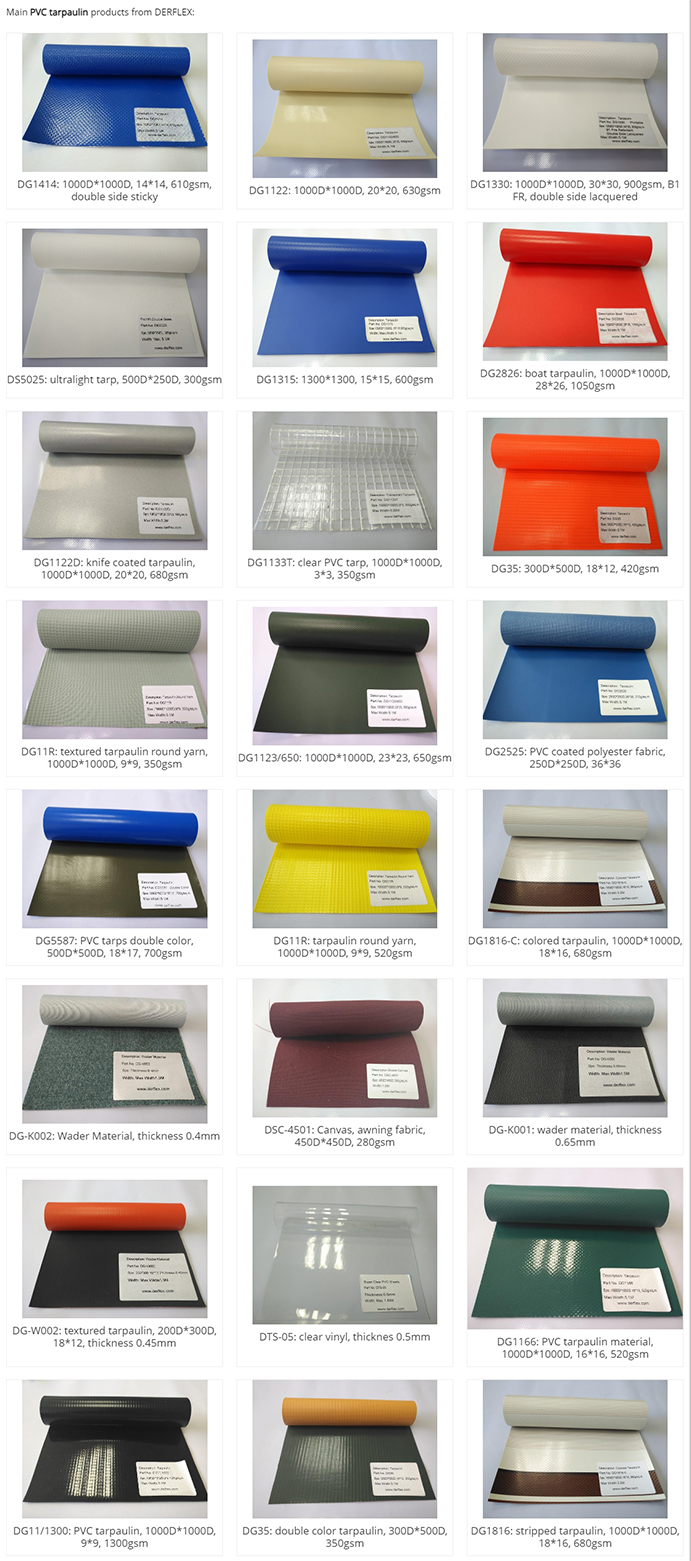
DERFLEX PVC tarpaulin sample board showing multiple coated fabric constructions and colors
PVC tarpaulin sample board: products with the same family name can use different yarns, weights, surfaces and constructions.
Specification language

GSM, Thickness and Denier Are Not the Same Thing

GSM describes mass per square meter. Thickness describes physical depth. Denier relates to yarn linear density. None of them alone tells you finished tarp strength, and one should not be substituted for another in an RFQ.

A useful specification connects total weight with the reinforcement, coating method, expected exposure and finished-cover design. For example, a truck cover repeatedly tensioned on a frame may need a different construction from an outdoor stockpile cover even when the two products have similar total mass.

For commercial material selection, see DERFLEX's PVC tarp material page and the broader tarpaulin material hub.

Construction choice

PVC Coated vs PVC Laminated Tarp: What Changes?

Both constructions can produce useful PVC tarpaulins. The important question is how the surface layer is bonded to the textile and whether the resulting material matches the required durability, flexibility, finish and fabrication process.

Question PVC Coated Construction PVC Laminated Construction
Basic concept PVC compound is applied to and integrated with the textile surface through a coating process. Prepared PVC films or layers are bonded to the reinforcing textile.
Why buyers care Can be selected where coating adhesion, controlled surface build and demanding repeat-use performance are important. Can be efficient for defined constructions where cost, appearance and production route fit the end use.
Do not assume “Coated” does not automatically mean every grade is stronger. Yarn, coating weight and formulation still matter. “Laminated” does not automatically mean low quality. The correct judgment is application-specific.
RFQ question Ask the supplier which construction is proposed, what base fabric is used, how the surface is bonded, and which test values will be controlled for bulk production.

For a product-focused view of coated material, see DERFLEX PVC coated tarp.

Manufacturing logic

How Is a PVC Tarp Made?

A simplified production route helps buyers understand where performance variation can enter the product. Exact equipment and process settings vary by construction.

Polyester yarn
Weaving
PVC preparation
Coating / lamination
Heat + finishing
Inspection + winding
Finished tarp step: roll material may then be cut, heat-welded or sewn, hemmed, reinforced and fitted with grommets, webbing, D-rings, ropes, pockets or other attachment details.
Material comparison

PVC Tarp vs PE Tarp vs Canvas vs Mesh

The right tarp depends on the protection problem. PVC is often selected for reusable waterproof industrial covers, but lighter, breathable or air-permeable materials can be better for other jobs.

Material Typical construction Where it fits well Buyer watchpoint
PVC / vinyl tarp Polyester reinforcement with PVC coating or lamination Truck covers, industrial equipment, construction, agriculture, tents, custom reusable covers Usually heavier than basic PE; define UV, cold, flame-retardant and reinforcement needs rather than assuming all PVC grades are equal.
PE / poly tarp Woven polyethylene tape with PE film or lamination Temporary covers, household use, light construction, short-term storage Economical and light, but lower grades can wear faster under wind flap, sharp edges and repeated handling.
Canvas tarp Woven cotton, polyester or blend, sometimes treated Applications that benefit from breathability and traditional textile handling Water behavior varies by treatment; wet canvas can be heavier and should be dried properly.
Mesh tarp Open-grid polymer or coated textile Shade, debris control, airflow and lower wind pressure Mesh is intentionally not a solid waterproof barrier.
Fast choice: choose PVC when the priority is a reinforced, weldable, reusable waterproof-cover system; choose PE when low weight and economy dominate; canvas when breathability matters; and mesh when airflow or wind reduction is required. For a broader decision guide, see what is the best tarp material?
Applications

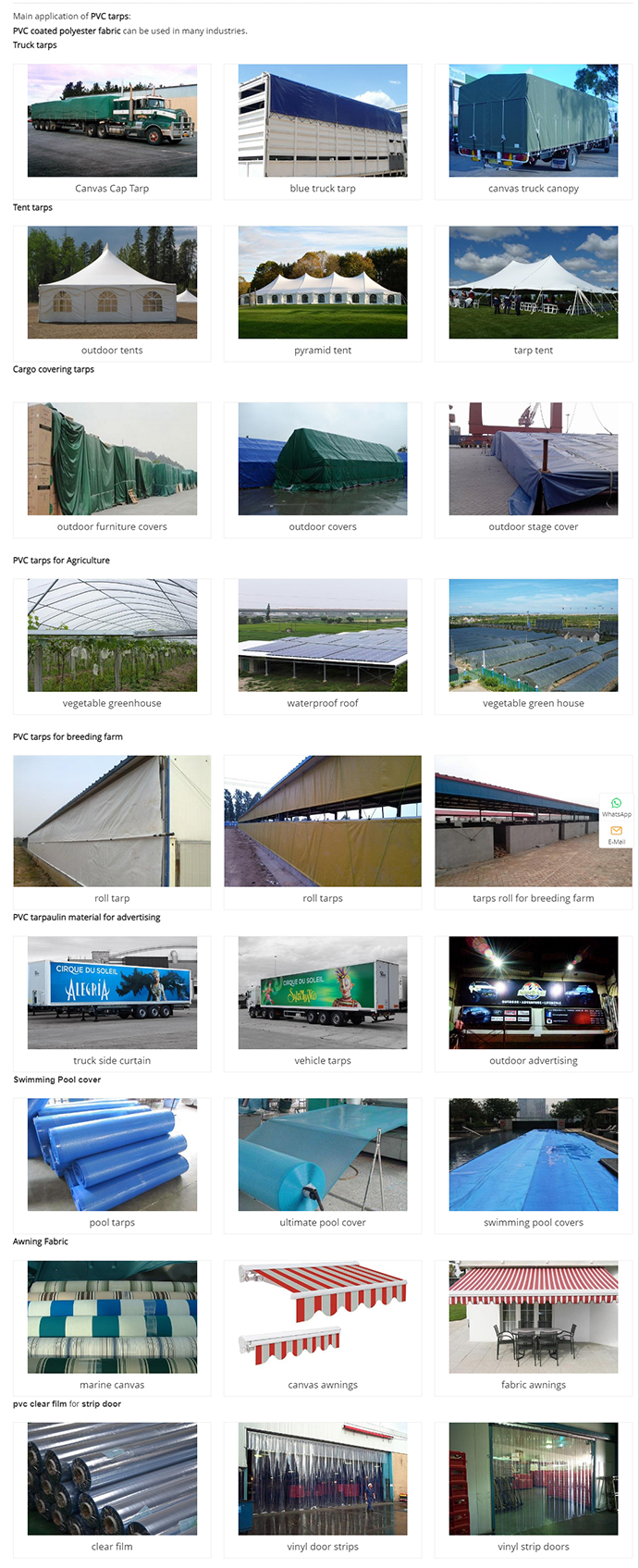
What Are PVC Tarps Used For?

PVC tarps are used when a cover needs a combination of reinforcement, low water permeability, cleanable surfaces, fabrication flexibility and repeated service. The actual grade should still be matched to exposure and load.

Application Why PVC is considered What to specify before buying
Truck & trailer covers Weldable panels, reinforced textile core, rain protection and custom hardware integration. Road exposure, load shape, finished dimensions, seam layout, edge webbing, D-rings/grommets, UV and cold requirements.
Construction covers Useful for weather shielding, material protection, temporary enclosures and reusable jobsite covers. Wind exposure, fixing method, abrasion points, access openings, flame-retardant requirement where applicable.
Agriculture & outdoor storage Helps protect stored goods, machinery and seasonal materials from rain, dust and surface contamination. UV duration, condensation risk, ventilation plan, ground contact, tie-down layout and handling frequency.
Industrial equipment Cleanable surface and custom fabrication can suit machinery covers, partitions and protective enclosures. Heat sources, chemicals/oils, sharp edges, maintenance access, indoor safety requirements and cleaning method.
Tents, awnings & shelters Color, weldability, surface finish and custom panel sizes support fabricated structures. Structural load is not carried by the tarp alone; confirm support system, fire requirements, UV exposure and drainage design.
Selection matrix

How Do You Choose the Right PVC Tarp?

Start from the failure risks and service environment, not from color or one headline specification. The following matrix turns a general inquiry into an engineering-oriented purchase brief.

Decision variable Ask yourself What it changes in the specification
Exposure time Temporary, seasonal, repeat daily use, or long outdoor installation? Material grade, UV direction, coating system, reinforcement and expected maintenance.
Wind & movement Will the tarp flap, travel at road speed, bridge a gap or be tensioned? Tear/tensile targets, seam orientation, edge webbing, grommet/D-ring spacing and support design.
Abrasion Will the cover rub against steel, timber, corners, machinery or cargo? Surface build, wear patches, corner protection and fit.
Temperature Will it be folded or tensioned in winter conditions or high heat? Cold-flex formulation, handling requirements and installation method.
Safety/compliance Does the project require a specific flame, chemical or market standard? Test method, formulation and documentation; requirements must be agreed before production.
Fabrication Roll material, cut sheet, welded panel or finished custom tarp? Roll width, welding compatibility, seam allowances, hardware, packaging and inspection method.

For a full pre-purchase workflow, use the DERFLEX tarp buying guide.

Engineering details buyers miss

Why Good PVC Material Can Still Fail as a Finished Tarp

Many failures begin at the interface between material and fabrication. A purchasing specification should consider how load travels through the finished cover.

Seams

A waterproof sheet can lose water protection at poorly designed seams. Confirm whether seams are welded or sewn, where they are placed and how they are loaded.

Edges & Corners

Wind and tie-down forces concentrate around perimeters. Hem depth, webbing, corner patches and reinforcement can matter more than adding material weight across the whole sheet.

Grommets & D-Rings

Hardware should transfer force into reinforced material. A strong grommet installed in an under-reinforced edge can still pull out when the cover is overloaded or allowed to flap.

Also check condensation: a solid PVC tarp is normally low-permeability, so it is not a substitute for ventilation. Covers over moisture-sensitive cargo may need airflow, spacing or a breathable material strategy.
B2B procurement

What Information Should You Send for a PVC Tarp Quote?

A complete RFQ reduces back-and-forth and makes sample approval more meaningful. Do not invent a specification if you are unsure—describe the application and failure risks so the supplier can propose a construction for review.

Application: truck cover, construction, equipment, storage, tent, agriculture, curtain or other use.
Supply form: roll material, cut panels, welded sheets or finished tarp.
Dimensions: finished size, roll width/length, panel layout or drawings where relevant.
Material target: known GSM/thickness/base fabric—or ask for a recommendation based on use.
Environment: UV exposure, cold, heat, wind, abrasion, humidity and chemical contact.
Finishing: seams, hems, webbing, grommets, D-rings, ropes, pockets, reinforcement and printing.
Compliance: identify the exact required test method or certificate instead of writing only “FR” or “UV”.
Commercial data: quantity, destination, packaging preference and repeat-order expectations.
Common procurement mistakes

Five Mistakes to Avoid When Buying PVC Tarps

Buying by GSM alone

Weight is useful, but the base fabric, coating distribution, surface system and finished reinforcement also affect real performance.

Using “waterproof” as the whole spec

A waterproof sheet can still leak through seams, holes, penetrations or poor installation. Define the finished system.

Ignoring wind load paths

More grommets do not automatically make a tarp stronger. Loads must be distributed into reinforced edges and a suitable supporting structure.

Assuming all PVC is the same

UV, cold flexibility, flame behavior, coating adhesion and abrasion direction depend on the actual grade and formulation.

Skipping sample approval

For repeat B2B orders, confirm appearance, hand feel, color, fabrication compatibility and agreed test items before bulk production.

Choosing a tarp without a ventilation plan

Solid PVC covers can trap moisture. If condensation is a risk, design airflow or select another tarp family where appropriate.

Related questions

PVC Tarp FAQ

Short answers to common material, performance and purchasing questions.

What is a PVC tarp made of?

A PVC tarp is commonly made from woven polyester reinforcement with PVC coating or laminated PVC layers on the surface. The polyester helps carry tensile and tear loads, while the PVC protects the textile and provides a low-permeability, cleanable and weldable surface.

Is a PVC tarp the same as a vinyl tarp?

In many tarp markets, yes. “Vinyl tarp” commonly refers to a PVC-coated or PVC-laminated reinforced tarp. For purchasing, ask for the actual base fabric, coating/lamination method, total weight, thickness and performance requirements instead of relying only on the product name.

Is PVC tarp waterproof?

The solid PVC-coated or laminated sheet can provide a waterproof barrier. The finished cover is only as watertight as its seams, holes, edge details, penetrations and installation. Welded seams are commonly used when water protection is a priority.

Is PVC tarp better than PE tarp?

Neither is universally better. PVC-coated polyester is often selected for reusable, welded, heavy-duty and industrial covers. PE tarps are often selected when low weight, temporary use and initial cost are more important. The service environment should decide the material.

Can PVC tarps be used outdoors?

Yes, PVC tarpaulins are widely used outdoors, but outdoor performance depends on the specific formulation, UV requirement, cold/heat exposure, installation, abrasion and maintenance. “PVC” alone does not define outdoor life.

Are PVC tarps breathable?

Solid PVC tarps are generally low-permeability and are not selected for breathability. If airflow and reduced wind pressure are required, a mesh tarp or a designed ventilation approach may be more appropriate.

Can PVC tarp be heat welded?

Many PVC tarpaulin constructions are suitable for hot-air or high-frequency welding. Welding compatibility should be confirmed for the exact material, coating and fabrication equipment before bulk production.

What should I specify when ordering a custom PVC tarp?

Provide the application, dimensions, supply form, required material direction, environment, color, surface, welding/sewing needs, reinforcement, grommets or D-rings, printing, quantity, destination and any exact compliance requirements. DERFLEX can use these details to review a suitable product direction.

Need PVC Tarp Material or a Custom Finished Cover?

Send the real application first. DERFLEX can review material direction, supply form and fabrication requirements for PVC tarp rolls, panels or finished custom tarpaulin programs.

Useful details to send

Application · finished size or roll size · material target · exposure · seams/edges/hardware · performance requirements · quantity · destination.

Consulting Services
+86-021-54361792 / 54361798
Email
sales@derflex.com