For a Homeowner
A tarp is a convenient sheet for covering furniture, firewood, a leaking roof, garden supplies or a floor during painting and repair.
A tarp—short for tarpaulin—is a strong, flexible sheet used to cover, shelter, contain, separate or protect goods, equipment, work areas and people from weather, dust, debris or handling damage.
The word may describe a simple household cover, a truck-load protection system, a temporary enclosure or a technical PVC-coated fabric supplied in rolls for professional fabrication. The intended job determines what the tarp must be made from and how it should be finished.
People often picture a blue plastic sheet when they hear the word tarp. That is only one version. The term does not identify a single raw material, thickness or performance grade. Instead, it describes a flexible covering product designed to perform a protective job.
A tarp may be waterproof, water-resistant, breathable, flame-retardant, translucent, blackout or air-permeable. It may be a lightweight sheet for temporary home repair or a reinforced cover repeatedly installed on trucks, machinery, stockpiles, warehouse partitions or outdoor structures.
The modern word “tarp” is the shortened everyday form of “tarpaulin.” Historically, tar-treated cloth was used to protect cargo and equipment at sea. Modern tarps are generally produced from engineered textiles and polymers rather than the original tarred cloth construction.
No. Waterproofing depends on the material, coating, seams and finished construction. A PVC-coated sheet can form a waterproof surface, while an open mesh tarp is designed to pass air and reduce wind load. Canvas usually prioritizes breathability and may be water-resistant rather than completely waterproof. Finished-cover performance also depends on seam welding, stitching, edge details and installation.
The everyday definition stays the same, but the performance expectations become more specific as the application moves from temporary household protection to industrial production and repeat purchasing.
A tarp is a convenient sheet for covering furniture, firewood, a leaking roof, garden supplies or a floor during painting and repair.
It can be a groundsheet, rain fly, shade roof, windbreak, gear cover or temporary shelter where packability and setup matter.
It is a work tool expected to resist tension, abrasion, weather, repeated handling and the loads created by tie-down points.
It is a specification: base fabric, coating route, GSM, width, surface, color, welding behavior and repeat-batch consistency.
Professional tarp performance comes from the interaction between the textile structure, protective surface and finished hardware. Two covers with a similar appearance may behave differently when exposed to pulling, folding, sunlight, cold, friction or standing water.
Each material answers a different protection problem. A useful comparison considers water behavior, airflow, repeated handling, fabrication and the expected duration of use.
| Material | What It Usually Means | Typical Strengths | Common Applications | Selection Note |
|---|---|---|---|---|
| PE / Poly Tarp Temporary & economical | Woven polyethylene sheet with a laminated or coated surface. | Lightweight, easy to handle, waterproof surface and economical for broad coverage. | Home repair, garden covers, short-term construction protection, camping and general storage. | Useful when low weight and cost matter more than long cycles of abrasion and reuse. |
| Canvas Tarp Breathable | Woven cotton or cotton-blend cover, sometimes treated for water resistance. | Breathability, soft handling and reduced moisture trapping in suitable applications. | Drop cloths, equipment storage, freight protection and materials that benefit from airflow. | Water behavior depends on treatment; pooled water may pass through. |
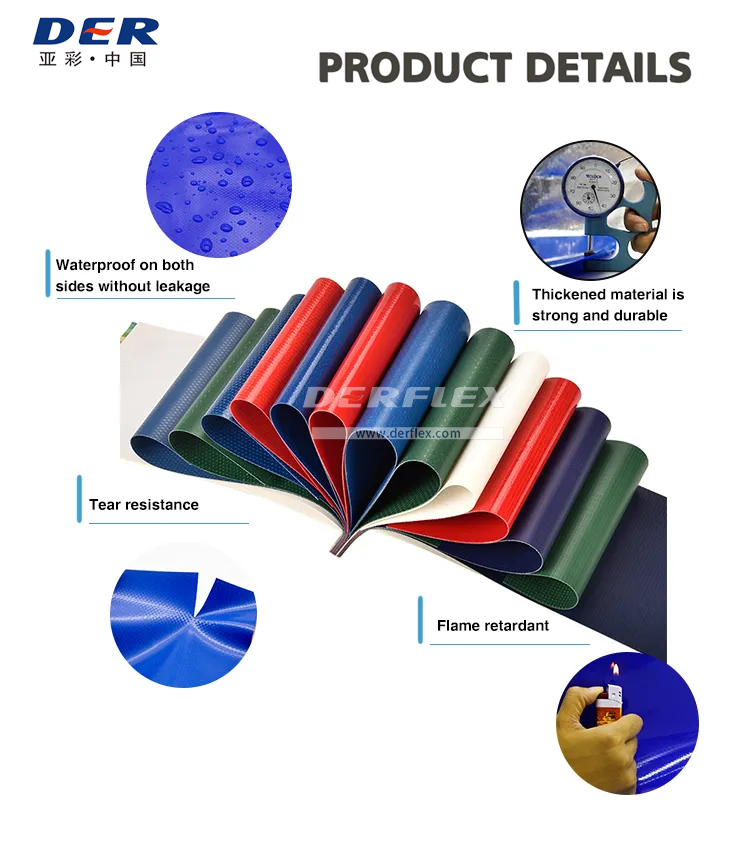
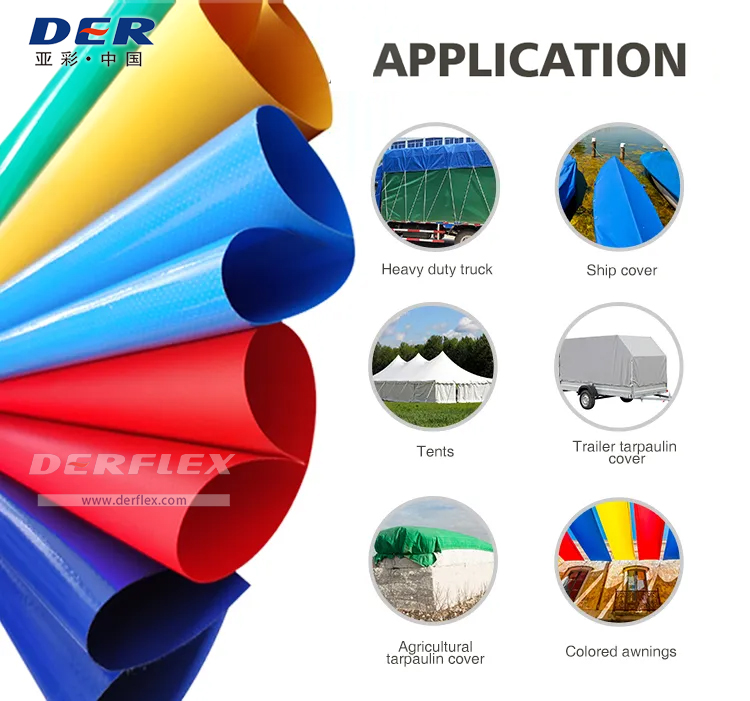
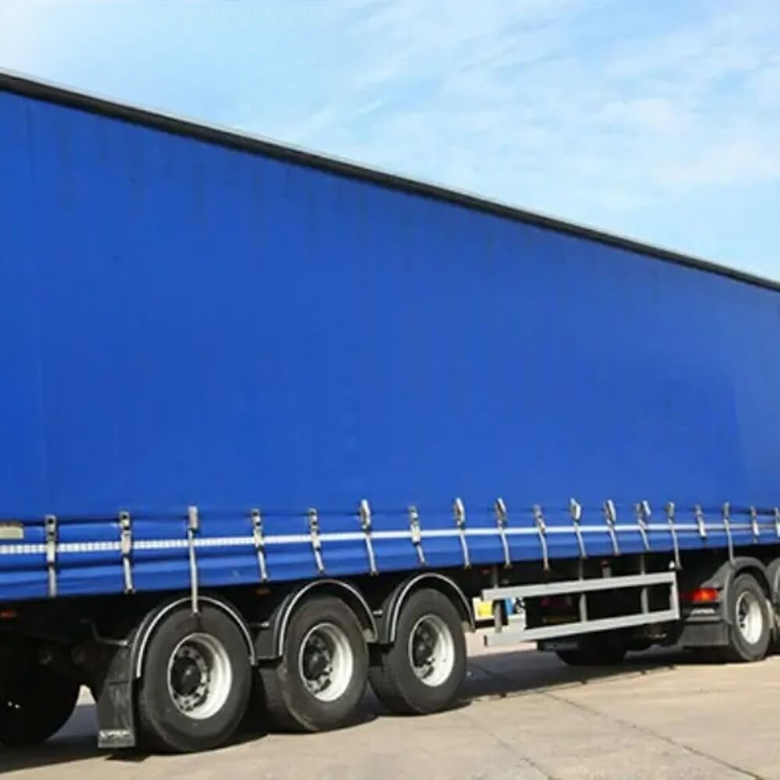
| PVC / Vinyl Tarp Industrial & reusable | Polyester reinforcement with PVC coating or lamination. | Waterproof surface, weldability, strong tear and abrasion direction, cleanable finish and customization. | Truck covers, machinery covers, tents, curtains, agriculture, construction and industrial enclosures. | Suitable when repeated use, fabrication and specification control are important. |
| Mesh Tarp Airflow & shade | Open structure that allows air movement while providing containment, shade or screening. | Lower wind loading, ventilation and visibility control depending on mesh density. | Dump truck covers, fence screens, shade structures, agriculture and construction barriers. | Choose mesh when airflow is more important than complete rain blocking. |
Instead of asking only “Which tarp is strongest?”, match the cover to the exposure, movement and fastening conditions that will occur in use.
Focus on waterproof surface, seam method, UV direction, drainage, edge reinforcement and secure installation.
Prioritize tear resistance, abrasion behavior, flexibility, tie-down layout and protection from sharp edges.
Decide whether the job needs a closed waterproof barrier or an air-permeable mesh that reduces wind load.
Consider appearance, width, seam planning, light transmission, flame-retardant discussion and attachment design.
Look beyond initial price to cleaning, folding, abrasion, custom fit, repairability and repeat-batch supply.
Canvas and mesh solve different airflow problems: canvas breathes through the fabric, while mesh is intentionally open.
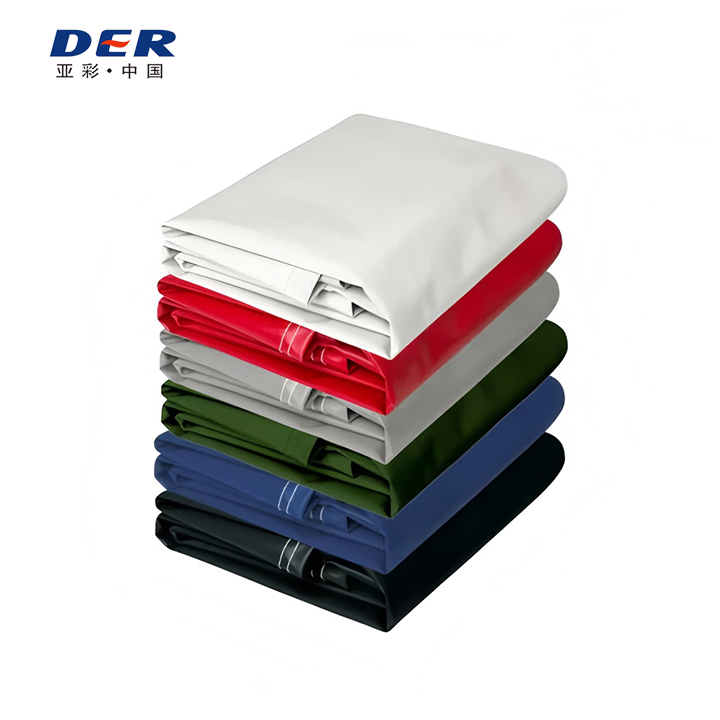
DERFLEX supplies PVC-coated polyester tarpaulin for converters, distributors, OEM programs and project buyers. The material can be discussed as roll goods, cut panels, semi-finished pieces or finished covers according to application and order requirements.
The final specification should be confirmed around the actual environment, fabrication process, expected durability and order plan. The ranges below are general discussion directions rather than a single universal grade.
Clear specification and sample confirmation reduce misunderstandings before bulk production and help keep repeat orders aligned with the intended application.
Define what is covered, where it is used and how it is installed.
Select base fabric, coating route, weight, finish and functional direction.
Review color, hand feel, fabrication behavior and relevant test needs.
Produce to the confirmed order specification and inspection arrangement.
Coordinate roll marks, labels, cartons, documents and shipment requirements.
A detailed brief allows the supplier to recommend a more relevant material direction and reduces repeated clarification.
Example: outdoor machinery cover; finished size 4.5 × 8 m; frequent rain and sun; 3-year project plan; welded seams; reinforced hem; grommets every 50 cm; grey matte finish; estimated annual quantity and destination.
DERFLEX focuses on PVC tarpaulin and coated fabric supply for distributors, converters, OEM brands, transport applications, industrial covers and project-based requirements.
Specifications can be discussed around exposure, fabrication and use rather than selecting only by color or a generic duty label.
Roll goods, cut panels, semi-finished pieces and finished tarp directions can be reviewed according to buyer requirements.
GSM, width, color, surface finish and selected functional treatments can be discussed within production feasibility.
Welding, sewing, reinforced edges, grommets, webbing and hardware can be aligned with the finished-cover design.
Packaging, roll marks, carton information and repeat-order planning can be coordinated for commercial programs.
Application details, samples, order specifications, packing and shipment requirements can be managed as one sourcing workflow.
These six pages help buyers move from a general definition to a material, construction or application-specific sourcing decision.
These answers address the difference between the everyday word, the material category and the finished industrial product.
Tarp is the shortened form of tarpaulin. It means a strong, flexible sheet used to cover, shelter, contain, divide or protect objects, materials, work zones or people from weather, dust, debris and handling damage.
Yes, in normal usage they refer to the same product family. “Tarp” is the shorter everyday term, while “tarpaulin” is common in technical descriptions, product names and international purchasing documents.
No. PVC and PE tarps can provide waterproof surfaces, while canvas is often water-resistant and breathable. Mesh tarps intentionally allow airflow and are not selected for complete rain protection. Seam and edge construction also affect finished-cover waterproofing.
PE is generally lightweight and economical, canvas is breathable, PVC/vinyl is commonly selected for reusable industrial protection and fabrication, and mesh is used where airflow, shade or lower wind loading is required.
A heavy-duty tarp usually combines a stronger base fabric, suitable coating weight, tear and tensile performance, stable seams, reinforced edges and secure fastening points. GSM or thickness alone does not define the entire finished product.
Provide the application, dimensions, outdoor exposure, expected service cycle, preferred GSM or thickness, color, surface finish, fabrication details, quantity, packaging needs and destination. A reference sample or drawing is also useful when available.
Send DERFLEX the application, size, exposure conditions, fabrication details and quantity. The team can review a suitable PVC tarpaulin material or finished-cover direction for your project.