News
Company News

What Is TPU Coated Fabric Used For? Applications & Buyer Guide | DERFLEX

Update:2026/8/15 18:13:10 Views:
Application Guide · TPU Technical Textiles

What Is TPU Coated Fabric Used For?

TPU coated fabric is used when a flexible product needs a textile reinforcement plus a sealable thermoplastic surface. Typical applications include dry bags, inflatable boats, air bladders, pressure-care cushions, marine safety products, flexible tanks, protective equipment and custom welded industrial components.

Short answer: choose TPU coated fabric when waterproofing alone is not enough and the finished product also needs reliable welding, air or liquid containment, repeated folding, abrasion resistance, or a softer technical surface.
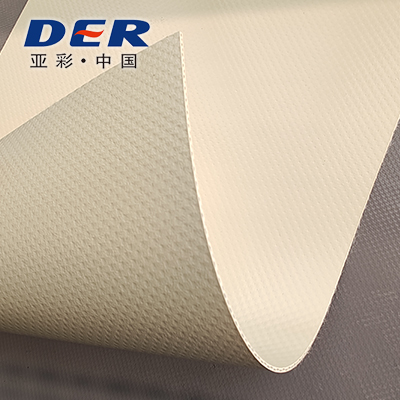
DERFLEX TPU coated fabric material sample for waterproof and airtight products
DERFLEX TPU coated fabric sample. Base textile, TPU chemistry, coating side, weight, surface and roll width can be discussed according to the finished product.
Application Map

Where TPU Coated Fabric Is Commonly Used

The same material family can serve very different industries. The correct construction depends on what the final product must hold, how it will be joined, how often it will flex, and what it will contact during service.

01

Dry Bags, Waterproof Packs & Soft Outdoor Gear

Lightweight TPU coated nylon or polyester can be converted into roll-top dry bags, waterproof backpacks, bike bags, soft coolers, equipment pouches and protective covers.

Why TPU is considered: foldability, clean welded seams, abrasion resistance and a premium soft-hand direction.

02

Inflatable Boats, Packrafts & Air Chambers

Double-side TPU constructions are widely discussed for inflatable chambers that need air retention, seam strength and repeated inflation/deflation performance.

Buyer focus: base denier, TPU layer, peel strength, welding window, pressure decay and puncture resistance.

03

Medical Air Mattresses & Pressure Cushions

Weldable TPU textiles are used to form air cells, inflatable support cushions, pressure redistribution components and other sealed healthcare support structures.

Buyer focus: air holding, softness, cleaning environment, cyclic flexing and finished-device validation.

04

Marine Safety & Rescue Equipment

Life-jacket bladders, rescue flotation components, buoyancy chambers and selected raft structures can use TPU coated fabric where compact folding and dependable sealed construction are required.

Buyer focus: low permeability, foldability, saltwater environment, seam construction and inspection procedures.

05

Flexible Water Tanks, Oil Bladders & Containment

Reinforced TPU coated textiles can be developed for collapsible tanks, pillow tanks, liquid bladders, temporary containment and other welded storage structures.

Buyer focus: contact media, temperature, storage time, coating chemistry, seam design and finished tank testing.

06

Industrial Covers, Sleeves & Technical Components

TPU coated polyester can be used for machine protection, reusable covers, flexible sleeves, welded industrial bags, air-handling components and custom technical assemblies.

Buyer focus: dimensional stability, abrasion, cleanability, repeated handling and fabrication efficiency.

07

Protective Clothing & Specialized Wearables

Selected TPU textile systems can be used in protective garments, dry-suit components, survival equipment and washable flexible barriers when the formulation and textile construction fit the use environment.

Buyer focus: flexibility, body-fluid or chemical exposure, seam sealing, comfort and applicable compliance testing.

08

Sports, Recovery & Compression Products

Air compression chambers, inflatable recovery products, training accessories and performance equipment can use TPU coated nylon for lightweight strength and welded air channels.

Buyer focus: cyclic pressure, seam fatigue, skin-side finish, noise and repeated folding.

09

OEM Products That Must Be Welded Instead of Sewn

Many custom products do not fit a standard category. If the design needs a sealed chamber, fluid barrier, clean seam or controlled air path, TPU coated fabric may provide a practical development route.

Buyer focus: send the product drawing, seam method, pressure or liquid contact and target service environment before sample selection.

Decision Point

Is TPU Coated Fabric the Right Material for Your Product?

TPU is not automatically the correct choice for every waterproof product. It becomes especially relevant when several performance and processing requirements must be solved at the same time.

TPU is worth evaluating when you need:

  • A waterproof surface plus heat-sealable or RF/HF weldable seams.
  • An inflatable or bladder product that needs air retention.
  • A flexible tank or pouch where the fabric must help contain a liquid.
  • Repeated folding without a stiff tarpaulin-like hand feel.
  • Abrasion and puncture resistance in a lightweight-to-medium construction.
  • Low-temperature flexibility or outdoor handling after packing and unfolding.
  • A cleaner-looking technical surface for premium OEM products.

Another coated material may be more practical when:

  • The product is a very large general-purpose cover where cost per square meter is the main driver.
  • Heavy-duty PVC tarpaulin fabrication is already standardized in your factory and airtightness is not required.
  • The use is mainly apparel or light water resistance without welded air/liquid containment.
  • Your compliance, chemical-contact or food-contact requirement has not yet been matched to an appropriate TPU formulation.
  • The finished product cannot be validated through sample welding and real-use testing before mass production.
Material suitability should be confirmed by the finished-product manufacturer. Contact medium, pressure, temperature, cleaning method, regulatory requirements and seam design can change the correct TPU grade or even the correct material family.
TPU Functional LayerWater barrier, sealing surface, welding behavior, abrasion and application-specific chemistry.
Textile ReinforcementNylon or polyester base fabric contributes tensile strength, tear resistance and dimensional control.
Optional Second TPU LayerUsed when both sides need a sealable, cleanable or air/liquid-holding surface.
Material Logic

Why the “Fabric + TPU” Combination Matters

TPU coated fabric is a composite technical textile. The textile and the thermoplastic polyurethane layer do different jobs. The reinforcement carries mechanical load; the TPU layer contributes the functional barrier and thermoplastic surface used for welding or heat sealing.

This is why two rolls labeled “TPU coated fabric” can behave very differently. A lightweight 210D nylon construction for a dry bag does not solve the same problem as a reinforced 1000D or 1680D double-side fabric for an inflatable chamber or flexible tank.

Nylon or Polyester Base Single or Double Side Polyether / Polyester TPU Direction Matte / Gloss / Embossed Custom Color & Roll Width
Selection Guide

Match the TPU Construction to the Finished Product

Instead of asking only “what GSM is available?”, start with the final product and work backward to the base fabric, coating side, TPU chemistry and joining method.

Finished Product Typical Material Direction What Matters Most Questions to Confirm Before Sampling
Dry bag / waterproof backpack Light-to-medium TPU coated nylon or polyester; often single or double side depending design Soft folding, seam sealing, abrasion, appearance Roll-top or zipper design? HF, hot air or heat press? Target weight and hand feel?
Inflatable boat / packraft / air chamber Higher-strength double-side TPU coated textile Airtightness, peel strength, puncture resistance, seam durability Working pressure? Chamber size? Seam overlap? Welding equipment?
Medical mattress air cell Soft weldable TPU coated or laminated nylon/polyester Air retention, flexing, cleanability, surface feel Pressure cycle? Cleaning agents? Chamber design? Device validation route?
Flexible water tank Reinforced double-side TPU construction selected for water/humidity conditions Liquid compatibility, seam strength, hydrolysis direction Potable or non-potable? Temperature? Storage duration? Certification expectations?
Oil/fuel bladder Application-specific reinforced TPU coated fabric Chemical compatibility, swelling, seam performance, abrasion Exact liquid? Additives? Contact time? Temperature? Finished bladder test plan?
Industrial protective cover TPU coated polyester where dimensional stability and weldable waterproofing are useful Abrasion, repeat handling, surface cleaning, cost balance Outdoor exposure? Sharp edges? Reuse cycles? Sewn, welded or hybrid fabrication?
Real Material References

TPU Film and Flexible Tank Application Examples

The images below use existing DERFLEX website product and application references. They illustrate two ends of the TPU material spectrum: film/lamination work and reinforced welded containment.

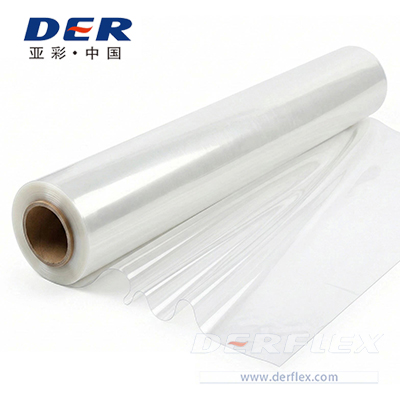
DERFLEX clear TPU film roll for lamination and heat sealing

Clear TPU Film for Lamination & Sealing

TPU film can be laminated to a textile or used as part of a composite construction. Buyers should define film thickness, transparency, surface, bonding route and final welding process.

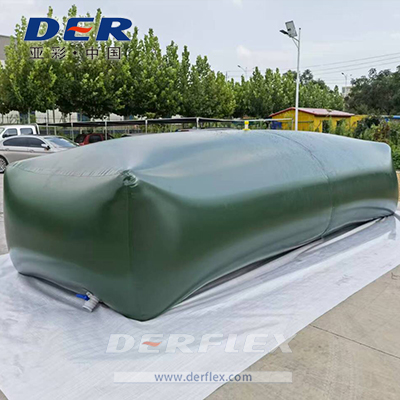
DERFLEX TPU coated fabric flexible bladder application

Reinforced TPU for Flexible Containment

Flexible bladders need more than a waterproof roll. Contact medium, coating chemistry, textile reinforcement, folding, fittings and welded seams must be validated as a complete system.

Fabrication

How TPU Coated Fabric Is Converted into Finished Products

One reason TPU coated textiles are selected for technical products is their compatibility with sealed construction. The exact process window depends on the TPU layer, textile base, thickness, surface and equipment.

HF / RF Welding

Commonly evaluated for coated TPU structures that need fast, controlled sealed seams in air-holding or waterproof products.

Hot-Air Welding

Useful for continuous seams, larger panels and fabricating equipment designed for thermoplastic coated textiles.

Heat Sealing

May suit lighter constructions, film laminates, bag components and custom production methods after temperature/pressure trials.

Ultrasonic Welding

Can be considered for selected small components or specific TPU constructions where equipment and geometry are compatible.

Do not treat a supplier's statement that a material is “weldable” as a substitute for trials on your own equipment. Seam strength, appearance and air/liquid retention should be checked on the finished joint before bulk approval.
For Purchasing & Product Teams

What to Tell a TPU Coated Fabric Manufacturer Before Asking for Price

A useful quotation starts with the finished product, not only a GSM target. Clear application data helps DERFLEX narrow the sample direction and avoids comparing rolls that look similar but behave differently after welding or use.

For custom TPU coated fabric, share drawings or photos when possible, especially for inflatable chambers, flexible tanks, pressure systems and products with fittings or complex seam layouts.

1. End ProductDry bag, raft, mattress cell, bladder, tank, protective cover or custom component.
2. Base FabricNylon or polyester preference, target denier, strength direction or current reference sample.
3. Coating StructureSingle-side or double-side TPU, film-laminated structure, target thickness or total weight.
4. Joining MethodHF/RF, hot-air, heat sealing, ultrasonic, sewing plus sealing, or a customer-specific process.
5. Service ConditionsAir pressure, water/oil/chemical contact, outdoor exposure, temperature and folding frequency.
6. Roll & AppearanceWidth, roll length, color, matte/gloss/embossed finish, printing or private-label packing needs.
7. ValidationHydrostatic pressure, pressure decay, tensile/tear, abrasion, peel strength or other test methods.
8. Commercial PlanSample quantity, trial order, expected annual volume, destination and documentation requirements.
DERFLEX Supply Approach

Application-Based TPU Material Development

For B2B projects, the value of a TPU coated fabric supplier is not only the roll itself. It is also the ability to translate a product requirement into a testable material specification and then reproduce that approved direction in bulk supply.

Product-First Discussion

Start from air pressure, liquid contact, flexing, temperature, seam design and the end-product size before narrowing the material.

Nylon & Polyester Directions

Compare flexibility and tear-strength priorities with dimensional stability and processing efficiency instead of treating the substrates as interchangeable.

Custom Coating Structure

Discuss TPU side configuration, target thickness, surface finish, hardness direction, color and roll format for OEM production.

Sample Welding Validation

Confirm seam quality, air retention, peel strength and handling on the buyer's production route before bulk approval.

Repeat-Order Specification

Record approved width, weight, color, finish, coating structure and packaging details to improve repeat purchasing consistency.

Multi-Material Comparison

When TPU is not the practical route, DERFLEX can also discuss other coated fabric families according to product requirements and cost targets.

FAQ

Frequently Asked Questions About TPU Coated Fabric Uses

What is TPU coated fabric used for?

TPU coated fabric is commonly used for dry bags, waterproof backpacks, inflatable boats, packrafts, air bladders, medical air mattresses, pressure cushions, marine safety components, flexible water tanks, oil bladders, industrial covers and other products that benefit from a flexible, waterproof and weldable textile structure.

Why is TPU coated fabric used for inflatable products?

TPU creates a thermoplastic sealing surface that can be welded into enclosed chambers, while the nylon or polyester reinforcement carries tensile and tear loads. For inflatable products, buyers should validate seam strength, pressure decay, peel strength, puncture resistance and repeated flexing on the finished chamber.

Is TPU coated nylon or TPU coated polyester better?

Neither is universally better. TPU coated nylon is often considered when flexibility, soft folding and tear strength are important. TPU coated polyester is often considered when dimensional stability, roll handling and a practical strength-to-cost balance are priorities. The finished product and processing method should decide the substrate.

Can TPU coated fabric hold water, air or oil?

TPU coated fabric can be developed for air-holding and liquid-containment products, but suitability depends on coating chemistry, thickness, reinforcement, seam design, fittings, temperature and contact medium. Oil or fuel applications require project-specific compatibility testing rather than a general material claim.

Can TPU coated fabric be RF welded or heat sealed?

Many TPU coated and laminated fabrics can be processed by HF/RF welding, hot-air welding, heat sealing or ultrasonic methods. The correct settings depend on the construction and equipment, so a production trial is recommended before bulk ordering.

What information should I send DERFLEX for a TPU coated fabric quote?

Send the finished product type, base fabric or denier preference, coating side, target weight or thickness, roll width, color, surface finish, welding method, air or liquid contact, working temperature, sample request, estimated quantity and any test or documentation requirements.

Need TPU Coated Fabric for a New Product?

Share your application, drawing, seam method and working conditions. DERFLEX can help narrow the base fabric, TPU coating structure, sample direction and bulk roll specification for evaluation.

Consulting Services
+86-021-54361792 / 54361798
Email
sales@derflex.com