


 Technical Coated Fabric · OEM Roll Supply
Aircraft Lifting Bags Coated Fabric
DERFLEX supplies reinforced coated fabric rolls for manufacturers of aircraft recovery airbags, pneumatic lifting cushions and emergency lifting systems that require airtight chambers, stable fabrication and durable field handling.
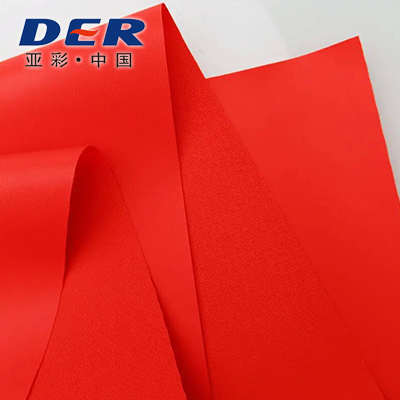
What Is Aircraft Lifting Bags Coated Fabric?
Aircraft lifting bags coated fabric is a reinforced technical textile used to build inflatable cushions that help lift or support disabled aircraft during recovery operations. For this type of product, buyers normally review air retention, tear strength, coating adhesion, foldability, surface friction, oil contact, low-temperature flexibility and seam behavior instead of choosing material by GSM or color only.
For Aircraft Recovery Bag Makers
Suitable for OEM factories that design and assemble pneumatic aircraft lifting bags, multi-layer cushions, emergency recovery airbags and ground support inflatable products.
For Sealed Air Chambers
Double-side coated nylon or polyester structures can be evaluated where airtight performance, clean weld paths and repeated folding are important in the finished bag.
For Custom Specification Projects
DERFLEX can discuss base fabric, coating polymer, roll width, surface finish, color, hardness direction and packing format according to your bag design and validation plan.
Designed Around Air Pressure, Aircraft Contact and Emergency Handling
Aircraft recovery lifting bags are not ordinary inflatable products. During use, the fabric may face large contact areas, uneven ground, outdoor exposure, fuel or oil contamination, repeated packing and strict operational procedures. A practical material program should be selected from the finished-product design backward.
DERFLEX focuses on coated fabric roll supply and material development support. We help buyers compare TPU coated nylon, TPU coated polyester, reinforced PVC coated fabric and PU coated structures before sample testing, so fabricators can confirm a direction with their own welding, pressure and field-use validation.
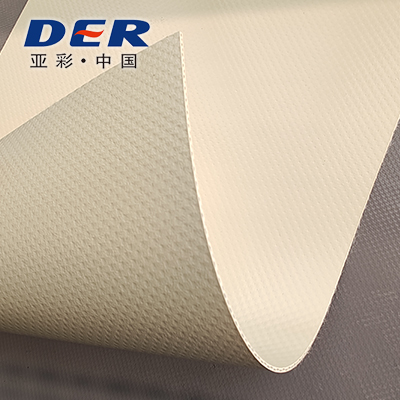 Reinforced coated fabric surface for waterproof, airtight and weldable OEM applications.
Where This Coated Fabric Is Evaluated
The material can be developed for manufacturers that produce air-holding fabric structures used around aircraft recovery, controlled support and emergency movement preparation.
Aircraft Recovery Airbags
- Disabled aircraft lifting cushion fabric
- Runway recovery airbag material
- Emergency lifting bag textile for OEM production
Wing & Fuselage Support Cushions
- Soft-contact pneumatic support structures
- Material direction for contour adaptation
- Surface options for friction and handling control
Ground Support Inflatable Systems
- Maintenance support air chambers
- Protection pads and auxiliary inflatable parts
- Custom roll goods for sealed fabric assemblies
Custom Coated Fabric Options for Lifting Bag Production
The following values are practical discussion ranges. Final specifications should be confirmed through sample evaluation, seam testing, pressure testing and finished-product qualification.
| Item | Available Direction | Selection Notes |
|---|---|---|
| Base Fabric | High-tenacity nylon, polyester or custom reinforced textile | Nylon is often evaluated for folding and tear strength; polyester is often reviewed for dimensional stability and larger panels. |
| Coating Polymer | TPU, PVC, PU or project-specific coated structure | TPU is often reviewed for flexibility, airtight welding and low-temperature handling; PVC can be evaluated for robust industrial cost-performance; PU may support selected flexible applications. |
| Coating Side | Single-side or double-side coated fabric | Double-side coating is commonly evaluated for air-holding products, cleanable surfaces and more flexible seam design. |
| Weight Range | Approx. 650–1800 gsm or customized | Heavy-duty pneumatic lifting bags usually require stronger structures than light waterproof bags; target weight should match bag size and pressure design. |
| Thickness | Approx. 0.55–1.8 mm or project-based | Thickness affects puncture resistance, stiffness, folding volume, weld window and overall cost. |
| Width | Common 1.4 m–3.2 m, custom width by grade | Wider rolls can reduce seam quantity for large cushion panels and improve production efficiency. |
| Surface Finish | Matte, glossy, embossed, textile texture, anti-slip direction | Surface should be selected according to aircraft contact, machine feeding, cleaning and packing requirements. |
| Processing | RF/HF welding, hot-air welding, heat sealing, hot wedge welding or customer process trial | The correct process depends on coating chemistry, seam layout, panel thickness, equipment parameters and finished bag validation. |
| Color | Black, grey, orange, blue, yellow or custom | High-visibility colors can be discussed for emergency equipment programs; color matching should be confirmed before bulk production. |
| Testing Direction | Tensile, tear, peel, adhesion, airtightness, abrasion, low temperature, oil contact and roll consistency | Testing items should be selected according to the buyer’s product standard, target market and end-use risk review. |
What Matters More Than a Simple Fabric Sample
For pneumatic aircraft recovery products, fabric sourcing should be treated as an engineering review, not a simple roll-price comparison.
Air Retention & Seam Behavior
The coating surface, coating thickness, base textile and welding process all influence air leakage, peel performance and long seam stability.
Contact Pressure & Surface Protection
The final cushion must distribute load safely. Material texture, stiffness and reinforcement should be reviewed together with cushion geometry and pressure control.
Oil, Fuel & Cleaning Exposure
Airport recovery environments may involve hydrocarbons, oil residues, cleaning agents and outdoor contamination. Chemical contact should be tested by project.
Low-Temperature Flexibility
Emergency equipment may be stored or used in cold environments. Folding, unfolding and inflation behavior should be evaluated after cold exposure.
Roll-to-Roll Consistency
Large airbag production needs consistent width, thickness, coating surface, color and packing records across repeated orders.
OEM Documentation
Clear specification sheets, sample labels, batch records and export packing details help manufacturers manage repeat purchasing and production control.
TPU, PVC and Rubber-Coated Fabric Direction
Aircraft lifting bag makers may compare several coated fabric families. DERFLEX helps buyers evaluate the material route according to processing method, target pressure, operating environment and commercial production plan.
| Material Direction | Main Strength | Typical Evaluation Scenario | Buyer Note |
|---|---|---|---|
| TPU Coated Nylon / Polyester | Flexible, weldable, airtight direction, clean surface, low-temperature handling | Inflatable cushions, air bladders, rescue equipment, sealed technical textile products | Recommended for projects needing thermoplastic welding trials and repeated folding performance. |
| PVC Coated Polyester Fabric | Industrial durability, waterproofing, wide roll availability, cost-performance | Large protective pads, ground sheets, selected industrial inflatable or cover components | Useful when robust waterproof industrial material and wider roll economics are important. |
| Rubber-Coated Technical Fabric | Strong elastomeric behavior and traditional recovery bag construction route | Specialized vulcanized recovery bag systems and heavy pneumatic cushions | Manufacturing method, vulcanization process and finished-bag certification should be confirmed by the bag manufacturer. |
How DERFLEX Supports Aircraft Lifting Bag Fabric Development
A clear review process helps reduce repeated sampling and keeps your OEM material specification easier to reproduce.
Application Review
Confirm aircraft recovery use, cushion structure, contact area, target pressure, storage conditions and operating environment.
Material Matching
Compare base textile, coating polymer, coating side, thickness, surface finish, color and roll width direction.
Sample Trial
Prepare material for welding, seam, peel, airtightness, folding, abrasion and chemical contact evaluation by the buyer.
Bulk Roll Supply
Confirm specification records, roll packing, batch labels, inspection points, export documents and repeat order details.
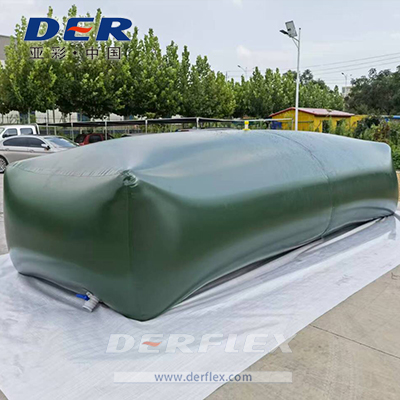
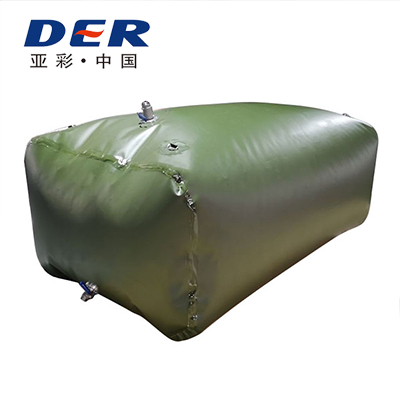
Coated Fabric for Airtight Structures
These DERFLEX product visuals show reinforced coated fabric and airtight bladder application references. For aircraft lifting bags, final material should be selected according to your pressure, welding and product validation plan.
A Coated Fabric Supplier Focused on Real Manufacturing Questions
DERFLEX supports buyers who need more than a material name. We help manufacturers define a workable coated fabric direction for sealed, folded, welded and heavy-duty technical textile products.
Coated Fabric Range
TPU, PVC, PU and laminated fabric directions can be discussed for waterproof, airtight, flexible and industrial applications.
OEM Customization
Custom base fabric, denier, coating thickness, hardness direction, width, color, surface and roll packing can be reviewed for OEM programs.
Welding Trial Support
Material can be prepared for RF welding, hot-air welding, heat sealing or customer production process evaluation.
Batch Consistency
DERFLEX can help maintain specification records for repeat purchasing, including roll width, surface, packing and label details.
Export Communication
Quotation, sample, packing, shipping mark and documentation details can be coordinated for international buyers.
Application-Oriented Selection
Material recommendations are discussed from final use, pressure, contact media, handling method and testing requirement.
Build a Complete Material Review System
Use these related pages to compare air-holding, weldable, coated and liquid-resistant fabric directions before confirming your aircraft recovery bag material.
Request a Custom Aircraft Lifting Bag Fabric Recommendation
Send your bag design information and target material requirements. DERFLEX will help review a practical coated fabric direction for sample testing and bulk roll supply.
- Finished bag size, structure and chamber design
- Target pressure, load reference and validation plan
- Base fabric, coating polymer and weight direction
- Welding or assembly method and seam route
- Oil, fuel, abrasion, cold or outdoor exposure requirements
- Sample quantity, roll width, color and bulk order estimate
Aircraft Lifting Bags Coated Fabric FAQ
Practical answers for aircraft recovery equipment manufacturers, pneumatic lifting bag factories and OEM procurement teams.
What coated fabric is used for aircraft lifting bags?
Aircraft lifting bags may use reinforced coated technical fabrics such as TPU coated nylon, TPU coated polyester, PVC coated fabric, PU coated fabric or rubber-coated textile structures. The right choice depends on bag pressure, lifting design, welding or vulcanization method, aircraft contact area and required testing.
Can DERFLEX supply finished aircraft lifting bags?
This page focuses on coated fabric roll supply and custom material development for manufacturers. Finished aircraft recovery systems require complete engineering design, hardware, control systems and product-level validation by the equipment manufacturer.
Is TPU coated fabric suitable for pneumatic lifting cushions?
TPU coated fabric can be evaluated for pneumatic cushions because it can offer flexibility, airtight sealing direction, abrasion resistance and thermoplastic welding compatibility. Final suitability should be confirmed by seam, pressure, folding and finished-product tests.
Should aircraft lifting bag fabric be single-side or double-side coated?
Double-side coating is often reviewed for air-holding bags because both sides may need sealing, cleaning and weld compatibility. Single-side coating may be suitable for selected auxiliary parts, but final selection depends on the bag structure and assembly process.
Can the fabric resist oil, fuel or hydraulic fluid?
DERFLEX can discuss coating directions for oil or fuel contact, but chemical resistance should be tested according to the exact fluid, contact time, temperature and cleaning process expected in your application.
Which welding methods can be evaluated?
Depending on the coated fabric structure, buyers may evaluate RF/HF welding, hot-air welding, heat sealing, hot wedge welding or another assembly route. Sample welding with real production equipment is recommended before bulk confirmation.
What information is needed for quotation?
Please provide the bag application, target size, chamber design, pressure requirement, base fabric preference, coating type, coating side, weight or thickness, roll width, color, welding method, test requirements, sample quantity and estimated bulk order volume.