


Architectural Wood Grain Film for Commercial Interior Resurfacing
Architectural wood grain film is a decorative surface film used to give qualified existing interior surfaces a controlled wood-look finish without replacing the entire substrate. For project work, the specification should be built around the real surface, panel geometry, grain direction, finish, adhesive system and mock-up approval—not around an “oak” or “walnut” photo alone.
DERFLEX supports architectural surface film discussions for doors, wall and millwork panels, cabinetry, reception counters, retail fixtures and other interior refurbishment programs. Send the substrate, panel dimensions, visual reference, expected installation route and project quantity so the film construction can be evaluated before bulk ordering.
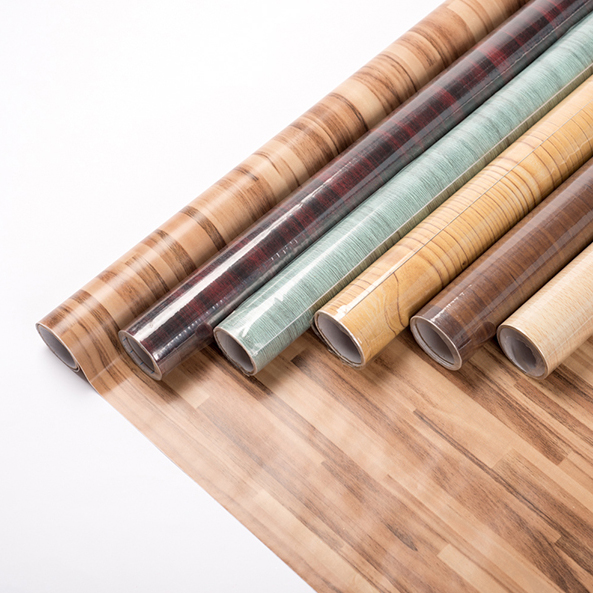
What Is Architectural Wood Grain Film?
A project-oriented definition for architects, fit-out contractors, distributors and procurement teams.
Architectural wood grain film is a thin decorative surface material designed to reproduce a wood appearance on suitable interior substrates such as finished panels, doors, millwork and fixtures. Many project constructions are pressure-sensitive and use a release liner for field application; other decorative-film constructions may be used in controlled lamination or forming processes. The correct architectural film is selected by the installation surface and service environment first, then by wood pattern and finish.
Architectural Resurfacing
Useful when a project needs to update the visible finish of existing interior elements while retaining qualified underlying components.
Wood-Look Design Control
Oak, walnut, ash, maple, teak, dark wood, grey wood or a controlled reference can be discussed, but physical approval should define the final appearance.
Surface System Thinking
The face film, texture, adhesive or downstream bonding process, substrate preparation, edges and installation method must work together.
For furniture-production and broader decorative converting routes, see DERFLEX's wood grain decorative film manufacturer guide. This architectural page is intentionally focused on project resurfacing, specification and on-site surface decisions rather than duplicating that manufacturing-oriented topic.
Can Architectural Surface Film Go on the Existing Surface?
Often yes—but surface condition is the first approval gate. Adhesive strength alone cannot compensate for dust, porosity, loose coatings, heavy texture or unstable substrates.
Better Starting Surfaces
Stable, smooth, clean, dry and well-bonded finished surfaces are normally easier to qualify.
- Sealed or finished panels
- Sound painted metal
- Stable laminate surfaces
- Glass or smooth non-porous surfaces where appropriate
Must Be Mock-Up Tested
These surfaces can vary significantly in coating chemistry, surface energy, texture and edge geometry.
- Painted MDF or casework
- Powder-coated metal
- Acrylic and PVC board
- Previously refinished architectural components
High Risk Without Preparation
Do not specify film as a shortcut over a failing or unsuitable substrate.
- Raw porous board
- Chalky or peeling paint
- Oily, dusty or damp surfaces
- Heavily textured or structurally damaged surfaces
Project rule: use the real production or site substrate for adhesion and edge tests. DERFLEX's broader self-adhesive vinyl application guide provides additional pressure-sensitive surface context, but an architectural wood-grain project should still be approved on its own construction.
Where Architectural Wood Grain Film Fits Best
The room name is less important than substrate, geometry, visual continuity, cleaning environment and how the film will terminate at edges.
| Architectural Element | What to Specify | Project Risk to Control |
|---|---|---|
| Interior Doors | Door skin condition, grain direction, face-only vs edge wrap, hardware cut-outs, width/yield plan. | Edge lift, visible seams, inconsistent grain direction across a door set. |
| Wall & Millwork Panels | Panel dimensions, joint layout, vertical/horizontal grain map, lighting, pattern scale. | Adjacent panels that look mismatched even when the color is the same. |
| Cabinetry & Casework | Finished substrate, corner radius, handle recesses, cleaning routine, replacement plan. | Film selected from a flat sample but unable to handle the real geometry. |
| Reception Counters & Built-Ins | High-visibility surfaces, seam placement, contact zones, edge details and repeat visual control. | Pattern distortion or highly visible joins in focal areas. |
| Retail / Hospitality Fixtures | Refresh cycle, installation window, future removal expectations, retained master sample. | Replacement film later looks different because the original master was not recorded. |
| Commercial Refurbishment Programs | Location schedule, substrate inventory, pattern schedule, roll/batch records, installer mock-up. | Different sites or phases drifting away from the approved appearance. |
Build a Grain Map Before You Build a Purchase Order
Wood grain direction is part of the architectural design. A purchase specification that ignores panel mapping can create unnecessary waste and visibly inconsistent interiors.
What the grain map should record
- Direction: vertical, horizontal or element-specific.
- Panel sequence: which adjacent faces should read as one visual group.
- Pattern scale: avoid approving a tiny swatch for a full-height door or wall panel.
- Seam locations: place unavoidable joins away from primary sight lines where practical.
- Roll orientation: width and cutting direction affect yield and the visual result.
- Replacement control: retain approved master and roll/batch records for later phases.
A wood species name is a discovery label. The project specification is the approved visual master plus the documented film construction and layout plan.
Architectural Surface Film Specification Checklist
Use this table as the basis of sampling, tender review or an RFQ. Exact dimensions and performance values should be confirmed for the selected DERFLEX construction.
| Specification Field | What the Buyer Should Define | Why It Matters |
|---|---|---|
| Project Application | Door, wall panel, millwork, cabinetry, counter, retail fixture or other architectural surface. | Geometry and service conditions change the film and installation requirements. |
| Substrate | Actual finished surface, coating type, smoothness, age/condition and any previous finish. | Adhesion and visual telegraphing depend on the real surface. |
| Face Film / Construction | Architectural decorative PVC/vinyl direction; pressure-sensitive or another approved converting route. | A wood pattern can be supplied in different constructions for different processes. |
| Wood Reference | Physical sample, board, controlled pattern code or approved color/design reference. | “Oak” and “walnut” do not define grain scale, warmth, pore detail or repeat. |
| Surface Finish | Matte, smooth, gloss, embossed or other project-specific finish after sample review. | Finish changes realism, reflected light, fingerprint visibility and cleaning appearance. |
| Adhesive / Liner | For self-adhesive grades, define substrate, permanent/removable direction, installation method and liner handling needs. | The adhesive system must match both service cycle and substrate. |
| Roll Width / Length | Set around the largest panel, seam plan, cutting yield, handling and shipping requirements. | Width selection can reduce seams and offcut waste. |
| Geometry | Flat surface, edge wrap, return, corner, recess or gently formed element. | Do not approve a film on a flat coupon if the real project has demanding edges. |
| Service Requirements | Cleaning routine, indoor/outdoor status, temperature, abrasion, stain, chemical or fire-related requirements where relevant. | Only specify performance that is actually required and can be validated for the selected grade. |
| Approval Standard | Physical master, substrate mock-up, grain map, appearance tolerance and repeat-order records. | Provides a common reference for production, installation and future replenishment. |
For broader raw-film structure and formulation discussion, review the DERFLEX PVC film manufacturing portfolio. Architectural film performance should still be confirmed against the selected decorative construction rather than inherited from another PVC product family.
Seven Decisions Before You Approve a Wood Grain Architectural Film
A practical workflow reduces the chance of selecting an attractive sample that fails at the actual surface, edge or project scale.
Inventory the Surface
Record substrate, coating, texture, damage, contamination and edge condition before discussing pattern.
Choose the Visual Master
Approve wood tone, grain scale, pore detail, contrast and finish from a physical reference.
Map Grain & Seams
Decide direction, adjacent-panel sequencing, focal areas and where seams are acceptable.
Select Construction
Confirm whether the project needs pressure-sensitive field installation or another converting route.
Test the Hardest Detail
Mock up corners, returns, recesses or critical edges—not only the easiest flat surface.
Review Service Conditions
State cleaning, traffic, temperature and any required performance documentation before production.
Freeze the Bulk Spec
Record the approved sample, construction, dimensions, grain map, packing and repeat-order controls.
Plan Replenishment
Keep master references and project records so later phases can be compared with the original approval.
Architectural Film vs Veneer, Laminate and Repainting
No finish is correct for every project. Compare the surface system to the renovation objective, substrate condition and desired visual outcome.
| Decision Factor | Architectural Surface Film | Natural Veneer | Decorative Laminate | Repainting |
|---|---|---|---|---|
| Primary Strength | Thin decorative resurfacing over a qualified existing substrate. | Real wood appearance and natural variation. | Factory-made durable panel surface system. | Color refresh on paint-compatible surfaces. |
| Wood Appearance | Printed/textured wood look with controlled repeat. | Authentic natural grain. | Printed or engineered décor. | Usually solid color unless specialty finishing is used. |
| Existing Geometry | Can preserve many existing component dimensions when suitable. | Usually requires a different bonding and finishing workflow. | Often part of a panel replacement or fabrication process. | Preserves geometry but relies heavily on coating preparation. |
| Project Control | Requires substrate qualification, edge planning and installer mock-up. | Requires woodworking, finishing and natural-material control. | Requires panel fabrication/joinery and edge detailing. | Requires coating compatibility, masking, curing and finish control. |
| Best Procurement Question | Can the real substrate, geometry and service environment be qualified? | Is natural material authenticity the project priority? | Is replacement with a finished panel system acceptable? | Is a solid-color coating solution sufficient? |
DERFLEX Architectural Film Reference Images
Product photography helps buyers understand material format and surface direction. Final architectural approval should still be based on physical samples and a real-surface mock-up.
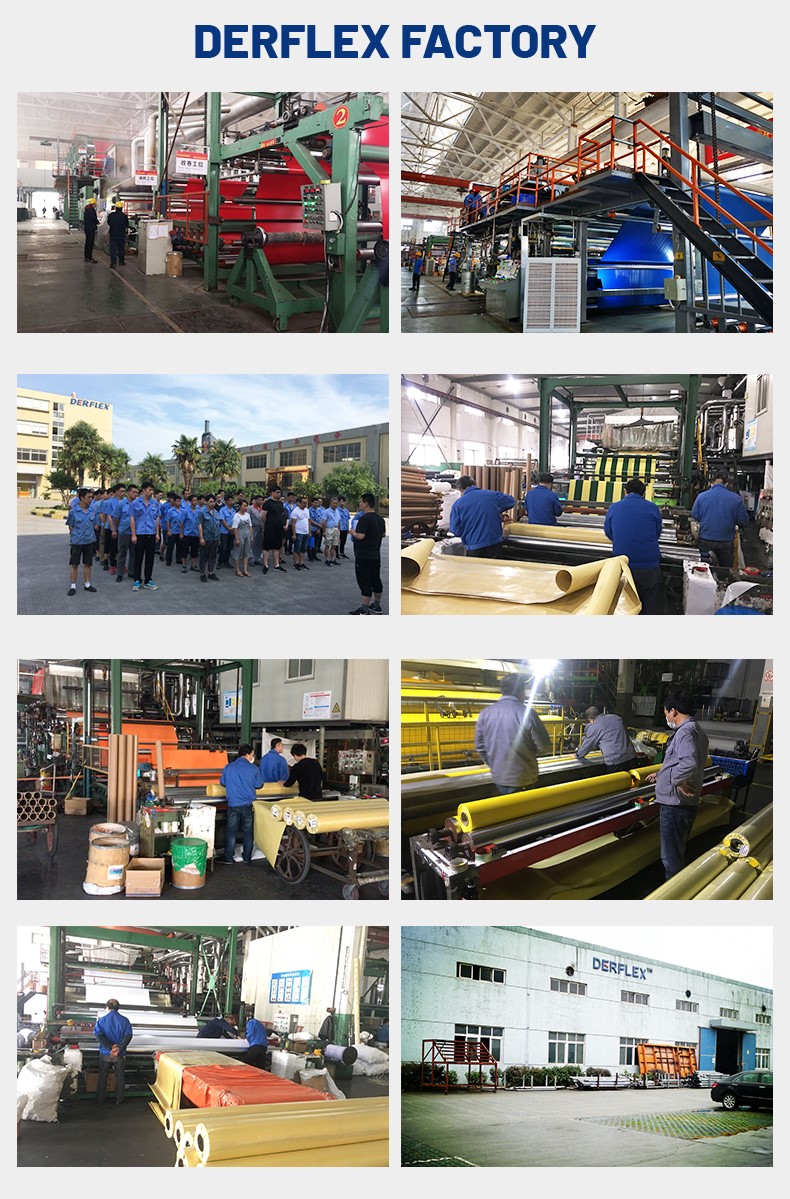
The Mock-Up Should Test the Hardest Part of the Project
A small flat swatch can approve color, but it cannot prove edge handling, substrate compatibility or large-area appearance.
1. Test the Real Substrate
Use the actual paint, laminate, metal coating, finished board or other surface that will be installed—not a convenient substitute.
2. Include Corners & Returns
Edges and recesses are common failure points. Confirm whether the selected construction is intended for face-only application or wrapping.
3. Inspect After Dwell
Check for edge lift, bubbles, visible substrate defects, grain distortion and any reaction between adhesive and the surface.
For pressure-sensitive construction examples, DERFLEX also publishes printable self-adhesive vinyl structures. Those products serve a different graphic application, but the face-film / adhesive / liner logic is useful when discussing how a self-adhesive architectural film system is built.
Seven Errors to Remove Before Bulk Ordering
The biggest project problems often start in the specification, not during shipping.
Buying “Oak” Without a Master
Wood species names are too broad. Approve color, grain scale, contrast and finish from a physical reference.
Approving Only on a Screen
Monitor color and product photography cannot confirm gloss, emboss depth, pore detail or appearance under project lighting.
Skipping Substrate Tests
Good adhesion to glass does not predict performance on painted MDF, powder coating, laminate or acrylic.
Ignoring Grain Direction
Mixed orientation across adjacent doors or panels can make one consistent material look visually inconsistent.
Comparing Roll Price Without Yield
Roll width, panel dimensions, grain direction and seam rules can change cutting waste and installed material efficiency.
Specifying Unverified Performance
Do not assume “scratch-proof,” “fireproof,” “outdoor” or chemical resistance from the material name. State the required test or service condition and confirm the selected grade.
Forgetting Repeat-Order Control
Keep the approved sample and specification record. A later order should be checked against the same visual and construction reference.
Treating Every Patterned Vinyl as Architectural Film
Decorative wall stickers and signage vinyl can use different constructions. Review DERFLEX's pattern adhesive vinyl as an adjacent cat, egory—not as an automatic substitute for an architectural finish.
Connect the Wood Finish to the Film Construction
For B2B buyers, the useful supplier discussion goes beyond a pattern catalog. It should connect visual approval, film structure, pressure-sensitive material knowledge, sample testing and repeat-order control.
PVC Film Knowledge
DERFLEX publishes a dedicated PVC film manufacturing portfolio, giving buyers a broader material basis for discussing face film, surface finish and custom requirements.
Pressure-Sensitive Material Experience
DERFLEX also supplies multiple self-adhesive vinyl constructions. Architectural grades still require their own project-specific sample and substrate validation.
Sample-First Project Control
Wood reference, grain direction, finish, adhesive behavior, roll dimensions and application details can be discussed before bulk approval.
What to Send for an Architectural Wood Grain Film Quotation
A complete project brief helps DERFLEX determine what should be sampled instead of forcing different installations into one generic specification.
Application & Surface
- Architectural element and project type
- Actual substrate and coating/finish
- Surface condition and preparation status
- Flat surface, edge wrap, corner, recess or curve
- Indoor use or any special exposure
Visual & Supply Requirements
- Wood sample, pattern code or controlled visual reference
- Matte, smooth, gloss, embossed or target texture
- Panel dimensions and grain direction
- Target roll width/length and expected quantity
- Adhesive/removal expectation for self-adhesive grades
- Required testing or project documentation
- Packaging, labeling, destination and repeat-order plan
Send three things first: the real substrate, the wood reference and the hardest geometry. Those inputs are more useful than a generic request for “high-quality oak film,” because they define whether the selected architectural surface film can be evaluated as a complete installation system.
Architectural Wood Grain Film FAQ
Direct answers to questions commonly raised during specification, sampling and procurement.
What is architectural wood grain film?
Architectural wood grain film is a decorative surface film used to create a wood-look finish on suitable interior architectural elements such as doors, panels, millwork and fixtures. The project grade should be selected around the substrate, geometry, finish, adhesive or converting route and required service conditions.
Is architectural surface film the same as furniture decorative film?
No, not always. Architectural surface film is commonly specified around finished surfaces and project installation, while furniture decorative film may also be designed for factory lamination or forming. Some constructions overlap, but the correct product depends on the converting or installation route.
Which surfaces can be wrapped with architectural film?
Smooth, stable, clean, dry and well-bonded finished surfaces are generally easier to qualify. Painted MDF, powder-coated metal, laminate, acrylic and similar surfaces should be tested using the actual project substrate. Raw porous board, loose paint, heavy texture, oil, dust or dampness require correction before film approval.
Can architectural wood grain film be applied over MDF?
It can be considered over properly finished or sealed MDF after substrate testing. Raw porous MDF is a poor direct starting surface for many pressure-sensitive applications because dust, porosity and edge absorption can interfere with reliable contact.
How should grain direction be specified for doors and wall panels?
Mark the desired direction on a project grain map and identify adjacent panels that should read as one visual group. Also record seam locations, roll orientation and any focal surfaces so cutting and installation do not create accidental pattern mismatch.
Should I choose permanent or removable adhesive?
Choose according to the expected service and refurbishment cycle, then test on the real substrate. Removal behavior can change with coating chemistry, time, temperature and surface condition, so a label such as “removable” should not replace project testing.
Is architectural wood grain film suitable outdoors?
Do not assume an interior architectural film is suitable outdoors. Exterior use requires a specifically validated construction for UV, water, temperature, edge sealing and substrate conditions. State exterior exposure at the quotation stage so the requirement can be reviewed separately.
What information is needed for a bulk architectural film quotation?
Provide the application, real substrate, panel dimensions, surface geometry, wood reference, finish, grain direction, adhesive expectation, roll requirement, quantity, service conditions, required documentation, packaging and destination. A physical sample or controlled visual reference is strongly preferred for repeat programs.
Specify the Surface Before You Specify the Wood Pattern
Send DERFLEX the substrate, element dimensions, grain reference, finish, geometry, quantity and project requirements. The next step is to narrow the film construction and sample route for the actual architectural application.