News
Industry News

Are There Clear Plastic Tarps? Clear PVC & Vinyl Tarp Guide | DERFLEX

Update:2026/9/26 19:24:24 Views:
Home / Tarp Guide / Are There Clear Plastic Tarps?
Clear Tarp Buyer Guide · Updated September 2026

Are There Clear Plastic Tarps?

Yes. Clear plastic tarps are widely available. For applications that need the best combination of see-through visibility, rain protection and flexible fabrication, the most common choice is clear PVC—also called clear vinyl tarp material. Reinforced transparent tarp constructions are also available when dimensional strength matters more than perfectly unobstructed clarity.

Quick answer

A “clear plastic tarp” is not one single material. Buyers should decide whether they need high optical clarity, reinforcement, outdoor UV resistance, low-temperature flexibility, welded seams, reinforced hems or custom grommet layouts. For patios, transparent partitions, tent windows and inspection covers, clear PVC is usually the starting point.

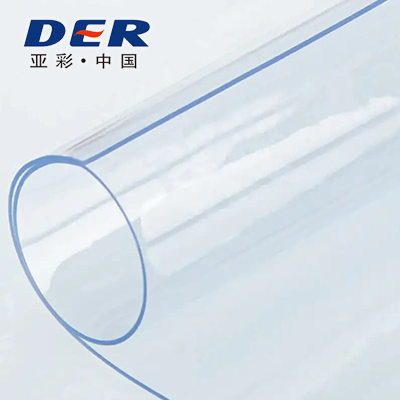
DERFLEX clear plastic tarp and transparent PVC tarp material
Visibility is only the first specification. Panel size, exposure, seams, edge reinforcement and fixing points determine how a clear tarp performs in real use.
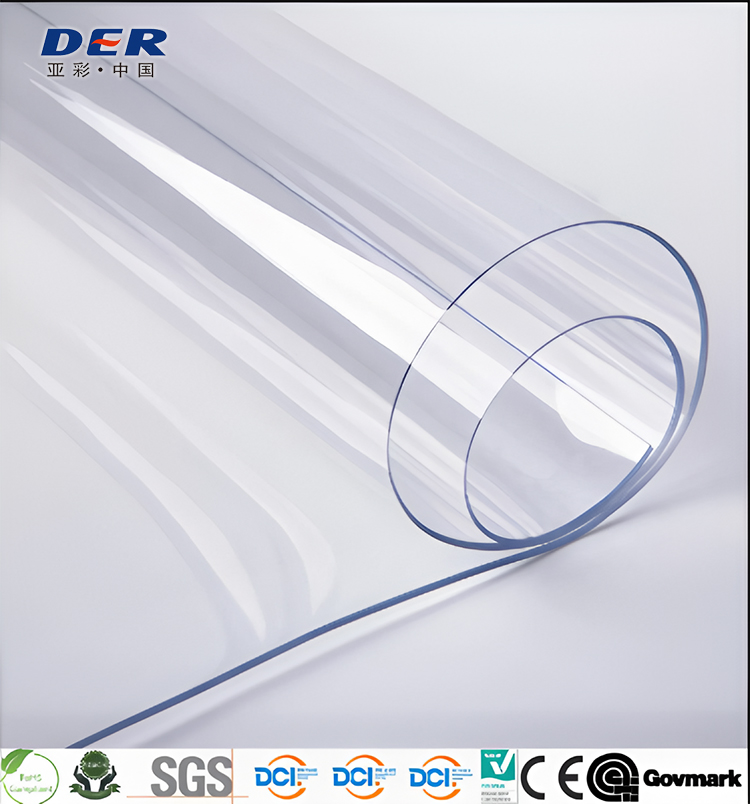
Super clear PVC film used to fabricate transparent plastic tarps and clear enclosure panels
What “clear plastic tarp” really means

Clear tarps exist—but the material family matters.

In everyday buying language, clear plastic tarp, clear tarp, transparent tarp, see-through tarp and clear vinyl tarp are often used for the same general idea: a flexible cover that protects without blocking the view.

For high visibility, the material is commonly flexible PVC or vinyl. It can be supplied as smooth transparent sheet, roll material, cut panels or fabricated tarps. When a project needs additional dimensional support, a clear or translucent reinforced construction can include a visible scrim or grid. That reinforcement can improve stability, but it also reduces the uninterrupted view.

That distinction is important for procurement. A restaurant patio curtain, greenhouse side panel, industrial viewing curtain and machinery inspection cover may all be described as “clear tarps,” but they do not necessarily need the same thickness, reinforcement, edge design or outdoor formulation.

Buyer shortcut: if the view through the panel is important, start with a smooth clear PVC / vinyl material. If the panel is large, highly stressed or repeatedly tensioned, discuss reinforcement and edge engineering before simply increasing thickness.
Three material directions

What kinds of clear plastic tarps are available?

The answer depends on how much clarity, reinforcement and fabrication flexibility the finished cover needs.

01

Clear PVC / Clear Vinyl Tarp

Smooth flexible transparent PVC is the common direction for patio enclosures, tent windows, industrial curtains, transparent covers and applications where line-of-sight matters. It can be converted with welded seams, hems, webbing, grommets and other hardware.

Explore DERFLEX clear tarps →
02

Reinforced Transparent Tarp

A reinforcement grid or scrim adds dimensional support for larger or more stressed panels. The trade-off is visual: the reinforcing structure remains visible, so it is better described as transparent or translucent rather than optically unobstructed.

03

Super Clear PVC Film

For applications where appearance and optical clarity are especially important, a super-clear flexible PVC film can be used as window or vision-panel material and fabricated into covers, curtains or enclosure systems.

See super clear PVC film →
Clear PVC vs reinforced clear PE

Which “clear plastic tarp” should you choose?

Do not compare clear materials only by price per square meter. The visible result, fabrication method and working environment are usually more important.

Decision factor Clear PVC / vinyl Reinforced transparent PE-type tarp Buying implication
Visual clarity High-clear grades can provide a cleaner view Scrim or woven reinforcement remains visible Choose PVC when people must see through the panel clearly.
Fabrication Suitable grades can be heat welded or HF welded; hems and hardware can be integrated Fabrication depends on the laminate structure and edge method Confirm the seam process before finalizing material.
Panel stability Depends on thickness, support spacing and edge construction Reinforcing grid can improve dimensional stability Large panels may need reinforcement rather than only extra thickness.
Appearance Suitable for patio curtains, windows and high-visibility barriers More utilitarian appearance Match the material to the visual expectation of the project.
Outdoor use Specify UV, anti-aging and cold-flex requirements where needed Outdoor grade and reinforcement quality must also be specified “Clear” does not automatically mean long-term outdoor grade.

For broader material selection beyond transparent tarps, compare DERFLEX PVC tarpaulin materials by coating structure, reinforcement and intended duty level.

Application decision matrix

Start with the job—not with “20 mil” or “30 mil.”

Retail listings often lead with thickness. For project purchasing, the better sequence is application → panel geometry → exposure → edge design → material thickness.

A

Patio, Porch & Restaurant Enclosures

Prioritize clean visibility, smooth surface, outdoor UV direction, flexible handling, access openings and secure perimeter fastening. Large wind-exposed panels need properly distributed fixing points.

B

Industrial Curtains & Partitions

Prioritize visibility through work areas, hanging method, abrasion zones, door or traffic openings, local reinforcement and compatibility with the chosen rail or suspension system.

C

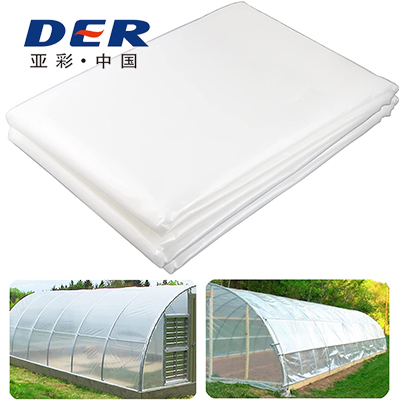
Greenhouse & Agricultural Panels

Prioritize light transmission, outdoor formulation, frame support, drainage and water shedding. A clear sheet used flat without slope can collect water even when the material itself is waterproof.

D

Equipment & Machinery Covers

Prioritize visibility for inspection, puncture zones, abrasion points, access flaps, seam placement and reinforcement around straps or hardware. Avoid pulling directly on unsupported clear film edges.

E

Tent Windows & Flexible Glazing

Prioritize optical appearance, welding behavior, shrinkage, fold marks, low-temperature flexibility and compatibility with the surrounding opaque fabric or membrane.

F

OEM / Distributor Programs

Define the approved sample standard, thickness tolerance, finished size, hem construction, grommet material and spacing, packaging method and repeat-order inspection criteria.

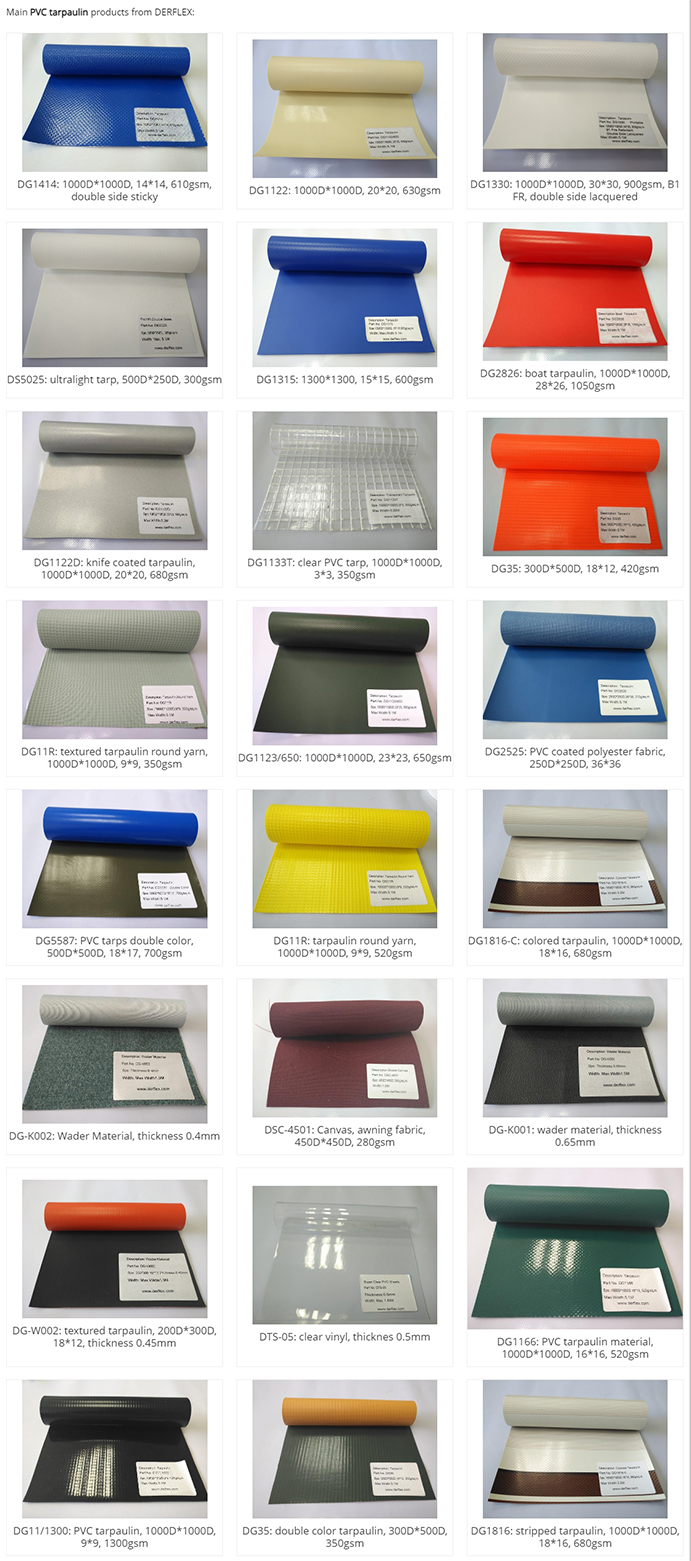
DERFLEX PVC tarpaulin material range for custom clear and reinforced tarp fabrication
Engineering notes buyers often miss

A clear sheet can still fail as a finished tarp.

Material thickness is only one part of the system. In field use, loads concentrate at seams, corners, grommets, straps, zipper openings and unsupported edges.

1. Design the water path

A waterproof plastic sheet does not automatically create a waterproof enclosure. Overlaps, welded seams, openings, slope and drainage must direct water away from the protected area.

2. Reinforce the perimeter before adding more grommets

Closer grommet spacing can distribute load, but only when the edge itself is strong enough. Webbing, welded hems, rope reinforcement, reinforced corners or wider border material may be more important than hardware count alone.

3. Treat wind as a panel-load problem

Large clear panels can act like sails. The frame, panel size, tension, fixing pattern and local wind exposure should be considered together. Do not assume a thicker sheet automatically solves poor load distribution.

4. Approve clarity under real lighting

For visible enclosures and windows, evaluate sample haze, tint, gloss, roll marks, wrinkles and reflection under the lighting conditions the end user will actually see.

Common procurement mistakes

Six ways clear tarp projects go wrong before production starts.

Mistake 01

Ordering by the word “clear” alone

Specify how transparent the panel needs to be and whether a reinforcing grid is acceptable.

Mistake 02

Using thickness as the only strength metric

Panel geometry, reinforcement, edge construction and attachment layout can dominate real performance.

Mistake 03

Ignoring long outdoor exposure

Ask for the required UV, anti-aging and cold-flex direction instead of assuming every clear material is formulated for the same climate.

Mistake 04

Placing grommets without a load plan

Hardware spacing should follow panel size, installation geometry, expected wind and perimeter reinforcement.

Mistake 05

Confusing sheet waterproofing with enclosure sealing

Water can still enter at seams, edges, access openings and low points where water collects.

Mistake 06

Skipping sample approval

For repeat programs, approve clarity, thickness, edge finish, welding, hardware and packaging before locking a bulk specification.

Clear tarp image pack

Where clear plastic tarps make the most sense.

Use them when the barrier must protect against weather, splash or dust without removing daylight or visual access.

Custom manufacturing logic

What can be customized on a clear tarp?

For B2B and project buying, the finished specification should be built around the frame, exposure and way the tarp will be handled.

01

Material & Clarity

Clear PVC / vinyl grade, transparent reinforced construction, surface appearance, tint and application-specific formulation.

02

Size & Panel Layout

Roll material, cut sheet, welded panel, finished tarp, curtain panel, viewing window or project drawing-based shape.

03

Edges & Hardware

Welded hems, webbing, rope edge, reinforced corners, grommets, D-rings, zippers, pockets and mounting details according to project needs.

For drawing-based or non-standard finished covers, review DERFLEX custom tarp manufacturing options. For the broader tarp family, use the DERFLEX tarp manufacturer hub to compare clear, PVC, mesh and other material directions.

Buyer checklist

What should you send for a clear plastic tarp quotation?

A good RFQ should define the finished job, not only say “need clear tarp.” This helps the supplier recommend the right material and reduces sample revisions.

  • Application and installation environment
  • Finished dimensions or roll size
  • Quantity and repeat-order expectation
  • Required clarity / acceptable reinforcement grid
  • Target thickness or current sample
  • Indoor or outdoor exposure
  • UV, cold-flex or FR requirements if applicable
  • Seam and edge construction
  • Grommet / hardware layout
  • Drawing, photos or frame dimensions
  • Packaging / labeling request
  • Destination country and required documentation
Related DERFLEX resources

Continue from the question to the right product page.

This page answers the material-selection question. Use the related pages below when you are ready to compare specific products and specifications.

Related questions

Clear Plastic Tarp FAQ

Direct answers to the questions buyers commonly ask before choosing a transparent tarp.

Are there clear plastic tarps?

Yes. Clear plastic tarps are available in flexible transparent materials, most commonly clear PVC / vinyl for applications where visibility and weather protection need to work together. Reinforced transparent tarp structures are also available where additional dimensional support is needed.

Are clear plastic tarps really see-through?

High-clear PVC or vinyl can provide strong see-through visibility, although optical appearance varies by grade, thickness, surface, folds and lighting. Reinforced transparent tarps contain a visible grid or scrim, so the view is less unobstructed.

Are clear tarps waterproof?

The clear PVC material itself is used as a water-resistant / waterproof barrier. Finished weather protection also depends on seams, hems, openings, slope, drainage and installation. A clear tarp should not be evaluated as a sheet alone when the project is an enclosure.

What is the best material for a clear outdoor tarp?

For high visibility, clear flexible PVC is a common starting point. Long outdoor exposure may require UV-resistant, anti-aging and cold-flexible formulation. Large or highly stressed panels may also need reinforced borders, improved support spacing or a reinforced transparent structure.

Is a thicker clear tarp always better?

No. More thickness adds body and weight, but it does not correct poor edge reinforcement, excessive panel span, bad grommet placement or water pooling. Choose thickness together with panel size, exposure and installation design.

Can clear plastic tarps be made with grommets and reinforced edges?

Yes. Depending on the selected material and project, finished clear tarps can use welded hems, webbing, rope reinforcement, reinforced corners, grommets, D-rings, zippers, pockets and other attachment details.

Do clear PVC tarps turn yellow outdoors?

Transparent plastics can change appearance with UV exposure, heat, contamination and aging. For outdoor projects, specify the required UV and anti-aging performance and approve material samples against the intended service environment.

From question to specification

Need a clear tarp built around your real installation?

Send DERFLEX the application, dimensions, quantity, required clarity, outdoor conditions and edge / hardware layout. The team can review an appropriate clear PVC, transparent reinforced or custom fabricated direction for quotation and sample confirmation.

Consulting Services
+86-021-54361792 / 54361798
Email
sales@derflex.com