


 Construction Site Tarp Selection Guide
Best Tarp for Construction Sites: How to Choose a Heavy Duty Jobsite Cover
The right construction tarp is not simply the thickest cover available. It should match the jobsite risk: rain exposure, wind load, debris, handling frequency, fastening method, fire-safety requirements and project duration.
DERFLEX supplies construction tarps and PVC coated tarpaulin materials for scaffolding protection, temporary roofing, material storage, equipment covers, debris control and OEM tarp programs. Custom weight, size, color, edge reinforcement, grommet spacing, welding method and packaging can be discussed according to the application.
For contractors, distributors and OEM buyers
Use this page to define the tarp structure before quotation, so the finished cover works for real jobsite conditions instead of only matching a catalog size.
Which tarp works best on a construction site?
For most demanding jobsites, a heavy duty PVC coated polyester tarp is the stronger long-term option because it balances waterproofing, tear resistance, welding strength, UV protection and repeated handling. For short-term coverage, PE woven tarps can be economical. For debris containment and airflow, mesh tarps are often more suitable.
Waterproof coverage
Choose solid PVC or PE structures when rain, snow, dust and moisture protection are the main risks. For temporary roofing or stored materials, overlap, slope and fastening design are as important as fabric weight.
Wind and debris control
Use reinforced edges, suitable grommet spacing, webbing, D-rings or rope hems where the tarp will be tensioned. Mesh structures may reduce wind pressure when full waterproofing is not required.
Project duration
A short repair job, a multi-month scaffold enclosure and a reusable equipment cover should not use the same tarp. DERFLEX helps buyers match material grade to the expected service environment.
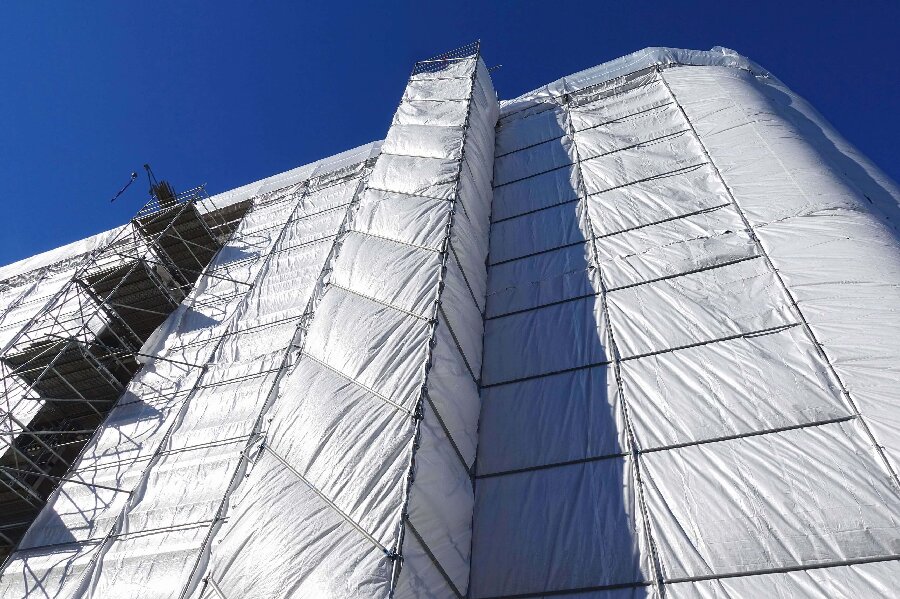
Construction tarps should be specified by use, not only by size
Construction sites combine rough handling, changing weather, sharp edges, dust, moisture and repeated installation. A tarp that works for a small ground cover may fail quickly when used as a tensioned scaffold wrap or exposed temporary roof.
- Scaffolding and facade protection: wind exposure, fastening layout and edge strength should be checked before ordering.
- Temporary roof and emergency cover: waterproof surface, welded seams and installation slope help reduce water accumulation.
- Material and equipment storage: UV, abrasion and mildew resistance help protect steel, timber, cement bags, machinery and tools.
- Debris, dust and visual screening: mesh or semi-transparent options can support airflow and enclosure needs.
- Reusable contractor covers: reinforced hems, corner patches and controlled folding performance matter for repeat jobs.
Construction tarp material comparison
A good purchasing decision starts with the application environment. The table below helps buyers compare common tarp materials for construction use.
| Material option | Best-fit construction use | Key advantages | Buyer notes |
|---|---|---|---|
| PVC coated polyester tarp | Temporary roofing, scaffolding covers, equipment covers, reusable jobsite covers, industrial storage | Strong waterproofing, weldable seams, good tear resistance, customizable weight and reinforcement | Recommended when durability, repeat use and project reliability matter more than lowest initial cost. |
| PE woven tarp | Short-term covering, ground protection, quick material cover, general rain protection | Lightweight, economical, easy to handle, available in many sizes | Suitable for temporary use; check thickness, weave density and edge quality for outdoor exposure. |
| Mesh tarp | Debris control, fence screen, dust reduction, shade, truck and dumpster covering | Allows airflow, reduces wind pressure, easier handling in large panels | Choose mesh when airflow matters; choose solid tarp when waterproofing is required. |
| Clear vinyl tarp | Temporary partitions, visibility panels, controlled work zones, weather screens | Visibility, weather shielding, custom panel use | Confirm thickness, temperature range and installation method for each project. |
Built around B2B specification, not one-size-fits-all tarps
DERFLEX supports contractors, importers, distributors, project suppliers and private label brands that need stable material supply and application-matched construction tarp programs.
Manufacturing-led supply
DERFLEX focuses on coated fabrics, PVC tarpaulin and flexible industrial textile solutions, supporting roll goods, semi-finished materials and finished tarp requirements.
Application-matched customization
Material weight, fabric structure, color, finish, welding, hems, grommets, webbing, D-rings, logos and export packaging can be specified for the target jobsite.
International project support
For overseas buyers, DERFLEX can discuss repeat supply planning, OEM labeling, packaging style, loading requirements and specification consistency for different markets.
Recommended construction tarp specification by scenario
The following ranges are practical starting points. Final selection should be confirmed by project duration, weather exposure, fastening design and local jobsite requirements.
General material storage
- Material: PE woven tarp or medium-duty PVC coated fabric
- Focus: waterproofing, UV resistance, handling convenience
- Useful details: reinforced hem, rust-resistant grommets, easy-fold design
- Typical buyers: builders, rental companies, warehouse teams, distributors
Temporary roofing and weather cover
- Material: heavy duty PVC coated polyester or heavy PE construction tarp
- Focus: waterproof surface, welded seams, high tear resistance
- Useful details: edge webbing, corner patches, dense fastening points
- Installation note: avoid water pooling and confirm secure anchoring
Scaffolding and enclosure
- Material: PVC tarp, PE scaffold sheeting or mesh tarp depending on airflow needs
- Focus: wind load, dust control, facade protection, visibility needs
- Useful details: reinforced perimeter, eyelets, tie points, panel matching
- Optional request: flame-retardant grade according to project requirement
Reusable contractor tarps
- Material: PVC coated polyester fabric for repeated outdoor handling
- Focus: abrasion resistance, folding performance, tear resistance
- Useful details: high-frequency or hot-air welded seams, D-rings, labels
- OEM support: custom color, logo print, carton label and private label packing
Details that decide tarp performance on site
Many tarp failures begin at the edges, corners or fastening points. A construction tarp should be designed as a system: base fabric, coating, seam, reinforcement and installation method.
Fabric structure
Choose yarn, weave and coating according to tear strength, abrasion and expected handling frequency.
Edge reinforcement
Reinforced hems, rope hems, webbing and corner patches help reduce stress concentration.
Fastening design
Grommet spacing, D-rings, straps and tie points should match wind exposure and installation tension.
Surface treatment
UV, flame-retardant, anti-mildew, anti-static or low-temperature options can be discussed when required.
Why jobsite covers need stronger specification control
Standard covers may be enough for brief domestic use. Construction sites usually require higher resistance to weather, repeated movement and fastening stress.
| Selection point | Standard tarp | Construction site tarp |
|---|---|---|
| Primary goal | Basic temporary coverage | Weather protection, debris control, work-zone protection and repeated use |
| Material strength | Often selected by color or size | Specified by fabric structure, weight, tear resistance and coating |
| Edge design | Basic hem and standard grommet spacing | Reinforced hem, rope hem, webbing, corner patch or custom fastening layout |
| Weather exposure | Short exposure or light outdoor use | Rain, UV, wind, dust, abrasion and handling on active jobsites |
| Procurement method | Buy by stock size | Define application, size, quantity, project duration and performance options before quotation |
Send these details for a faster construction tarp quotation
For B2B orders, the most efficient way to quote is to define the working condition first. This helps avoid under-specification, overspending and repeated sample revisions.
- Application: temporary roof, scaffold cover, equipment cover, material storage, debris control or OEM resale.
- Finished size or roll width, quantity, color and required delivery form.
- Expected exposure: indoor, outdoor, short-term, long-term, windy area, coastal area or cold weather.
- Material preference: PVC coated polyester, PE woven, mesh, clear vinyl or request DERFLEX recommendation.
- Edge details: hem width, grommet spacing, rope, webbing, D-rings, straps, corners and welding method.
- Compliance or project options: flame-retardant, UV, anti-mildew, logo printing, private label packaging or export cartons.
Internal links for buyers comparing tarp materials and applications
These related pages help customers move from general selection to material specification, OEM supply and quote-ready procurement.
Frequently asked questions about construction site tarps
These answers support buyers who are comparing tarps for project use, resale or OEM supply.
What is the best tarp for construction sites?
The best tarp depends on the jobsite task. For long-term waterproof protection and repeated use, heavy duty PVC coated polyester tarps are often preferred. For short-term general coverage, PE woven tarps can be economical. For debris containment or airflow, mesh tarps may be more practical.
Are construction tarps waterproof?
Solid PVC coated tarps and many PE woven tarps are designed for waterproof protection. However, waterproof performance also depends on seam welding, overlap, installation angle and whether water is allowed to pool on the surface.
What thickness or weight should I choose?
Light, medium and heavy grades all have a place. A temporary dust cover does not need the same material as a reusable scaffold tarp or temporary roof cover. Buyers should confirm GSM, fabric structure, coating, tear resistance and edge reinforcement rather than choosing by thickness alone.
Can DERFLEX make custom construction tarps?
Yes. DERFLEX can discuss custom material weight, finished size, color, welding method, hem, grommet spacing, webbing, D-rings, logo printing and packaging according to the buyer's application and order requirements.
Should I choose PVC tarp or PE tarp for construction use?
Choose PVC coated polyester when the project requires stronger durability, repeated handling, weldable seams and long-term outdoor protection. Choose PE woven tarps for lighter, short-term or more price-sensitive coverage. DERFLEX can recommend a structure after reviewing the working environment.
What information is needed for a quote?
Please provide application, size, quantity, material preference, target service environment, color, reinforcement details, grommet spacing, flame-retardant or UV requirements, logo needs and packaging format.
Need a quote for construction site tarps?
Send DERFLEX your application, size, quantity, material weight, color, reinforcement details, grommet spacing and packaging needs. Our team can help match the tarp structure to the real jobsite environment.