Water Barrier
Coating coverage, weld quality, seam layout and closure design all influence protection against rain, snow and road spray.



 Truck tarp selection guide and OEM supply
There is no single truck tarp that is best for every vehicle and every cargo. For repeated highway use, a correctly specified PVC-coated polyester tarp often provides a practical balance of waterproofing, tear strength, weldability, cleaning and service life.
This page helps fleet operators, truck-body builders, tarp converters, distributors and transport buyers select a heavy-duty truck cover by load geometry, route exposure, handling frequency and finished-tarp design—not by fabric weight alone.
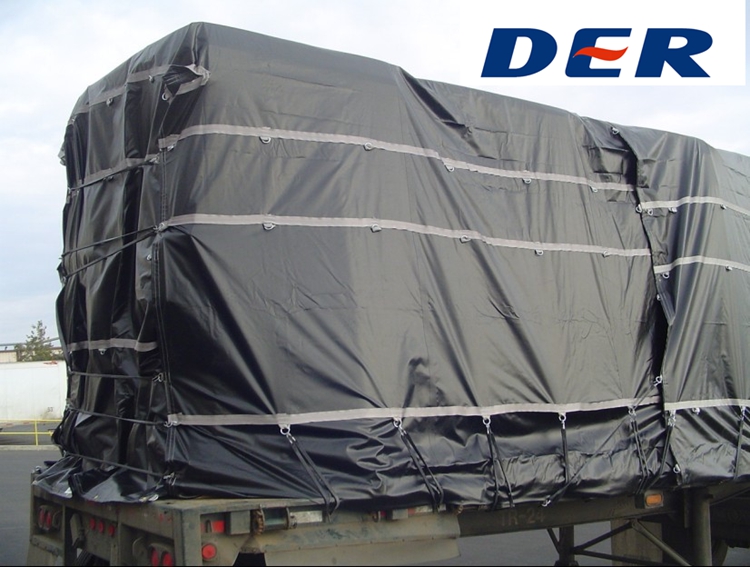
Choose coated PVC polyester for waterproof, reusable truck covers; mesh for airflow and loose-load containment; PE for temporary or low-frequency use; and canvas where breathability matters more than full waterproofing.
A low-cost sheet may cover a parked pickup for a short period, but the same material may not tolerate repeated tie-down tension, sharp cargo edges or highway wind. Conversely, the heaviest tarp is not automatically the most suitable when drivers must deploy and fold it many times per day.
The useful question is: which material and construction deliver enough protection without adding unnecessary weight, handling time or replacement cost?
Lumber, steel, machinery, aggregate and palletized freight place different demands on drop length, abrasion resistance and tarp shape.
Solid PVC is suited to weather protection. Mesh may be preferable when airflow is needed and the goal is to contain loose material.
Edges, corners, D-rings, grommets, webbing and seam lines often determine finished-cover life more than the center panel.
Higher GSM can improve durability, but it also changes folding effort, system load and daily deployment speed.
DERFLEX can support side-curtain material, shaped flatbed covers and conventional PVC truck tarpaulins. Final construction should be confirmed against the vehicle and cargo program.
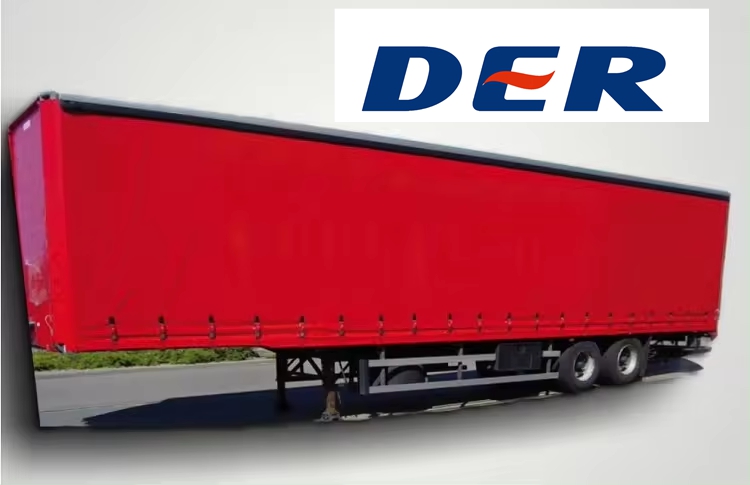
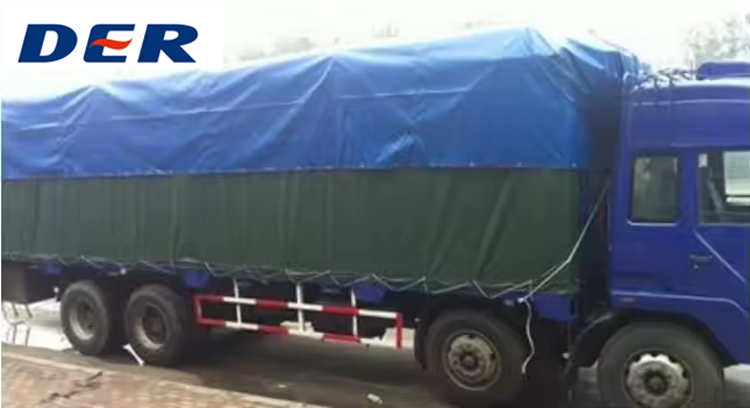
A truck tarp specification is a system. Material, finished size and reinforcement must work together through loading, transport, unloading and storage.
Coating coverage, weld quality, seam layout and closure design all influence protection against rain, snow and road spray.
The polyester scrim, yarn density and coating structure should tolerate pull loads, repeated tie-down and field handling.
Sharp edges require protectors, wear pads, extra layers or shaped construction. A heavier center panel alone may not solve edge damage.
UV exposure, cold folding, heat, mildew risk and local compliance requirements should be discussed before the coating formula is fixed.
The tarp must be durable enough for the route while remaining manageable for drivers, roll systems, curtain tracks or automated hardware.
Stable GSM, color, dimensions, hardware location and packing reduce inconsistency across fleet replacement and distributor programs.
The following guide describes typical positioning. The final choice should be validated against the load, deployment method, climate, target service life and required test standards.
| Material | Where It Fits | Key Advantages | Trade-Offs | Practical Recommendation |
|---|---|---|---|---|
| PVC-Coated Polyester | Flatbeds, trailers, lumber, steel, machinery, side curtains and reusable fleet covers. | Waterproof, weldable, cleanable, printable and available in multiple weights and finishes. | Heavier than PE or mesh; specification and reinforcement affect handling. | Frequent industrial use Often the practical starting point for long-distance and repeat-use truck tarp programs. |
| Polyethylene (PE) | Temporary covers, short-term truck-bed protection and price-sensitive general use. | Lightweight, economical and easy to replace. | Typically less suited to repeated heavy-duty folding, abrasion and long service targets. | Consider when use frequency is low and the tarp is treated as a temporary cover. |
| Canvas | Equipment or cargo that benefits from airflow and reduced condensation. | Breathable, flexible and quieter in some handling situations. | Not the first choice where full waterproofing and easy wash-down are required. | Useful when ventilation is more important than a sealed weather barrier. |
| Mesh | Dump trucks, landscape loads, waste, aggregate containment and airflow applications. | Lower wind resistance, easier deployment and ventilation. | Does not provide full rain protection for moisture-sensitive cargo. | Containment use Select by mesh strength, opening, edge construction and tarp-system compatibility. |
| Lightweight Hybrid | Flatbed covers where the top needs strong waterproof protection but the drops should be easier to handle. | Can reduce total tarp weight while retaining protection in higher-exposure zones. | Requires thoughtful material transitions and protection from sharp cargo edges. | Suitable for programs that prioritize driver handling and controlled reinforcement placement. |
Truck type provides the starting point. Cargo height, profile and edge risk determine the finished cover.
Recommended direction: reusable PVC-coated polyester with sufficient drop, reinforced hems and multiple tie-down rows.
Check: cargo variation, route weather, manual handling and whether modular tarps are easier than one large cover.
Recommended direction: full-coverage lumber tarp with larger drops, end flaps and adjustable D-ring rows.
Check: stack height, corner protection, water-sensitive surfaces and overlapping tarp sections.
Recommended direction: shorter-drop heavy-duty PVC tarp with abrasion strategy and edge protectors.
Check: sharp points, concentrated tension, rubbing during vibration and safe tie-down locations.
Recommended direction: shaped or custom truck tarp with wear pads, reinforced cut-outs and controlled excess fabric.
Check: protrusions, exhaust heat, access points, lifting eyes and transport movement.
Recommended direction: mesh or solid roll tarp according to whether containment or weather protection is the main objective.
Check: manual/electric system, roller width, bow contact, material temperature and legal containment needs.
Recommended direction: printable PVC curtain fabric engineered for repeated opening, rail movement and welded reinforcements.
Check: dimensional stability, graphics, buckle zones, lower-edge wear and cleaning chemistry.
DERFLEX can provide PVC truck tarp materials and finished-cover options across a broad specification range. Values below are selection directions rather than a universal claim for every model.
| Specification Item | Typical DERFLEX Direction | Buyer Decision |
|---|---|---|
| Structure | PVC-coated or PVC-laminated high-tenacity polyester; mesh options for ventilation and containment. | Choose according to waterproofing, strength, weldability and tarp-system requirements. |
| Fabric Weight | Approximately 550, 650, 750, 900 or 1100 gsm; custom structures can be discussed. | Balance durability and abrasion resistance against manual handling and system load. |
| Thickness | Approximately 0.45–1.0 mm depending on structure and product program. | Confirm together with coating formula, base fabric, weld method and end use. |
| Base Fabric | Custom yarn denier and weave density, including high-tenacity polyester constructions. | Use tensile, tear and dimensional requirements—not denier alone—to approve the structure. |
| Surface | Glossy, matte, lacquered, embossed, anti-slip and application-oriented finishing options. | Consider cleaning, dirt pickup, print appearance, friction and outdoor aging. |
| Performance Options | UV-resistant, cold-flexible, flame-retardant, anti-mildew, anti-static or other directions by program. | Define the target market, test method and acceptance level before production. |
| Finished Details | Welded seams, reinforced hems, webbing, D-rings, grommets, buckles, pockets, flaps and printed logos. | Provide a drawing or marked sample showing spacing and load paths. |
Finished width should cover the load width plus both required drops and allowance for securement. Finished length should cover the load length plus end protection, overlap or flap requirements. Measure the loaded cargo profile—not only the empty truck bed—and confirm whether the order size refers to cut size or finished size.
The goal is not to claim that a tarp cannot fail. The goal is to identify predictable stress before production and design around it.
Add corner protectors, wear pads or localized reinforcement instead of relying only on higher overall GSM.
Increase hem structure, webbing support and spacing accuracy; avoid concentrating excessive tension at one point.
Use an appropriate welding process, seam overlap and closure detail for the required weather-protection level.
Improve fit, remove unnecessary loose fabric and create logical tie-down rows around the load profile.
Rebalance material weight, divide large covers or use hybrid panels when daily manual deployment is frequent.
A structured approval process helps prevent misunderstanding between material performance, finished size and field installation.
Vehicle, cargo, route, climate, deployment method and target service level.
Weight, coating, surface, base fabric and optional performance direction.
Finished size, flaps, seams, hardware, tie-down rows and reinforcement zones.
Fabric or finished prototype review with agreed tolerance and acceptance points.
Batch consistency, fabrication checks, packing identification and repeat-order records.
Different buyers need different levels of fabrication. DERFLEX can discuss the supply format that fits the buyer’s equipment, local labor and distribution model.
Truck tarp material for local cutting, welding, sewing, printing and hardware installation.
Semi-finished sheets that reduce local processing steps while preserving final assembly flexibility.
Custom dimensions, reinforcement, hardware and packing developed around a defined truck/load program.
Color, logo, labels, cartons, SKU identification and repeat-order control for market-specific ranges.
These six pages connect the material, vehicle type and finished-cover decision without sending buyers to unrelated product categories.
Explore flatbed, dump, trailer, lumber, steel, coil and custom truck tarp directions.
Open-deck freight Flatbed TarpsReview cover structure for lumber, steel, machinery and general flatbed cargo.
Material selection PVC Tarpaulin for Truck CoversUnderstand coated polyester fabric, fabrication options and road-weather requirements.
Dump systems Truck Roll TarpsMatch tarp material to manual or powered roll systems used for loose-load transport.
Curtain-side trailers Truck Side Curtain TarpaulinCompare repeated movement, printing, welded reinforcements and lower-edge wear needs.
Buyer guide What Kind of Tarp Do Truckers Use?See how truckers select lumber, steel, coil, machinery, dump and mesh tarps by cargo.
Answers for fleets, logistics companies, truck-body manufacturers, tarp converters and industrial distributors.
For repeated outdoor transport, PVC-coated polyester is often a practical choice because it combines waterproofing, strength, weldability and cleanability. Mesh is better for airflow and loose-load containment, canvas for breathability, and PE for temporary or low-frequency coverage. The correct answer depends on the cargo and operating cycle.
No. Higher weight can improve durability and abrasion resistance, but it also increases handling effort and load on roll or curtain systems. The best specification provides enough strength for the route while remaining practical for deployment, folding and storage.
Truck tarp programs commonly use different weights from moderate-duty to reinforced heavy-duty structures. DERFLEX can discuss approximately 550–1100 gsm directions. Selection should consider cargo edges, trip frequency, climate, tarp size and whether the cover is manually handled or installed on a system.
Measure the actual loaded cargo length, width and height. Add the required drop on both sides, front/rear coverage, overlap or flap allowances, and space needed for securement. Confirm whether your dimensions are finished size or cut size before approving production.
DERFLEX can discuss custom sizes, welded seams, hems, webbing, D-rings, grommets, buckles, pockets, flaps, wear pads, color, printing and packaging. A drawing or approved sample should define the exact layout and acceptance requirements.
Yes. Supply formats can include coated fabric rolls, cut sheets, welded panels, semi-finished components and finished truck tarps. The appropriate format depends on whether the buyer is a converter, fabricator, fleet operator, distributor or OEM brand.
DERFLEX will use your application information to discuss a practical material, finished construction and supply format. Final performance and compliance requirements should be confirmed in the quotation and approved specification.