


Camping Tarp Guide: Shelter, Rain Fly and Ground Cover Uses
A camping tarp can work as an overhead shelter, tent rain fly, hammock cover, ground sheet, cooking-area roof or emergency weather barrier. For outdoor brands, rental camps, distributors and OEM buyers, the real question is not only how to pitch a tarp, but how to specify a fabric that fits the expected use, weight, handling frequency and weather exposure.
DERFLEX supplies PVC coated and laminated tarpaulin fabrics for camping shelters, tent components, canopy covers and custom outdoor tarp programs. We support roll goods, cut panels and finished tarp discussion with options for weight, width, color, surface finish, reinforced edges, grommets, welded seams and brand requirements.
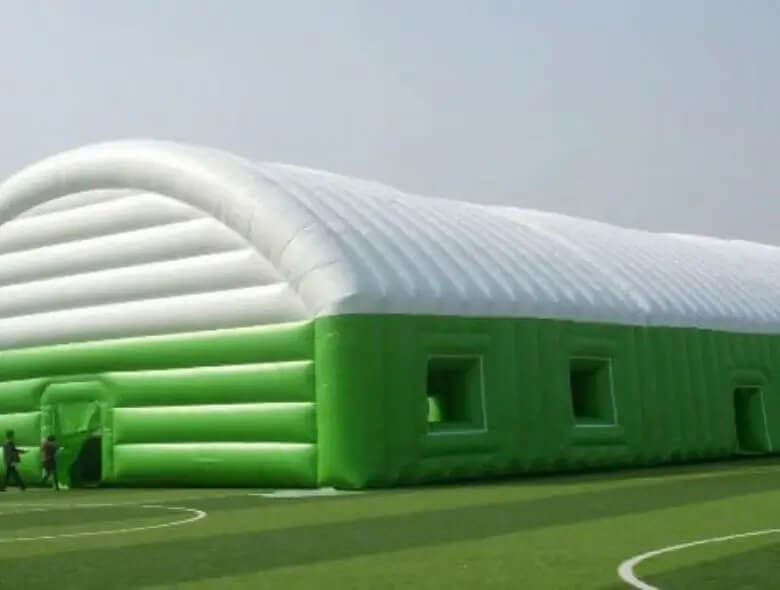
Waterproof Camping Tarp Material for Outdoor Fabrication
Designed for camping shelter suppliers, tent workshops, outdoor gear brands, campsite operators and wholesalers who need repeatable tarp fabric supply rather than one-off retail covers.
What Is a Camping Tarp?
A camping tarp is a flexible protective sheet used to manage rain, sun, wind, ground moisture and campsite layout. Unlike a shaped tent, a tarp can be pitched in many ways: high for shade and ventilation, low for wind-driven rain, sloped for drainage, or folded into configurations that combine roof and ground coverage.
For consumers, the focus is often packing weight and setup style. For B2B buyers, the selection must also consider fabric coating, tear strength, weldability, grommet spacing, edge reinforcement, cleaning, brand appearance and whether the tarp will be sold as a retail camping product, used in a rental camp or integrated into an outdoor shelter system.
Shelter Roof
A tarp creates a quick roof over tents, tables, gear, hammock zones, picnic areas and camp kitchens. A ridgeline or pole-supported pitch helps guide water away from the protected area.
Rain Fly
Used above a tent or hammock, a rain fly tarp adds a water-shedding layer while leaving room for airflow. Larger tarp dimensions and correct slope help improve coverage.
Ground Cover
Placed under a tent or sleeping zone, a ground cover reduces abrasion and helps separate the shelter floor from mud, stones, wet soil and campsite debris.
Multi-Use Camp Sheet
The same fabric can support equipment cover, privacy screen, temporary sidewall, gear station, windbreak and emergency shelter functions when properly finished.
Shelter, Rain Fly and Ground Cover Applications
Camping tarps are valued because one material can solve several outdoor problems. DERFLEX helps buyers match the tarp structure to the real field use instead of choosing by size alone.
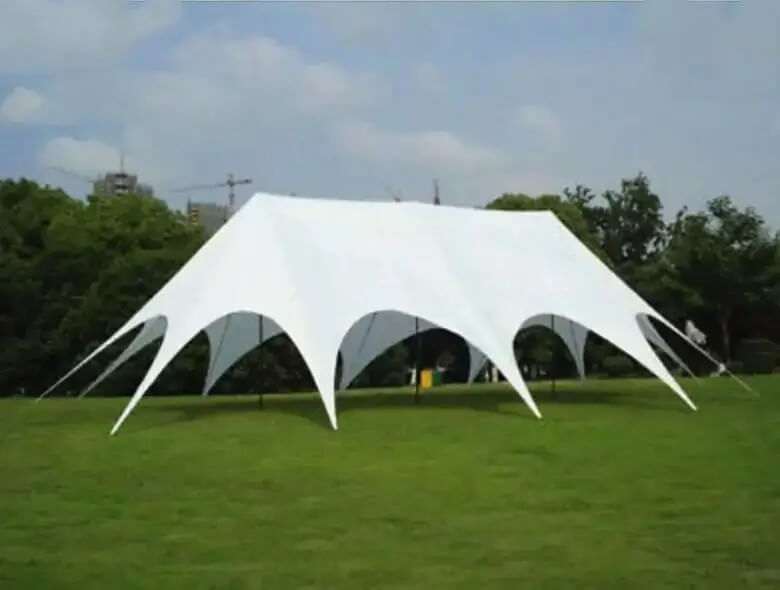
Camping Tarp Shelter
For camp kitchens, group shelters, outdoor classrooms, vehicle awnings, fishing camps and temporary rest areas. Recommended finishing may include reinforced hems, frequent tie-out points and anti-mildew options.
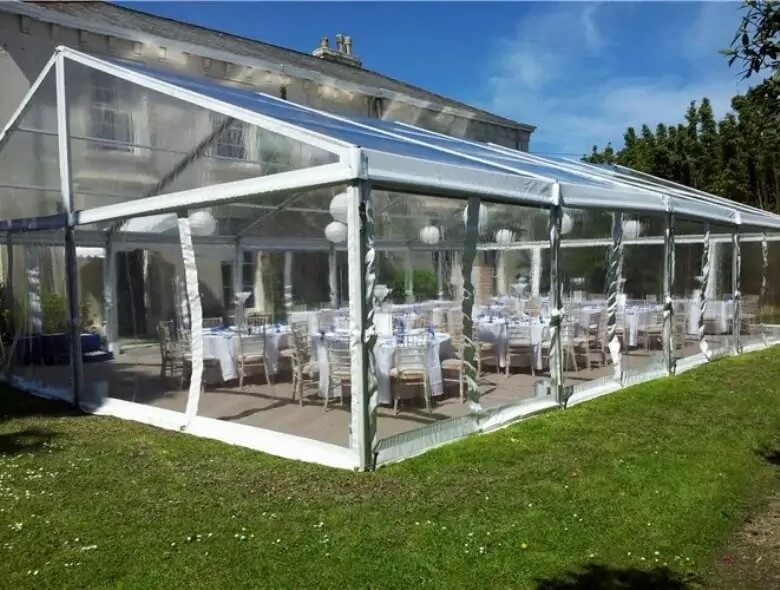
Tarp Rain Fly
For tents, hammocks and compact campsite roofs. Rain fly tarps should be pitched with enough slope, tension and coverage so water runs away from the sleeping area and entry point.
Tarp Ground Cover
For tent footprints, gear floors, picnic areas and utility mats. Ground cover tarps often need abrasion resistance, easy cleaning and a size that does not channel runoff under the tent.
How to Specify a Camping Tarp by Pitch Type
Pitch style affects the tarp shape, tie-out design, grommet layout and material stress points. These details are important for distributors and outdoor product developers.
A-Frame Shelter
A balanced roof shape for rain protection and sleeping shelters. It benefits from a strong ridgeline, reinforced centerline and stable corner pull points.
Lean-To Windbreak
Useful for shade, wind direction control and quick day-camp cover. One edge is raised and the opposite edge is pulled toward the ground.
Hammock Rain Fly
Requires enough length and side coverage to protect the hammock and suspension area. Lighter weights may be preferred for portable hammock kits.
C-Fly / Ground Combo
Combines roof and floor coverage in one pitch. It needs careful fabric selection because one section handles roof tension while another contacts the ground.
Camping Tarp Material Options for Different Buyers
Backpacking, family camping, glamping resorts and OEM outdoor programs often need different fabric balances. The table below helps connect application with specification logic.
| Application | Material Direction | Recommended Finishing | Buyer Notes |
|---|---|---|---|
| Backpacking rain fly or compact tarp kit | Lightweight coated polyester / nylon style material, or custom lightweight tarp fabric where portability is the priority. | Compact packing, multiple tie-out points, reinforced corners, stable coating and clean sewing/welding plan. | Best for outdoor brands that prioritize weight, small packing volume and frequent setup practice. |
| Family camping shelter and car-camping roof | PVC coated polyester or laminated tarp material with waterproof surface and improved handling durability. | Grommets, webbing reinforcement, welded seams, edge rope, matte or semi-matte finish and color matching. | Suitable for retail camping tarp lines, campsite shelters, camp kitchens and durable group-use products. |
| Ground cover / tent footprint / gear floor | Abrasion-resistant tarp material with easy-clean surface and stable dimensional structure. | Cut-to-size panels, hemmed edges, corner loops, waterproof coating and anti-mildew option for humid use. | The footprint should normally stay within the tent floor edge so rain does not collect and run underneath. |
| Glamping, rental camp and outdoor commercial shelter | Heavier PVC tarpaulin fabric where long-term exposure, repeated cleaning and brand appearance matter. | Welded panel fabrication, flame-retardant option, UV resistance, custom color, printing discussion and packaging support. | Designed for buyers needing consistent supply, replacement planning and customized visual identity. |
| Emergency shelter, field station and temporary outdoor cover | Durable waterproof tarpaulin material that balances tear resistance, foldability, cleaning and repairability. | Reinforced stress zones, high-frequency welded seams, eyelets, straps, repair patches and bulk packing options. | Useful for relief supply chains, outdoor storage, expedition programs and temporary worksite camps. |
Common Camping Tarp Sizes and Selection Tips
There is no single tarp size for all camping situations. A practical specification starts with the protected area, setup height, rain direction, ground conditions and expected user group.
| Approx. Size | Typical Use | Important Detail |
|---|---|---|
| 6 ft × 8 ft / small custom panel | Solo ground sheet, small gear cover, compact awning, emergency sheet | Good for compact kits; limited group shelter coverage. |
| 8 ft × 10 ft | Solo or two-person rain fly, small tent footprint, hammock cover | Often selected for portable camping sets and flexible retail SKUs. |
| 10 ft × 12 ft | Family tent rain cover, picnic shelter, camp kitchen roof | Useful balance between coverage, handling and packing size. |
| 12 ft × 16 ft and above | Group campsite, rental camp, glamping support, vehicle-side shelter | Needs more tie-out points, stronger reinforcement and careful drainage planning. |
| Custom size | OEM tarp program, branded camping kit, shelter system, outdoor project | DERFLEX can discuss roll width, cutting layout, panel welding and packaging design. |
DERFLEX vs Standard Retail Camping Tarps
Retail tarps solve immediate consumer needs. DERFLEX focuses on material and customization support for buyers who need repeatable supply and specification control.
Standard Retail Camping Tarp
- Common fixed sizes and limited material options.
- Suitable for single-user replacement purchases.
- Usually less control over coating, fabric weight, color and finishing details.
- Not always ideal for OEM packaging, branded programs or repeated project supply.
DERFLEX Custom Camping Tarp Supply
- Material specification based on shelter, rain fly, ground cover or commercial campsite use.
- Custom GSM, width, color, surface finish and performance options.
- Support for reinforced hems, grommets, welded panels, straps and custom packing discussion.
- Designed for distributors, outdoor brands, tent fabricators, campsite operators and OEM buyers.
Explore Related Tarp Materials and Outdoor Fabric Solutions
These internal resources help buyers compare camping tarp material with adjacent outdoor, tent and waterproof cover applications.
Camping Tarp Questions for Outdoor Buyers
Use these answers to guide product development, material selection and customer education for camping tarp programs.
Can one camping tarp be used as a shelter, rain fly and ground cover?
Yes, one tarp can support all three functions, but the ideal pitch and finishing may change. A rain fly needs slope and coverage, a shelter may need more height and ventilation, and a ground cover needs abrasion resistance and correct sizing.
What material is suitable for a durable camping tarp?
For lightweight backpacking, coated polyester or nylon-style materials are common. For family camping, rental camps, car camping and OEM outdoor programs, PVC coated polyester tarpaulin can offer stronger waterproofing, weldability, cleaning performance and customization options.
Should a ground cover tarp be larger than the tent?
Usually no. If the ground cover extends beyond the tent edge, rainwater can collect on the exposed tarp and flow under the tent floor. A ground cover is commonly sized slightly smaller than the tent footprint.
What finishing options should outdoor brands consider?
Common finishing options include reinforced hems, welded seams, grommets, webbing loops, corner patches, rope edges, D-rings, custom labels, repair patches and packaging according to the final selling channel.
Can DERFLEX supply custom colors and sizes?
Yes. DERFLEX can discuss custom color, width, GSM, finish, roll length, cut panels, finished tarp size and packaging based on order quantity and technical requirements.
How do I request a camping tarp material quotation?
Share the intended use, target size, fabric weight, color, quantity, finishing style, packing requirements and whether you need roll goods or finished tarps. DERFLEX will help review suitable material directions and quotation details.
Need Custom Camping Tarp Material for Your Outdoor Product Line?
Send your shelter type, target size, expected outdoor use, fabric weight, color and finishing details. DERFLEX will help you evaluate a practical camping tarp material solution for shelter, rain fly, ground cover or OEM outdoor programs.
For accurate quotation, include size drawings, application photos or existing samples when available.