


Custom PVC Tarp Rolls: What B2B Buyers Need to Know
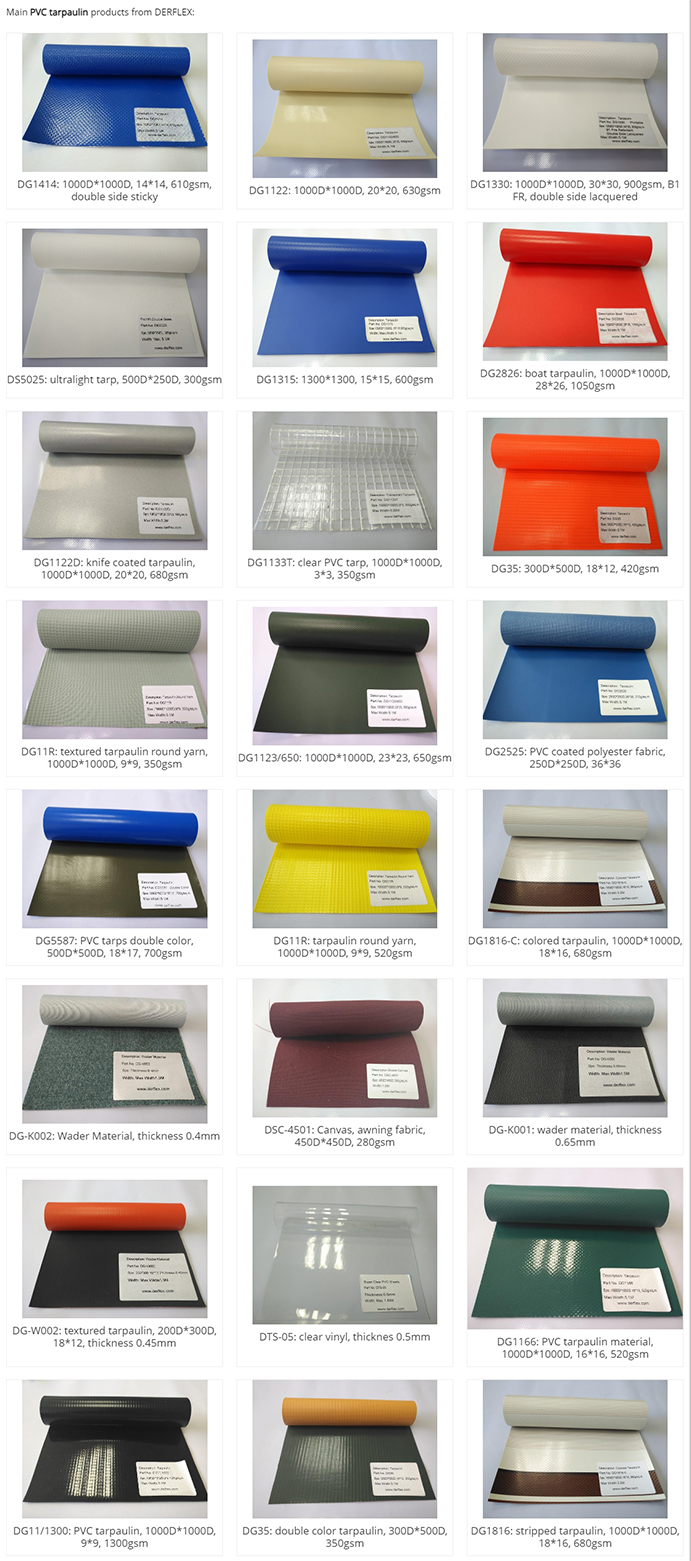
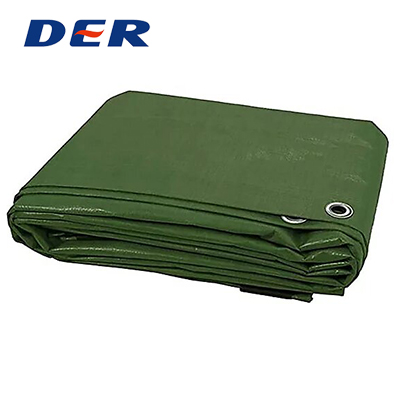
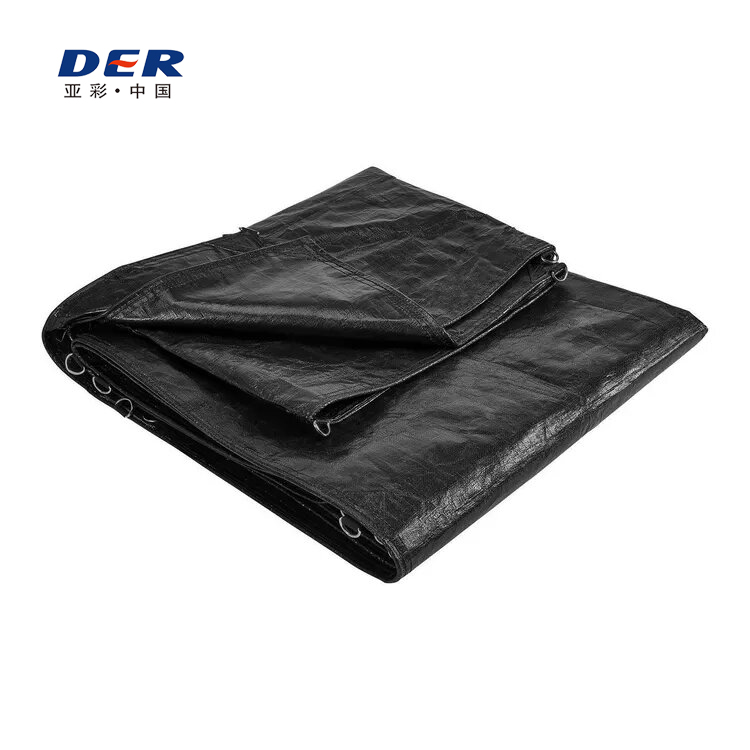
Custom PVC tarp rolls are continuous PVC-coated polyester materials specified for downstream cutting, welding, sewing, eyeleting and finished-cover production. For professional buyers, the important variables are not only roll price and color: base fabric, finished weight, width, coating structure, weldability, surface finish, functional treatment, batch consistency and export packing all affect the final product.
A PVC tarp roll is a material system, not a single commodity grade
Two rolls can have the same nominal weight and still behave differently during welding, folding, outdoor exposure and repeated handling. B2B buyers should specify the material structure and conversion requirements together.
| Specification item | What the buyer should define | Why it matters downstream |
|---|---|---|
| Base fabric | Polyester yarn structure and strength direction appropriate for the final tarp. | Influences tensile strength, tear behavior, dimensional stability and handling. |
| Finished weight | Target GSM or oz/yd² based on duty level rather than price alone. | Affects durability, flex, abrasion resistance, roll mass and freight economics. |
| Coating / lamination | Choose the production route and coating structure to suit the application. | Changes surface behavior, adhesion, hand feel, weldability and service profile. |
| Roll width | Match width to the intended cut plan, seam plan and finished product sizes. | Can reduce waste, seam count, welding time and total conversion cost. |
| Surface finish | Glossy, matte, embossed, lacquered or printable direction where applicable. | Influences appearance, cleanability, printing, blocking and market positioning. |
| Functional treatment | Specify UV, flame-retardant, anti-mildew, cold-flex or other verified requirements. | Avoids paying for unnecessary features or missing a required performance condition. |
| Conversion method | Hot-air welding, HF welding, hot-wedge welding, sewing, eyeleting or mixed fabrication. | The selected material should be production-trialed on the buyer's real equipment and settings. |
| Commercial controls | Roll labels, lot identification, packing, palletization, private label and repeat-order reference. | Supports warehouse control, reordering, claim traceability and product-line consistency. |
Choose the roll from the end product backward
A practical specification is built from duty cycle, stress, fabrication and market requirements.
Define exposure
Rain, UV, temperature, dust, repeated folding, road spray, mildew risk and storage conditions should be described before material selection.
Map stress points
Truck covers, curtains and equipment covers load the fabric differently. Identify edges, corners, tension zones and abrasion points early.
Match conversion
Tell the supplier how you cut, weld, sew, print, hem and eyelet the material. Roll selection should support the real production process.
Plan repeat orders
For distributors and OEM programs, color direction, finish, lot identification, packing and specification records matter after the first shipment.
Specify how the roll will be processed after import
Conversion is where a seemingly acceptable roll can become expensive. Welding windows, seam design, printing, sewing and eyelet installation should be considered before bulk approval.
Thermal welding
Suitable PVC-coated grades can be processed by hot-air, HF or hot-wedge methods. Actual settings depend on coating formulation, thickness and equipment.
Buyer action
Run a production trial using your real welder, seam width and speed before mass conversion.
Sewing & reinforcement
Some finished tarps use sewing together with welded sections, hems, webbing, rope edges, D-rings or corner reinforcement.
Buyer action
Share the edge and hardware drawing so material choice and finished construction are evaluated together.
Printing & marking
Brand marks, identification, technical printing and private-label requirements may need a compatible surface and controlled color direction.
Buyer action
Confirm artwork, ink/process compatibility, print area and color tolerance during sampling.
Roll width can matter more than the lowest price per square meter
A cheaper roll may create higher total cost if the width forces extra seams, unusable offcuts or slower cutting. For converters, the correct comparison is delivered material cost plus conversion yield.
Start with the finished products you manufacture most often. Map panel widths, overlap allowances and seam locations. Then compare candidate roll widths by usable yield, expected waste and fabrication time.
Width & yield review sheet
Build a batch-acceptance plan before the first container
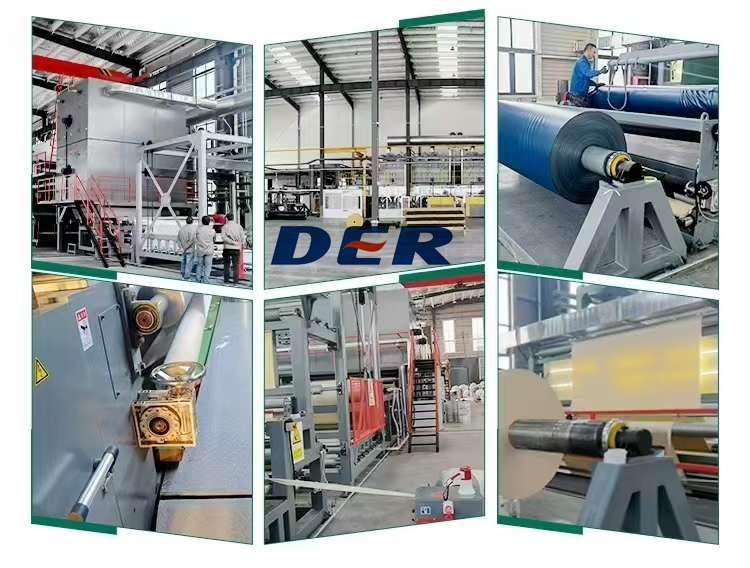
B2B buyers usually care more about repeatability than a single perfect sample. The purchase specification should define what will be checked on future batches.
| Control point | What to review | Why buyers track it |
|---|---|---|
| Width & roll length | Agreed nominal dimensions and measurement method. | Direct impact on yield, inventory and customer specification. |
| Weight / thickness | Approved target and tolerance method agreed in the purchase specification. | Helps control structure consistency and cost drift. |
| Color & surface | Reference sample, finish direction and acceptable visual range. | Important for branded programs and repeat distribution. |
| Coating appearance | Pinholes, marks, contamination, blocking, edge condition and roll presentation. | Reduces downstream rejects and appearance complaints. |
| Fabrication trial | Weld or sewing behavior using the buyer's equipment and production settings. | Confirms the roll is suitable for real conversion, not only laboratory handling. |
| Packing & identification | Core, wrapping, labels, item code, lot reference and pallet/roll marks. | Supports warehouse receiving, traceability and reordering. |
Send a specification package, not only “price for PVC tarp roll”
The more clearly the application and conversion process are defined, the easier it is to compare quotations on equivalent material rather than on mismatched grades.
Sample approval should answer five questions
- Does it process correctly? Test welding, sewing or printing on production equipment.
- Does the width improve yield? Confirm the real cutting plan.
- Is the surface acceptable? Check color, finish, blocking and appearance.
- Is the specification documented? Record the agreed structure and commercial details.
- Can it be repeated? Use the approved sample and written specification as the reorder reference.
From requirement to repeat-order roll program
Application review
Define end use, climate, handling, conversion method and market requirements.
Specification match
Align GSM, width, coating structure, surface and optional treatments.
Sample & trial
Check appearance and process the material on real fabrication equipment.
Bulk control
Confirm packing, labels, roll identification and agreed acceptance points.
Reorder reference
Keep the approved specification and sample logic for future batch continuity.
Five buying errors that raise total roll cost
Buying by GSM alone
Weight does not fully describe base fabric, coating balance, surface finish or conversion behavior.
Ignoring usable width
A poorly matched width can create more offcuts and seams than a slightly higher-priced alternative.
Skipping production trials
A visually correct sample can still behave differently on a buyer's welding or printing equipment.
Approving color without a reference
Repeat branded programs should define a sample/reference process rather than rely on screen images or verbal descriptions.
Leaving packing to the last minute
Core, wrapping, labels, pallets and roll identification affect handling, warehouse receiving and claims.
Comparing non-equivalent quotations
Two prices are not directly comparable when width, structure, finish, treatment, packing or roll length differ.
One roll platform can serve multiple converted products—if the specification fits
Continue your specification research
Use these related pages to compare the parent material, roll supply, OEM programs and finished tarp options.
Custom PVC tarp roll FAQ for B2B buyers
What should a B2B buyer specify before ordering custom PVC tarp rolls?
Start with the final application, target GSM or thickness direction, roll width, preferred roll length, color, surface finish, conversion method, functional requirements, quantity, packaging and destination. If you have a reference sample or technical data sheet, include it in the RFQ.
What GSM should I choose for a PVC tarp roll?
There is no single best GSM. The choice depends on stress, abrasion, handling frequency, required flexibility, service environment and the finished tarp design. DERFLEX currently publishes common custom roll directions around 350–1300 gsm on related roll-goods pages; the final grade should be confirmed for the specific application.
Why is roll width important when buying PVC tarpaulin in bulk?
Roll width affects cutting yield, offcut waste, seam count and fabrication time. A wider or differently matched roll may reduce total conversion cost even when its material price per square meter is not the lowest.
Can custom PVC tarp rolls be hot-air or high-frequency welded?
Suitable PVC coated fabric grades can be processed by common thermal welding methods, including hot-air and high-frequency welding. Actual compatibility depends on coating formulation, thickness, equipment and settings, so buyers should confirm the intended process and conduct production trials.
How should buyers control repeat-order consistency?
Keep an approved written specification and reference sample, define the key acceptance points, and use consistent item codes, roll labels and lot identification. Repeat-order control should cover more than color; it can include width, weight, surface finish, conversion behavior and packing.
Can DERFLEX supply both PVC tarp roll material and finished custom tarps?
Yes. DERFLEX currently presents both roll-goods supply and finished custom tarp programs on its website. Roll goods suit converters and fabricators, while finished tarp programs can include welded seams, reinforced hems, eyelets, webbing, D-rings and other project-specific details.
What information helps DERFLEX quote a custom PVC tarp roll faster?
Send the application, target weight, required width and roll length, color, finish, UV or flame-retardant requirement, welding or sewing method, estimated quantity, packaging or private-label needs, and destination market. Photos, drawings, existing samples or technical data can make specification matching more accurate.
Build the roll specification before you compare prices
Send DERFLEX your application, target GSM, width, roll length, color, surface, conversion method, quantity and destination. The goal is to compare a defined material specification—not two quotations for different products.