Emergency Roof Tarp Kits
Folded PE tarps with ropes, tie-down accessories, installation print and individual cartons for storm-damaged roofs, municipal distribution and contractor response.




DERFLEX develops disaster relief tarps for emergency roof protection, temporary shelter, relief-supply coverage, field partitions and post-storm recovery. Buyers can specify economical PE tarps, reinforced humanitarian sheeting or reusable PVC coated polyester covers in custom sizes, colors, reinforcement layouts and export packing formats.
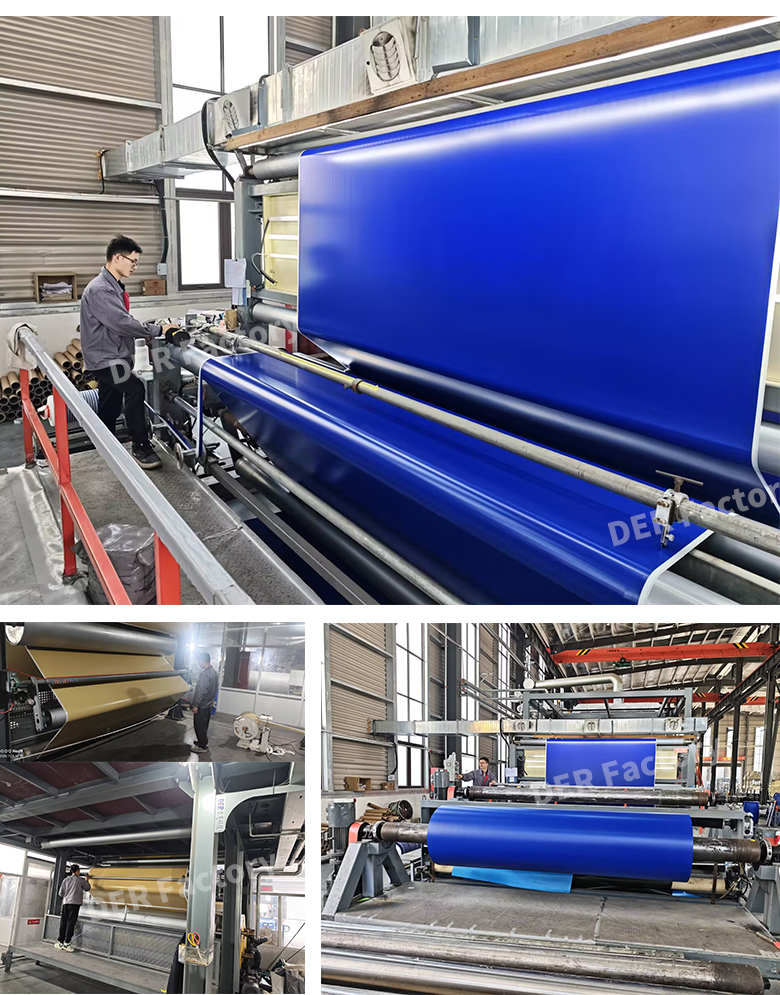
In a normal tarp purchase, size and price may dominate the decision. In disaster response, the procurement team also has to consider packed volume, unit weight, installation skill, tie-down method, labeling, pallet count, container loading, storage conditions, destination climate and the time the material is expected to remain in use.
That is why DERFLEX treats a disaster relief tarp program as a complete supply specification rather than a single stock item. A lightweight blue poly tarp may be appropriate for short-term roof coverage and rapid household distribution. Reinforced white or white-black humanitarian tarpaulin may be more suitable for temporary shelters and field partitions. Heavy duty PVC coated polyester can be selected when repeated handling, welded fabrication or longer outdoor service is required.
The right product depends on whether the priority is fast household distribution, emergency roof repair, temporary shelter construction or reusable contractor protection.
Folded PE tarps with ropes, tie-down accessories, installation print and individual cartons for storm-damaged roofs, municipal distribution and contractor response.
Reinforced tarpaulin sheets or rolls for emergency shelters, privacy partitions, ground protection and camp infrastructure, produced to the buyer's current technical specification.
Water-resistant or waterproof cover systems for food, water, medical supplies, generators, pumps, tools and temporary warehouse areas during transport and field storage.
PVC coated polyester tarps with welded seams, webbing, reinforced hems and custom fasteners for contractors, utilities, infrastructure teams and repeated recovery work.
No single tarp construction is suitable for every emergency. The table below provides a practical starting point for technical discussion; final figures are subject to sample confirmation and the agreed test protocol.
| Material Route | Typical Procurement Priority | Useful Configuration Direction | Common Applications | Buyer Considerations |
|---|---|---|---|---|
| Lightweight PE Tarp | Low packed weight, fast handling and broad emergency distribution. | Woven PE with laminated surfaces; folded sheets; reinforced perimeter; eyelets or rope-compatible edges. | Temporary roof cover, household kits, supply protection and short-duration weather shielding. | Confirm mil or gsm, weave, actual finished size, UV exposure, flame requirement and packed unit weight. |
| Reinforced Humanitarian Tarpaulin | Temporary shelter, user-friendly fixation and specification-led aid procurement. | White or white/black laminated HDPE structure; reinforced fixation bands; sheet or roll supply; project marking. | Shelter roofing and walls, partitions, camp infrastructure, ground sheets and relief logistics. | Confirm the latest drawing, band spacing, hole size, tensile and tear requirements, color, opacity and packaging rules. |
| Heavy Duty PVC Coated Polyester | Repeated handling, welding, abrasion resistance and reusable field protection. | Typically 450–900 gsm direction for relief and storm programs; heavier or lighter structures can be discussed. | Contractor roof covers, equipment protection, mobile work areas, temporary enclosures and reusable stock covers. | Higher unit weight must be balanced against service life, deployment manpower, transport volume and installation method. |
| Fire-Retardant Project Grade | Applications where a named fire test is required by the tender, building use or agency specification. | PE or PVC structures developed around the exact test method, sample conditioning and report requirements. | Occupied-building roof covers, temporary shelters, staging areas, medical support zones and controlled worksites. | “Fire retardant” is not “fireproof.” The required standard, class, laboratory and acceptance criteria must be written into the order. |
Typical ranges are presented for planning only. Finished tarp performance can change with yarn density, coating or lamination, seam method, hem construction, eyelet position, reinforcement and installation.
Disaster relief tarps are used before, during and after an event—not only as blue roof covers.
Temporary coverage for exposed roof decks, damaged shingles, openings and repair waiting periods after hurricanes, tornadoes, hail and severe storms.
Roofing, walling, privacy screens and floor protection for temporary accommodation, evacuation areas and field shelter construction.
Protection for packaged food, water, medical items, generators, pumps, tools and relief stock during staging, transfer and outdoor storage.
Temporary ground sheets, sorting zones, clean-work surfaces, barrier liners and protection during flood cleanup and material handling.
Reusable covers and temporary enclosures for power, telecom, public works, roofing contractors and reconstruction teams.
Standardized SKUs, coded cartons, pallet plans and private-label inventory prepared for storm seasons, regional warehouses and distributor programs.
Material strength alone does not determine whether a tarp performs well. Edges, attachment points, seams and packing often decide how efficiently the product can be deployed.
DERFLEX supports coated and laminated tarp material selection, finished-product processing and project packaging for buyers who need repeatable specifications rather than a one-time retail tarp.
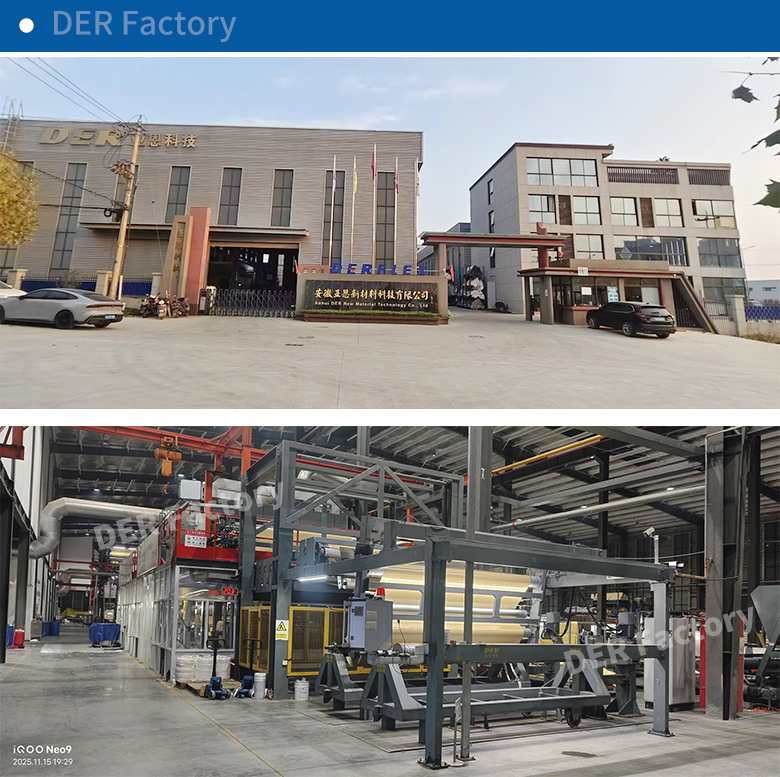
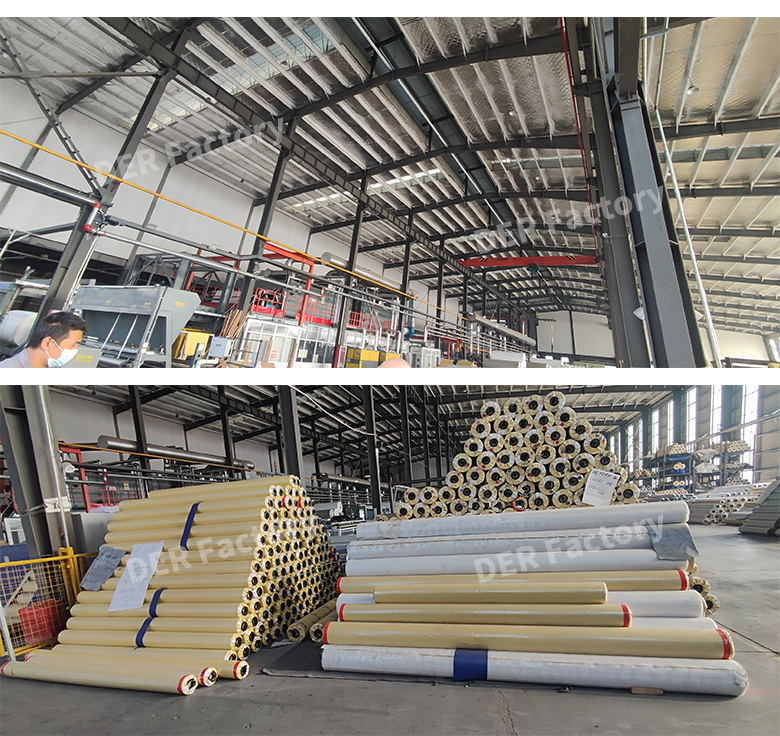

A precise RFQ reduces repeated clarification and helps the supplier match the material, finishing, packing and documentation to the actual response plan.
Roof repair, shelter, supply cover, contractor reuse, household kit or seasonal stock.
Material, gsm or mil, finished size, strength, color, UV, fire and fixation requirements.
Folded size, unit weight, accessories, carton or bale, pallet count and container objective.
Approve appearance, dimensions, reinforcement, print and the agreed performance evidence.
Finalize drawing, tolerances, inspection points, labels, batch records and shipping marks.
Emergency procurement often references a public-agency specification, named test method or historic program format. DERFLEX can review the requested document and develop a matching material direction, but approval depends on the final sample, test results, inspection method and purchasing authority.
These are illustrative planning routes, not claims about completed customer projects. They show how specifications change with response timing and expected use.
Standardize two or three tarp sizes, carton labels and pallet counts before storm season. Prioritize compact packing, clear SKU control and repeat-order consistency.
Use an approved existing specification, prioritize material availability and simplify optional customization. Confirm destination splitting and freight deadlines early.
Select heavier PVC coated polyester, welded seams and durable reinforcement when covers will be moved repeatedly across roofing, utility or infrastructure work.
These six related pages cover storm protection, roof-cover planning, material strength, waterproofing, manufacturing and fire-retardant options.
Key answers for emergency management suppliers, contractors, importers, distributors and humanitarian procurement teams.
They are used for temporary roof protection, emergency shelters, privacy partitions, ground sheets, supply coverage, equipment protection, temporary work areas and post-disaster cleanup. The material route should be selected according to deployment speed, climate, installation method and expected service time.
DERFLEX can discuss economical PE tarp structures, reinforced laminated tarpaulin and PVC coated polyester options. Availability, construction, weight, test requirements and finished-product processing are confirmed for each order.
DERFLEX can review a buyer-provided specification, drawing or tender and develop a corresponding material and manufacturing plan. The use of a program name does not itself establish approval or compliance; the current specification, sample, testing and purchasing-authority acceptance must be completed.
Please provide the application, material or reference specification, finished size, quantity, color, gsm or mil, reinforcement and fixing details, UV or fire-test requirement, print, accessory kit, unit packing, pallet plan, destination and requested delivery window.
Yes. Depending on the program, a tarp can be folded and packed with ropes, tie-down items, instruction sheets,, labels or cartons. Bundle, bale, roll and palletized packing can also be planned for bulk logistics.
PE is generally lighter and easier to distribute in large quantities, while PVC coated polyester is often selected for stronger, welded and reusable covers. The better choice depends on transport limits, manpower, target service period, weather exposure and procurement budget.
Custom color, logo print, warning text, instruction layout, batch code, SKU label, carton design and packing configuration can be discussed for distributors, emergency-supply brands and procurement contractors.
Send DERFLEX your application, size list, material target, quantity, reinforcement layout, packaging plan and required test methods. The team can review the project and recommend a practical disaster relief tarp manufacturing route.