


 Roof Tarp Material Guide
Roof Tarp Guide: Size, Material and Installation Tips
A roof tarp is often the first temporary weather barrier after storm damage, roof maintenance, renovation delay or emergency leak control. DERFLEX helps contractors, distributors and OEM buyers choose roof tarp materials that match real exposure conditions, not only a standard retail size.
This guide covers practical sizing logic, PVC and PE tarp material selection, reinforcement details, installation planning and bulk sourcing notes for professional temporary roof protection programs.
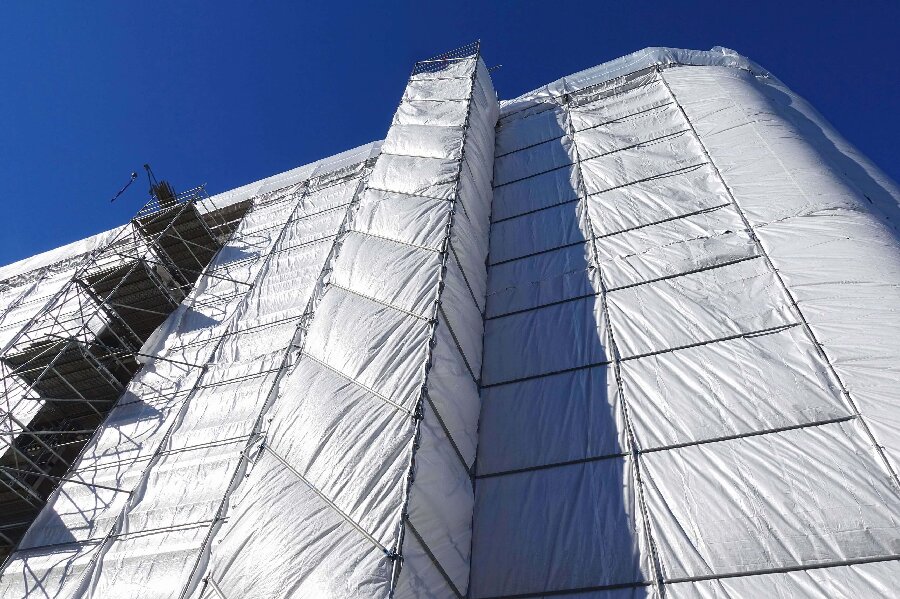
Temporary Roof Protection Built Around Material Performance
DERFLEX supplies waterproof tarpaulin materials and custom tarp solutions for storm response, jobsite roofing, temporary building covers, repair contractors, relief suppliers and private-label tarp programs.
What Is a Roof Tarp and When Should You Use One?
A roof tarp is a temporary protective cover installed over damaged or unfinished roof areas to reduce rain entry, debris exposure and secondary water damage until a permanent repair can be completed. It is not a replacement for roofing work, but it can be an important short-term protection layer when the roof cannot be repaired immediately.
Common use cases include hurricane and storm response, missing shingles, damaged roof decking, construction projects waiting for roofing completion, temporary waterproofing during renovation, warehouse roof leaks and emergency cover kits prepared before seasonal weather events.
For professional buyers, the real question is not only “What size tarp do I need?” It is also whether the material can handle pulling tension, edge fastening, UV exposure, repeated folding, wind uplift, surface abrasion and export storage before use.
How to Choose Roof Tarp Size Without Under-Covering the Damage
A tarp that only matches the visible hole is usually too small. Roof tarp size should include the damaged area, water path, secure overlap and anchoring margin.
Measure the Actual Damage Zone
Measure the exposed or leaking section from the safest possible position. Include damaged shingles, punctures, loose flashing, exposed underlayment and areas where water may travel underneath roofing layers.
Add Overlap for Water Control
Add several feet of extra coverage beyond the damaged area. When the damage is close to the ridge, the tarp may need to extend over the peak so water cannot run underneath from above.
Plan for Fastening, Not Only Coverage
Allow enough extra tarp around the edges for wrapping around anchor boards, securing grommets, folding corners and tensioning the cover without overstressing the material.
| Roof Tarp Scenario | Typical Size Direction | Material Direction | Buyer Notes |
|---|---|---|---|
| Small leak or missing shingle area | Damage area plus enough overlap for secure edge fixing | Economical PE or medium-duty PVC coated polyester | Good for short-term emergency coverage while waiting for inspection or repair. |
| Storm-damaged residential roof section | Large finished tarp such as 20 x 30 ft direction, adjusted by roof shape | Reinforced PE for short-term use or PVC for stronger programs | Useful for emergency stock, contractor kits and relief supply programs. |
| Large affected roof area | Oversized tarp or multiple tarps with controlled overlap | Heavy-duty PVC coated polyester, reinforced laminated tarp or custom PE | Pay attention to seam position, wind uplift and water flow direction. |
| Construction roof or unfinished building cover | Project-specific custom size based on bay width and fixing points | PVC coated polyester with welded seams and reinforced hems | Better suited for repeated handling, site exposure and customized installation systems. |
| Distributor or OEM roof tarp program | Standard retail sizes plus private-label custom sizes | PE, laminated tarpaulin or PVC coated polyester by price tier | Confirm packaging, labels, pallet quantity, color, grommet spacing and reorder consistency. |
Roof Tarp Material: PE, PVC Coated Polyester or Reinforced Custom Fabric?
The best material depends on how long the tarp will stay outside, how it will be fixed, how much wind it may face and whether the buyer needs a low-cost emergency item or a durable B2B product line.
| Material Type | Good Fit | Advantages | Limitations to Consider |
|---|---|---|---|
| PE Woven Roof Tarps | Short-term emergency cover, household repair, quick disaster stock | Lightweight, economical, easy to fold, suitable for large quantity emergency kits | Shorter outdoor service life under harsh UV, abrasion and repeated fastening stress. |
| Reinforced Laminated Tarps | Mid-range storm protection, relief supply, temporary building covers | Better tear resistance than light PE, practical balance of cost and performance | Specification should be checked carefully for edge strength and coating stability. |
| PVC Coated Polyester Roof Tarps | Contractor tarps, repeated use, construction roofing, industrial roof cover, OEM programs | Waterproof coating, strong polyester base fabric, weldable seams, UV options and custom finishing | Higher material cost than PE, but often better for demanding or repeat-use applications. |
| Flame-Retardant Options | Public jobsite, scaffolding, regulated project, temporary enclosure near work zones | Can be developed when the project requires a defined fire-safety direction | Target standard should be confirmed before production and quotation. |
| Custom OEM Roof Tarps | Distributors, emergency contractors, importers, private-label tarp brands | Custom size, color, GSM, printing, label, carton, grommet spacing and edge reinforcement | Needs clear specification sheet and sample confirmation before bulk production. |
Roof Tarp Installation Tips for Better Temporary Protection
Installation should follow local safety rules and be handled by qualified personnel when roof access is risky. The points below are practical planning notes for material buyers and project teams.
Wait for Safe Conditions
Do not work on a wet, windy or unstable roof. When possible, inspect from the ground, a ladder or a safe platform before anyone accesses the roof surface.
Start Above the Damage
Position the tarp from the higher side of the leak path so rainwater flows over the cover instead of running underneath it.
Keep the Tarp Smooth and Tensioned
Wrinkles and loose pockets can collect water or catch wind. Keep the tarp firm, but avoid over-tensioning grommets, hems or seams.
Use Edge Reinforcement
Anchor boards, reinforced hems, webbing, rope edges or well-spaced grommets help distribute load and reduce tearing around fixing points.
Handle Vents and Chimneys Carefully
Roof features such as chimneys, vents and skylights need special detailing. Avoid creating unsafe blockages and seal edges based on project guidance.
Inspect After Wind or Rain
A temporary roof tarp should be checked after weather changes. Look for loose fasteners, torn edges, pooling water and areas where water may enter.
DERFLEX Roof Tarp Programs for Bulk Buyers and Custom Projects
DERFLEX is different from a standard retail tarp seller. We support material selection, roll goods supply, finished tarp fabrication and OEM packaging for buyers who need repeatable quality and project-specific roof protection products.
Available directions include economical PE emergency tarps, reinforced laminated covers, PVC coated polyester tarps, welded seams, reinforced hems, eyelets, webbing, rope edges, logo printing and private-label packaging.
What to Confirm Before Sourcing Custom Roof Tarps
A clear specification reduces sampling delays, wrong material selection and failure at the fixing points. Use this list when sending an inquiry to DERFLEX.
Material Weight and Structure
Confirm PE or PVC, fabric base, GSM, thickness direction, coating type, lamination structure and target service environment.
Waterproof Details
Ask for welded seams, reinforced edges, proper overlap and suitable fastening design when water resistance is the main requirement.
UV and Weather Exposure
Outdoor roof covers need UV-stabilized material direction, especially for regions with strong sunlight or long repair waiting periods.
Fastening Layout
Define grommet spacing, corner patches, webbing, D-rings, rope edge or board-wrapping allowance according to installation method.
Packaging and Stock Plan
For emergency supply programs, confirm folding method, carton size, label, barcode, pallet quantity and seasonal reorder schedule.
Compliance Direction
If the tarp is used for public projects or regulated sites, confirm flame-retardant or other test requirements before production.
Why Contractors, Importers and OEM Buyers Work with DERFLEX
Roof tarp buyers often need speed, but speed should not come at the cost of repeatability. DERFLEX supports buyers from material design to scalable supply.
Factory-Direct Material Understanding
DERFLEX manufactures and supplies coated tarpaulin materials for industrial applications. This makes it possible to discuss roof tarp performance from the fabric structure, coating, weldability, reinforcement and end-use environment.
Custom Finished Tarp Support
For B2B programs, DERFLEX can support finished tarp production with custom dimensions, hems, eyelets, ropes, webbing, welded seams, colors, printing and packing. This is useful for relief suppliers, contractors, rental companies, importers and private-label brands.
Application-Based Recommendation
Instead of only quoting one standard material, DERFLEX can help compare PE, laminated tarpaulin and PVC coated polyester based on the expected service time, exposure, handling frequency and target cost.
Continue Comparing Roof Tarp Materials and Tarp Applications
These internal links help buyers move from roof tarp sizing to material comparison, storm protection, construction use and factory-direct supply.
Need Roof Tarps for Emergency Stock, Contractor Supply or OEM Packaging?
Share your application, size list, target material, quantity, reinforcement requirement and packaging plan. DERFLEX can recommend a suitable roof tarp material route and provide quotation support for your project.
Roof Tarp Questions from Buyers
Answers for contractors, distributors, importers and private-label tarp buyers comparing temporary roof protection products.
What size roof tarp should I choose?
Choose a tarp larger than the damaged area so it can extend beyond the leak path and still leave enough material for anchoring. For ridge-area damage, the tarp may need to go over the roof peak to reduce water entry from above.
Is PE or PVC better for roof tarps?
PE is economical and suitable for short-term emergency cover. PVC coated polyester is stronger, more abrasion resistant, weldable and better suited for repeated use, contractor programs, construction roofing and industrial roof cover applications.
Can DERFLEX make custom roof tarps?
Yes. DERFLEX can support custom roof tarps by size, material weight, color, coating, welded seams, reinforced hems, grommets, webbing, rope edges, logo printing, labels and export packaging.
Are roof tarps waterproof?
Waterproof performance depends on the material, seam construction, overlap, fastening method and installation quality. DERFLEX can supply waterproof coated tarpaulin materials and recommend welded seams and reinforced details for demanding applications.
How long can a tarp stay on a roof?
A roof tarp is a temporary protective measure. Service time depends on material grade, UV exposure, wind, fastening design, roof condition and weather. Permanent roof repair should be arranged as soon as practical.
What information is needed for a roof tarp quotation?
Please provide application, tarp size list, quantity, material preference, GSM or thickness direction, color, UV or flame-retardant requirement, grommet spacing, reinforcement design, printing and packaging needs, destination and target delivery schedule.
Safety note: roof tarp installation can involve fall hazards, unstable surfaces and electrical or structural risks. Follow local safety guidance and use qualified personnel when roof access is unsafe.