Specification Review
Discuss thickness, transparency, print or shading pattern, roll size, color direction, application system and expected documentation before order confirmation.




DERFLEX supports architects, façade contractors, membrane fabricators and project procurement teams with ETFE film for transparent roofs, skylights, façades and pneumatic cushion envelopes. The focus is not simply to quote a roll: it is to clarify the material, visual, processing and documentation requirements that influence a successful building-envelope purchase.
A project-ready supplier coordinates film thickness, optical direction, surface pattern, roll configuration, batch inspection, packing and technical documents. Final suitability must still be confirmed by the project engineer, fabricator and local approval process.
ETFE membrane is a transparent or translucent fluoropolymer film used in lightweight architectural skins. It may be tensioned as a single layer, welded into pneumatic cushions or integrated into framed façade and skylight systems. Unlike a conventional coated textile, ETFE is a non-woven film, so the finished performance depends on the selected film grade as well as panel geometry, welding, edge details, clamping, inflation control and structural engineering.
For this reason, DERFLEX organizes sourcing around the project decision chain. Early conversations should identify daylight goals, shading strategy, film stress, panel size, environmental exposure, fire-documentation route, maintenance access and fabrication method. That information creates a more reliable specification path than choosing by thickness or unit price alone.
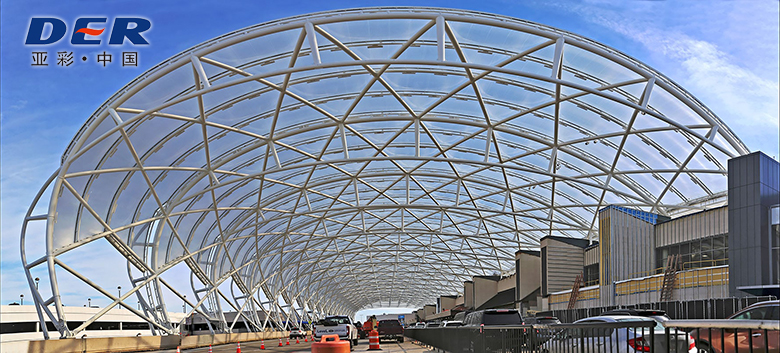
China sourcing becomes more effective when product communication is tied to drawings, fabrication and delivery rather than broad material claims.
Discuss thickness, transparency, print or shading pattern, roll size, color direction, application system and expected documentation before order confirmation.
Use an approved reference sample or written acceptance standard to reduce differences in optical appearance, print coverage and thickness expectations.
Confirm whether the receiving partner will weld panels, fabricate cushions or install single-layer foil so the supplied format matches downstream processing.
Identify required TDS, test data, packing records and project-specific certificates at the RFQ stage; availability depends on material grade and order route.
Review core, wrapping, edge protection, moisture protection, roll identification and container-loading plan to reduce transport damage and handling errors.
MOQ, lead time, inspection scope and payment terms are confirmed after the film specification and production route are understood.
Different envelope concepts require different optical, fabrication and structural decisions.
For lightweight roof or façade zones where one film layer is tensioned within a designed frame or cable-supported system.
For two- or three-layer cushions where welded foil panels are maintained by controlled air pressure.
Dot, frit or project-based print layouts may be discussed to influence shading, glare, solar gain and visual identity.
Color and translucency directions can be evaluated for façade identity, daylight diffusion or illuminated nighttime effects.
This table is a communication guide, not a substitute for a project datasheet, structural calculation or local-code review.
| Selection Item | Common Discussion Direction | What the Buyer Should Confirm |
|---|---|---|
| Material | ETFE fluoropolymer film for architectural envelope use | Exact resin/film grade, intended use, technical data and supply route. |
| Thickness | 100 μm, 150 μm, 200 μm and 250 μm are common project discussion points | Stress calculation, panel dimensions, system type and engineering approval. |
| Appearance | Clear, translucent, tinted or printed | Approved sample, color tolerance, haze, print artwork and viewing conditions. |
| Light Transmission | Clear film may reach high visible-light transmission, potentially around 90–95% | Thickness, grade, pigment, print coverage and test method; do not use a generic value for final design. |
| System Type | Single-layer tensioned foil or multi-layer pneumatic cushion | Frame, cable, clamping, welding, inflation, drainage and maintenance concept. |
| Surface Pattern | Project-based frit, dot or shading pattern may be discussed | Artwork file, ink/pattern route, registration tolerance, optical target and sample approval. |
| Roll Format | Width, length, core and packing are confirmed by order route | Fabrication equipment, panel nesting, handling limits and container plan. |
| Performance Documents | TDS and available test information can be reviewed by specification | Required standard, report validity, sample identity and acceptance authority. |
| Service-Life Planning | ETFE is selected for long outdoor exposure and can support multi-decade design concepts | Local climate, film grade, stress, detailing, installation, maintenance and system warranty terms. |
| MOQ & Lead Time | Confirmed after thickness, appearance, printing and quantity are defined | Prototype volume, production batch, document scope, packing and shipment date. |
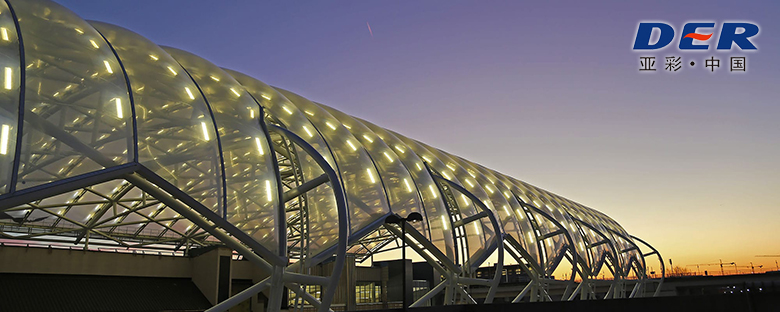
Architects usually compare transparency, haze, print layout, color, panel rhythm and the visual relationship between the foil and supporting structure.
Façade and membrane contractors focus on welding behavior, panel fabrication, clamping details, roll handling, cushion geometry and installation tolerances.
Owners and developers evaluate initial cost together with structural weight, daylight, cleaning, maintenance access, energy strategy and replacement planning.
Distributors and OEM buyers need repeatable supply, package labeling, batch records, commercial clarity and consistent communication across recurring orders.
Send Drawings or a Material BriefThe correct material and system must be selected against structural, thermal, acoustic, fire, weather and maintenance requirements.
Transparent or translucent roof areas where low envelope weight, daylight and expressive geometry are important to the venue concept.
Large public circulation spaces that require bright covered areas, coordinated drainage and carefully planned maintenance access.
Skylights and atrium roofs where a lightweight transparent envelope can support interior daylight and commercial-space identity.
Projects where high daylight is central, while thermal strategy, condensation, ventilation and crop or plant needs must be assessed.
Single-layer or cushion façades with clear, printed, tinted or illuminated visual directions for landmark and public architecture.
Lightweight weather covers and feature structures where the frame and foil are developed together for the intended span and exposure.
A structured workflow helps prevent a visually acceptable sample from becoming an unsuitable production order.
Review drawings, application, area, system type, thickness direction, appearance and destination-market needs.
Confirm a physical or documented reference for transparency, color, print, thickness and surface expectation.
Finalize quantity, roll configuration, tolerances, inspection points, documents, labeling and packing.
Review agreed parameters such as dimensions, appearance, identification and available performance data.
Coordinate core support, wrapping, edge protection, roll marks, packing list and container-loading requirements.
No single envelope material is automatically suitable for every building. Use the project priorities to shortlist the system.
Often selected when transparency, low envelope weight and free-form roof or façade expression are central.
Often selected where rigid glazing appearance, acoustic mass and conventional curtain-wall integration are priorities.
Often selected for opaque or translucent tensile roofs, canopies and shade structures rather than glass-like transparency.
Confirm the intended film grade and application. “ETFE film” may also be sold for release, electrical, solar or industrial processing applications with different requirements.
Ask whether transmission, haze or color information applies to the thickness, pigment and print coverage being quoted.
Clarify thickness, width, length, print alignment, color and appearance tolerances that will be used during acceptance.
Roll format, core, panel yield and handling should suit the welding or installation workflow of the receiving company.
Request the document list before ordering. A generic brochure is not equivalent to a test report associated with the selected material route.
Thin transparent films can be affected by edge damage, pressure marks, contamination or poor roll handling. Review packing and unloading instructions.
Six related internal pages connect ETFE procurement with material, system and comparison guidance.
Concise answers for architects, contractors, fabricators, importers and project procurement teams.
DERFLEX provides project-oriented ETFE membrane and architectural-film supply from China, supporting thickness, appearance, roll configuration, sample review, quality communication, packing and export coordination. The exact production and documentation route should be confirmed for the selected specification.
Common architectural discussions include 100 μm, 150 μm, 200 μm and 250 μm film. The final thickness must be selected against panel size, stress calculation, system type, wind and snow loads, fabrication method and project engineering.
ETFE film can be discussed for two- or three-layer pneumatic cushion applications. Cushion geometry, welding, inflation pressure, air-supply equipment, structural frame and control strategy are designed by qualified system specialists.
Printed dot, frit or project-based patterns may be discussed. Print coverage affects daylight, solar gain, appearance and optical values, so artwork review and physical sample approval are recommended before production.
Clear ETFE film can provide very high visible-light transmission, potentially around 90–95% for certain film directions. The actual value depends on grade, thickness, pigment, print coverage and test method and should be confirmed in technical data.
Fire behavior must be described by the applicable test standard and the exact film or assembly. Do not rely on the word “fireproof.” Ask for the relevant test information and have the project consultant review compliance with local requirements.
ETFE is commonly selected for long-term outdoor architecture and may support multi-decade design planning. Actual life depends on film grade, stress, detail design, installation, climate, maintenance, damage exposure and system operation; project warranty terms should be confirmed separately.
Send the application, drawings if available, project area, thickness direction, clear or printed appearance, system type, roll preference, required standards, quantity, destination and target delivery schedule.
This page focuses on ETFE membrane material supply and procurement support. Confirm the required scope—film only, fabricated panels, cushion system or complete installation—before quotation so the correct parties and responsibilities are identified.
Share your drawings, application, area, thickness direction, appearance, cushion or single-layer plan, destination market and document requirements. DERFLEX will use that information to discuss a more relevant material and commercial route.
*All technical values and application descriptions are general selection guidance. Final specifications, compliance, structural design and installation approval remain project-specific.