News
Industry News

Extra Heavy Duty Tarps Guide | Materials, GSM & Buying Tips

Update:2026/7/12 9:35:19 Views:
Industrial tarp materials & custom cover programs
Industrial Buyer’s Engineering Guide

Extra Heavy Duty Tarps Guide

Select a tarp by its material structure, load path, reinforcement and operating conditions—not by a “heavy duty” label alone. This guide helps importers, contractors, fleet operators and industrial buyers turn a general request into a workable tarp specification.

PVC, PE, canvas and mesh comparison Failure-mode selection method OEM reinforcement and finishing options
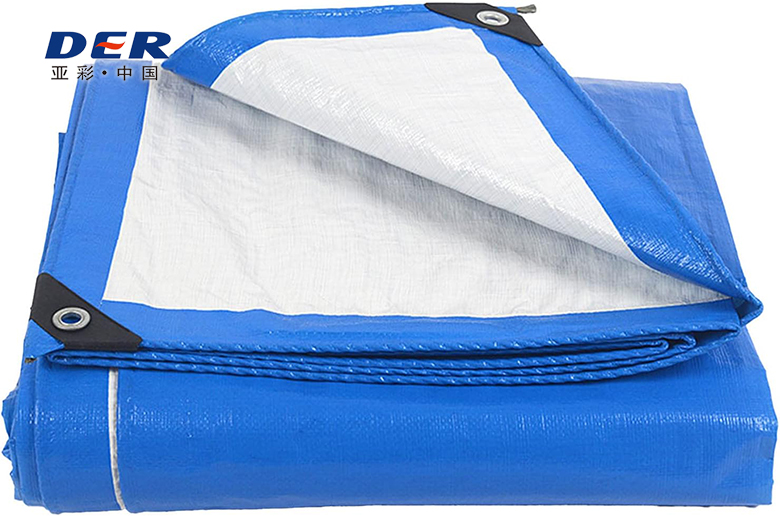
Product Image Display DERFLEX reinforced extra heavy duty tarp with reinforced corners and grommets
Reinforced tarp construction for demanding use Material, hem design, corner reinforcement and fixing layout should be confirmed together for the intended load and exposure.
Quick Answer

What makes a tarp “extra heavy duty”?

An extra heavy duty tarp is a reinforced protective system intended for demanding weather, handling or mechanical stress. It normally combines a stronger base fabric, a durable coating or laminate, reliable seams, reinforced edges and attachment points matched to the installation method.

Weight and thickness matter, but they are only part of the decision. A well-selected 750 gsm PVC coated polyester tarp with engineered webbing and corner patches may perform more predictably in repeated industrial use than a heavier sheet with weak hems or poorly positioned eyelets.

A Four-Part Definition

Extra heavy duty performance comes from the whole load path

A tarps survives when force is distributed from the fabric body through the seams, hems, corners and fastening points without creating an early failure zone.

01

Structural Fabric

High-tenacity polyester or reinforced woven polyethylene carries tensile load. Yarn denier, weave density and fabric balance influence dimensional stability and tear behavior.

02

Protective Surface

PVC coating or PE lamination provides water resistance and protects the textile. Formulation affects UV stability, cold flexibility, abrasion behavior and weldability.

03

Reinforced Perimeter

Double hems, webbing, rope edges, corner patches and local wear panels help spread tie-down forces instead of concentrating them at a thin edge.

04

Installation Design

Correct size, slope, tension, grommet spacing, D-rings, straps and edge protection determine whether the finished tarp works under wind and repeated handling.

Illustrative duty labels vary by market. The final grade should be confirmed through specification, sampling and application review rather than a universal “extra heavy duty” threshold.
Material Decision

PVC, poly, canvas or mesh: choose by failure risk

Each material family solves a different problem. The strongest option on paper may not be the most practical option for the job.

Material family Where it is usually strongest Points to verify Suitable buyer profile
PVC coated polyester Repeated industrial handling, truck covers, welded covers, machinery protection, construction and long-term outdoor programs. GSM, base fabric, coating adhesion, UV package, cold-flex target, seam method, abrasion zones and edge reinforcement. Fleet operators, industrial distributors, fabricators, project contractors and OEM brands.
Reinforced PE / poly tarp Lightweight waterproof coverage, seasonal storage, construction protection, agriculture and multi-size retail programs. Mil thickness, weave or mesh count, laminate quality, UV treatment, heat-sealed seams, corner design and finished size. Hardware channels, farms, emergency stock programs and cost-sensitive bulk buyers.
Canvas Applications that benefit from breathability, reduced condensation and a traditional textile surface. Water treatment level, shrinkage, mildew control, seam design, drying requirements and weight when wet. Selected storage, equipment and transport applications where ventilation matters.
Mesh tarp Airflow, shade, debris containment and reduced wind pressure rather than sealed waterproof coverage. Open-area percentage, yarn strength, edge reinforcement, UV stability and hardware layout. Dump trucks, fencing, shade systems, landscaping and ventilation-sensitive covers.
Failure-Mode Method

Specify against the way the tarp is most likely to fail

Instead of simply increasing weight, identify the dominant stress and reinforce the part of the system that carries it.

Grommet pull-out

Often linked to concentrated tension, wide spacing or insufficient reinforcement. Consider webbing, larger reinforcement patches, alternative hardware or more attachment points.

Edge tearing

Can begin where a hem folds over a sharp corner or where rope pressure is concentrated. Double-layer hems, rope reinforcement and wear guards may be appropriate.

Seam leakage

Check seam placement, welding parameters, overlap width and whether sewing holes are acceptable. Water-shedding geometry is as important as the material surface.

Surface abrasion

Repeated rubbing on steel, timber or concrete can wear through a coating. Add sacrificial panels, padding, smoother contact points or a more abrasion-oriented surface structure.

Wind fatigue

Flapping creates cyclic stress that may damage fabric, seams and hardware. Improve fit, reduce unsupported spans, increase tie-down consistency and avoid loose installation.

Cold or UV degradation

Cracking, stiffness and fading can result from an unsuitable formulation or exposure package. Define climate, temperature range and expected outdoor duration before sampling.

Specification Guide

What industrial buyers should put on the data sheet

A useful RFQ converts a general tarp request into measurable and reviewable requirements.

Specification item What to define Why it matters in extra heavy duty use
Application & exposure Truck, equipment, stockpile, roof, construction enclosure, agriculture, mining or OEM resale; indoor/outdoor; climate and handling frequency. Determines the material family, coating formulation, reinforcement and realistic duty level.
Base fabric Polyester or PE structure; yarn denier; weave or mesh count; high-tenacity direction where required. The base textile carries tensile load and influences tear propagation, dimensional stability and hand feel.
Finished weight / GSM For demanding PVC programs, buyers often evaluate heavier grades such as approximately 650–1200 gsm, subject to design and sample approval. Higher weight can add coating mass and robustness, but it also affects handling, packing and freight. GSM alone does not confirm performance.
Thickness Millimetres for PVC or mils for many poly tarp markets; include tolerance and test method when needed. Thickness supports wear resistance and product positioning but should be reviewed with fabric, coating and reinforcement.
Mechanical data Tensile strength, tear strength, adhesion and puncture or abrasion testing where relevant. Provides a more meaningful comparison than words such as “strong” or “industrial grade.”
Weather package Water resistance, UV stabilisation, anti-mildew, cold-flex, heat exposure and optional flame-retardant direction. Performance depends on the actual climate and project requirements. Test standards should be agreed before production.
Seams Hot-air, hot-wedge or high-frequency welding; sewn seams; overlap width; seam position and inspection method. Seams can become the first leak or tear point if they are not designed around water flow and stress direction.
Edges & corners Double hems, rope edge, polyester webbing, layered patches, wear strips or shaped corner protection. Perimeter engineering spreads tension and protects common high-stress zones.
Attachment system Grommet material and spacing, D-rings, straps, buckles, loops, elastic cord or custom hardware. Fasteners should match the installation method and avoid transferring too much load into one point.
Finished size State whether dimensions are cut size or finished size; include tolerance, drops, overlaps and seam allowances. Many fit and installation problems begin with unclear size terminology rather than material quality.
Sampling & QC Golden sample, colour, weight, dimensions, hardware layout, seam appearance, packing and any agreed test reports. Creates a repeatable approval basis for production and reorders.
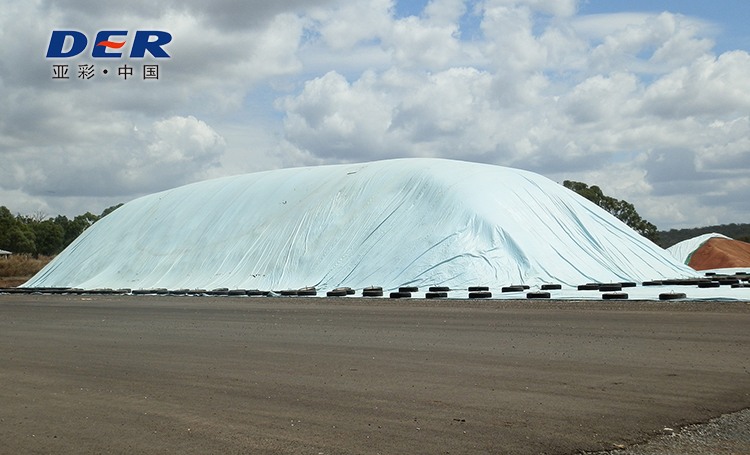
Heavy duty tarp covering an industrial stockpile
Large industrial covers need a seam plan, tension layout and perimeter design suitable for the installation—not simply a larger sheet of material.
Large Cover Engineering

For oversized tarps, divide the load before it divides the tarp

As cover size increases, wind uplift, self-weight, water pooling and handling loads become more important. The project may need welded panels, reinforced seam corridors, intermediate fixing points, ridge support, drainage slope or lifting and folding instructions.

A large cover should be designed as an installed system. Confirm how it will be deployed, tensioned, inspected, moved and stored. Where people work around the cover, the buyer should also review local safety requirements and installation procedures.

  • Map the support points: identify every edge, corner, ridge and intermediate attachment.
  • Control water: include slope and drainage to reduce ponding stress.
  • Protect contact zones: pad sharp edges and add wear panels where rubbing is expected.
  • Plan handling: define folding, lifting, storage and inspection procedures for the finished size.
Application Matching

Where extra heavy duty tarps are commonly specified

The correct construction changes with the type of movement, exposure and attachment stress in each application.

01 / TRANSPORT

Truck & trailer cargo

Repeated folding, road spray, vibration and tie-down cycles call for weldable material, wear protection and hardware positioned around the load.

02 / CONSTRUCTION

Jobsite weather protection

Temporary roofing, material covers and enclosures require secure installation, drainage, wind management and project-appropriate fire performance.

03 / INDUSTRIAL

Machinery & equipment covers

Custom shape, access flaps, ventilation, abrasion zones and fastening position matter more than using a generic rectangular tarp.

04 / AGRICULTURE

Hay, feed & farm storage

UV exposure, large spans, ground contact and seasonal handling should guide material, colour, edge construction and anchoring.

05 / MINING

Stockpiles & site operations

Abrasive dust, rough surfaces, remote handling and large coverage areas may require heavier PVC structures and replaceable high-wear zones.

06 / OEM

Distributor & private-label ranges

Build clear economy, heavy and extra-heavy grades with controlled samples, labels, cartons and repeat-order specifications for each market tier.

Size Planning

How to estimate a practical finished tarp size

Measure the load or structure, then add coverage, overlap and fastening space. Ask the supplier to state final finished dimensions and tolerance.

Rectangular equipment or cargo cover

Finished width ≈ load width + (2 × side drop) + fastening allowance
Finished length ≈ load length + front overlap + rear overlap + fastening allowance

Check protrusions, access points and sharp edges. A fitted cover may need panels, darts or shaped seams rather than only extra width and length.

Stockpile or supported large cover

Finished span ≈ measured surface path + perimeter anchoring allowance
Panel plan = roll width + weld overlap + reinforced seam layout

Measure over the actual profile rather than only the ground footprint. Include slope and drainage, but avoid large unsupported pockets where water can collect.

Do not assume the labelled size is the delivered finished size. Some tarp markets distinguish between cut size and finished size after hems and seams. Confirm this in writing before order approval.
DERFLEX Manufacturing Support

Turn application details into a controlled custom tarp program

DERFLEX supplies PVC coated fabrics, tarpaulin materials and custom finished tarp directions for industrial, transport, construction, agriculture and distributor projects.

Material matching

Compare PVC coated polyester, laminated structures and other tarp materials against weather, abrasion, handling and target cost.

Custom fabrication

Discuss finished dimensions, welded or sewn seams, hems, webbing, grommets, D-rings, straps, patches and shaped cover details.

Project performance

Specify UV, anti-mildew, cold-flex, abrasion and optional flame-retardant directions according to agreed project requirements and tests.

OEM presentation

Coordinate colour, printing, labels, carton marks, private-label packaging and range architecture for importers and distributors.

Sample control

Approve a physical sample or agreed constr, uction standard before scaling to a larger order or repeat supply program.

Specification continuity

Use written product data, approved samples and inspection points to support clearer repeat orders and fewer interpretation gaps.

For a useful quotation, provide: application, finished size, quantity, climate, expected outdoor duration, material preference, target GSM or thickness, reinforcement layout, grommet or hardware spacing, colour, branding, packing and destination.
FAQ

Extra heavy duty tarps: buyer questions

Clear answers for procurement, specification and custom manufacturing discussions.

What is the best material for an extra heavy duty tarp?

PVC coated polyester is commonly considered for repeated industrial handling, welded covers, trucks, construction and equipment protection. Reinforced PE can be practical for lightweight and cost-sensitive waterproof coverage. Canvas may suit breathable applications, while mesh is used where airflow and lower wind pressure matter. The best-fit material depends on the application and failure risk.

Is a higher GSM tarp always stronger?

No. Higher GSM can indicate more material mass, but practical strength also depends on the base textile, yarn, weave, coating adhesion, tear behavior, seams, hems and attachment layout. Compare a complete data sheet and sample rather than weight alone.

How thick should an extra heavy duty tarp be?

There is no single universal thickness. PVC tarps may be compared in millimetres and GSM, while poly tarps are often marketed by mil thickness and mesh count. Define abrasion, wind, handling frequency, climate and expected use before choosing the thickness range.

What reinforcement helps prevent grommet pull-out?

Possible solutions include reinforced hems, polyester webbing, larger local patches, closer grommet spacing, D-rings, straps or a different load distribution method. The correct choice depends on tie-down direction and working tension.

Are extra heavy duty tarps fully waterproof?

PVC and PE tarp surfaces are used for waterproof coverage, but the finished result also depends on seams, penetrations, slope, installation and wear. Welded seams and proper water-shedding design may improve water resistance. Project-specific testing should be agreed where required.

Can DERFLEX manufacture custom sizes and reinforcement layouts?

DERFLEX can discuss custom dimensions, colours, GSM, seam methods, hems, webbing, grommets, D-rings, straps, corner patches, printing and packing. Final availability and specifications are confirmed during quotation and sampling.

What should I send with an RFQ?

Provide the application, finished size, quantity, photos or drawing, climate, exposure duration, material preference, target weight or thickness, reinforcement and hardware layout, colour, branding, packing, destination and any required test standard.

How can tarp service life be improved?

Use a grade suited to the environment, install it with consistent tension, avoid sharp-edge contact, prevent water pooling, inspect high-wear points, clean with compatible methods and store the tarp dry when not in use. Actual life varies with weather, handling, load and maintenance.

Need an extra heavy duty tarp specification for your project?

Send DERFLEX your use conditions, finished size, quantity, reinforcement layout and performance requirements. The team can discuss a practical material and fabrication direction for sampling and quotation.

Specification ranges and selection guidance are for procurement reference. Final material, performance, test method, tolerance, packaging and compliance requirements are subject to project confirmation, approved samples and written order documents.

Consulting Services
+86-021-54361792 / 54361798
Email
sales@derflex.com